

Wyrd & Flame Articles
The Wyrd & Flame blog gathers articles exploring Norse tradition, the Elder Futhark runic system, mythology, and the cultural world of the early Germanic peoples. These articles aim to provide clear and thoughtful exploration of northern traditions while maintaining awareness of the historical sources and cultural context behind them.
Across the blog you will find studies of the runes, discussions of Norse cosmology, mythological themes, folklore, and guides designed to help readers explore these subjects in greater depth.
Whether you are beginning your study of the runes or expanding your understanding of Norse tradition, the articles published here aim to provide structured knowledge that goes beyond surface explanations.
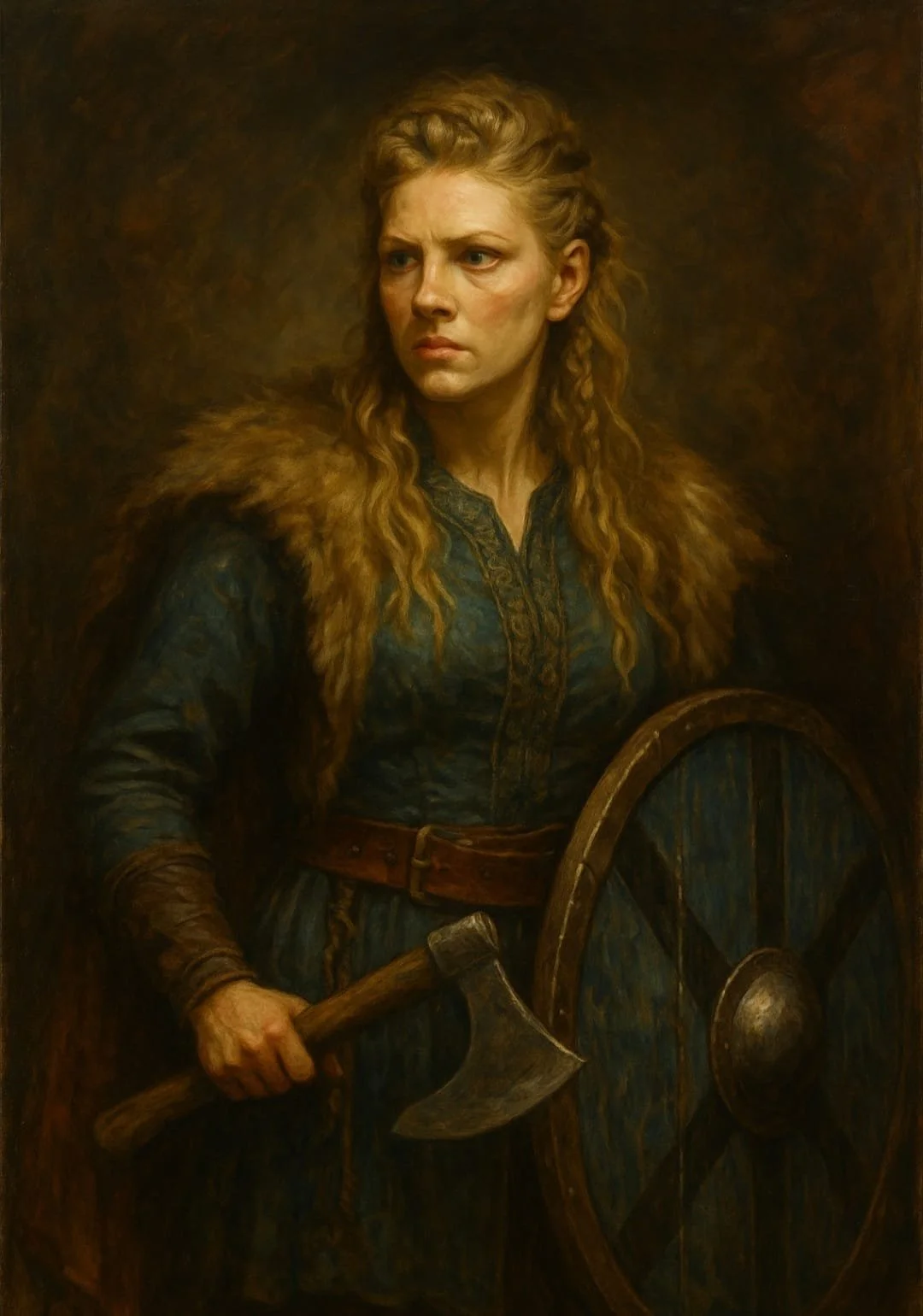
Lagertha: The Shieldmaiden Who Danced With Fate
Lagertha was more than a shieldmaiden - she was storm and steel, queen and warrior. This mythic saga explores her courage, leadership, and the fierce dance between fate, honor, and choice.
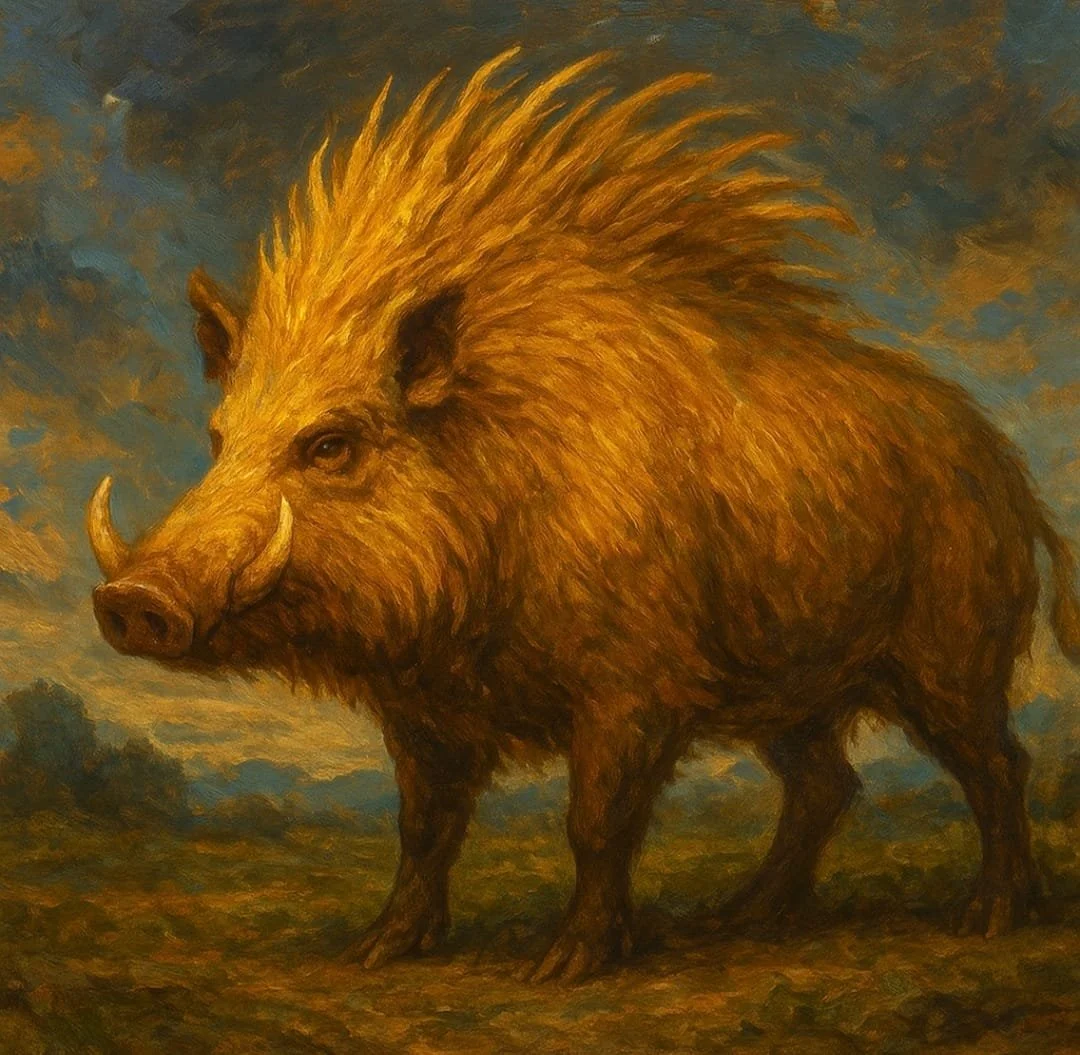
Gullinbursti: Brilliance in Motion
Forged of gold and fire, Gullinbursti is light in motion - the courage that runs before understanding and the brilliance that dares the dark. This mythic meditation explores hope, momentum, and the radiant force that carries dawn through winter.
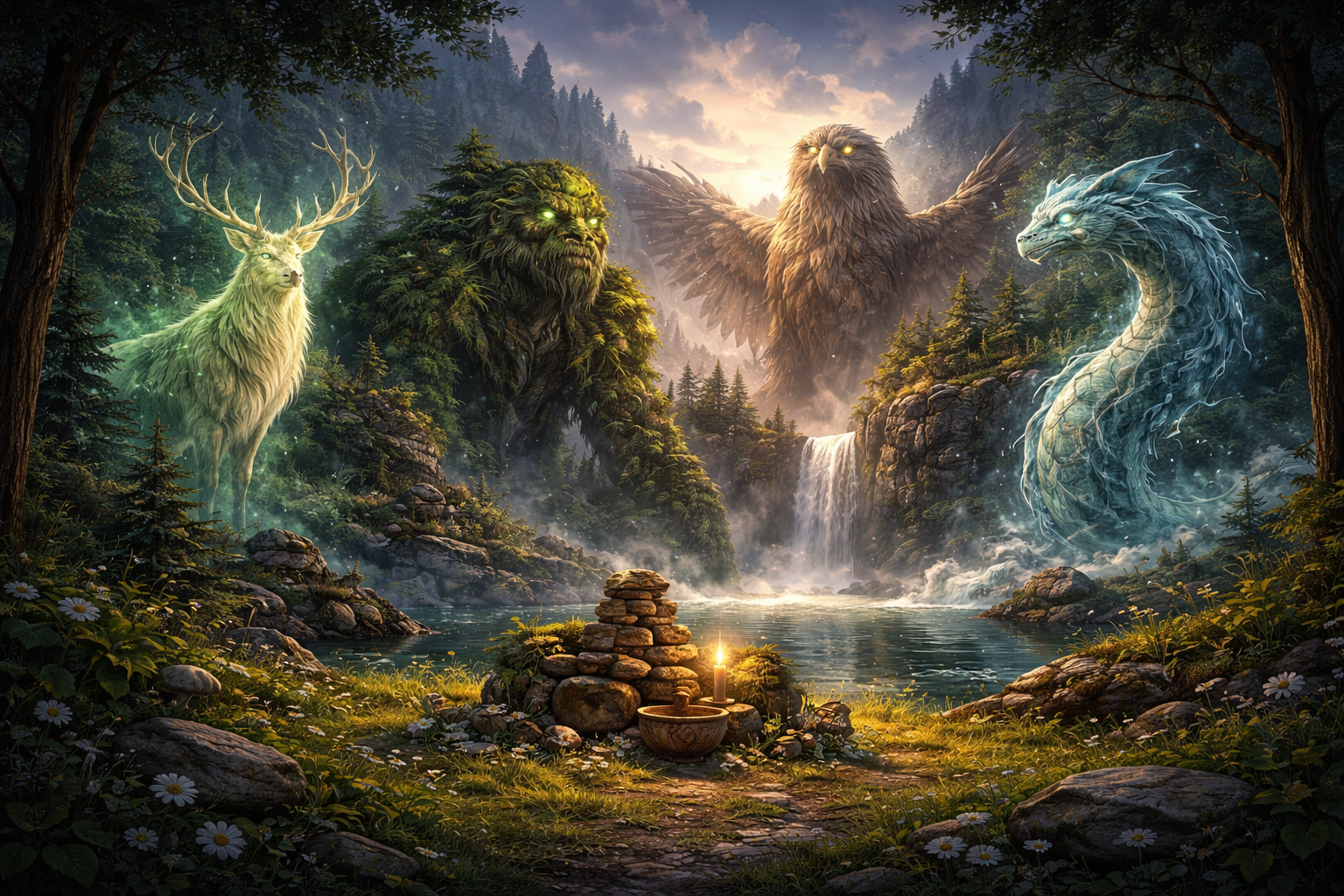
Landvættir: The Nature Spirits of Norse Belief
Landvættir are the ancient spirits of the land in Norse belief - guardians of hills, rivers, forests and the spaces we call home. In this article, we explore their history, lore, and symbolism, along with how to honour and connect with them today.
Seiðr Craft - Chapter 13: The Three Voices: Instinct, Emotion, and Vision
In seiðr, three voices speak within the practitioner: instinct from the bones, emotion from the heart, and vision from the deep eye of the craft. This chapter teaches how to hear them clearly, hold them in balance, and choose the thread that truly holds.
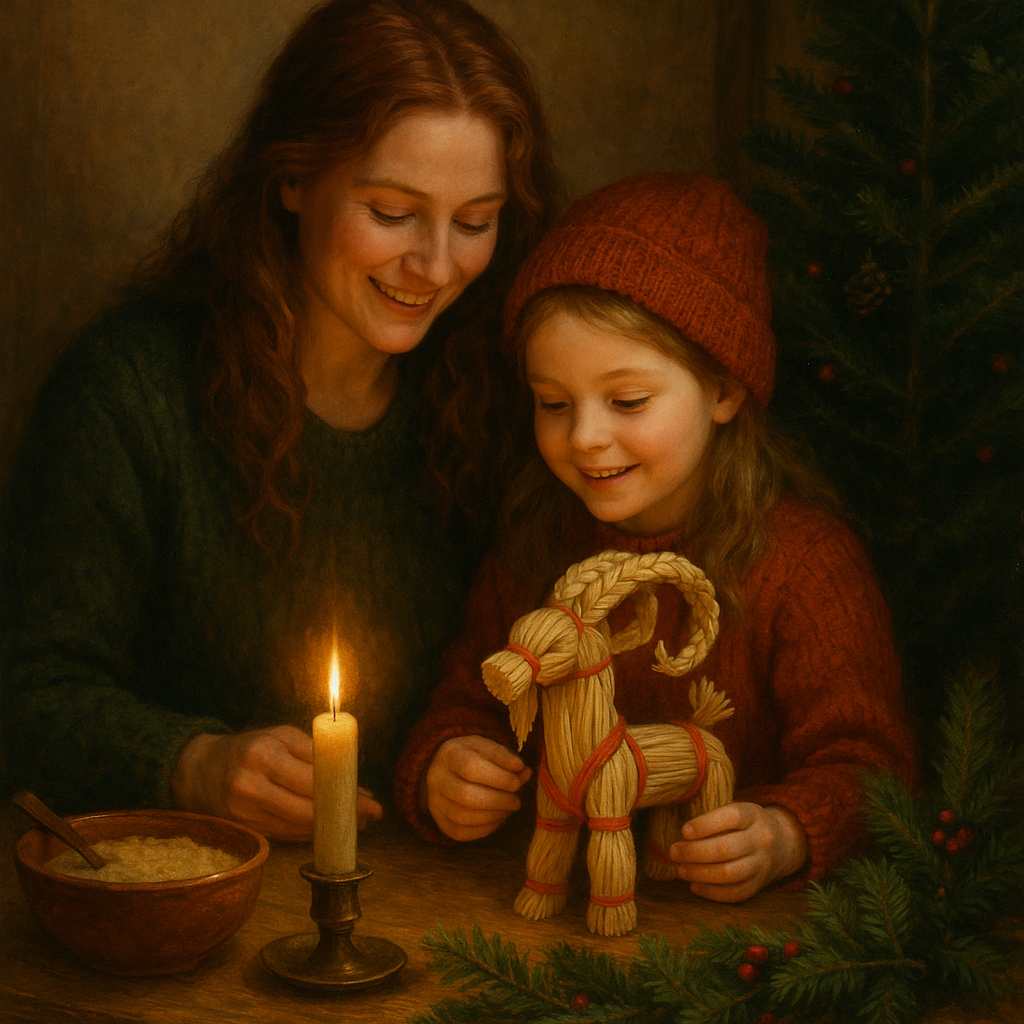
Norse Jól (Yule) for Kids: Simple, Family-Friendly Ways to Teach the Old Traditions
Norse Jól doesn’t need to be complex or historically heavy for children. In this guide, I share simple, authentic, and age-appropriate ways to introduce the old northern traditions (alongside modern Yule) so kids feel included, supported, and connected. From storytelling and straw goats to nature walks and gentle winter symbolism, these activities help families create meaningful Jól memories without pressure or dogma.
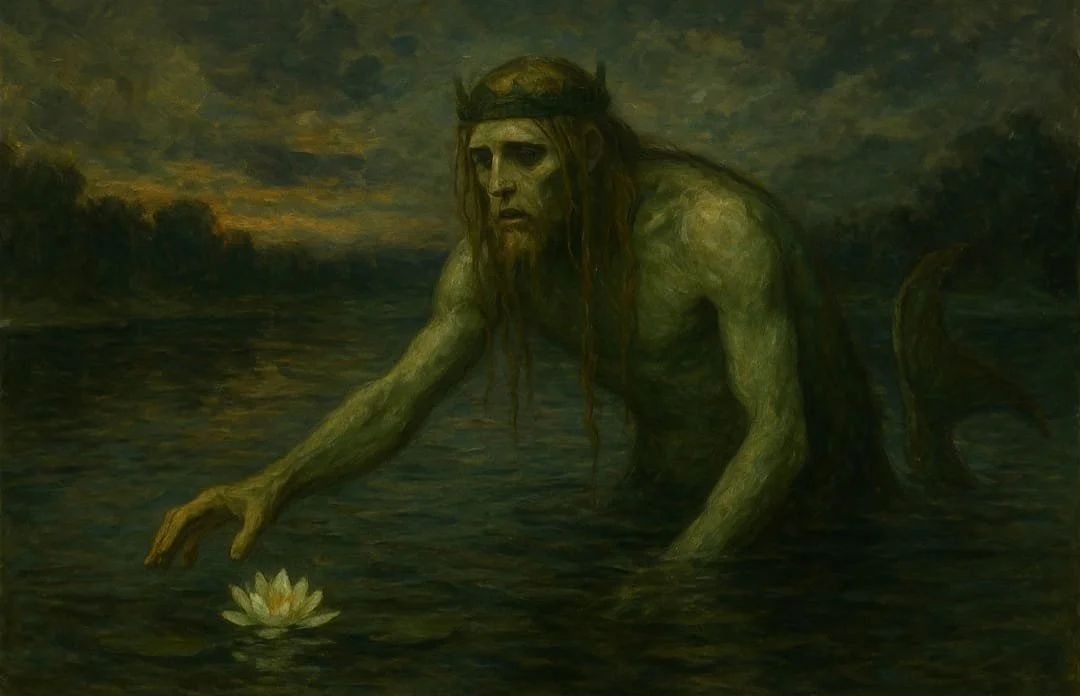
Nøkken: The Song Beneath the Surface
Not all music frees. Some melodies bind.
This mythic meditation on the Nøkken explores water as memory, longing as lure, and the perilous beauty of listening too deeply to what waits beneath the surface.
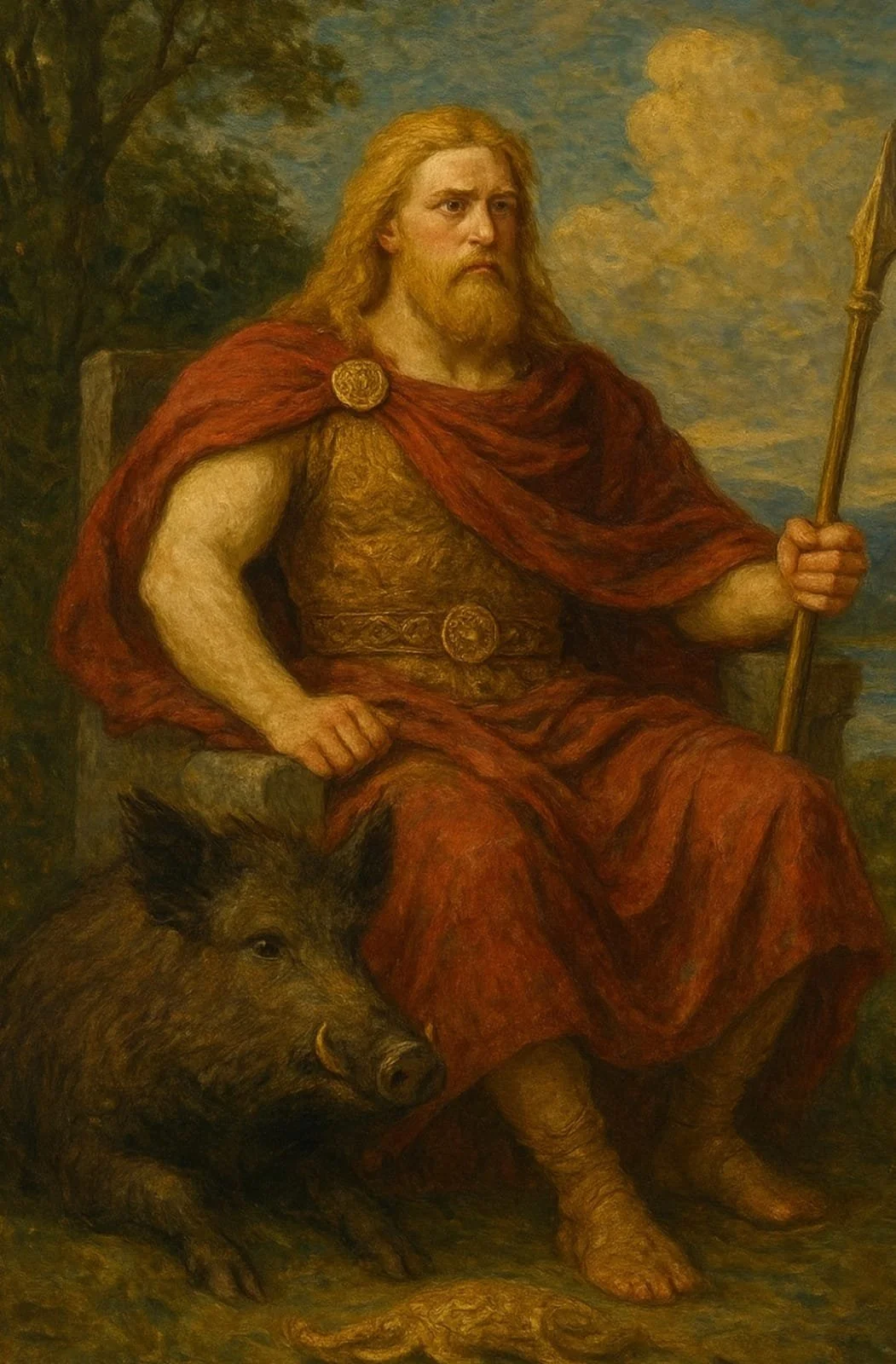
Freyr: Lord of the Golden Season
Freyr is not a god of conquest, but of flourishing. This blog is a poetic, lore-rooted meditation on Freyr as Lord of the Golden Season: god of fertility, peace, sacred kingship and courageous generosity. From his shining boar Gullinbursti to the love that cost him his sword, we explore how Freyr’s myths teach us about abundance, sacrifice and what it truly means to let life grow through us.
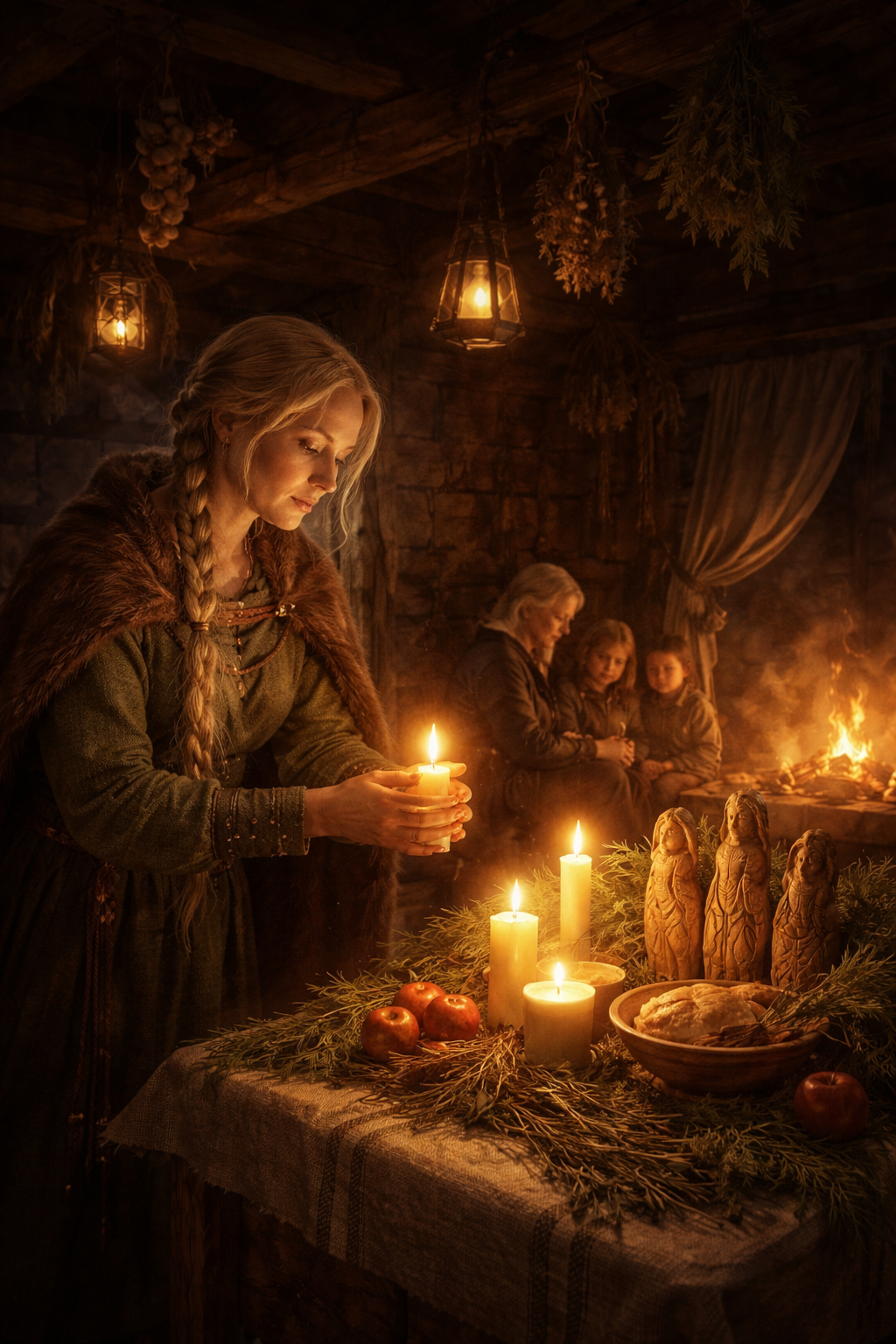
Mother’s Night (Mōdraniht): The Anglo-Saxon Midwinter Rite and Its Germanic Roots
Mother’s Night, or Mōdraniht, is one of the most mysterious midwinter observances of the early Germanic world. Recorded only once by the Anglo-Saxon monk Bede, it honoured the “Mothers” at the turning of the year. This article explores what Mother’s Night truly was, what evidence we have, how it connects to wider Germanic beliefs, and why it should not be mistaken for a Norse festival. Written with historical care and clear separation between evidence and modern practice.
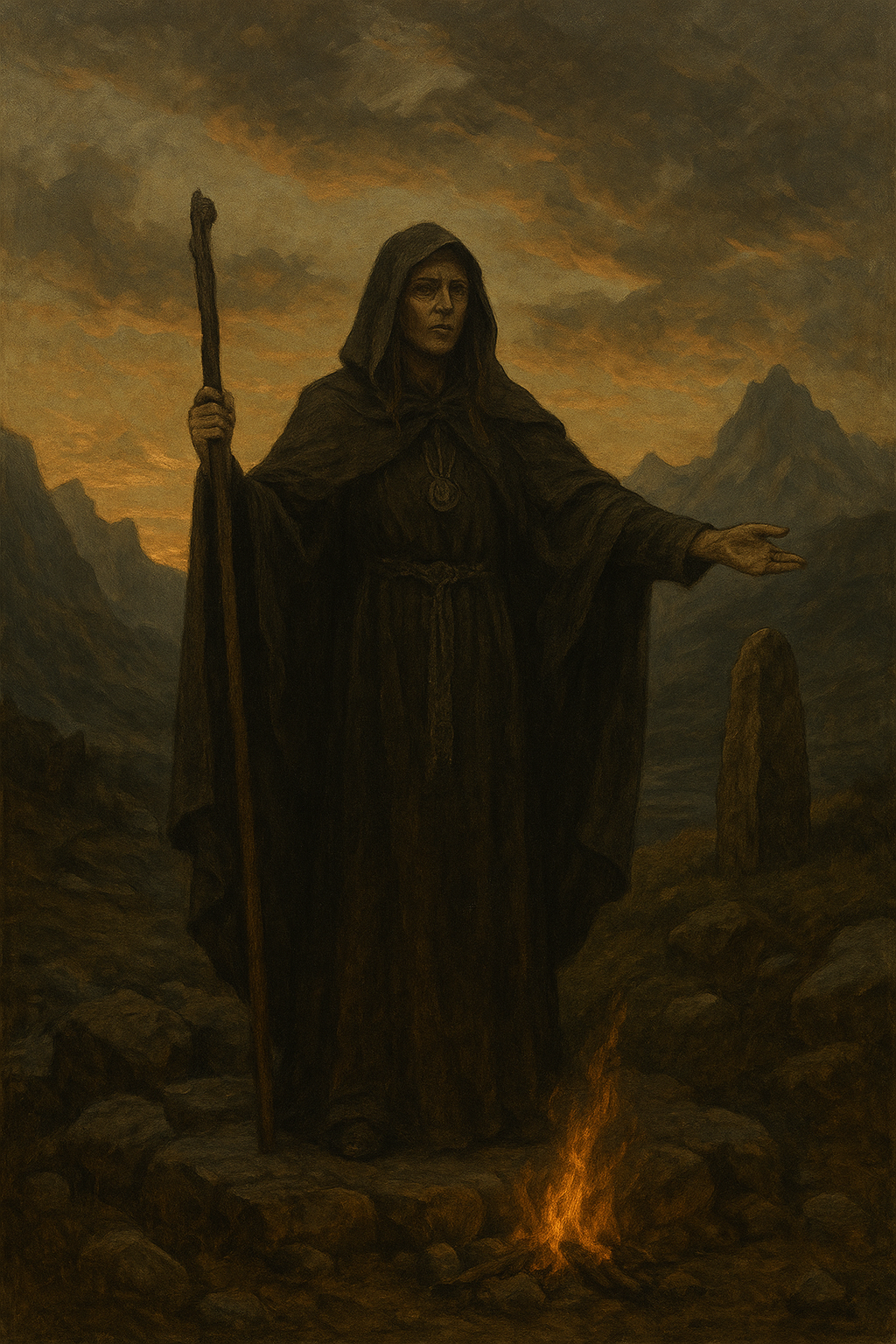
Seiðr Craft - Chapter 12: The Weight of Words in Seiðr
Speech in seiðr is not expression but consequence - every word a thread cast into the unseen. Silence sharpens the voice, and the voice shapes fate. In this chapter, we walk the edge where breath becomes power and utterance becomes destiny.
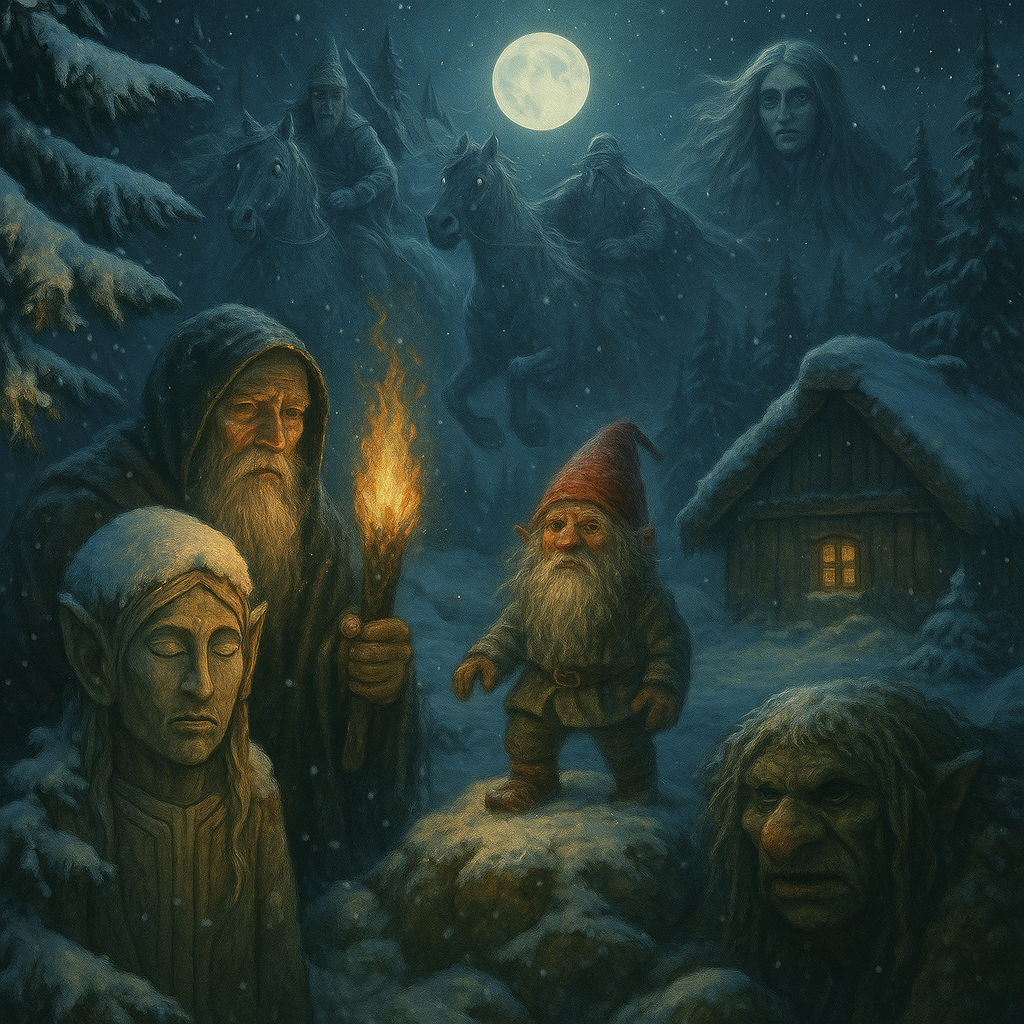
Jólablót: The Norse Midwinter Feast of Sacrifice, Spirits and Renewal
Jólablót was the beating heart of the Norse midwinter season - a sacred blend of feasting, sacrifice, ancestral honour and communal strength during the darkest time of the year. Far from the wild stereotypes of Viking revelry, it was a carefully structured ritual meant to nourish luck, uphold cosmic balance and draw kin together when winter was at its hardest. This blog explores what Jólablót truly was, when it was held, how offerings and blessings worked, the gods connected to the festival, and how the celebration transformed under Christianity. Through lore, history and surviving folklore, we uncover the spirit of Jól that still lingers today in modern Scandinavian winter traditions.
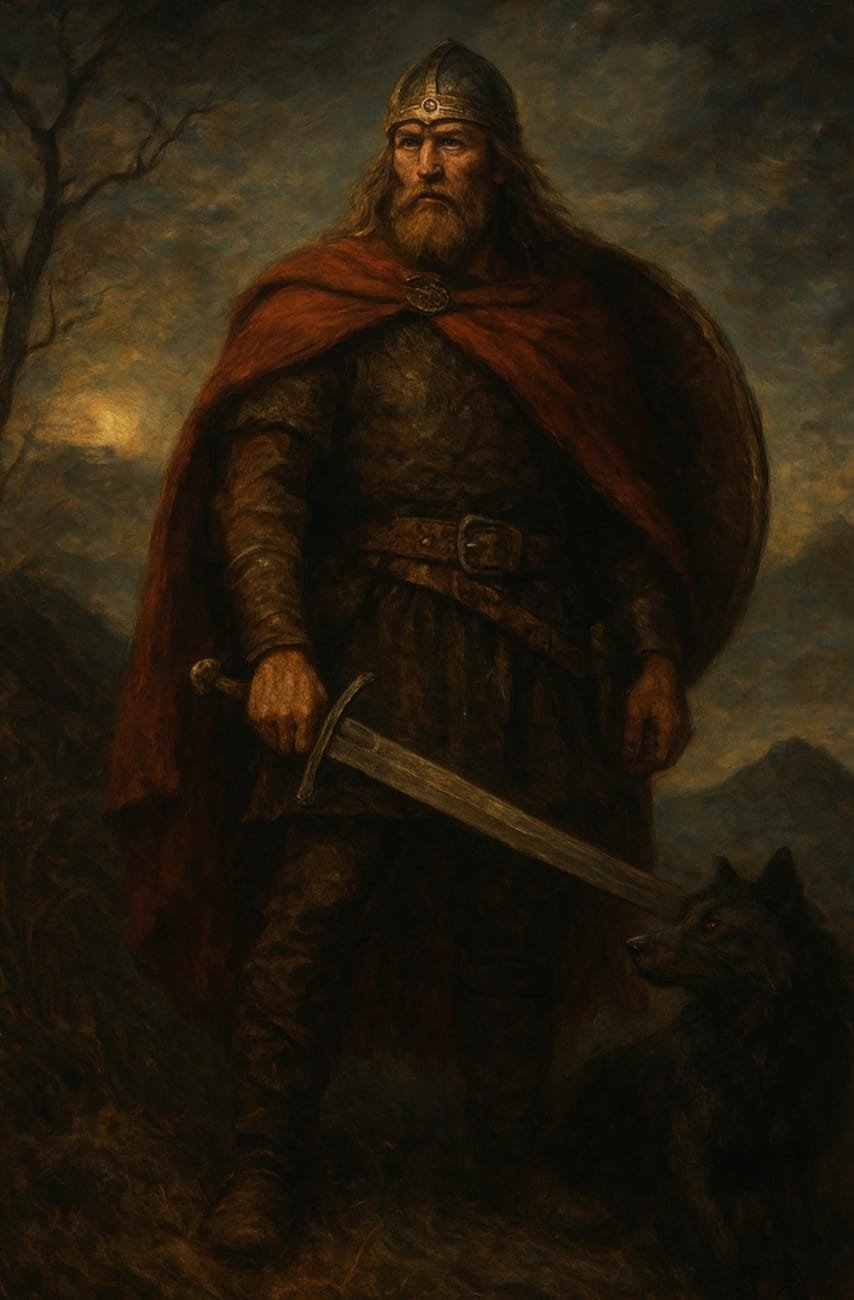
Helgi Hundingsbane: The Wolf-Born King Who Walked With Destiny
Before Helgi Hundingsbane ever raised a sword or won a crown, the North had already whispered his name. Born beneath a wolf-shaped star and greeted by omens that trembled through burial mounds and stormlit skies, he entered the world not as a blank soul - but as one returning. His story is carved into the bones of Norse legend: a king shaped by destiny, guarded by wolves, loved by a valkyrie, and followed by shadows older than memory. To walk Helgi’s path is to witness fate unfolding with quiet inevitability, one heartbeat at a time.
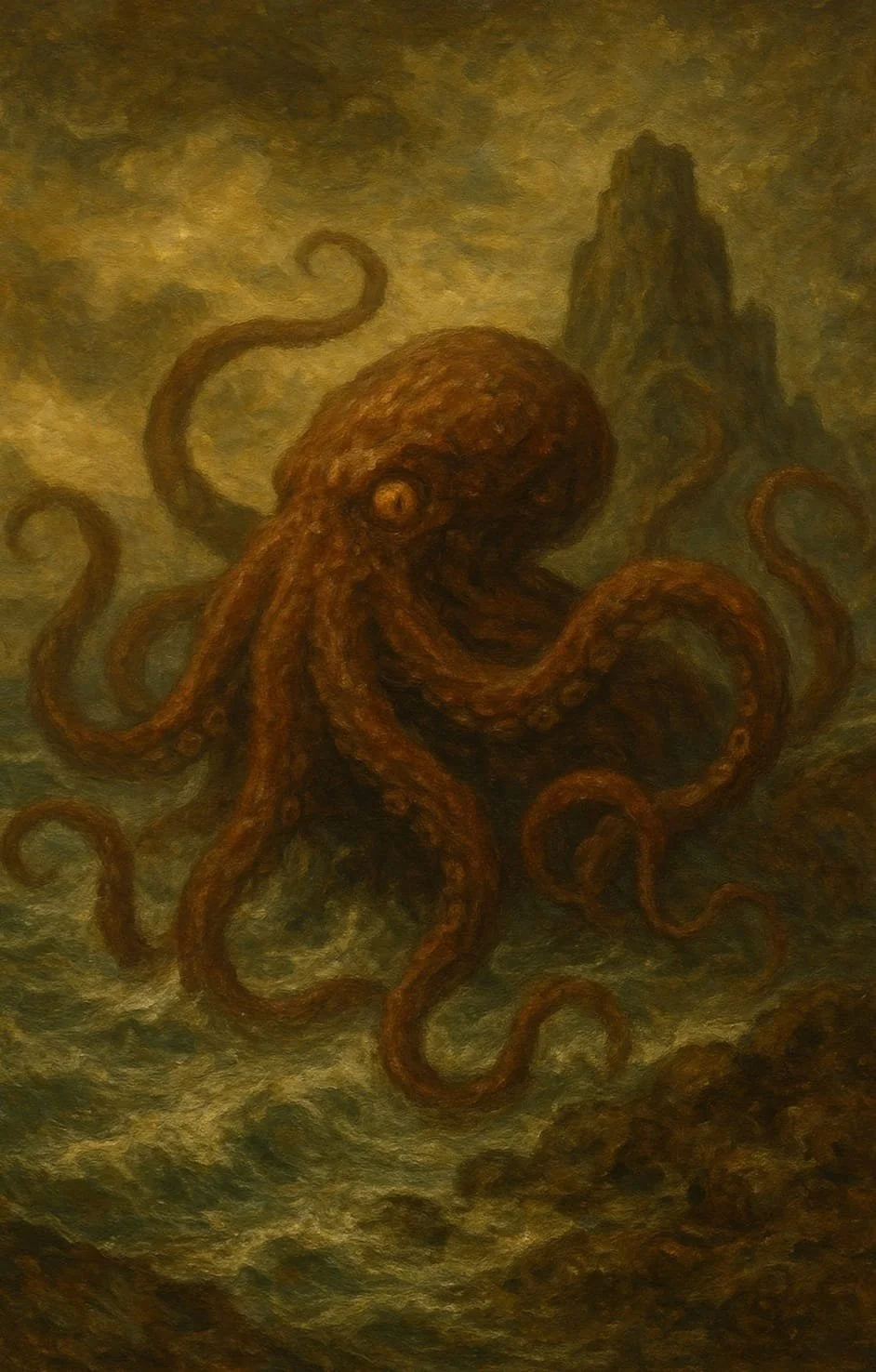
Kraken: The Tentacled Silence
Before storms had names and before the first Norse keel carved a path through mist, there was only a whisper beneath the waves. The Kraken was not born - it was noticed. A vast patience stirring in the deep, a consciousness older than fjords and colder than moonlit tides. It is not rage that defines it, but silence: a long pause in the ocean’s song. To encounter the Kraken is to meet the abyss as presence, to feel time slow beneath unseen arms and understand how small a single heartbeat is against the weight of the sea.
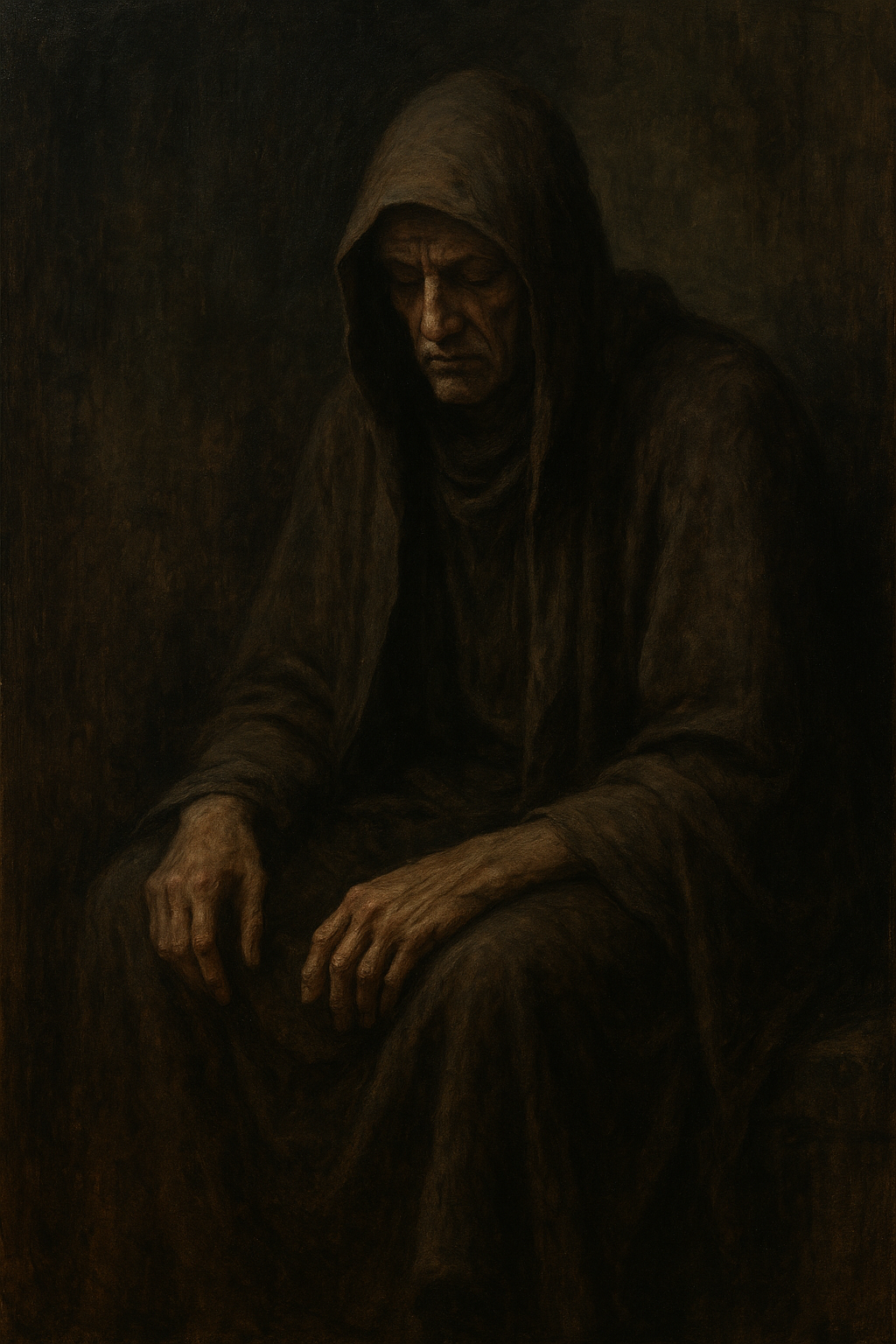
Seiðr Craft - Chapter 11: When the Spirits Step Back
There comes a point in every practitioner’s journey when the spirits grow quiet - not in the way of deep, living silence, but in the way of distance. Their presence softens, their signs fade, and the pathways that once opened easily feel closed or unreachable. It is not abandonment, nor punishment. It is a recalibration, a necessary withdrawal that reveals the state of your craft far more honestly than praise or visions ever could.
In seiðr, the spirits step back for many reasons: because your grounding has slipped, your boundaries have blurred, your life has become misaligned, or simply because you are being asked to grow without the comfort of constant contact. Withdrawal is part of the relationship. It tests your steadiness, your patience, your discipline, and your sincerity.
This chapter explores those moments of distance - why they arise, how to recognize them, and how to walk through them without panic or projection. Silence does not mean you are lost. It means you are being reshaped.
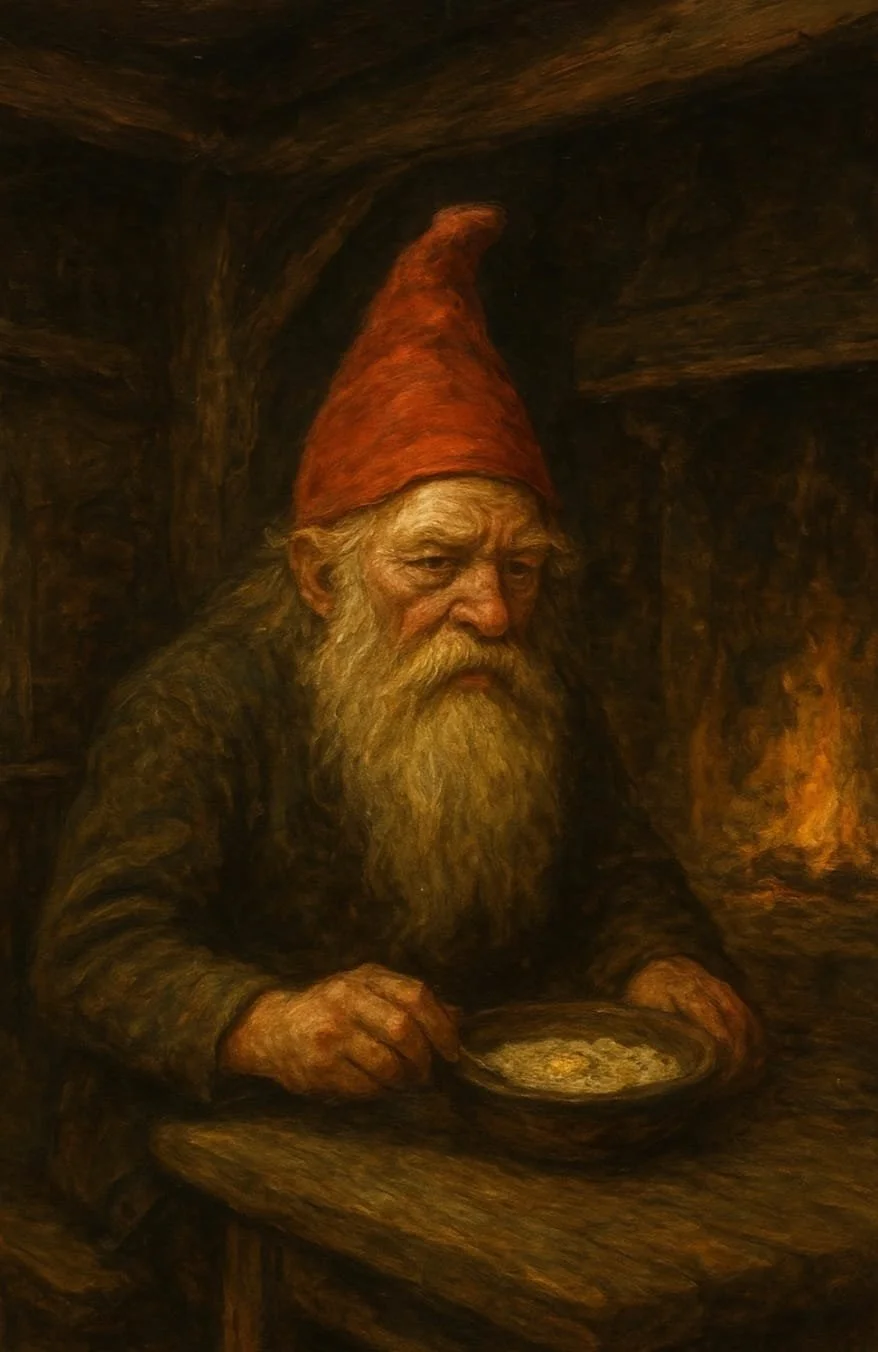
Nisse: The Guardian of Hearth, Hay, and Snow
The Nisse is one of Scandinavia’s most enduring spirits - a small, watchful guardian who oversees barn, hearth, and home. Neither god nor demon, he is the embodiment of responsibility, care, and consequence. Appearing in winter tales, farmstead lore, and the whispered songs of the North, the Nisse protects livestock, maintains order, and rewards those who honor him with diligence. But neglect or disrespect carries a price. From solstice porridge offerings to centuries of traveler’s tales, this blog explores the Nisse’s origins, rituals, mischief, moral lessons, and lasting presence in modern Scandinavian life.
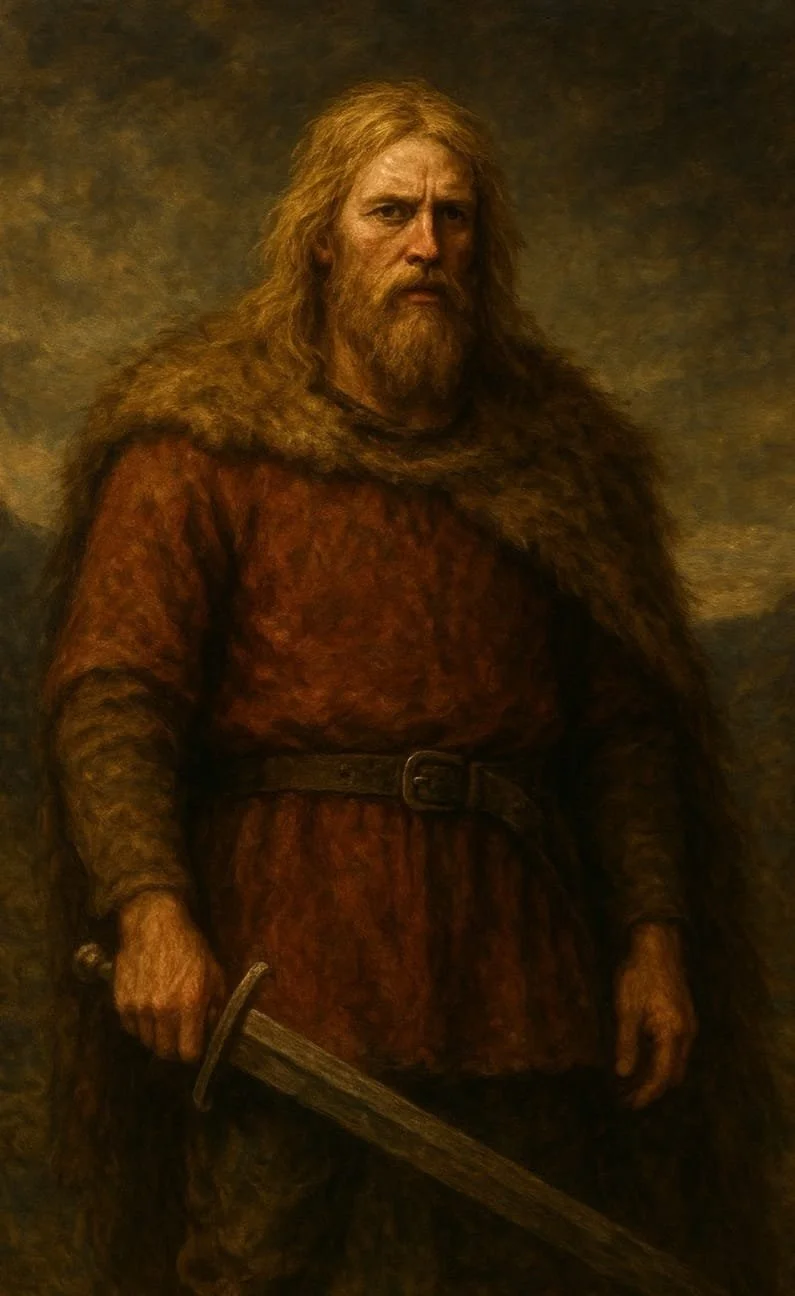
Hjalti the Twice-Hanged: The Man Who Would Not Die
They tried to kill him twice.
The rope bit, the gallows creaked, and still Hjalti walked away.
Hjalti the Twice-Hanged is not a figure from the surviving sagas, but he feels like one that should have been. Born from the edge where history, wyrd, and imagination meet, his story follows a warrior who survives two hangings and steps into the haunted space between life and death. Is he blessed by Odin, cursed by fate, or simply too stubborn to break?
This mythopoetic retelling explores Hjalti as a modern Norse legend: a man who refuses to bow to the noose, who walks with ravens and gallows-shadows, and who asks us a dangerous question - if you crossed death’s threshold and returned… what would you do with the life that followed?
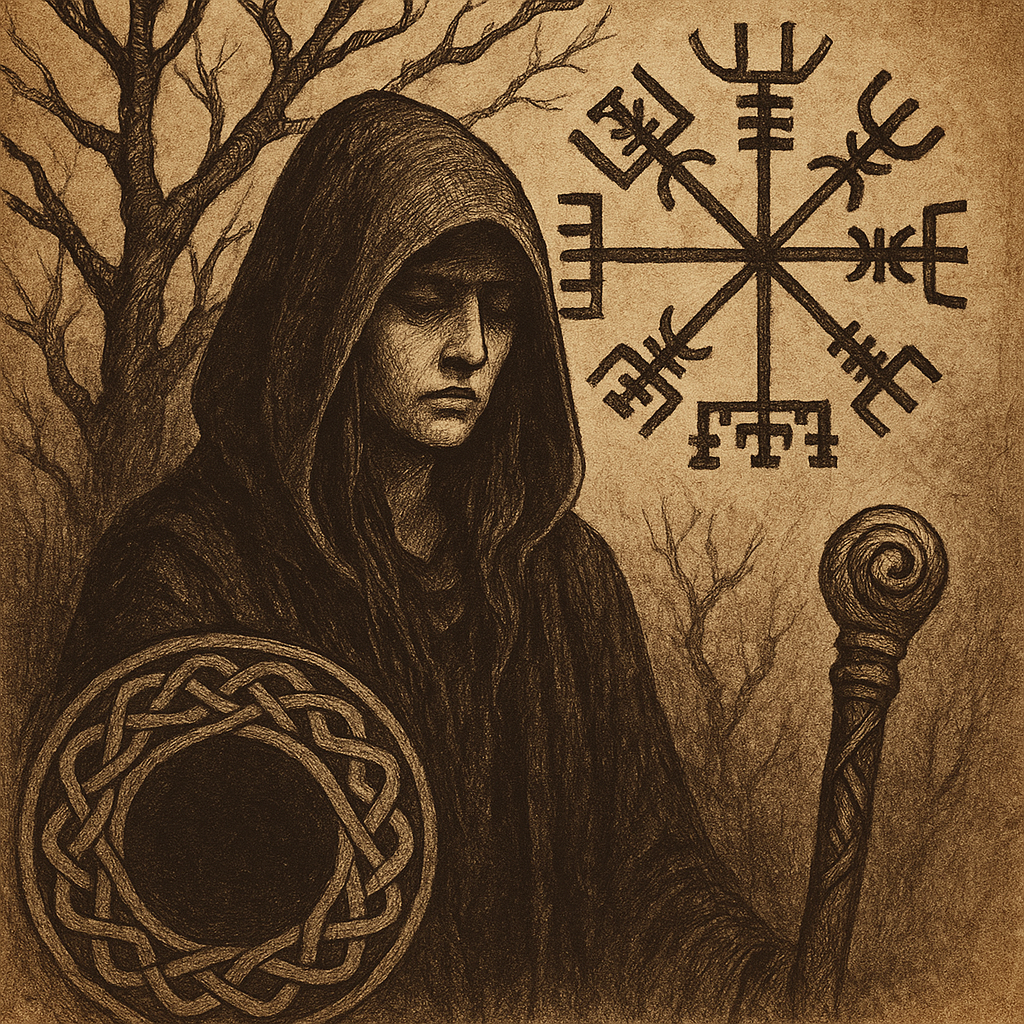
Seiðr Craft - Chapter 10: Working With Silence
Silence is not emptiness - it is the deepest presence in seiðr. Long before visions form or voices rise, silence is the first threshold every practitioner must learn to cross. It reveals your fears, steadies your sight, and tests the strength of your grounding. In its weight and texture, the unseen world begins to listen back.
Chapter 10 explores silence as a realm, a teacher, and an initiation.
You’ll learn how to sit inside it without filling it, how to recognise the difference between silence and true absence, and how to read the subtle movements through which gods, ancestors, and land-wights actually speak.
This chapter is not about chasing messages - it is about preparing yourself to receive them. When you can stand inside silence without fear, your seiðr changes forever.
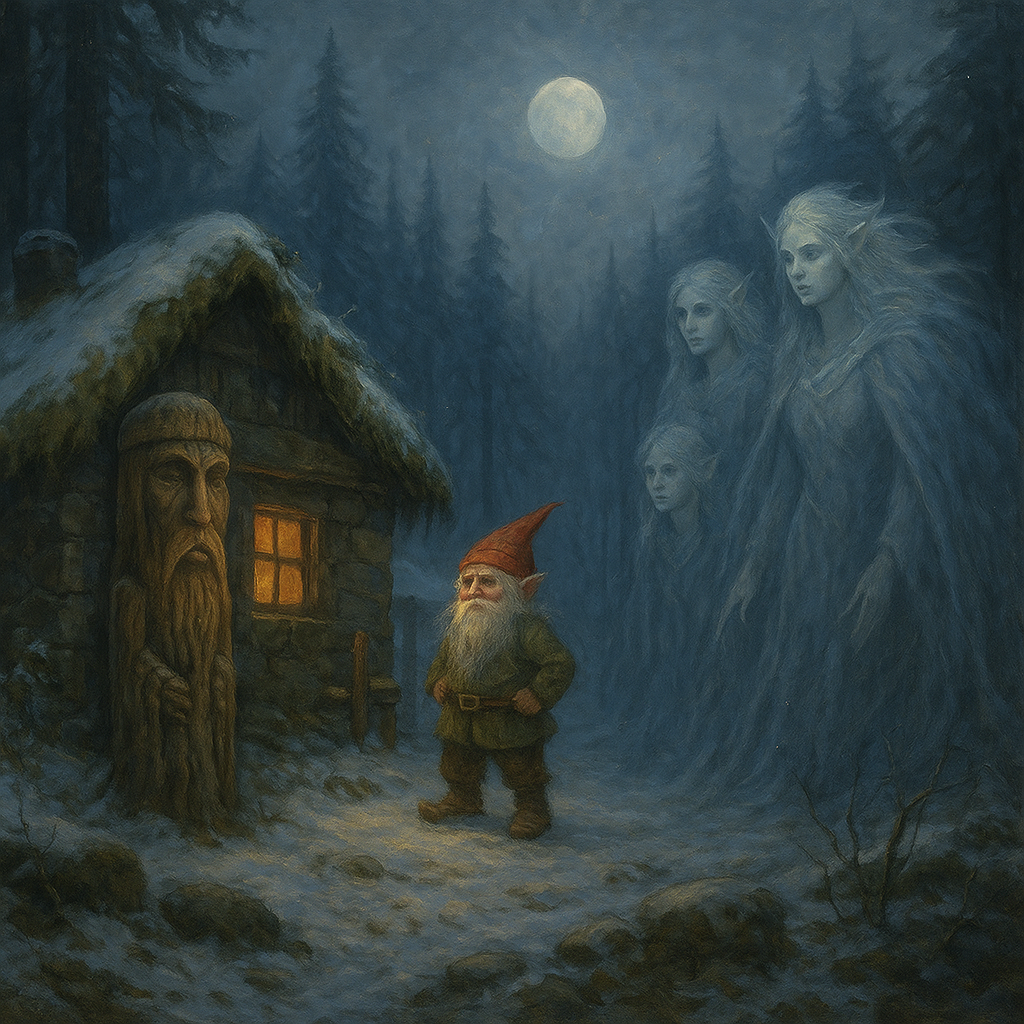
Norse Winter Spirits: Húsvættir, Draugr and more
Winter in the old Norse world was more than snow and silence - it was a season when the boundary between the living and the unseen thinned. Families honoured house spirits, elves wandered near the homestead, and the Wild Hunt roared across storm-heavy skies. This blog explores the húsvættir who guarded farmsteads, the álfar linked to land and ancestry, the restless winter dead, and the echoes of these beliefs in later Scandinavian folklore. Through sagas, folk customs and historical insight, we uncover how the North understood winter as a spirit-haunted time - and why those ideas still resonate today.
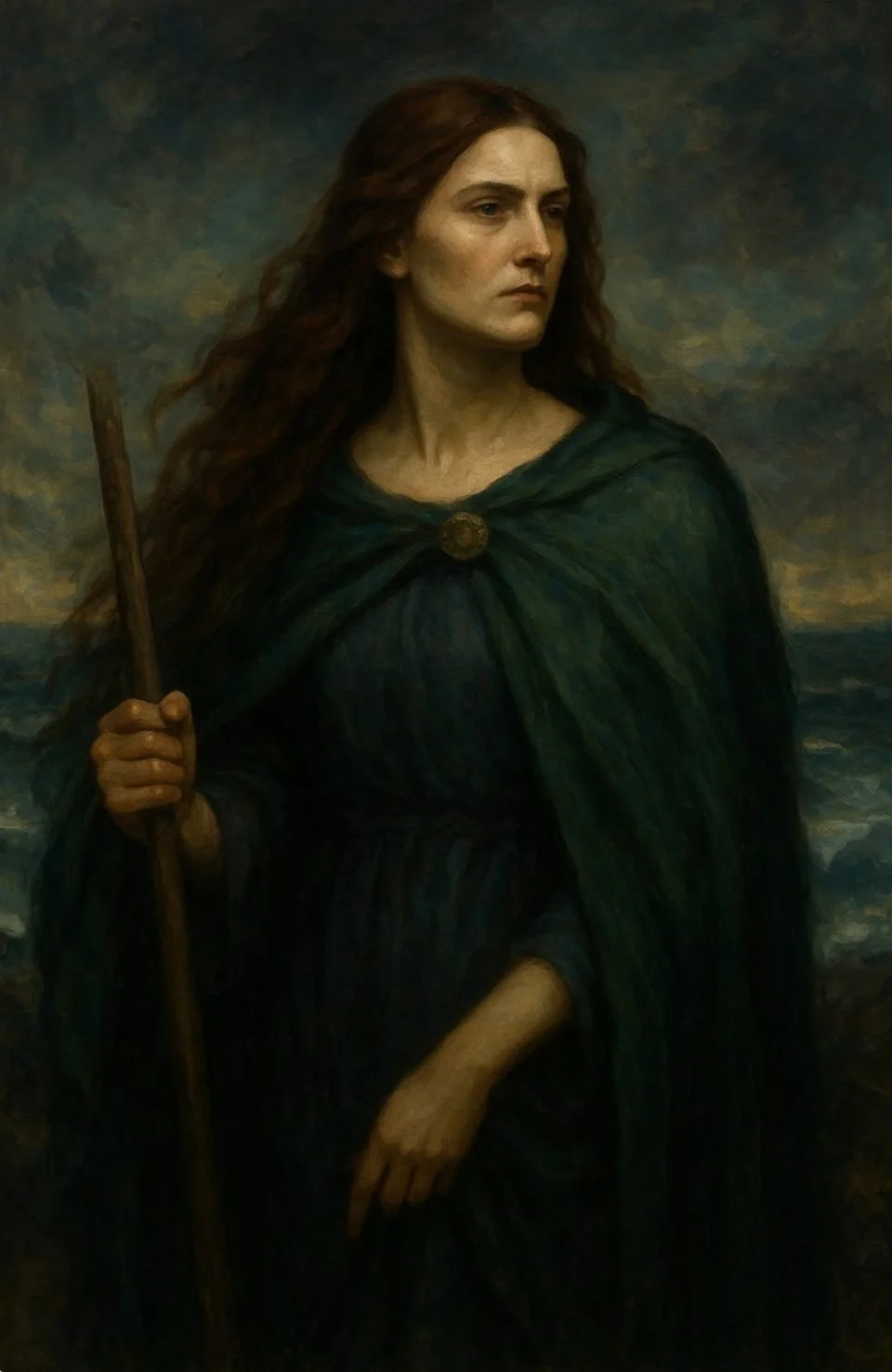
Unn the Deep-Minded: The Matriarch Who Built Iceland | Norse History & Myth
Unn the Deep-Minded was no conqueror with sword in hand - she was a builder in the aftermath of ruin. When her family fell and her homeland collapsed, she crafted a ship in secret and carried a people across the sea, forging the foundations of Icelandic society. Her legacy lives not in battlefields, but in resilience, renewal, and the quiet power of those who rebuild when everything has been lost. Her saga asks a timeless question: when the world breaks, will you break with it… or begin again?
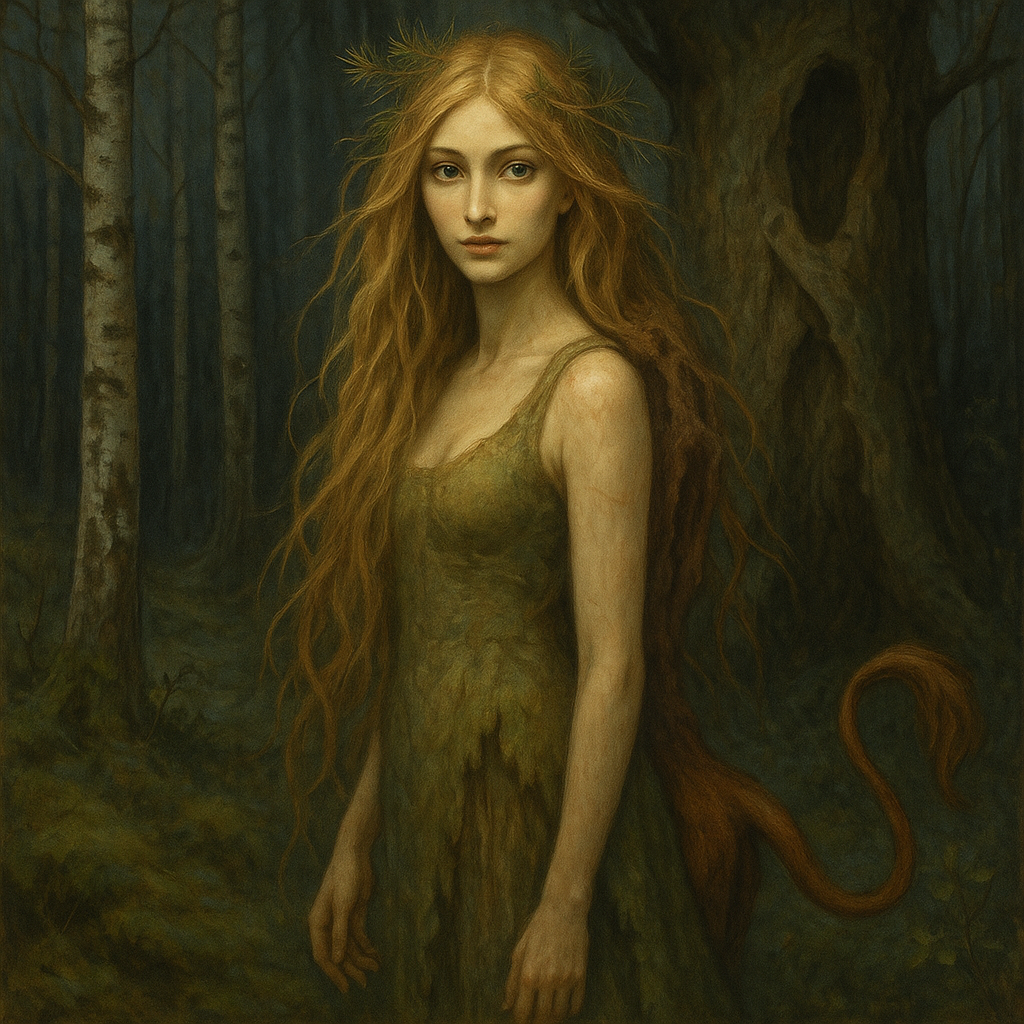
The Huldra: The Hidden One Beneath the Hill
The Huldra is one of the most haunting figures in Scandinavian folklore - a breathtaking woman who appears at dusk among the birch and moss, her golden hair hiding a cow’s tail or hollow bark spine. She offers gifts, love, and fortune… but always at a price. To meet her is to step across the boundary between the human world and the hidden one, where beauty conceals danger and the forest remembers every name. Who is the Huldra - spirit, goddess, or warning? Step beneath the hill and discover the truth behind the Hidden One.
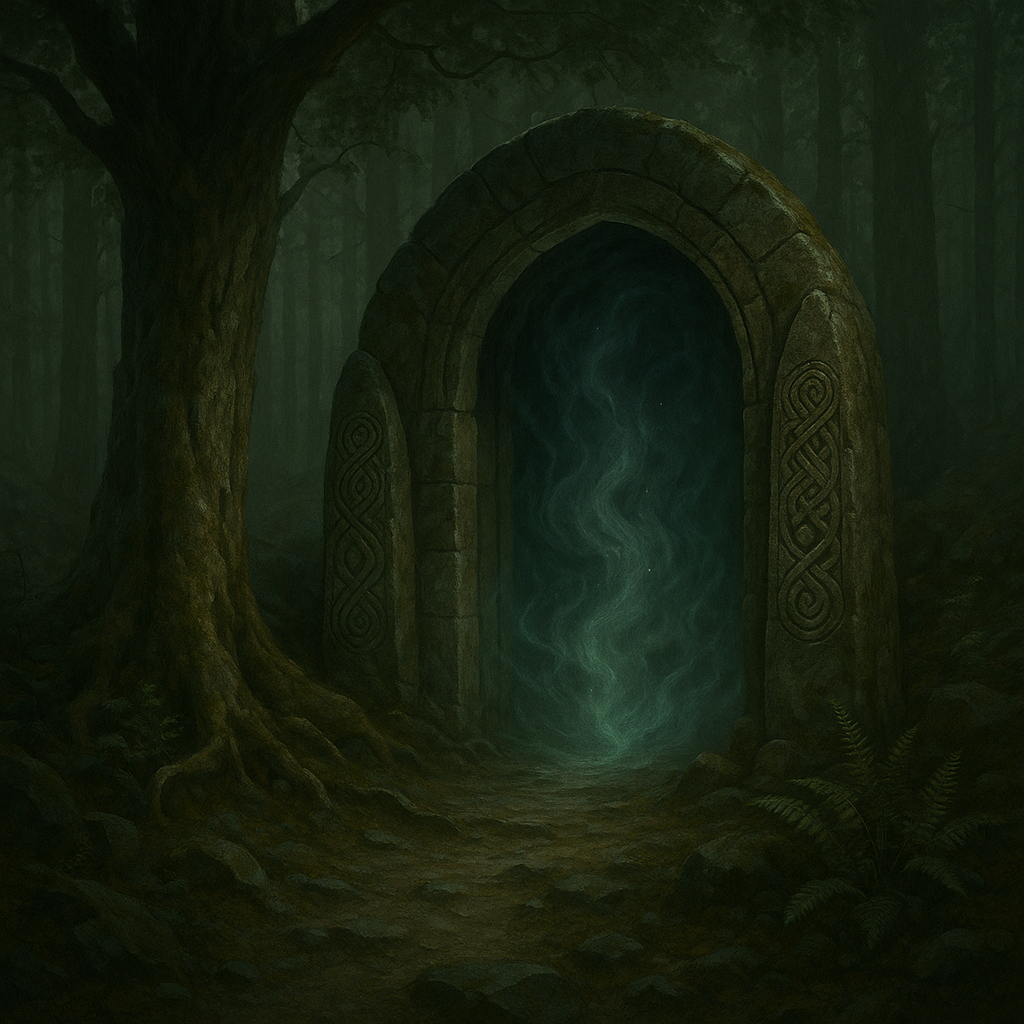
Seiðr Craft - Chapter 9: The Texture of Trance
Trance is not the dramatic plunge many imagine. It is a subtle shift in the body, a softening of the senses, a loosening of the everyday self until the worlds draw close enough to touch. In Chapter 9 of Seiðr Craft, we explore the real texture of trance: the descent of the body, the breath that opens the threshold, the sharpening of inner sight and the quiet tests that reveal misalignment. This chapter shows how Samhildr weaves through every moment of trance, shaping what you perceive, how you interpret it and how you return home.