
Seiðr Craft - Chapter 13: The Three Voices: Instinct, Emotion, and Vision
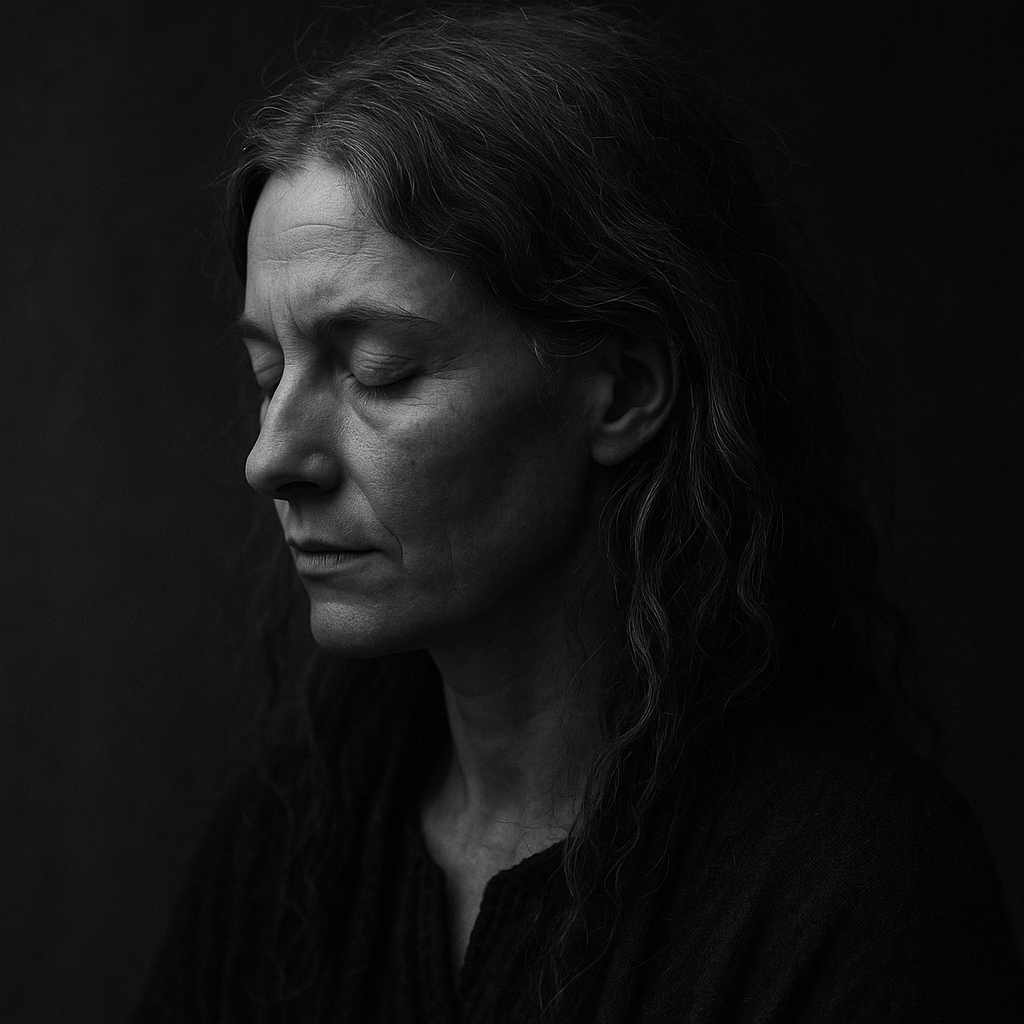
There are three voices that rise within the practitioner - three currents that weave through every working, every silence, every moment of contact with the unseen. They do not speak with the same tongue, nor do they arise from the same depth within the self. Yet each one shapes the path of seiðr in ways subtle and profound. Instinct, emotion, and vision: these are not abstract concepts. They are forces. They are thresholds. They are the internal companions that determine whether your craft sharpens into clarity or dissolves into confusion.
To walk this path is to learn their languages.
Instinct speaks first. It is the old voice - the one that comes from the bones, from the ancestral memory carried beneath thought. It rises without explanation, without story, without decoration. A tightening in the gut. A shift in the air. A quiet no that arrives long before the mind can argue. Instinct is the voice the early völur trusted most, for it was older than fear and wiser than desire. It told them when the land was listening. When danger stood in the doorway. When a presence approached from beyond the edges of sight.
Emotion speaks second. It is the loudest voice, the most turbulent, the most easily mistaken for truth. Emotion colours everything the practitioner perceives. It can sharpen intuition into a blade or drown it in storm-water. Emotion can open the heart or cloud the thread. It can pull the self forward with fierce honesty or twist experience into shapes that soothe the ego but mislead the craft. To work seiðr is not to silence emotion, but to recognise its movements - its surges, its distortions, its gifts.
Vision speaks last. It is the deepest of the three, the most difficult to hear, and the easiest to corrupt. True vision does not rise in haste. It comes through silence, through waiting, through alignment that has burned away noise. Vision is not imagination, nor fantasy, nor desire dressed as revelation. Vision is what emerges when instinct is honoured, when emotion is calmed, when the practitioner has grounded themselves so fully that the unseen can approach without being bent by personal narrative. It is the voice that carries the rhythm of wyrd itself.
Yet these voices do not always agree.
They clash. They contradict. They confuse.
And when they do, the practitioner must know which one to trust, and when.
This chapter delves into the subtlety of these voices - their origins, their strengths, their dangers, and the art of discerning one from another. It is about learning to recognise when instinct is guiding you, when emotion is distorting the thread, and when vision is genuinely rising from the deep-root rather than slipping from the restless mind.
Seiðr is not built on certainty. It is built on listening.
To the body.
To the heart.
To the silence behind the eyes.
To master these three voices is to master the inner landscape of the craft.
For a practitioner who can hear clearly within themselves becomes someone the unseen can trust - and someone whose path becomes steadier, deeper, and far more aligned with fate.
The First Voice: Instinct as Ancestral Echo
Instinct is the first voice - not because it is the simplest, but because it is the oldest. It speaks from a place beneath language, beneath emotion, beneath all the shifting thoughts that crowd the surface of the mind. Instinct rises from bone-memory, from the deep strata of human experience, from the silent storehouse of every moment your ancestors survived because they listened to what stirred beneath the skin. To call instinct “gut feeling” is to diminish it. Instinct is the whisper of the bloodline. It is the echo of lives lived before yours, shaping your awareness long before you ever chose a path of craft.
When instinct speaks, it does not explain itself. It does not arrive as a vision, a story, or a meaning. It arrives as pressure. As a tightening across the ribs. As a subtle pull toward or away. As the sudden drop in the belly when something unseen shifts its weight. Instinct is the only voice that does not seek your permission; it simply moves through you. It does not care about your beliefs, your expectations, or your desires. It cares only for truth - truth at the level of survival, truth at the level of presence, truth at the level where fate and body meet.
This is why instinct is so often uncomfortable. It rarely aligns with what the mind wants or what the heart feels. Instinct cuts through longing. It cuts through fear. It cuts through the stories you tell yourself to avoid the work you know you must do. Many practitioners mistake instinct for anxiety, for doubt, for emotional resistance. But instinct does not flutter. It does not spiral. It does not scatter. Instinct lands. It settles. It knows.
In the old world, instinct was trusted as a form of guidance long before the runes were carved or trance was sought. The hunter who paused at the treeline without knowing why; the midwife who sensed danger in a labour despite calm faces; the völva who turned her head sharply when a presence entered the boundary of the hall - these moments were not superstition. They were survival honed into intuition. They were the lineage speaking through the living, guiding them through darkness, hunger, cold, and the vast uncharted presence of the unseen.
For the practitioner of seiðr, instinct is the first indicator that something is shifting. It might be the sensation that the room has grown smaller, as though the walls have begun to lean in. It might be the sense that a ritual should not proceed yet, that silence must deepen first. It might be the strange, certain feeling that what you are touching is not your own emotion but something brushing against your field from beyond the edges of vision. Instinct notices every change in the weave long before the conscious mind can interpret it.
Instinct is also the voice that protects your craft. It tells you when a spirit should not be approached, even if curiosity urges you forward. It tells you when a trance-state is sliding into territory you cannot anchor. It tells you when someone else’s presence feels wrong—when their words say one thing but their thread says another. A practitioner who ignores their instinct becomes vulnerable not because the worlds are cruel, but because they have silenced the only part of themselves capable of detecting danger before it shapes into consequence.
Yet instinct is not only a warning voice. It is also a guiding one. It draws you toward places where the land is listening. It nudges you toward practices that are yours to claim. It reveals which threads of study will deepen your craft and which will distract you. Instinct moves the practitioner towards alignment with the quiet force of inevitability - it recognises the path that belongs to you long before you consciously choose it.
There is a reason Odin’s wandering is never depicted as planned. He moves by instinct - turning when the wind shifts, pausing when the silence thickens, stepping forward when something unseen calls his name. The sagas show us that the path of the mystic is not mapped; it is felt. And those who move through the worlds with instinct as their compass rarely lose their way.
But instinct must be cultivated. It must be listened to in small moments before it can be trusted in great ones. Many practitioners hear instinct but override it with emotion - especially fear, desire, or impatience. These emotions seek to interpret instinct, to soften it, to make it palatable, to turn its raw clarity into something less confronting. But instinct cannot be domesticated. It must be honoured as it is. To hear it cleanly, the practitioner must learn the difference between instinct and reaction. Instinct is deep-root. Reaction is turbulence. Instinct is grounding. Reaction is noise.
To cultivate instinct is to learn the language of the body. The way your breath changes when the unseen shifts. The way your skin prickles when something watches. The way your spine lengthens when truth rises, even if you resist it. The way your stomach tightens when a boundary is being crossed. Instinct speaks through sensation, not thought. It speaks through presence, not interpretation. And the more you listen, the louder it becomes - not in volume, but in certainty.
Instinct is the first voice because it must be trusted before emotion can be tempered and vision can be discerned. Without instinct, emotion overwhelms the practitioner, and vision becomes fantasy. With instinct, the ground beneath your work becomes solid. Your presence strengthens. Your thread sharpens. The unseen recognises you as someone who can feel the subtle movements of the worlds and respond without hesitation or confusion.
Instinct is not the past speaking.It is the present clarifying. It is the thread tightening. It is the body remembering what the mind has forgotten. When instinct speaks, pause. When instinct tightens, listen. When instinct pulls, follow.
For this is the voice of your lineage, your craft, and your fate - echoing through you, guiding you towards the path that was always yours to walk.
The Raw Thread: How Instinct Speaks Through the Body
Instinct does not speak in language. It speaks in movement - in the subtle, often uncomfortable shifts that rise through the body long before the mind has caught up. To understand instinct, the practitioner must become fluent in sensations that most people dismiss: the tightening across the chest, the flicker of heat in the palms, the sudden heaviness in the limbs, the “wrongness” that settles behind the sternum like a stone. These are not bodily reactions alone. They are the raw thread communicating, pulling, signalling, shaping your awareness in ways thought cannot.
The body is the first diviner.
It feels the unseen before the intellect can interpret it.
It recognises danger before reason can justify it.
It senses alignment before the heart can articulate it.
This is why instinct lives in the body - it bypasses the noise, the narratives, the emotional storms. It moves directly, honestly, without decoration. A practitioner who has not learned to read their own physical responses is walking blind through their own craft. The body tells you when the veil shifts. It tells you when a presence steps closer. It tells you when you are drifting out of alignment or stepping into ground that does not belong to you. It tells you when the thread is tightening around something that demands your attention.
Instinct rises through the gut first. The centre of gravity drops. The belly clenches - not in fear, but in recognition. This is the body anchouring, preparing itself. In seiðr, the gut is not simply an organ; it is a listening chamber. It is where the ancestral echo lands. Many practitioners ignore this voice because it lacks subtlety, but raw instinct is not poetic. It is elemental. It is the part of you that survived long before you could intellectualise the world.
Then instinct speaks through the skin. A prickling across the arms. A cold ripple along the spine. A shift in temperature that has nothing to do with the weather. These sensations mark thresholds - moments when the seen and unseen brush against one another. The skin is your boundary, and instinct often warns or welcomes through it. When the air thickens, when the room feels too tight or too vast, when the silence becomes heavy enough to feel - these are not imagination. They are contact.
Instinct also speaks through the breath. It shortens when a thread is tangled, deepens when truth rises, pauses when something approaches. A sudden, involuntary inhale can mark the moment a presence enters the edge of awareness. A long exhale often follows clarity, anchouring the body after a shift. Breath is the body’s compass; its changes reveal where the unseen has touched.
The heart is perhaps the most misunderstood messenger of instinct. Its quickening is often mistaken for fear, its heaviness for sorrow, its stillness for detachment. But the heart speaks the language of recognition. It accelerates when the body is preparing for movement - physical, emotional, or spiritual. It slows when alignment settles. It stutters when the thread you are following is no longer yours to hold. The heart is the drum that echoes the rhythm of the work.
Even the jaw, the shoulders, the soles of the feet speak instinct’s language. The jaw clenches when something in the space feels untrustworthy. The shoulders tighten when the practitioner is about to step beyond their capacity. The feet shift unconsciously toward or away from what the unseen presents. The body reveals truths the mind cannot articulate.
To listen to instinct is to trust these signals without demanding explanation. Instinct speaks before evidence exists. It warns before danger becomes visible. It draws you toward what you need before desire even forms. This is why instinct is uncomfortable for so many: it demands trust without proof. But seiðr does not grant proof first. It asks for presence. It asks for listening. It asks for the willingness to feel rather than rationalise.
When the body responds, the practitioner must pause.
Not interpret.
Not justify.
Not question.
Pause.
In that pause, the raw thread reveals itself: the direction it is pulling, the boundary it is setting, the truth it is offering. If you override it, you step out of alignment. If you listen, you step deeper into the craft.
The greatest mistake a practitioner can make is treating the body as an obstacle to spiritual work. The body is the work. It is the first altar, the first tool, the first site of contact between the worlds. Spirits do not touch the mind first - they touch the thread, and the thread moves through bone, breath, and sensation. Ignoring this is ignoring the earliest form of communication in the craft.
Instinct speaks rawly, without elegance, without narrative. Its simplicity is its honesty. Its bluntness is its authority. Its physicality is its truth.
To master instinct is to master the doorway between self and unseen. For the body does not lie. The thread does not deceive. And the raw voice of instinct will always speak first - if you are willing to feel it.
When Instinct Rises: Reading the Subtle Shifts of Presence
Instinct does not arrive with ceremony. It rises quietly - often so quietly that only a practitioner trained in stillness will notice. It emerges in the small, delicate transitions of the moment: the breath hitching for no clear reason, the spine lengthening as though preparing for what the mind has not yet perceived, the atmosphere thickening around the edges of awareness. Instinct seldom shouts. It tilts. It leans. It presses. And to recognise these subtle shifts is to recognise the earliest signs that something in the unseen has stirred.
A shift of presence rarely begins with vision or sound. It begins with the sense that the room has changed colour, weight, or density. The air feels different - not colder or warmer, but aware. The silence becomes less like emptiness and more like a listening space. The practitioner feels suddenly observed, not in a threatening way, but in a way that draws the focus inward, sharpening it. This is instinct rising: the deep-root sensing a slight ripple in the weave.
The body is the first to know. The mind almost always lags behind.
Perhaps your shoulders soften without thought. Perhaps your feet ground themselves more heavily. Perhaps your attention is pulled toward a corner of the room, not because you think something is there, but because your awareness has shifted in that direction. Instinct tilts the body before it informs the mind. This is the earliest stage of contact, the quiet announcement of presence arriving within reach.
Sometimes the shift is emotional, but not in the usual sense. It is not fear, nor excitement, nor sadness - not yet. Instead, it is a sudden intensity. A tightening of focus. A feeling that something is about to happen, even if nothing has changed physically. Practitioners often mistake this sensation for imagination, but it is not imagination - it is the instinctive mind detecting a shift in the field. Emotion will interpret the shift later; instinct simply reports it.
At other times, the shift comes through soundlessness. A silence that deepens as though the world has taken one long, slow inhale. This is one of the most reliable markers of presence. When the unseen leans in, the silence changes texture. It becomes thick, weighted, almost tactile. Practitioners who have learned to listen with their whole bodies feel this immediately: the quiet becomes shaped, intentional, alive. Instinct reads this change long before the conscious mind analyses it.
Touch can also signal the rise of instinct. A brush of pressure against the side of the head, a faint tingling across the forearms, a sense that someone is standing just behind you but out of sight. These sensations are not hallucinations; they are instinct translating subtle energetic movements into physical language. The presence may be soft, cautious, curious (or simply passing through) but instinct will mark its arrival all the same.
Of course, instinct can also rise in warning. A sudden tension in the belly. A contraction in the throat. A heaviness in the limbs. These sensations are not always dramatic, but they are consistent. Instinct will always tighten when the practitioner moves into ground that does not belong to them, when a presence draws near that should not be engaged, or when their own emotional landscape is too unstable for safe contact. Learning to trust these warnings without hesitation is one of the most vital skills in seiðr.
Yet instinct does not only warn or alert - it aligns. Sometimes the shift you feel is not danger but invitation. A softening in the chest. A warmth rising from the solar plexus. A quiet sense of being drawn into stillness. These are signs that the space is settling around you, that the unseen is not merely present but receptive. Instinct recognises when the moment is right - when you are anchored, when the field is coherent, when speech or vision may soon rise.
Reading instinct is not about analysis; it is about attending.
It is about allowing the sensation to speak without rushing to label it.
It is about training yourself to perceive the invisible currents that shape each moment of the work.
The practitioner who learns to read these subtle shifts becomes profoundly attuned. Their practice deepens. Their discernment sharpens. They no longer wait for signs or visions to confirm the presence - they feel the weave adjusting long before it reveals itself. They navigate the unseen with the same ease others navigate a familiar room in the dark: not through sight, but through instinctive knowing.
For instinct is the first lantern in seiðr - the light that glows before the vision rises, before the emotion interprets, before the voice of the unseen speaks. And when you learn to recognise the soft, early tremors of presence, you find that contact begins long before the ritual ever truly starts.
The Second Voice: Emotion as Catalyst and Disruption
Emotion is the second voice - not because it is less important, but because it is less stable. Where instinct speaks from the deep-root, emotion speaks from the shifting landscape of the present moment. It is powerful, volatile, transformative. It can open a doorway or slam it shut. It can propel the practitioner into alignment with startling force, or it can tangle the thread so thoroughly that nothing clear can rise through the noise. Emotion is both fire and fog. To work with it is to learn when its heat is needed, and when its smoke is obscuring the path.
Emotion enters the craft differently from instinct. It does not arrive quietly. It surges. It floods. It colours everything it touches. The body tightens or softens; the breath deepens or quickens; the mind begins to spin stories around what is felt. Emotion is the voice that demands to be acknowledged. Yet acknowledgement alone is not mastery. In seiðr, mastery requires knowing whether emotion is acting as catalyst - or as disruption.
As a catalyst, emotion is sacred. It carries passion, devotion, grief, longing - the raw materials from which transformation is born. When channelled with grounding and clarity, emotion can crack open the self, revealing truths instinct has been holding in silence. It can fuel the courage needed to enter deeper trance, or soften the defences that prevent connection with the unseen. Emotion can warm the path like fire in winter, drawing the practitioner into presence with startling honesty. Many breakthroughs in the craft arise because a single emotion (grief, awe, fierce protection) burns away pretence and reveals what is real.
But emotion is also the great disruptor.
It distorts vision.
It drowns instinct.
It warps interpretation.
A practitioner driven by fear may mistake danger where there is none, or reach for spirits out of desperation rather than alignment. A practitioner overwhelmed with longing may project meaning onto silence, reading every stillness as a sign and every shift as guidance. Anger can become a blade that cuts too quickly; sorrow can become a weight that clouds the thread; excitement can become a storm that scatters focus. Emotion can twist the simplest sensation into a narrative that the unseen never intended.
Emotion becomes most disruptive when it tries to speak louder than instinct. When fear overrides a quiet knowing. When desire dismisses a subtle warning. When frustration pushes the practitioner to act before the thread is ready. This is how contact becomes muddied, how messages become misinterpreted, how the unseen withdraws in caution. Emotion believes what it feels, not what is true. And that is the danger.
Yet the solution is not to kill emotion. A practitioner without emotion becomes hollow, brittle, disconnected from the human heart that anchors the craft. Emotion is necessary. It animates devotion. It deepens reverence. It reminds you why you walk this path at all. The völva was not an emotionless figure - she was one who had shaped her emotional landscape into something clear, steady, available but not overwhelming.
To work with emotion is to witness it without allowing it to take the lead. It is to feel fear rise and say, “I hear you,” without mistaking it for instinct. It is to let longing soften you without letting it fabricate visions. It is to recognise excitement as energy rather than interpretation. When emotion is named honestly and held gently, it becomes a companion rather than a master. It becomes the fuel for the work, not the steering force.
In ritual, emotion must be anchored. Unanchored emotion demands attention, dragging the practitioner away from the subtle movements of the weave. Anchored emotion becomes a steady flame - illumination rather than wildfire. It is the difference between a hearth fire that warms and a blaze that consumes. The practitioner learns to cultivate this steadiness through breath, grounding, silence, and the discipline of not acting from the first wave that rises.
Emotion, when understood, becomes one of the most powerful tools in seiðr. It breaks open the hard places. It reveals wounds that need tending. It shows where the self resists truth. It calls forward depth that the mind alone cannot reach. But emotion must never be mistaken for guidance. It is the lens, not the message.
In the end, the second voice is both challenge and gift.
A catalyst when held with clarity.
A disruption when left unchecked.
To master this voice is to walk between acceptance and restraint - to allow emotion to enrich your practice without letting it bend the thread. For emotion is not the enemy of the craft; it is the storm that teaches you how to anchor yourself.
And once you learn to stand steady in that storm, the unseen begins to trust your presence in ways it never could before.
Honouring Emotion Without Letting It Shape the Thread
Emotion is a force - living, immediate, and often overwhelming. In seiðr, emotion is not dismissed or silenced; it is witnessed. It is honoured as a truth of the moment, a revelation of the inner landscape, a signal of where the practitioner stands within themselves. But emotion must never be allowed to shape the thread. The thread belongs to the work, to wyrd, to the unseen movements beneath the surface of experience. Emotion belongs to the self. When these two domains are confused, the craft becomes tangled and unreliable.
To honour emotion is to allow it space without handing it the reins. It requires the practitioner to treat emotion as a guest, not a guide. Grief may rise like a tide. Fear may curl cold around the ribs. Longing may soften the breath. Anger may spark heat beneath the skin. These emotions are real; they deserve recognition. But to let them steer the work is to bend the thread toward personal comfort or distress, rather than clarity. The unseen does not respond to emotional turbulence - it responds to presence.
Honouring emotion begins with honesty. The practitioner must name what they feel without trying to spiritualise it, justify it, or hide it. “I am afraid.” “I am grieving.” “I want this too much.” Such simple acknowledgements open space inside the self, allowing emotion to move without distorting perception. Emotion grows dangerous when it is denied; denied emotion leaks into the work in disguised forms - impatience masquerading as intuition, longing disguised as vision, fear concealed as caution. Honesty dispels these illusions.
Yet emotion cannot be allowed to shape the thread because the thread requires neutrality - a clear centre, a steady stance. If emotion flows unchecked, it colours everything. A practitioner experiencing sadness may interpret neutrality in the room as abandonment. One experiencing longing may hear silence as invitation. One experiencing anger may interpret discomfort as threat. In each case, the work becomes a mirror of the practitioner’s state, rather than a true reading of the unseen.
This is why grounding is essential. Grounding does not eliminate emotion; it anchors it. It reminds the body that it is held, that the thread is separate from the storm within. A grounded practitioner can feel emotion without projecting it onto the work. Breath becomes the mediator here - slow, deep, deliberate. Each exhale loosens the grip of emotion without dulling its truth. Breath clears the channel so that the thread can be read without interference.
Some emotions, however, carry power when held properly. Grief can deepen compassion and perception. Anger can sharpen boundaries. Longing can open the heart. Fear can highlight areas of uncertainty that require discernment. But these emotions must be contained, not released into the weave. Contained emotion enriches the practitioner; unleashed emotion distorts the work. It is the difference between a lantern and a wildfire.
To honour emotion without letting it shape the thread is to recognise that the craft is relational. The unseen enters only when the practitioner’s presence is steady enough to meet it without collapsing into projection. Spirits do not withdraw because emotion is present - they withdraw because the practitioner confuses emotion with message, reaction with revelation. Clarity invites contact. Turbulence pushes it away.
Emotion becomes a companion rather than a disruptor when the practitioner learns to hold it in stillness. To feel fully without acting prematurely. To allow the inner waters to move but not spill. To listen to the thread without filtering it through personal storm. This is the discipline that transforms emotion from obstacle to teacher.
The völva did not suppress her emotions; she refined them. She carried her grief like a stone polished by decades of tide. She carried her anger like a blade kept sheathed until needed. She carried her longing as a quiet ache that sharpened her devotion, not her interpretation. Her emotional depth enriched her presence - but it did not determine her speech.
To honour emotion is to bow to the truth of your humanity.
To refuse it the power to shape the thread is to bow to the truth of the craft.
In this balance lies the heart of seiðr:
the ability to feel deeply, and yet listen clearly.
To be moved, but not misled.
To carry emotion, but not follow it.
When Feelings Distort the Work: The Discipline of Clarity
Emotion is a powerful current, but when it rises unchecked, it becomes one of the greatest distortions in seiðr. Feelings are immediate, convincing, and often overwhelming. They colour perception so fully that the practitioner may believe they are receiving a message when, in truth, they are witnessing their own inner storm reflected back at them. The unseen becomes difficult to sense when emotion fills the space with its own interpretations. What feels like guidance may be longing. What feels like warning may be anxiety. What feels like presence may be the echo of the practitioner’s own heartache. This is not failure - it is human. But without discipline, the work becomes the mirror of the self rather than a bridge to the worlds.
Feelings distort the work most easily when the practitioner is hungry for meaning. Longing, especially, is a subtle saboteur. It dresses itself as intuition, weaving narratives that promise comfort or certainty. A quiet room becomes “a sign.” A subtle shift becomes “a message.” A flicker of emotion becomes “a presence.” None of this is deliberate deception - it is the mind trying to soothe a deep ache. But longing that is allowed to shape interpretation turns the craft into wish-making, not seiðr.
Fear distorts the opposite way. Where longing opens too quickly, fear closes too soon. A sensation that should be explored becomes a perceived threat. A boundary that should be walked becomes a wall. A presence that is simply unfamiliar is treated as dangerous. Fear collapses nuance. It reduces the complexity of the unseen into a binary: safe or unsafe, good or bad. Seiðr cannot function in such narrow frames. The worlds are subtler than fear permits.
Even positive emotions distort. Excitement can scatter attention, pulling the practitioner out of their root and into their head. Validation can create false certainty, making the practitioner cling to interpretations that feed the ego rather than the thread. Pride, perhaps the most dangerous of all, convinces the practitioner that their first reading is always correct, that their feelings are always aligned, that their experiences are beyond question. Pride stops listening. And the moment a practitioner stops listening, the craft begins to unravel.
Clarity is the discipline that keeps these distortions from seizing the work.
Clarity is not coldness.
Clarity is not detachment.
Clarity is precision in perception - the ability to feel without being ruled by what is felt.
Clarity begins with separation. The practitioner must be able to say:
This is my feeling.
This is the thread.
These are not the same.
The breath is the first tool of clarity. A single grounded inhalation pulls the practitioner back into their centre, widening the gap between sensation and interpretation. The breath slows the rush of emotion and restores the capacity to observe rather than react. With breath comes stillness, and in stillness, the truth behind the feeling becomes visible.
Clarity also requires humility. The willingness to admit that your first impression may be inaccurate. The courage to pause, even when you desperately want something to be true. The restraint to wait for confirmation instead of forcing a narrative. A practitioner who seeks clarity must be willing to question themselves - not from self-doubt, but from respect for the craft.
This is why the völva was feared: not because she lacked emotion, but because she refused to let emotion speak in the voice of the unseen. She felt deeply, but she listened deeper still. Her clarity made her words sharp. Her clarity made her presence trustworthy. Her clarity ensured that the thread she named was the thread that truly moved.
Feelings distort when they are allowed to stand in the place of discernment.
Feelings clarify when they are acknowledged, held, and then set aside so the work can speak for itself.
Clarity is the discipline that restores balance. It ensures that emotion enriches the practitioner without directing the craft. It allows the unseen to be encountered as it is, not as the practitioner hopes or fears it to be.
For in seiðr, clarity is not an intellectual achievement - it is a stance, a breath, a way of meeting the worlds without letting the tides within you shift their meaning.
It is the discipline that keeps the thread true.
The Third Voice: Vision as the Deep Eye of the Craft
Vision is the third voice - the quietest, the rarest, and the most easily misunderstood. Unlike instinct, which speaks through the body, and emotion, which speaks through the shifting tides of the heart, vision rises from a deeper place entirely. It emerges from the stillness beneath thought, from the silence that follows discipline, from the space within the self that opens only when the world around you falls away. Vision is not imagination. It is not daydream. It is not the mind producing images to satisfy longing or fear. Vision is the deep eye of the craft - the place where the unseen becomes seen.
True vision does not arrive on command. It comes when the practitioner is ready to witness, not when they are eager to know. It arrives after grounding, after silence, after instinct has steadied the body and emotion has been recognised but not obeyed. Vision waits for clarity because it requires a clean vessel. If the practitioner is tangled, the vision tangles. If the practitioner is desperate, the vision distorts. If the practitioner is prideful, the vision flatters. This is why the ancients taught that sight was not given as a gift - it was earned through the long work of refining the self.
Vision does not shout. It enters like mist, like the first hint of dawn light that reveals form without revealing detail. It begins as a shift in quality: colours deepen, shadows sharpen, silence thickens into something intentional. The practitioner feels not as though they are “seeing something,” but as though something is beginning to unveil itself. Vision rises through relationship, not demand. It comes when the unseen chooses to meet you, not when you attempt to tear open the veil.
The völva understood this instinctively. She knew that to chase vision was to lose it. She knew that to force sight was to slip into fantasy. She waited - not passively, but with a disciplined stillness that signalled her readiness. Her trance was not a frenzy of imagination, but a deep alignment where the worlds could speak without distortion. The third voice spoke through her because she had learned to silence the first two without ignoring them.
Vision, when true, carries a particular weight. It does not flicker like imagination, nor does it surge like emotion. It lands. It sits in the body as though it has always been there, waiting to be recognised. Sometimes it comes as image, sometimes as word, sometimes as gesture or presence. Sometimes it does not come visually at all - it may arrive as a knowing that has no origin, as a thread of truth that cannot be denied. The form matters less than the quality. Vision has texture. It has gravity. It has a stillness that imagination can never mimic.
Yet even true vision is not instruction. It is not a command, not a prophecy, not a map to blindly follow. Vision offers perspective, not certainty. It reveals what lies beneath the surface, not what must be done. The practitioner must interpret vision with caution, with humility, with the awareness that even the clearest sight can be bent by personal bias. Vision tells you what moves. It does not tell you why. It does not speak for you. It does not absolve you of discernment.
This is why vision must be the third voice - not the first. If vision arises before instinct is grounded, it becomes fantasy. If it arises before emotion is steadied, it becomes projection. Only when the practitioner has listened to their body and acknowledged their inner state can vision enter with truth. The deep eye of the craft opens only when the other voices are held in balance.
Vision also has a physical cost. After true sight, the practitioner often feels emptied - not drained, but hollowed out, as though something has moved through them and left a quiet echo behind. The breath may feel deeper. The body may feel weightless or oddly heavy. This is the mark of real contact: the subtle reconfiguration of the self after witnessing something that does not belong to the surface world.
To work with vision is to enter a long apprenticeship with truth. Not absolute truth, but the truth of the moment, of the thread, of the unseen forces that move quietly through the practitioner’s life. Vision does not offer certainty; it offers clarity. It does not offer power; it offers perspective. It does not offer escape; it offers responsibility.
The third voice speaks softly because it does not need to shout.
It speaks rarely because it must be held with respect.
It speaks deeply because it rises from the place where the worlds meet.
To follow this voice is to enter the heart of seiðr. Not the spectacle. Not the hunger for signs. But the quiet, disciplined sight that reveals what lies beneath the weave. Vision is not the reward of the craft. It is the consequence of becoming someone the unseen can trust.
True Sight vs. Inner Noise: Discerning What Is Given
True sight is quiet. Inner noise is loud.
This is the first and simplest distinction -but recognising it in practice is far more difficult than the words suggest. For when the practitioner enters stillness, the mind responds with its own restless theatre: memories rise, fantasies appear, fears whisper at the edges, and desires try to dress themselves in the language of vision. The craft becomes a negotiation between what is given and what is merely generated.
True sight does not arrive with urgency. It does not rush the breath or tighten the chest. It does not demand attention through force. Instead, it emerges slowly, like a shape forming behind mist, revealing itself in layers rather than bursts. The practitioner feels it before they see it a shift in depth, a subtle coherence, a sense that something is unfolding rather than being invented. True sight has weight. Inner noise has speed.
Inner noise is impatient.
It leaps forward.
It fills silence with colour and story, afraid of the stillness required for genuine perception.
It tries to satisfy the hunger for meaning, especially when the heart aches or the path feels uncertain.
Noise bends the world to the shape of your desires or fears; sight bends you to what is actually present.
Emotion plays a great role here. When emotion is unsettled, it will attempt to author the vision. Longing may create images of comfort. Fear may create shapes of threat. Pride may create grand narratives of purpose. Inner noise is the mind crafting stories too quickly, too vividly, too personally. It is not malicious - it is protective. But protection is not clarity.
True sight is recognisable because it does not flatter the self. It does not inflate. It does not rescue. It does not terrify. It simply is. It feels like truth - not because it is pleasant, but because it is steady. Even when the content is difficult, true sight does not destabilise the practitioner; it grounds them. It lands in the body softly, consistently, like a weight settling into soil.
Another distinction: noise is brightly coloured; sight is textured. Inner noise tends to be cinematic, dramatic, embellished—visions that unfold like stories with the practitioner at the centre. True sight is far simpler, often understated. A symbol. A gesture. A presence. A direction. A single image that carries more resonance than a page of narrative. Vision speaks in essentials; noise speaks in display.
True sight is also relational. It corresponds with something beyond the practitioner - responding to instinct, aligning with the atmosphere, matching the subtle shifts in presence that occurred before the vision arose. Noise, on the other hand, is disconnected. It does not match the room, the breath, or the earlier movements of the thread. It appears in isolation, with no anchor in the moment.
One of the most reliable markers of true sight is the silence that follows it. A kind of inner settling. As though something inside has been rearranged with deliberate hands. The practitioner feels clearer, not more confused. Noise leaves the practitioner agitated, hungry for more, uncertain, ungrounded. Sight leaves them quiet. Thoughtful. Present.
To discern what is given, the practitioner must cultivate three disciplines:
Stillness.
Without stillness, noise will always speak first. Stillness creates the internal landscape where true sight can rise without being drowned.
Humility.
The willingness to doubt one’s first impression, to question whether a vision aligns with the thread or merely with desire. Pride blinds; humility reveals.
Time.
True sight holds. Noise fades. If a vision loses resonance within minutes, it was noise. If it lingers, deepens, and returns in different forms, it carries truth.
The völva never trusted the first image that crossed her inner eye. She tested it against breath, body, and the feel of the moment. She let silence press against it, revealing whether it dissolved or solidified. This skill (the ability to differentiate) is what made her feared and respected. Sight without discernment is chaos. Sight with discernment is craft.
In the end, the difference between true sight and inner noise is not mystical. It is relational.
Noise begins in you; sight begins beyond you.
Noise reflects your inner world; sight reveals the world that moves beneath it.
Noise vanishes when challenged; sight endures.
To discern what is given is to learn how to stand between these voices without being swayed by either too quickly.
It is the refinement of perception.
The sharpening of presence.
The quiet, steady listening that turns vision from fantasy into truth.
When the Three Voices Converge: Alignment in Seiðr Practice
There are rare moments in seiðr when instinct, emotion, and vision cease to pull in different directions. Instead, they turn toward a single point - three inner currents flowing into one steady movement. These moments are unmistakable. They feel as if the entire landscape of the self has aligned, as if something inside has clicked into place with the quiet certainty of a lock turning. This convergence is not dramatic. It is not ecstatic. It is not the rush of power many imagine. It is a deep coherence, a stillness that moves with purpose.
When the three voices converge, instinct provides the root. The body anchors. The breath steadies. There is no tension, no tightening, no subtle warning. The practitioner feels held, connected to the ground beneath them, aware of their surroundings in a way that is sharp but not anxious. Instinct confirms safety, readiness, and presence. It says, without words: Yes. Now.
Emotion then shifts. It does not overwhelm. It does not distort. Instead, it softens into clarity. Whatever the practitioner feels (whether grief, reverence, awe, or resolve) it settles rather than surges. Emotion becomes a warmth rather than a storm, a steady flame rather than a consuming fire. It amplifies presence instead of pulling the attention inward. The practitioner is aware of what they feel, but not ruled by it. Emotion becomes resonance.
And then vision rises - not in fragments, nor in noise, but in alignment with the other two voices. Vision moves through the steadiness of instinct and the clarity of emotion, creating a channel clean enough for true sight to land. The image, the knowing, the presence that emerges is unmistakably coherent. It does not clash with the body’s signals. It does not oppose the emotional landscape. It fits - as if it has been waiting behind a closed door until the practitioner was ready to receive it without distortion.
This convergence is the heart of alignment in seiðr practice.
It is not common.
It cannot be forced.
It is earned through discipline, through self-honesty, through the quiet refinement of listening.
When the three voices harmonise, the practitioner becomes a single instrument rather than a divided one. The thread becomes easier to sense. The unseen becomes easier to recognise. The work moves with a clarity that leaves little room for doubt. Even the practitioner’s posture changes - shoulders relax, breath deepens, awareness widens. It is as if the self and the moment have become the same thing.
In such alignment, the practitioner’s speech carries far more weight. Not because the words are powerful on their own, but because they rise from a place within the self where nothing is fragmented. Instinct supports the utterance. Emotion fuels it. Vision directs it. The unseen feels this coherence and responds in kind. Spirits draw closer. Ancestral threads settle. Even the land seems to shift its attention.
This is the state from which the völva spoke.
Not frenzy.
Not emotional abandon.
Not ego-driven certainty.
But coherence.
The body, the heart, and the deep eye of the craft all aligned in a single rhythm.
When the convergence breaks (because it always does) there is no sense of loss. Instead, there is a quiet understanding that alignment is a momentary state, not a permanent one. The practitioner returns to the slower, more patient work of sorting the voices, listening to each one in turn, refining their discernment. Seiðr is a practice of fluctuation, not constancy. Alignment is a gift, not a baseline.
The real mastery lies not in holding alignment forever, but in recognising when it has arrived - and when it has left.
When instinct speaks clearly, emotion steadies, and vision rises in harmony, the practitioner touches the craft at its deepest point.
For a moment, the self becomes a vessel shaped exactly for the thread that moves through it.
For a moment, the worlds meet without distortion.
For a moment, truth has a voice.
This is alignment in seiðr: the convergence of the three voices, the quiet unity of body, heart, and sight, and the fleeting but powerful coherence that allows the unseen to speak through you with startling clarity.
Silence as Mediator: The Space Where the Voices Settle
Silence is not the absence of the three voices. It is the space in which they can be heard clearly.
Without silence, instinct is drowned beneath tension, emotion becomes a storm that never breaks, and vision dissolves into noise the moment it rises. Silence is the mediator - the field in which each voice reveals its true shape, its true weight, its true intention. It is the still ground beneath the shifting movements of body, heart, and sight.
Silence is where instinct softens its edge, no longer mistaken for fear or habit, but recognised as the steady pulse that underpins the practitioner’s stance. In silence, instinct can be felt rather than fought. The tightening in the gut becomes intelligible. The shift in breath becomes meaningful. The body’s subtle turn toward or away from something becomes a deliberate signal rather than an unconscious reaction. Silence strips instinct of ambiguity and allows it to stand as the raw truth it is.
Emotion also changes in silence. Without noise, emotion loses its urgency. It no longer demands to be acted upon. It loosens. It breathes. The practitioner begins to recognise where emotion ends and clarity begins. A feeling that once roared becomes a faint tremor when placed in silence, revealing that it never held the message the practitioner thought it did. Conversely, some emotions grow heavier in silence - grief that has been ignored, fear that has been hidden. Silence draws them to the surface gently but firmly, allowing them to be named without distorting the work. Silence does not banish emotion; it frames it.
Vision depends on silence more than on any other condition. Vision does not rise into noise. It needs a clear surface to reflect upon, a still pool in which the unseen can reveal itself. Without silence, the third voice has no room to form. In silence, images sharpen. Knowings deepen. Presence becomes distinct. What once felt like imagination becomes textured, coherent, anchored. Silence creates the internal stillness required for vision to differentiate itself from inner turbulence. Without silence, the deep eye of the craft remains closed.
Silence is the meeting place of the voices. It is the table at which instinct, emotion, and vision lay down what they carry. It is the judge, the witness, and the mediator.
A practitioner who fears silence will never hear the fullness of any voice.
One who embraces it becomes someone the unseen can approach without hesitation.
Silence is where the practitioner learns which voice is speaking.
Is this tightening instinct or anxiety?
Is this warmth emotion or contact?
Is this image vision or desire?
Only silence reveals the answer. It slows the reactions. It widens the awareness. It allows the practitioner to sort the threads rather than become tangled in them.
But silence is not passive. It has weight. It presses gently but undeniably. It asks for honesty. It asks for stillness. It asks for the courage to sit without performance. Many practitioners rush to fill silence with speech or movement because silence exposes what is unresolved within them. Yet this exposure is essential. The voices cannot settle in a landscape cluttered with avoidance.
In the old rites, silence was not simply the beginning of the working - it was the working. The völva did not hurry into chant or prophecy. She stood, rooted in the hush, allowing the voices to separate themselves within her. Her silence was the crucible in which instinct aligned, emotion steadied, and vision opened. This is why her speech carried such weight: it was speech born from silence, not from reaction.
Silence is the mediator because silence is the only space that belongs to none of the voices entirely.
It is the space between them - the place where the practitioner meets themselves without distortion.
It is the neutral ground where truth can rise without competition.
When the voices settle in silence, the craft becomes coherent. The practitioner becomes centred. The thread becomes visible. And the unseen, sensing the clarity, draws nearer.
For silence is not emptiness.
It is invitation.
It is alignment.
It is the moment the worlds lean close, waiting to see which voice will speak next - and whether it will be true.
The Cost of Listening Poorly: How Misread Voices Warp the Work
In seiðr, poor listening is not a simple mistake - it is a consequence. Misreading the three voices does not merely confuse the practitioner; it bends the thread, distorts the work, and can lead the unseen to withdraw entirely. The worlds respond to clarity, not chaos. When the practitioner listens poorly, the craft itself becomes warped, shaped not by truth but by the unchecked noise of the inner landscape. What should have been a moment of connection becomes a snarl. What should have been guidance becomes misdirection.
The cost begins subtly. A misread instinct (taken as fear, ignored as inconvenience) pulls the practitioner off-centre. They step into ritual before the body is ready, chase a presence that the gut has already refused, or dismiss a warning as anxiety. The thread strains. The work grows unstable. The practitioner feels “off” but cannot explain why. This is the first cost: the erosion of trust in one’s own senses. When instinct is dismissed, its voice dulls over time, and the practitioner becomes easier to confuse, easier to unsettle, easier to mislead.
Misreading emotion is more dramatic. When emotion is mistaken for guidance, the practitioner weaves their feelings into the work as if they were messages from the unseen. Longing becomes a false sign of presence. Fear becomes a false omen. Anger becomes a false boundary. The craft becomes reactive rather than receptive. And because the worlds do not force themselves through emotional distortion, they step back. Not in punishment, but in caution. Contact fades. The practitioner feels abandoned, when in truth they have simply filled the space with their own noise. This is the second cost: the creation of illusions that feel real but lead nowhere.
Misreading vision carries the deepest risk. Taking imagination for sight, or desire for revelation, does more than distort a single working - it can warp the practitioner’s entire path. When inner noise is mistaken for true vision, choices are made, boundaries are set, relationships are shaped according to something that never came from the unseen at all. This is how the thread twists around illusion, tightening into patterns that require years of unpicking. The cost here is profound: the weaving of fate around what was never meant to be.
And there is another cost - one rarely spoken of but deeply felt.
When the voices are misread consistently, the unseen stops speaking as loudly.
Not because the practitioner is unworthy, but because clarity must rise before the worlds risk deeper contact.
The craft becomes quiet.
The sense of presence fades.
The path feels strangely empty.
This silence is not abandonment. It is an invitation to refine the inner listening.
But for those who do not recognise it, the silence feels like loss.
Poor listening also fractures integrity. A practitioner who constantly misreads their own voices becomes unpredictable, reactive, and difficult for others (human and spirit) to trust. Their speech loses weight. Their presence loses coherence. Their ritual loses depth. They begin to rely on performance rather than perception, on guesswork rather than groundedness. The cost here is subtle but devastating: the loss of authority within one’s own craft.
The final cost is internal.
Misread voices tangle the practitioner’s relationship with themselves. They create confusion where clarity should grow. They deepen wounds that the craft should help heal. They erode the confidence necessary to step into deeper work. But these costs are not punishments. They are lessons. Consequences that reveal where the inner listening must sharpen.
For when the practitioner learns to read the voices accurately - when instinct is heard, when emotion is held rather than obeyed, when vision is received rather than constructed - the costs fall away, replaced by the quiet strength of true discernment. Poor listening warps the work. Clear listening restores it.
And the unseen, ever patient, returns when the practitioner is once again ready to hear.
The Voice You Trust: Building Integrity Through Practice
Trusting your own inner voice is not a birthright. It is earned - slowly, deliberately, through repetition, honesty, and the small choices that reveal who you become in the presence of the unseen. The voice you trust is not the loudest, nor the most dramatic. It is not the voice that flatters, nor the one that promises certainty. The trustworthy voice is the one that has proven itself through integrity - through consistency, clarity, and alignment across time.
In the beginning, the practitioner stands in a storm of inner noise. Instinct, emotion, vision, memory, fear, desire - all speaking at once. The challenge is not simply to listen, but to determine which voice carries truth. This discernment does not emerge from theory. It emerges from lived practice. The voice you trust is the voice that has guided you correctly through quiet, everyday moments long before it carries power in ritual.
Trust is built through small proofs.
The instinct that warned you away from someone whose thread later revealed its instability.
The emotional truth that exposed a wound you needed to face.
The vision that returned again and again, steady as a tide, until it became undeniable.
These moments are not grand. They accumulate slowly, like stones laid into a path. Each correct listening strengthens the practitioner’s confidence. Each moment of alignment reinforces the integrity of the inner voice. Over time, the voice you trust becomes less an abstract concept and more a felt presence - something that lives beneath the noise and speaks with the weight of lived truth.
Integrity grows through correction as well. Every misstep, every misread instinct, every emotional distortion, every vision tangled by desire - these too sharpen discernment. When the practitioner reflects honestly on where they were mistaken, the inner voice becomes clearer for the next moment. Integrity is not the result of perfection. It is the result of correction.
To build integrity, the practitioner must be ruthlessly honest with themselves. They must admit when fear masquerades as intuition, when longing seduces the imagination, when pride colours interpretation. This honesty is not self-punishment - it is refinement. It is the willingness to return again and again to the truth beneath the story. The inner voice cannot be trusted if it is allowed to hide behind narrative.
This is why grounding is central to integrity. A grounded practitioner listens from a place where the body, heart, and mind align. Grounding prevents the drift into fantasy. It prevents emotion from hijacking the work. It keeps vision anchored in the moment rather than in desire. Grounding creates the internal stability required for trust to grow.
Over time, the voice you trust begins to display a particular quality: quiet authority.
It does not beg.
It does not panic.
It does not rush.
It speaks with the calm certainty of something that does not need to convince you. This quality mirrors the unseen itself. Spirits with integrity, ancestors with clarity, land-wights with presence - they all communicate without urgency. They move slowly, steadily, without fanfare. The trustworthy inner voice reflects this same rhythm.
Integrity also requires restraint. The practitioner must be willing to withhold action until the inner voice speaks with clarity. Acting prematurely, out of emotional impulse or imagined vision, erodes trust in the self. Waiting (patiently, deliberately) strengthens it. The völva did not speak until the moment was ripe. Her authority came not from constant utterance, but from the discipline to wait until the truth was unmistakable.
Eventually, the voice you trust becomes a companion.
Not dominating.
Not always comfortable.
But steady - reliable in its honesty.
This voice becomes the foundation of the craft. Without it, seiðr becomes guesswork. With it, the practitioner moves through the unseen with a confidence that does not need to be loud or declared. Integrity radiates quietly, felt by others even when unspoken. It shapes posture, breath, silence, and speech.
The voice you trust is not a gift from the worlds. It is the result of who you choose to become each time you listen.
It is forged through humility. Sharpened through discernment. Strengthened through correction. Honoured through practice. And when integrity takes root, the unseen recognises it. Spirits step closer. Vision deepens. Instinct sharpens. Emotion steadies.
For the worlds respond not to certainty, but to truth - and the practitioner who trusts their own true voice becomes someone the unseen can trust in return.
Walking with All Three: A Practitioner’s Internal Council
To practise seiðr with depth is to realise that you never walk alone - not because spirits surround you, but because yourself walks in three distinct voices. Instinct, emotion, and vision are not competing forces; they are members of an internal council. Each carries authority in its own domain. Each offers a different kind of wisdom. And each one, when honoured correctly, strengthens the practitioner into someone capable of navigating the seen and unseen with steadiness.
But this council does not function automatically. It must be cultivated, shaped, and refined. Without guidance, the voices clash, drown each other out, or speak over the quiet truth that lies beneath them. The practitioner must learn not only to hear them, but to seat them properly - each in their rightful place, each given space to speak without hijacking the work.
Instinct sits first at the table. It is the oldest, the most honest, the least interested in story. It speaks through sensation, through the body’s raw knowing. It is the one who says yes or no before any thought forms. The voice of survival, of ancestral memory, of the thread tugging from below. Instinct brings grounding. It anchors the council. It keeps the practitioner alive, alert, and aligned. When instinct is silenced or ignored, the entire council destabilises.
Emotion sits next. It is the dynamic one - the shifting flame that illuminates both wounds and truths. Emotion is the part of you that feels devotion, awe, sorrow, longing. It carries the human heart into the craft. Without it, seiðr becomes cold, brittle, detached from the very life force that gives the work meaning. But emotion cannot chair the council. Its movements are too quick, too personal. When emotion dominates, the other voices fall quiet, and the work becomes clouded by storms that have nothing to do with the weave.
Vision sits last. The far-seer. The deep eye. The part of the practitioner that opens to the unseen and receives what rises from beneath the worlds. Vision brings insight, perspective, meaning. It bridges the inner and outer realms. But vision is faint without instinct to anchor it and emotion to give it context. And when vision is given authority too soon (before the council is aligned) it becomes noise, fantasy, projection.
Walking with all three is the art. The council is strongest when each voice speaks in turn, not all at once. When instinct speaks, the practitioner roots. When emotion speaks, the practitioner softens.
When vision speaks, the practitioner listens. And when all three speak together (each in its rightful place) the craft becomes whole.
Walking with this internal council means learning to pause before acting. When something stirs in ritual or in life, the practitioner does not leap to interpret. They feel the instinctive shift first in the body. They acknowledge the emotional movement. They wait to see whether vision rises or remains absent. Only when the voices align do they step forward. This creates a practice that is stable rather than reactionary, refined rather than chaotic.
The council also teaches humility. No single voice is infallible. Instinct can be muffled by trauma. Emotion can overwhelm. Vision can mislead if it grows too hungry for meaning. The practitioner must remain willing to question themselves - not out of insecurity, but out of respect for the craft. Humility becomes the chairperson of the council, ensuring that no voice speaks above its station.
Yet the council is not merely a structure for ritual. It shapes the practitioner’s entire path. It influences how they navigate relationships, make decisions, and respond to the unseen. Over time, the voices become familiar companions. Instinct becomes a steady hand on the shoulder. Emotion becomes a fire that warms rather than burns. Vision becomes a lantern held just ahead, illuminating the next step but never the whole journey.
Walking with all three is to walk with balance.
To know when to trust the gut.
When to soothe the heart.
When to wait for sight.
The völva was not powerful because she silenced these voices, but because she harmonised them. She moved through the worlds with a self so integrated that the unseen could approach without distortion. Her council was intact, disciplined, and clear.
To walk the path of seiðr is to build this same internal council - not by force, not by perfection, but through the steady work of listening, questioning, refining, and aligning.
When the practitioner walks with all three, they walk as their fullest self - body, heart, and sight in quiet conversation, each strengthening the other, each carrying a piece of the truth.
This is the internal council that anchors the craft. This is the companionship that steadies the path. This is the practitioner becoming whole enough to meet the unseen with integrity.
When the Voices Conflict: Choosing the Thread that Holds
There are moments in the craft when the three voices do not harmonise. Instinct says stop. Emotion says go. Vision says wait. The practitioner stands between them like a stone lodged in a river, the current pulling in three directions at once. These moments are some of the most challenging in seiðr - not because conflict is a sign of failure, but because conflict is a sign of threshold. Something is shifting. Something is being revealed. Something is asking you to choose which voice you will follow.
A conflict between the voices is not chaos; it is communication. Instinct, emotion, and vision speak from different parts of the self. When they disagree, they are showing you the fracture lines within your own inner landscape - the places where fear still grips, where longing still clings, where truth has not yet fully settled. The conflict is not a barrier to the work; it is the work. It is the internal crucible where discernment is forged.
Instinct may rise sharply, tightening the gut as though something unseen has stepped too close. Emotion, however, may flutter with hope, wanting connection, wanting meaning, wanting movement. Vision may flicker in and out like a distant torch, revealing just enough to provoke curiosity but not enough to steady the ground. If the practitioner listens to emotion alone, they will rush forward. If they listen to vision alone, they may project meaning where none exists. If they listen to instinct alone, they may retreat prematurely. None of these voices are wrong - but not all are right for the moment.
Choosing the thread that holds begins with stillness. When the voices clash, the practitioner must pause. Not to analyse, not to fix, not to force agreement. Pause to allow the voices to separate, the way debris settles to the bottom of water when left undisturbed. In this stillness, each voice reveals its true tone. Instinct becomes the weight in the body. Emotion becomes the hum in the chest. Vision becomes the quiet somewhere-behind-the-eyes. Once separated, the practitioner can feel which voice is urgent, which is reactive, which is deep.
Instinct is usually the first thread to test. Does the body feel unsafe - or simply uncertain? Is the tightening a warning, or the natural response to stepping into unfamiliar territory? Instinct rooted in fear feels sharp, contracting. Instinct rooted in truth feels heavy, grounding, immovable. If instinct feels clean, steady, undeniable, it is often the thread that must be honoured first. The body does not lie.
Emotion is the next thread. Is the emotion rising from an old wound, or from genuine resonance? Does it have clarity—or is it tangled, restless, grasping? True emotional alignment feels warm, expansive, supportive. Distorted emotion feels urgent, demanding, insistent. If the emotion wants too much too quickly, it cannot be trusted to shape the thread.
Vision is the final test. Does the image hold steady, or does it flicker? Does it land in the body with weight, or does it float untethered? Genuine vision often aligns quietly with instinct - even if emotion disagrees. Inner noise, by contrast, aligns with emotion and contradicts instinct. When vision is real, it enters the body. When it is fantasy, it enters the mind.
When the voices conflict, the practitioner must choose the thread that holds across all three. Often, this is instinct. Sometimes, after careful listening, it is vision. Rarely—it is emotion, but only when emotion has settled into clarity rather than storm. The thread that holds is the one that remains steady when the others fluctuate.
Choosing the thread also requires humility. It means accepting that you may not get what you want. That the moment may not be the moment you hoped for. That the path may be slower, quieter, or sharper than you imagined. Humility protects the practitioner from forcing meaning onto the work. It ensures that choice is guided by integrity rather than desire.
Yet conflict between the voices also teaches resilience. When you choose the thread that holds, you strengthen your trust in the self. You refine your discernment. You clarify the boundary between your inner world and the unseen. Every correctly chosen thread reinforces the internal council; every misstep reveals where the council must be refined.
The völva was not powerful because she never doubted. She was powerful because she knew how to navigate doubt. She listened to each voice with patience, honesty, and precision. She chose the thread that held - not the one that comforted her, not the one that impressed others, not the one that promised answers. The true thread. The steady one.
When the voices conflict, the choice you make becomes part of the craft.
Each choice shapes the practitioner you become.
Each choice teaches the unseen who you are.
And in time, the voices begin to harmonise more often, because they are no longer fighting for attention - they have learned that you will listen, discern, and choose well.
This is the discipline of seiðr: not certainty, but choosing the thread that holds even when the self is divided within.
The Final Voice: The One That Speaks Only After Stillness
There is a voice that does not compete with the others. It does not rise quickly, does not argue, does not demand to be heard. It waits. This final voice speaks only after instinct has settled, after emotion has been witnessed and steadied, after vision has either clarified or fallen away. It does not belong solely to the body, nor to the heart, nor even to the deep eye of sight. It emerges from the space between them - from the stillness that remains when nothing within you is pulling for attention.
This voice cannot be accessed through effort. It cannot be summoned through technique or forced through longing. It arrives only when the practitioner has become quiet enough to receive it. Stillness is its threshold - not surface stillness that hides tension beneath control, but true stillness, where the breath moves without interference, where the body rests without bracing, where the mind remains alert but no longer grasps. In this state, the practitioner is neither reaching outward nor collapsing inward. They are simply present. And presence is the condition this voice requires.
When it speaks, it does not overwhelm the senses or flood the inner landscape. It does not dazzle with imagery or elaborate meaning. It lands. Often it arrives as a knowing with no visible origin, a sentence without words, a certainty that does not explain itself. It may come as a simple direction - wait, enough, this is yours, this is not. It may arrive as a quiet correction, a subtle reorientation, a gentle closing of a door you did not realise was open. This voice does not negotiate. It does not persuade. It does not justify. It tells the truth and leaves you to decide whether you will honour it.
This is why it is the final voice. It does not speak until the others have finished speaking. Instinct must complete its tightening or loosening. Emotion must rise and fall without being obeyed. Vision must either settle into clarity or dissolve back into silence. Only then does this voice emerge, because only then can it be heard without distortion. Any earlier, and it would be drowned beneath reaction, longing, or interpretation.
Many practitioners mistake this voice for conscience, for intuition, or for reason. But it is none of these alone. It is alignment given sound. It is the moment where the self and the thread are no longer pulling against one another. The voice feels impersonal, even when it concerns deeply personal matters. It does not comfort, and it does not threaten. It simply states what is. Its authority comes from coherence rather than force.
The völva knew this voice well. It was the one she trusted above all others - not because it spoke often, but because it spoke only when necessary. It was the voice that told her when prophecy must be delivered and when silence must remain intact. It was the voice that closed the ritual, withdrew the sight, and sealed the work. It was the voice that kept her whole.
This final voice is not dramatic because it has no need to be. It carries authority without pressure, certainty without rigidity, truth without ornament. To hear it requires patience. To follow it requires courage. Often, it asks you to stop when everything in you wants to continue. Often, it asks you to walk away when curiosity pulls hard. Often, it asks you to trust the quiet path rather than the visible one.
But when you follow this voice, the work holds. The thread remains clean. The self stays intact. Confusion settles. Alignment returns. This is the voice that speaks only after you have learned to listen - to instinct without fear, to emotion without obedience, to vision without hunger.
And when it finally speaks, you know. Not because it convinces you, but because nothing in you resists it. This is the final voice of seiðr: not louder than the others, not wiser in language, but truer in its stillness. It speaks once. And that is enough.