

Wyrd & Flame Articles
The Wyrd & Flame blog gathers articles exploring Norse tradition, the Elder Futhark runic system, mythology, and the cultural world of the early Germanic peoples. These articles aim to provide clear and thoughtful exploration of northern traditions while maintaining awareness of the historical sources and cultural context behind them.
Across the blog you will find studies of the runes, discussions of Norse cosmology, mythological themes, folklore, and guides designed to help readers explore these subjects in greater depth.
Whether you are beginning your study of the runes or expanding your understanding of Norse tradition, the articles published here aim to provide structured knowledge that goes beyond surface explanations.
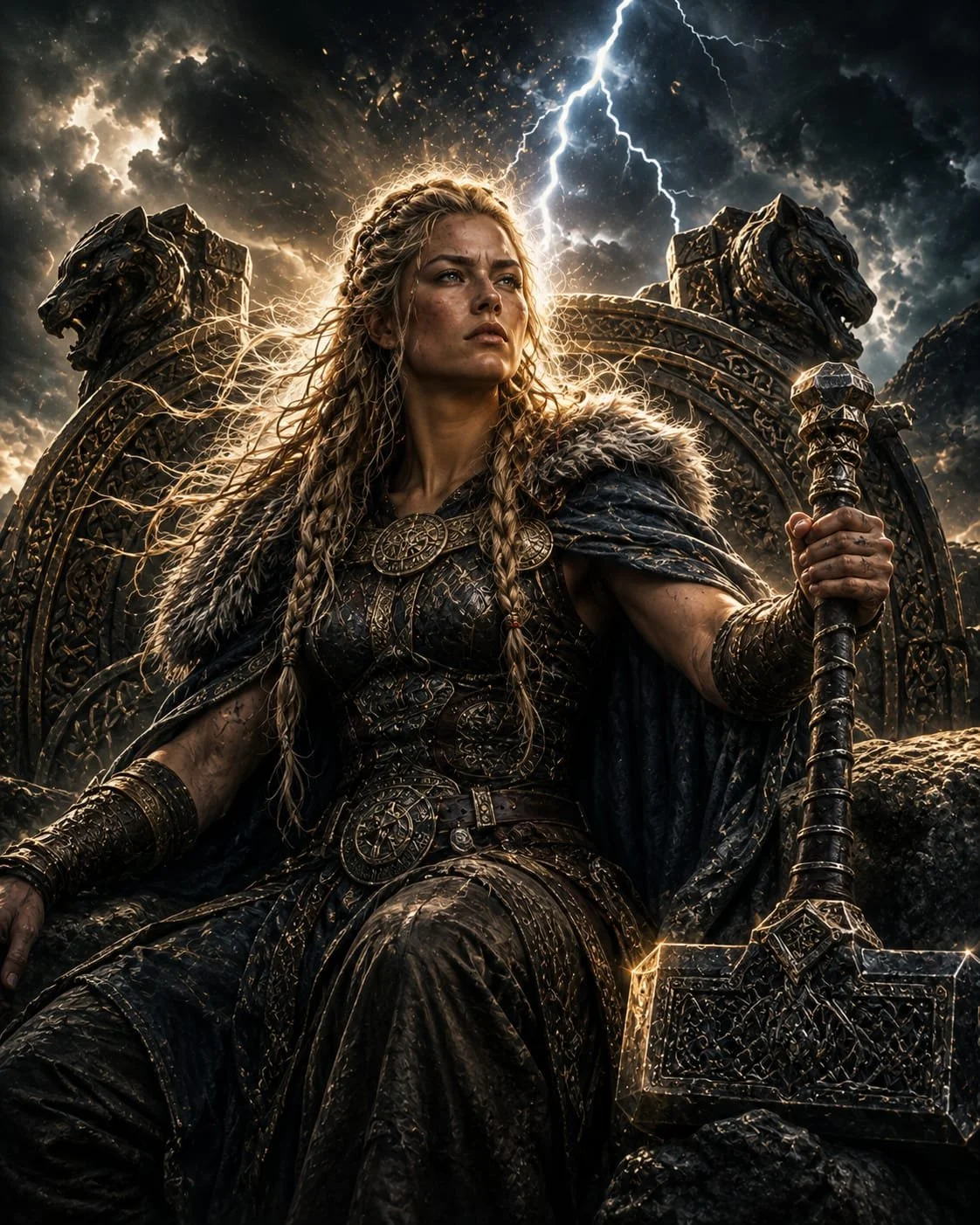
Þrúðr: The Strength That Was Never Given a Story
Who was Þrúðr, the mysterious daughter of Thor and Sif? Explore the surviving Norse sources, her connection to Alvíssmál, the valkyries and Hrungnir, and what the fragments reveal about a figure whose name means strength, yet whose story was almost entirely lost.
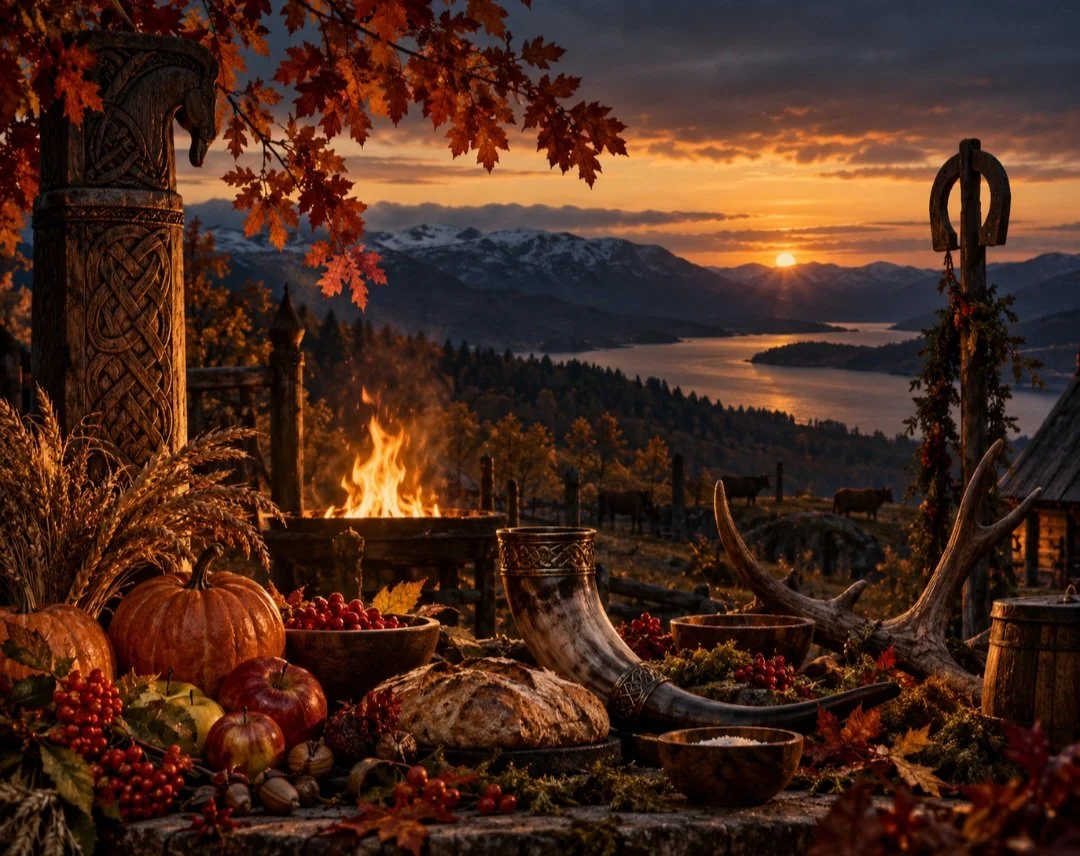
Haustblót - The Autumn Sacrifice and the Coming of Winter
Haustblót was more than a simple Norse harvest festival. Attested in Old Norse literature, the autumn sacrifice belonged to the transition into winter, a time of feasting, offering, preparation and concern for the fruitful year ahead. In this in-depth guide, we examine what the sources actually tell us about Haustblót, its connection with Freyr, Vetrnætr and til árs, what remains uncertain, and how modern Norse Pagans can reconstruct the observance without presenting modern practice as ancient fact.
Did the Norse Actually have 9 realms?
Did the Norse actually believe in Nine Realms? Explore what the Poetic Edda and Prose Edda really say about níu heimar, Yggdrasill and the worlds of Norse cosmology, and discover why the familiar modern list of Nine Realms is more complicated than it appears.
When is Haustblót?
When was Haustblót actually celebrated? Explore the historical evidence behind the Norse autumn blót, its connection to harvest, Vetrnætr and the coming of winter, and why modern September dates differ from historically informed reconstructions.
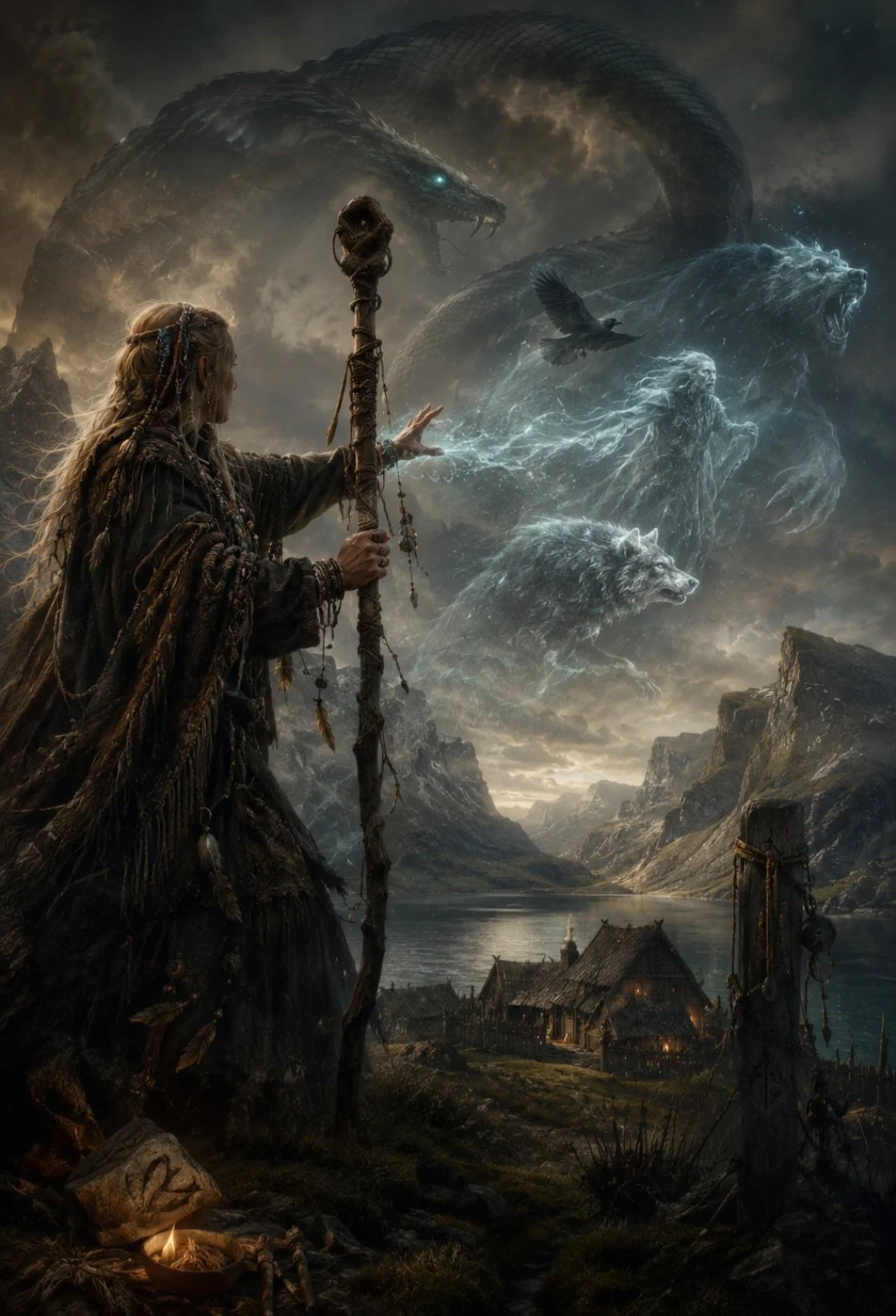
Gandr: When Magic Was Sent Forth in the Old Norse World
Gandr is one of the most difficult concepts in Old Norse magic to translate. Was it a magical staff, a spirit, a supernatural being, or something sent forth by a practitioner? By following the word through medieval literature, linguistics and scholarship, we uncover a strange world in which magical agency could travel, take form and act far beyond the person who wielded it.
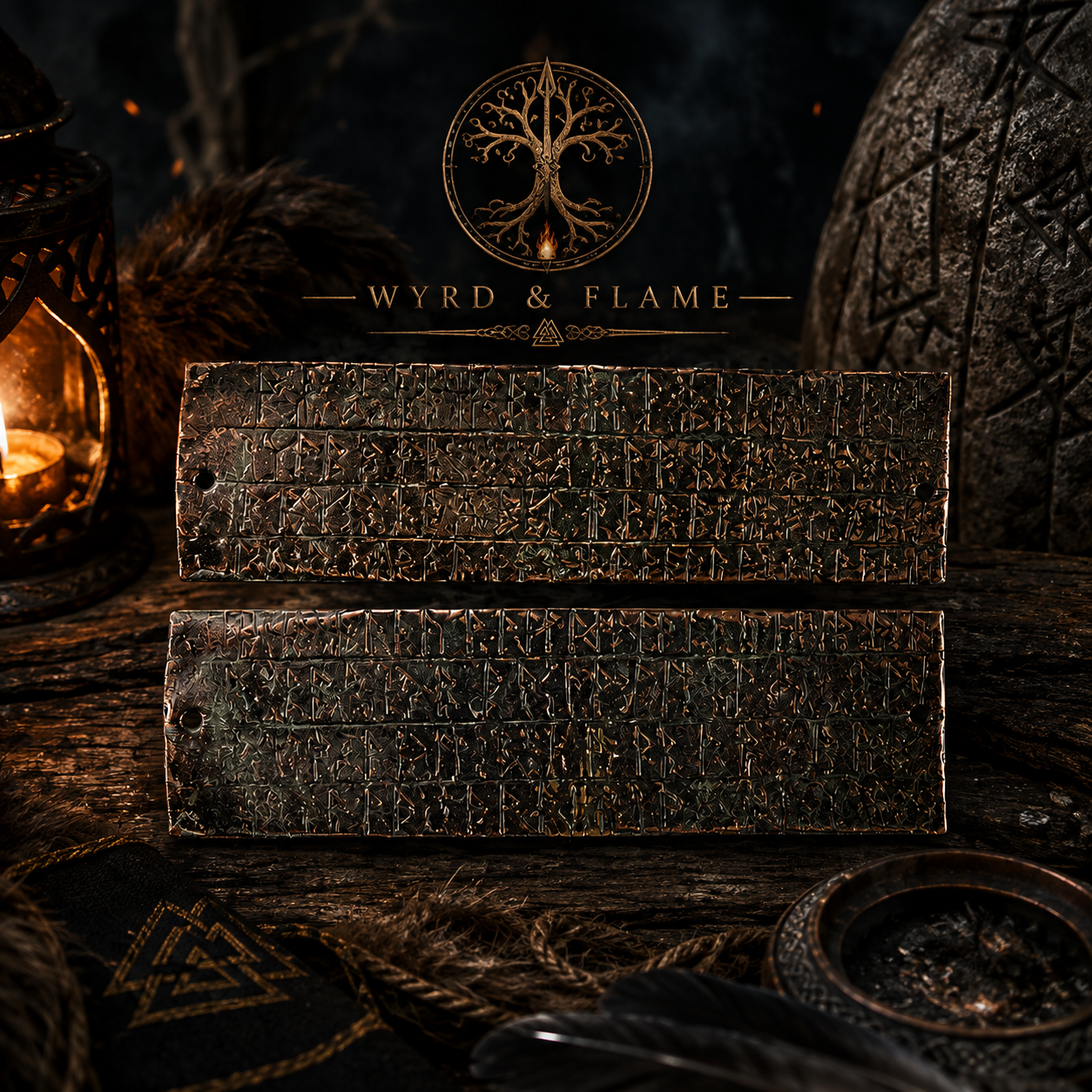
The Sigtuna Healing Charm - Historic Norse magic
What did a real Norse spell actually look like? The Sigtuna Amulet I preserves a remarkable 11th-century runic healing charm intended to confront and drive away sickness. Far removed from modern bindrunes and invented “Viking spells,” this small copper plate offers a rare glimpse into the magical practices and supernatural beliefs of medieval Scandinavia.
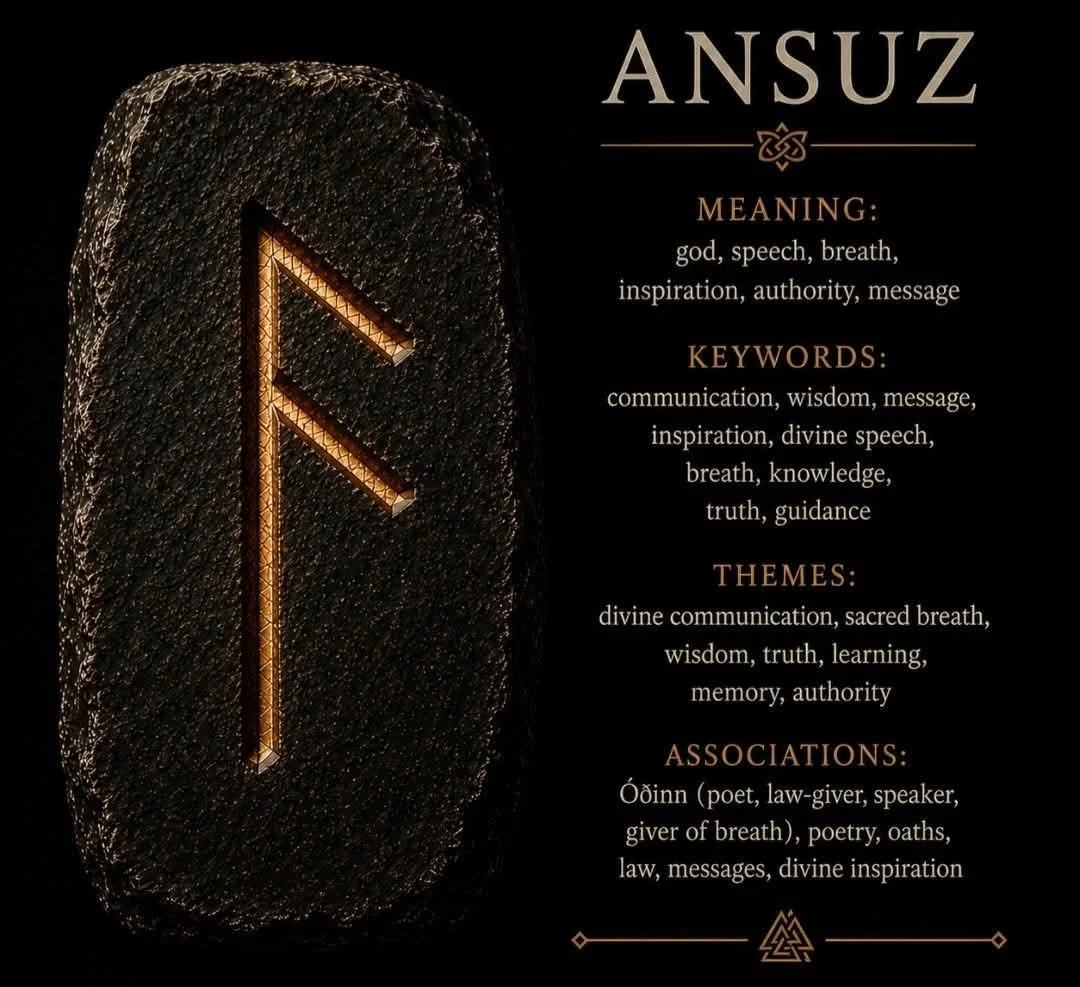
Ansuz Rune Meaning: History, Symbolism, Divination & rune magic
Ansuz (ᚨ) is the fourth rune of the Elder Futhark, rooted in the Proto-Germanic ansuz, meaning “god” or “divine being.” Closely associated with divine authority, speech, breath, wisdom and inspiration, Ansuz explores the extraordinary power words held within early Germanic and Norse culture. From the surviving rune poems and archaeological evidence to Odin, sacred speech, divination and modern rune practice, this in-depth guide examines the history and evolving symbolism of one of the Elder Futhark’s most fascinating runes.
Seiðr Craft - Chapter 27: Learning to Carry What You Are Given
Receiving is only the beginning. The deeper challenge is learning how to carry what remains afterwards. Chapter 27 of Seiðr Craft explores the weight of knowledge, the difference between receiving and possessing, knowing when to speak or remain silent, respecting the boundaries of others, and recognising when something was never yours to keep. Because the measure of a practitioner is not simply what they can receive - but how responsibly they carry it.
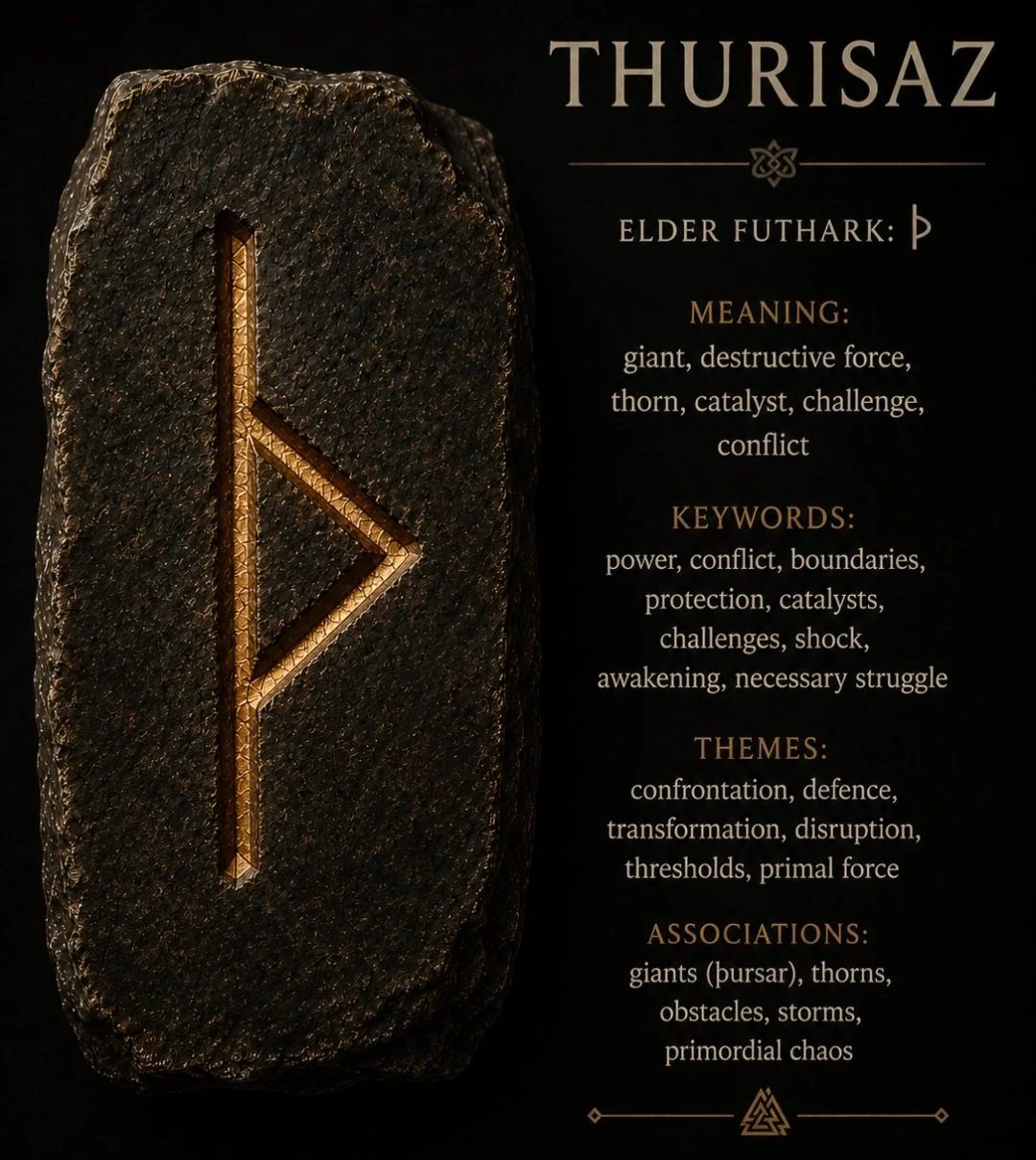
Thurisaz Rune Meaning: History, Giants, Symbolism, Divination & Norse Rune Magic
Discover the true meaning of Thurisaz, the third rune of the Elder Futhark. Explore its connections to giants, the thorn, chaos, protection, challenge, Norse mythology, rune poems, archaeology, divination, seiðr, galdr, bindrunes, and modern rune magic.
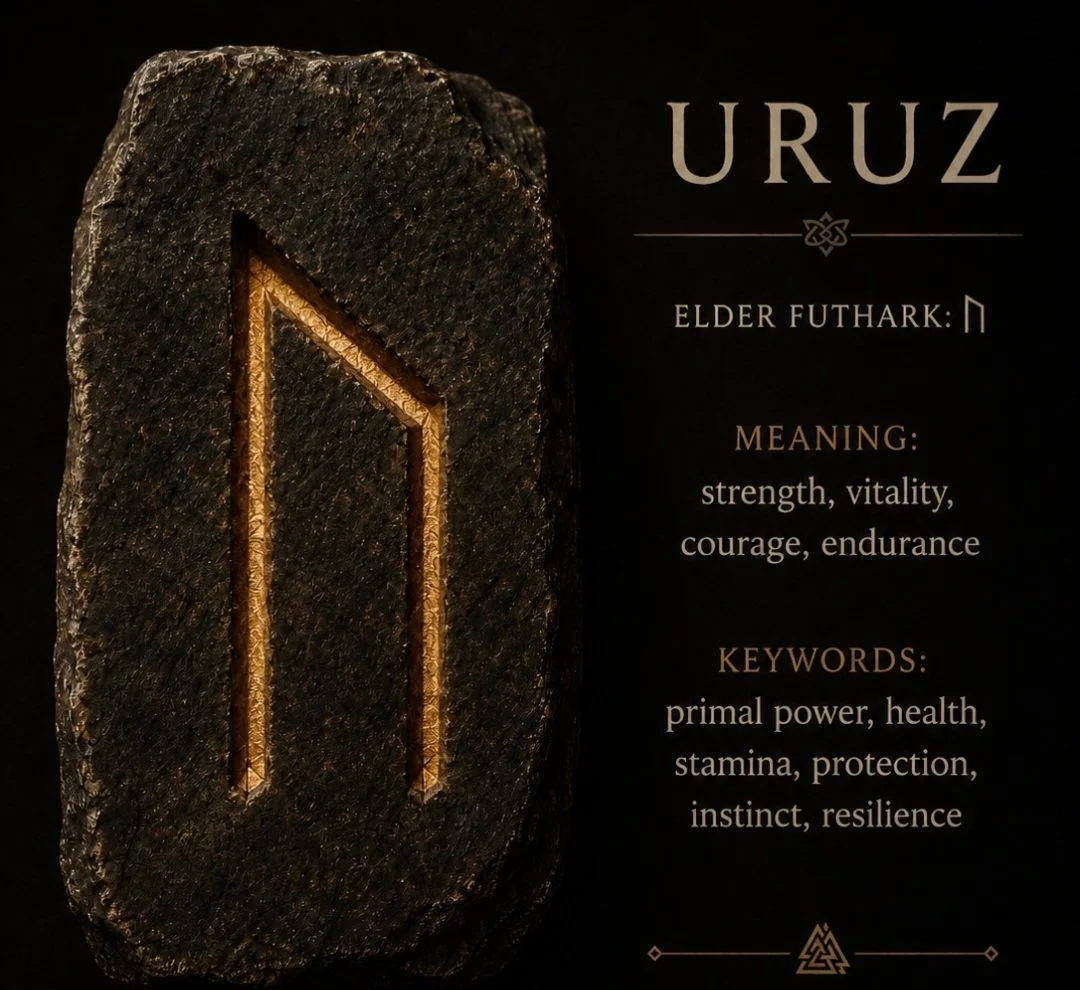
Uruz Rune Meaning: History, Symbolism, Divination & Norse Rune Magic
Explore Uruz, the second rune of the Elder Futhark, meaning aurochs, primal strength, vitality, endurance, and raw power. Learn its historical roots, rune poems, archaeological evidence, mythological connections, divination meanings, seiðr, galdr, bindrunes, and modern magical uses.
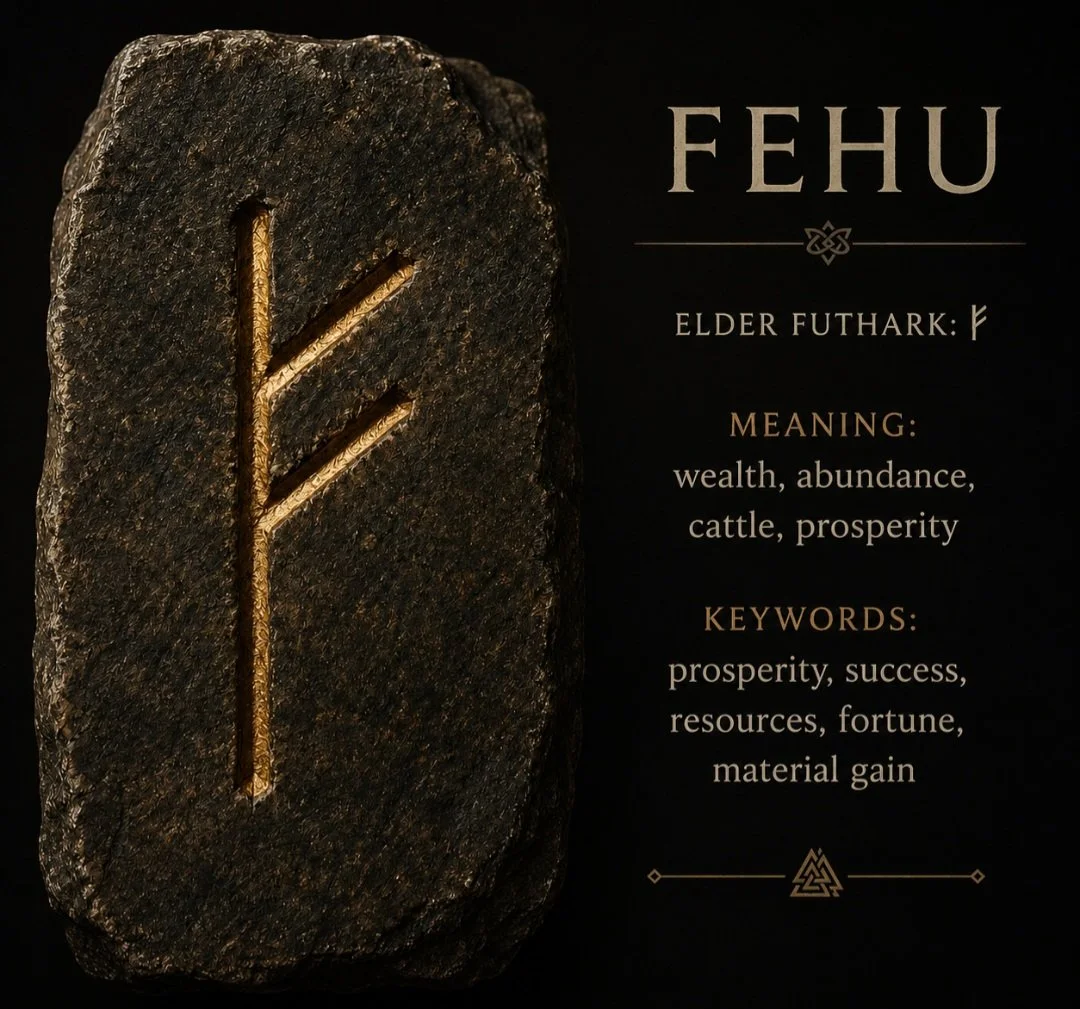
Fehu Rune Meaning: History, Symbolism, Archaeology, Divination & Norse Mythology
Discover the complete meaning of Fehu, the first rune of the Elder Futhark. Explore its historical origins, rune poems, archaeological evidence, Norse mythology, symbolism, divination meanings, magical uses, and the role of wealth, prosperity, and responsibility in the ancient Germanic world.
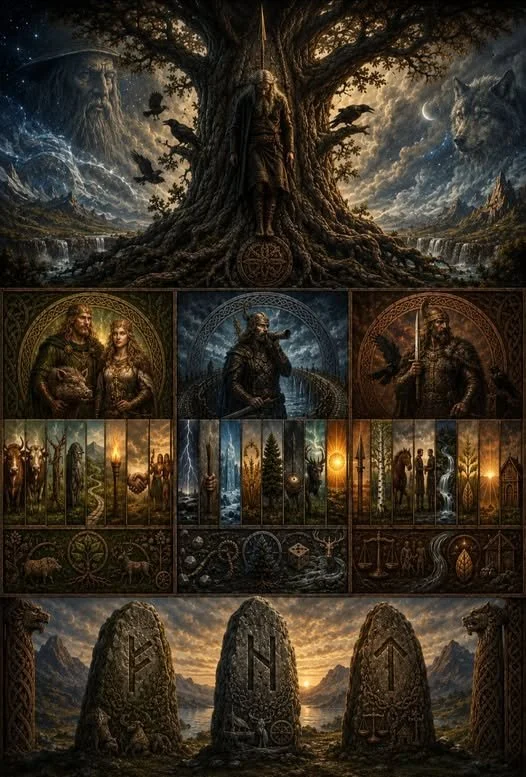
The Three Ættir of the Elder Futhark: History, Meaning, and Modern Interpretation
The twenty-four runes of the Elder Futhark are traditionally divided into three groups of eight known as ættir, yet no surviving Norse source explains why this division exists. In this first chapter of the Runic Series, we explore the historical evidence behind the ættir, their function as a mnemonic system, and the many modern interpretations that have developed around them. Discover the symbolism of the First, Second, and Third Ætt, examine their proposed associations with Freyr, Freyja, Heimdall, and Tyr, and learn where history ends and contemporary rune lore begins. Whether you are beginning your study of the Elder Futhark or seeking a deeper understanding of its structure, this chapter provides the essential foundation for the journey ahead.
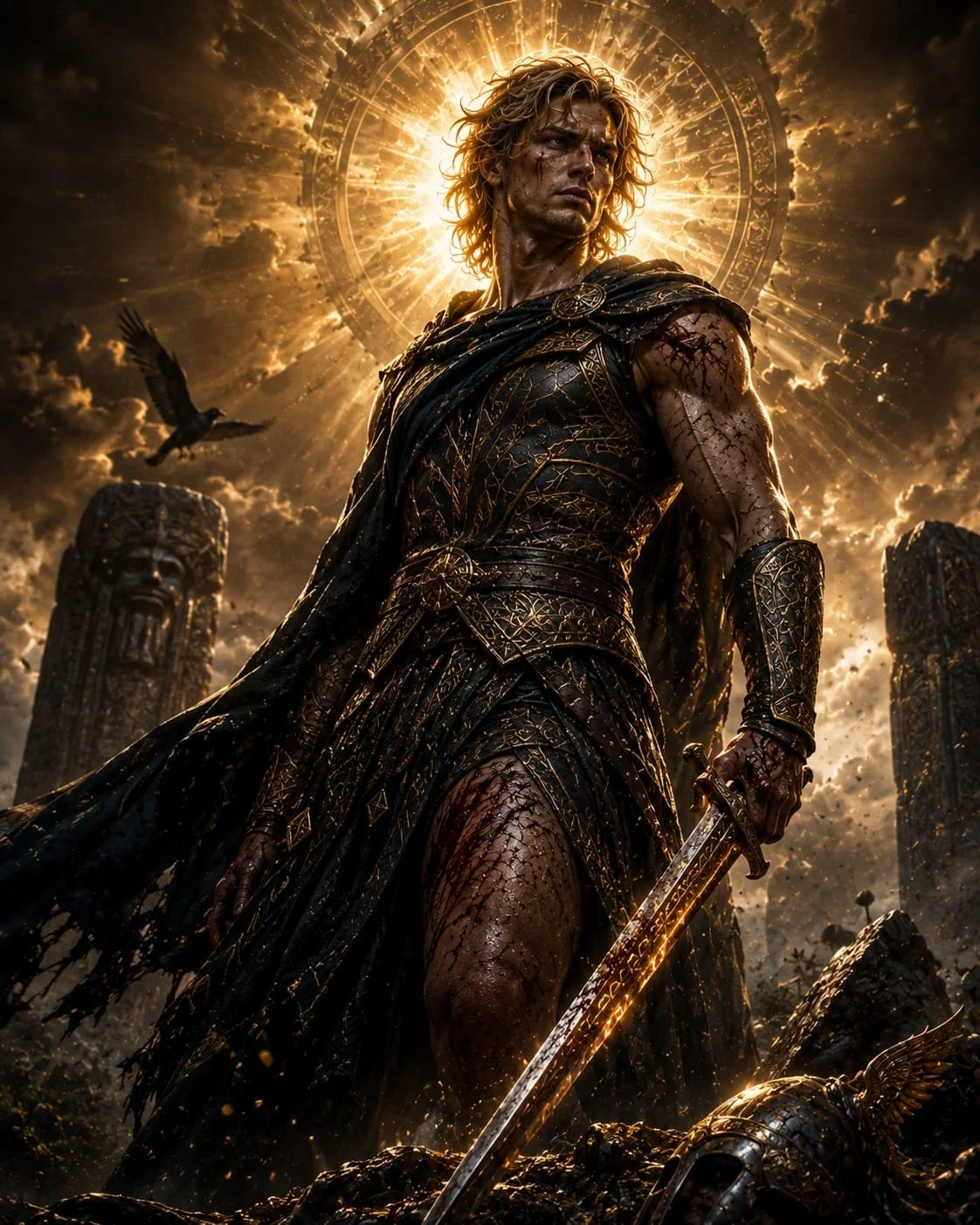
Váli: The Silent Arrow of Retribution
Among the gods of Norse mythology, few are as enigmatic and unsettling as Váli. Born in a single night for one purpose alone (to avenge the death of Baldr) he stands apart from the other Æsir as a living embodiment of consequence itself. Neither driven by rage nor consumed by cruelty, Váli represents the inevitable answer to actions already set in motion. This exploration examines his mythology, symbolism, relationship to wyrd, divine vengeance, accountability, and why he survives Ragnarök as a lasting reminder that no deed, oath, or betrayal truly escapes the memory of the cosmos.
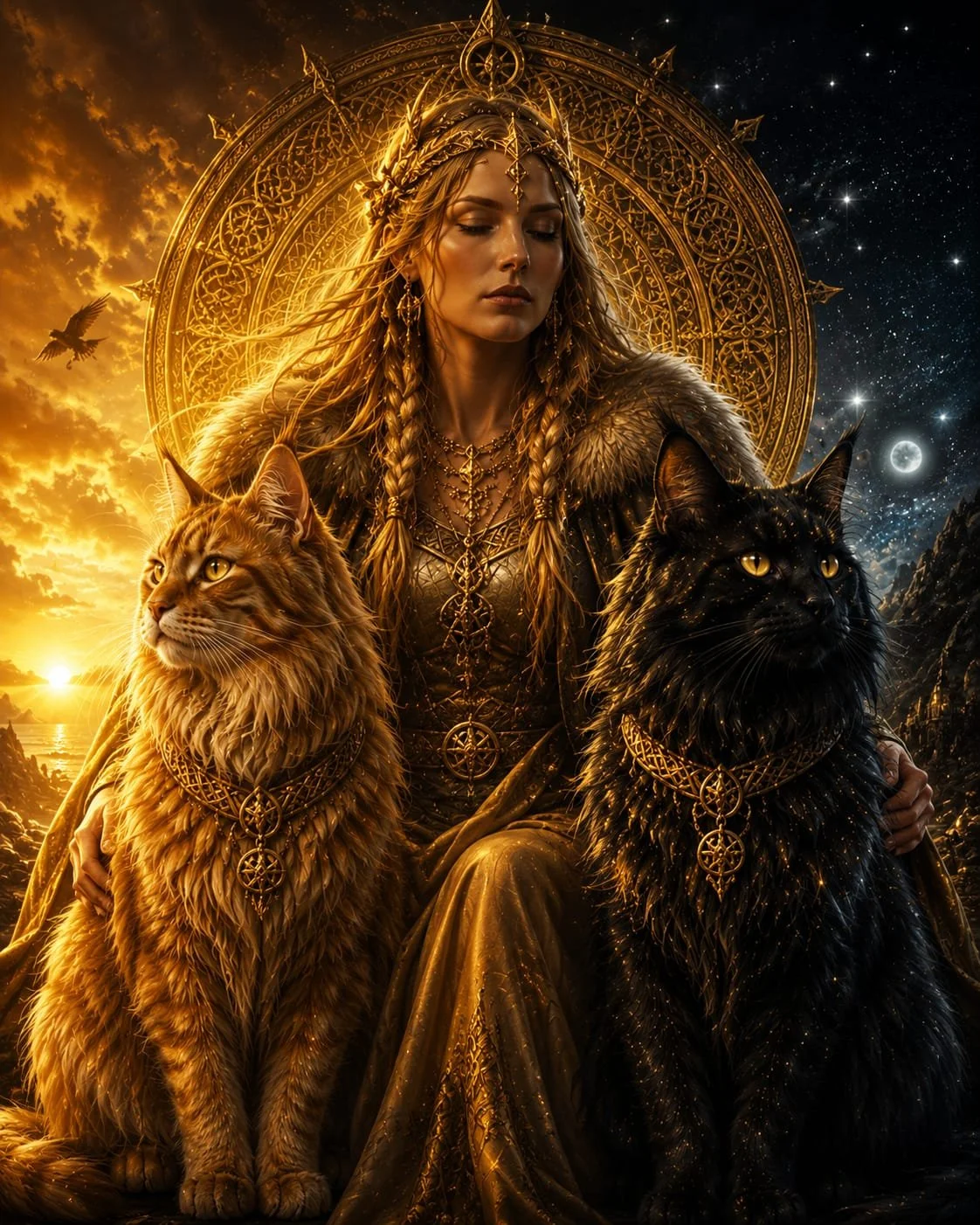
Bygul and Trjegul: The Cats Who Pulled the Chariot of Freyja
Among the many creatures of Norse mythology, few are as intriguing as Bygul and Trjegul, the two cats who draw the chariot of Freyja. Far more than companions, they represent balance, movement, traction, and the relationship between power and partnership. As Freyja journeys between realms as goddess of love, war, fertility, and seiðr, her feline companions serve as the forces that transform divine intention into meaningful motion. This exploration examines their mythological significance, symbolic meanings, connections to Norse cosmology, and the deeper lessons they offer about change, support, and the sacred act of moving forward.
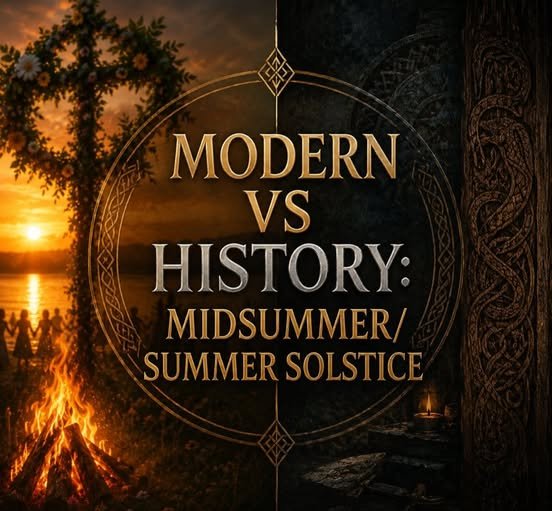
Modern vs History - Midsummer
Midsummer has become one of the most popular celebrations in modern Norse Paganism, but was it actually observed by the Vikings? This in-depth guide examines the historical sources, including Ynglinga saga, the Old Norse calendar, and surviving accounts of heathen holy tides, to separate documented history from modern reconstruction. Discover why Sigrblót is often confused with Midsummer, how the Norse understood the seasons, and why today's Summer Solstice celebrations are best understood as a meaningful modern observance inspired by ancient traditions rather than a clearly attested Viking Age festival.
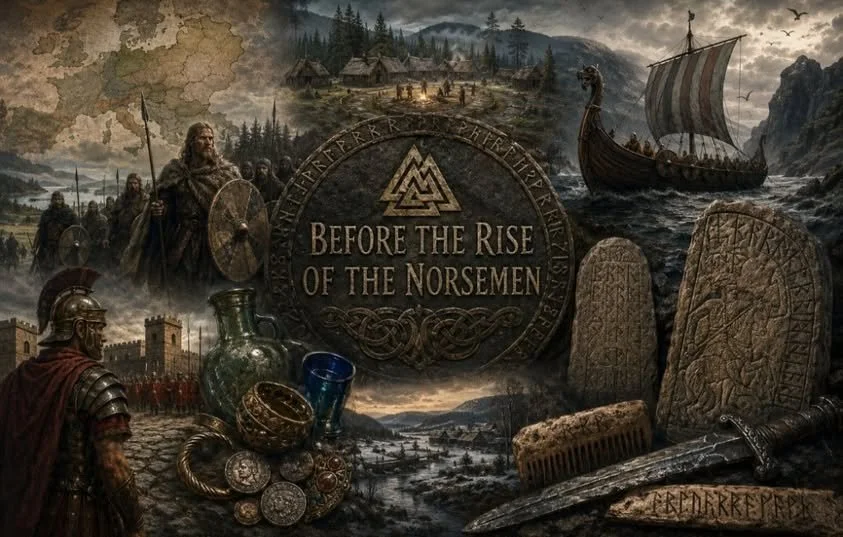
Before the rise of the Norseman - Runic History
Long before the Viking Age, the ancestors of the Norse developed one of Europe's most distinctive writing systems - the runes. This in-depth guide traces the origins of the Elder Futhark from its emergence during the Roman Iron Age through the Migration Period, examining how contact with Rome, linguistic change, and centuries of cultural development shaped the runic tradition. Discover the transition from the Elder to the Younger Futhark, the archaeological evidence behind the earliest inscriptions, and the historical realities behind one of the most enduring symbols of the ancient Germanic world.
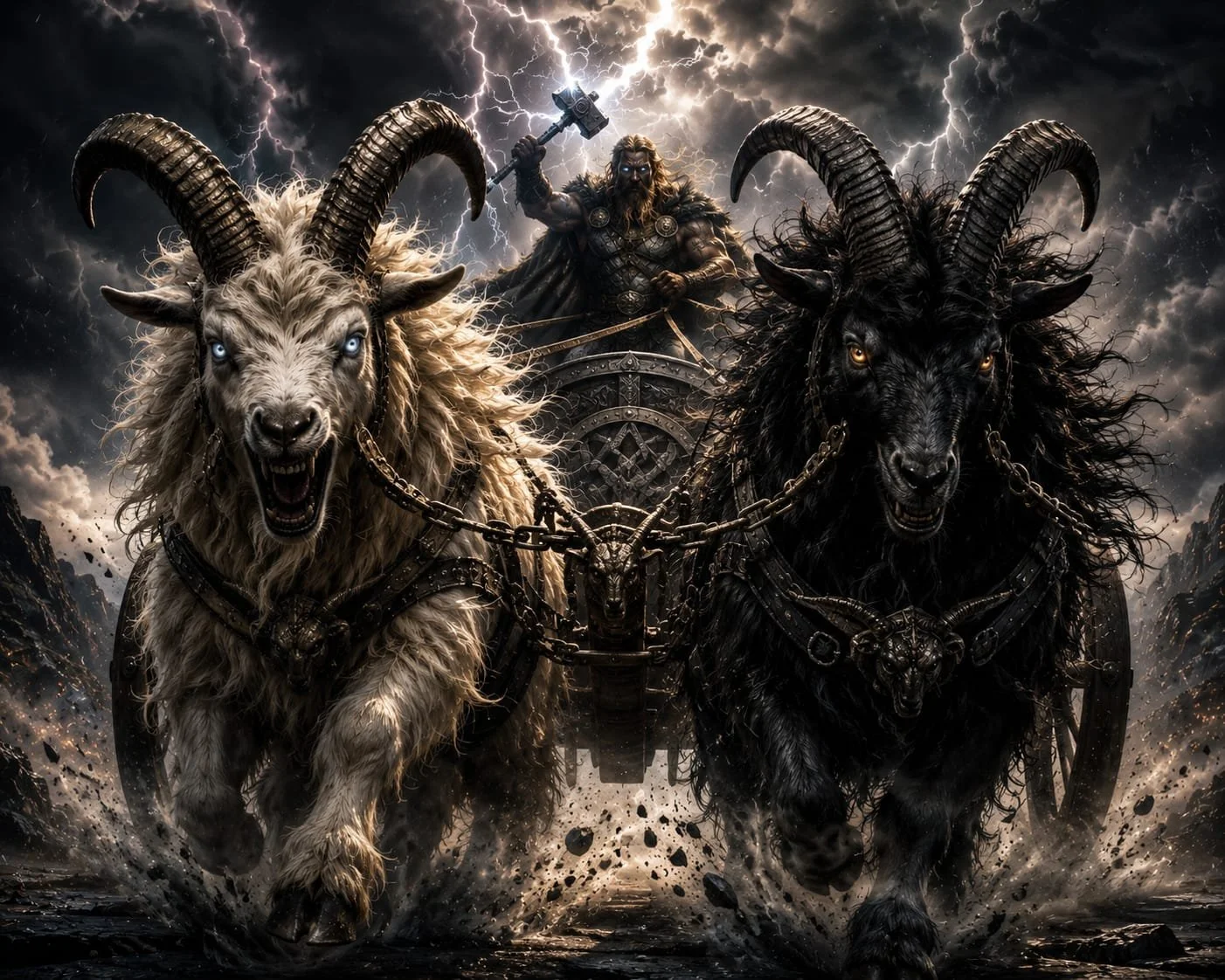
Tanngrisnir and Tanngnjóstr: The Goats Who Are Eaten and Return
Tanngrisnir and Tanngnjóstr are among the most unusual beings in Norse mythology. As the goats who draw Thor’s thunderous chariot, they embody a profound cosmic cycle of movement, consumption, death, and restoration. Slaughtered and eaten before being brought back to life through the power of Mjölnir, they reveal a deeper truth within Norse cosmology: that continuation requires renewal, and renewal often requires sacrifice. This exploration examines their mythological role, symbolic meanings, ritual significance, and what their endless cycle can teach us about endurance, transformation, and the necessity of change.
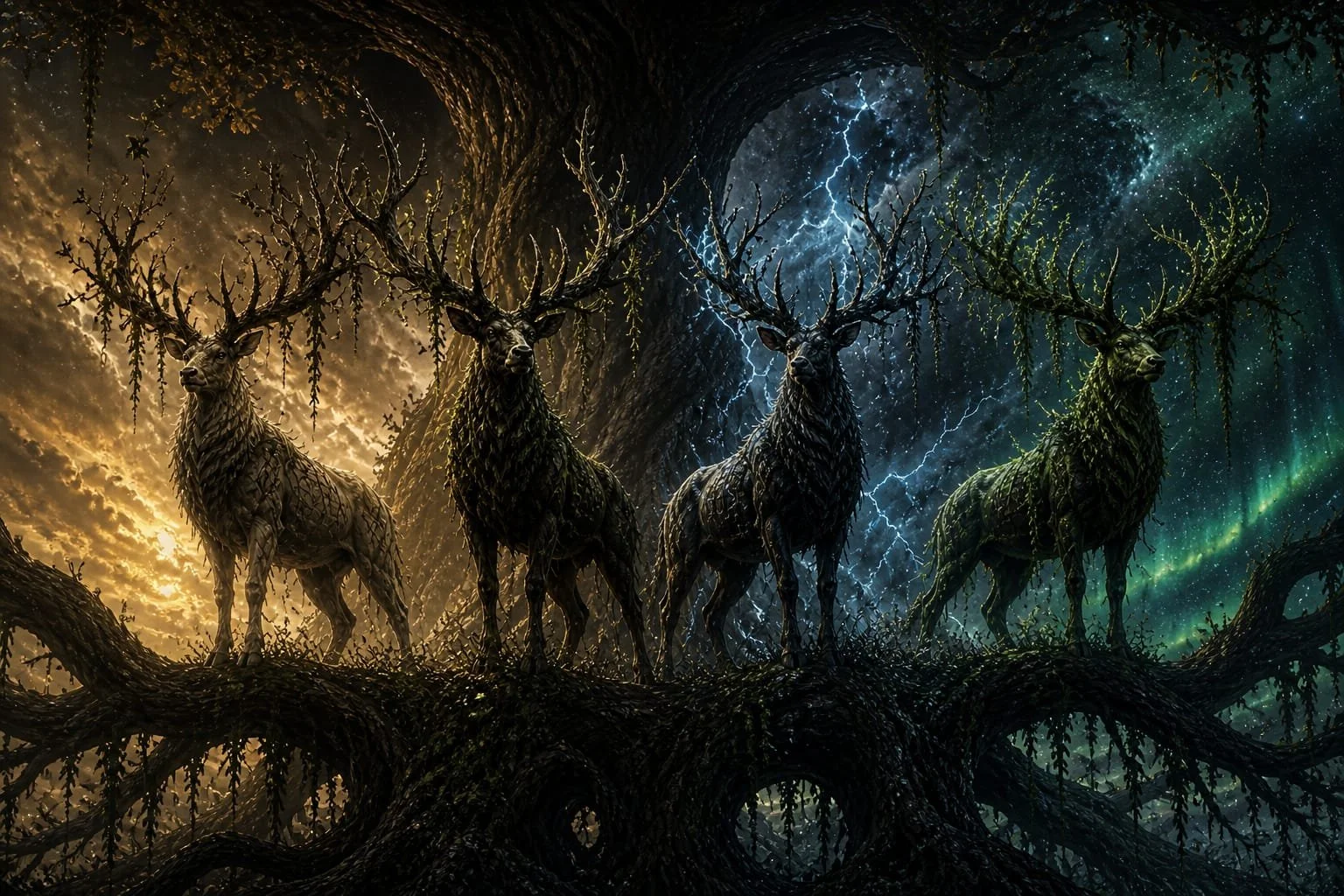
Dáinn, Dvalinn, Duneyrr, and Duraþrór: The Stags Who Feed the World
The four stags of Yggdrasil (Dáinn, Dvalinn, Duneyrr, and Duraþrór) are among the most overlooked beings in Norse mythology. Forever grazing upon the branches of the World Tree, they embody a profound truth at the heart of Norse cosmology: that growth cannot exist without limitation, and renewal cannot occur without loss. This exploration examines their mythological role, symbolic meanings, connections to ritual practice, and the enduring lessons they offer about balance, resilience, and the maintenance of existence itself.
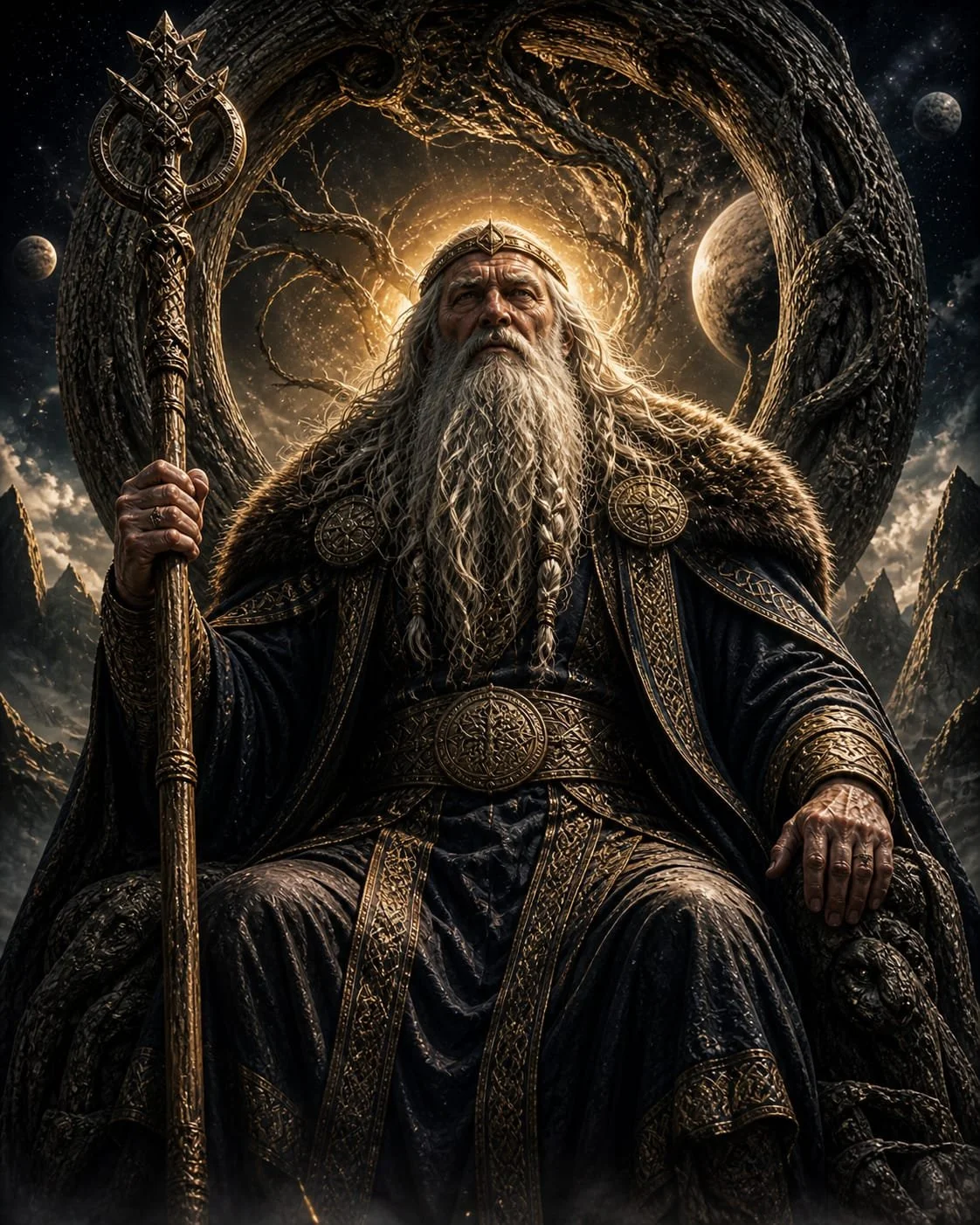
Borr: The Father Who Stands Before the Story
Borr is one of the quietest yet most essential figures in Norse cosmology. Though scarcely mentioned in surviving myths, he stands at the threshold between origin and creation - the father of Odin, Vili, and Vé, and the unseen continuity that allows the shaping of the cosmos to begin. This mythopoetic reflection explores Borr not as a forgotten god of action, but as the hidden foundation beneath all beginnings.
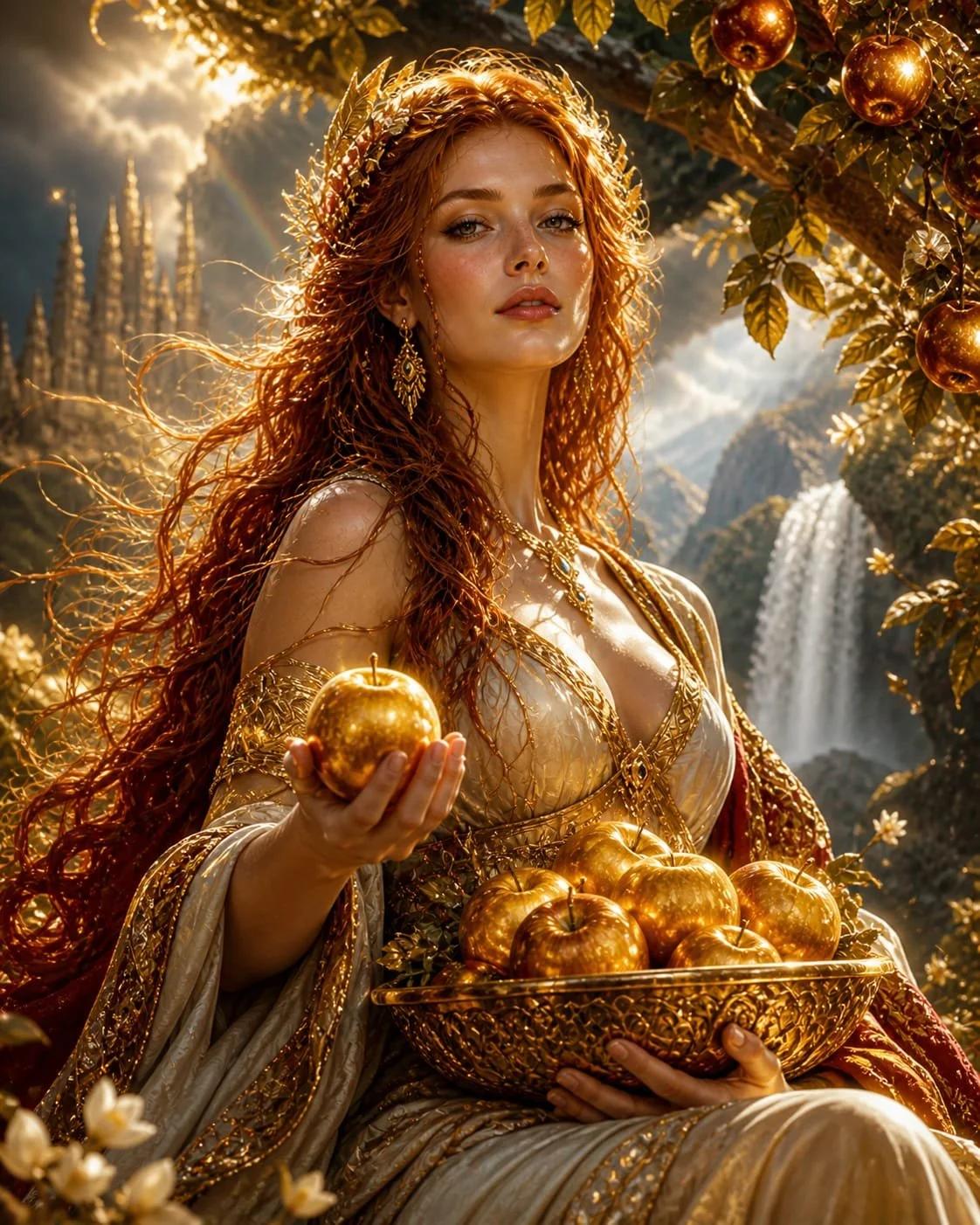
Iðunn: The Keeper of What Must Not Fade
Iðunn is not the warrior of the gods, but the reason the gods can continue at all. As keeper of the apples of renewal, she represents the quiet force of preservation within Norse cosmology - the unseen maintenance that keeps strength, vitality, and meaning from fading too soon. This deep mythopoetic reflection explores renewal not as immortality, but as the continual tending required for anything to endure.