

Wyrd & Flame Articles
The Wyrd & Flame blog gathers articles exploring Norse tradition, the Elder Futhark runic system, mythology, and the cultural world of the early Germanic peoples. These articles aim to provide clear and thoughtful exploration of northern traditions while maintaining awareness of the historical sources and cultural context behind them.
Across the blog you will find studies of the runes, discussions of Norse cosmology, mythological themes, folklore, and guides designed to help readers explore these subjects in greater depth.
Whether you are beginning your study of the runes or expanding your understanding of Norse tradition, the articles published here aim to provide structured knowledge that goes beyond surface explanations.
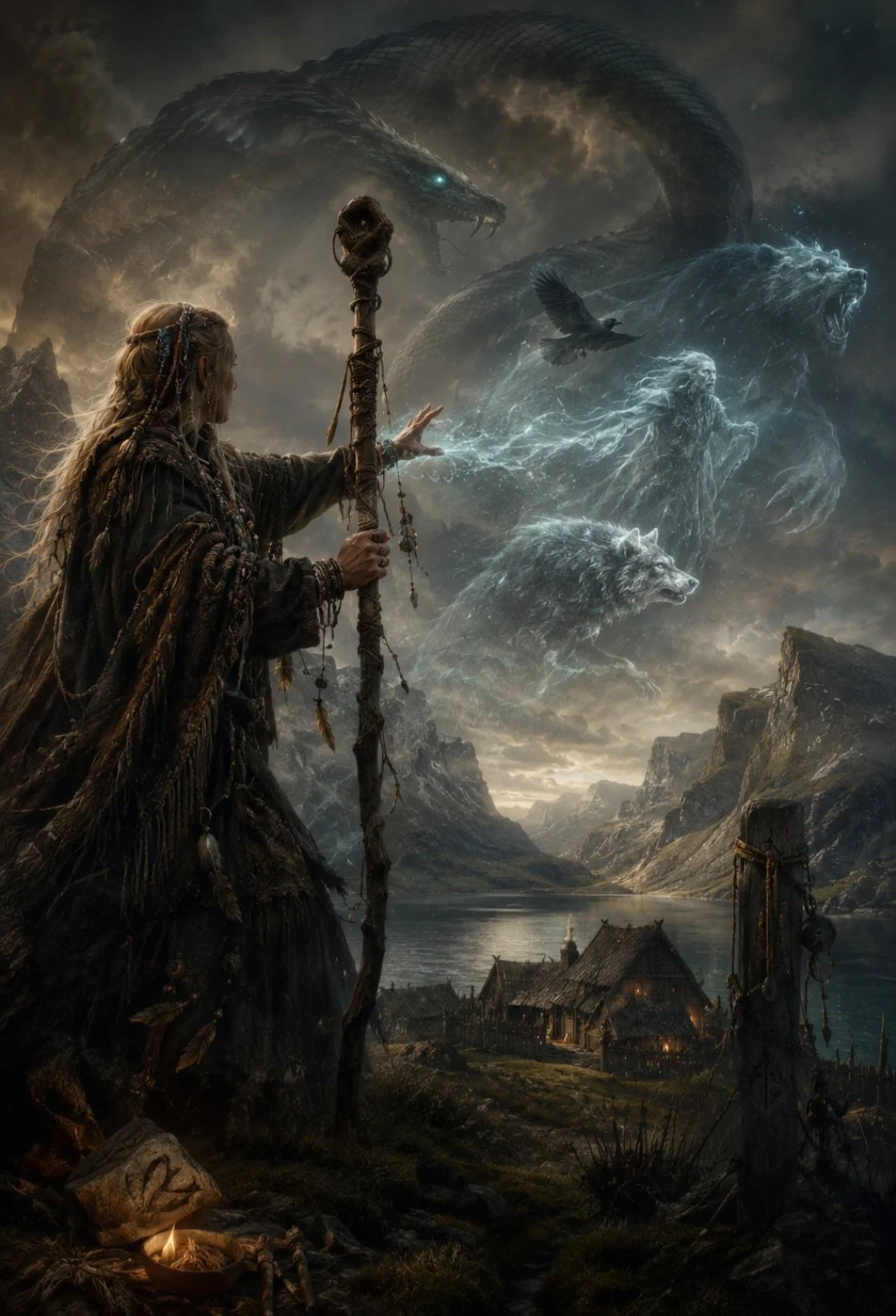
Gandr: When Magic Was Sent Forth in the Old Norse World
Gandr is one of the most difficult concepts in Old Norse magic to translate. Was it a magical staff, a spirit, a supernatural being, or something sent forth by a practitioner? By following the word through medieval literature, linguistics and scholarship, we uncover a strange world in which magical agency could travel, take form and act far beyond the person who wielded it.
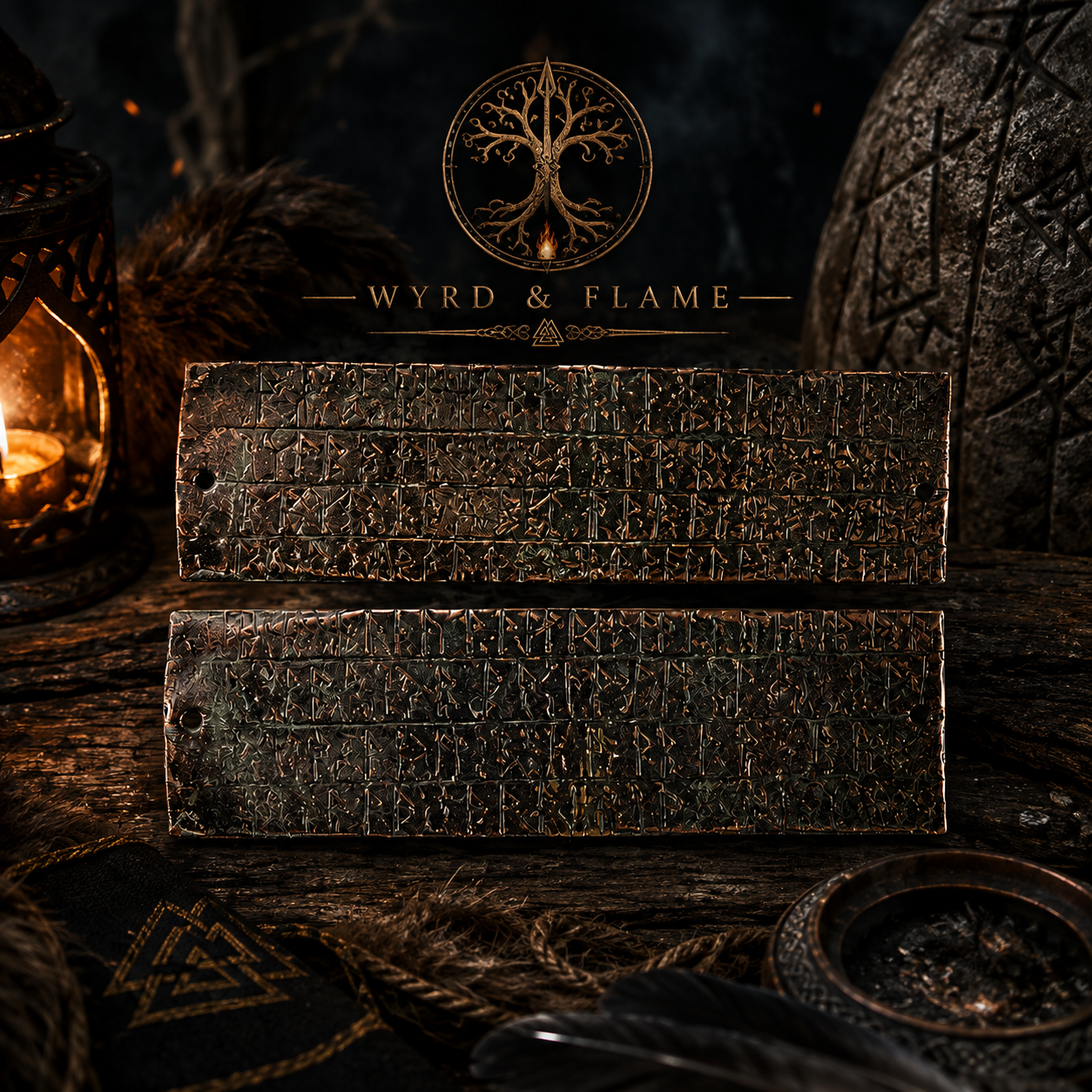
The Sigtuna Healing Charm - Historic Norse magic
What did a real Norse spell actually look like? The Sigtuna Amulet I preserves a remarkable 11th-century runic healing charm intended to confront and drive away sickness. Far removed from modern bindrunes and invented “Viking spells,” this small copper plate offers a rare glimpse into the magical practices and supernatural beliefs of medieval Scandinavia.
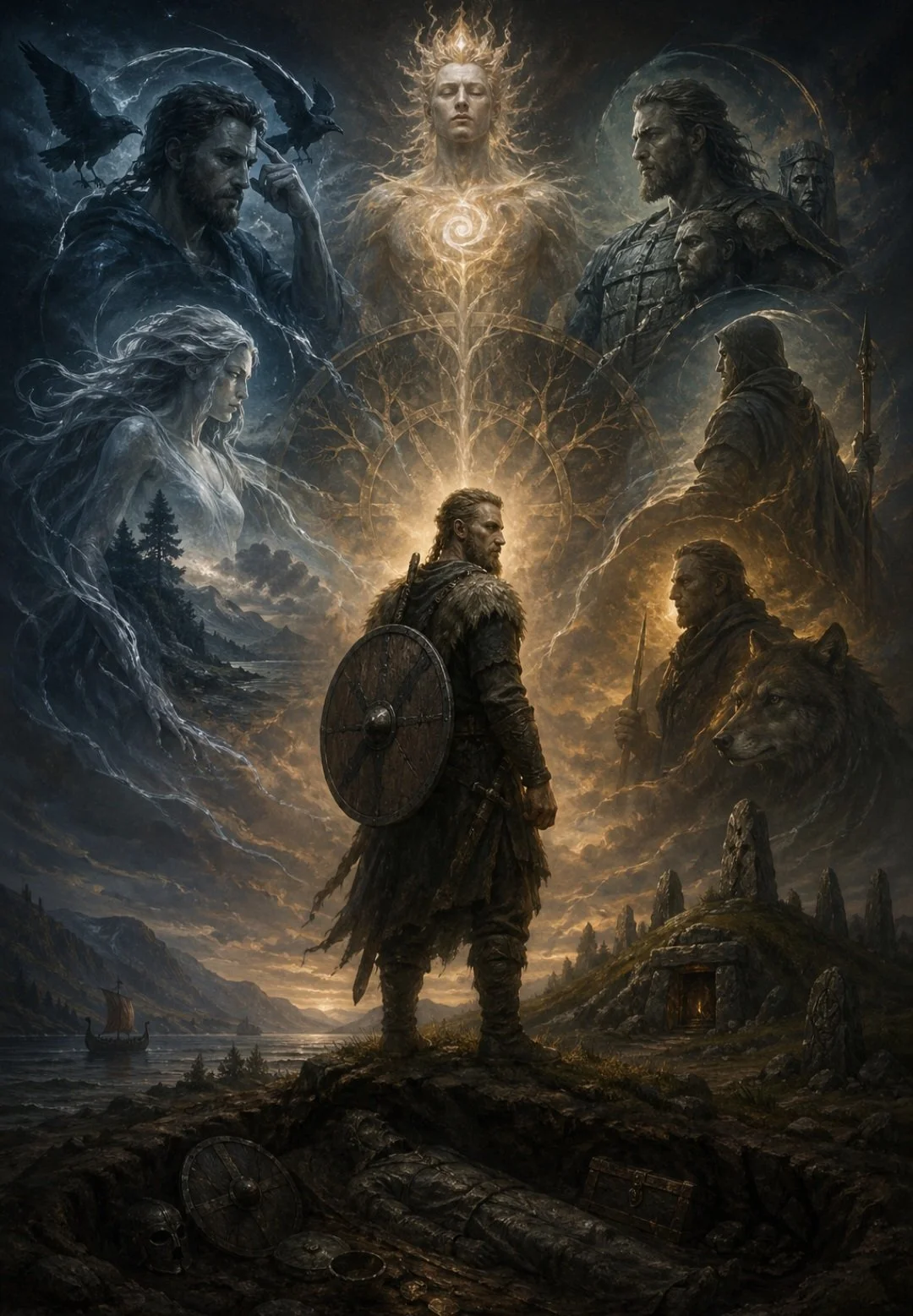
The Norse Soul Explained: Hugr, Fylgja, Hamingja and the Afterlife
Explore the Norse view of the soul as a layered structure of hugr, hamr, fylgja, hamingja and more. Learn how the self was understood in the Eddas and sagas, and what truly continues after death in Norse belief.
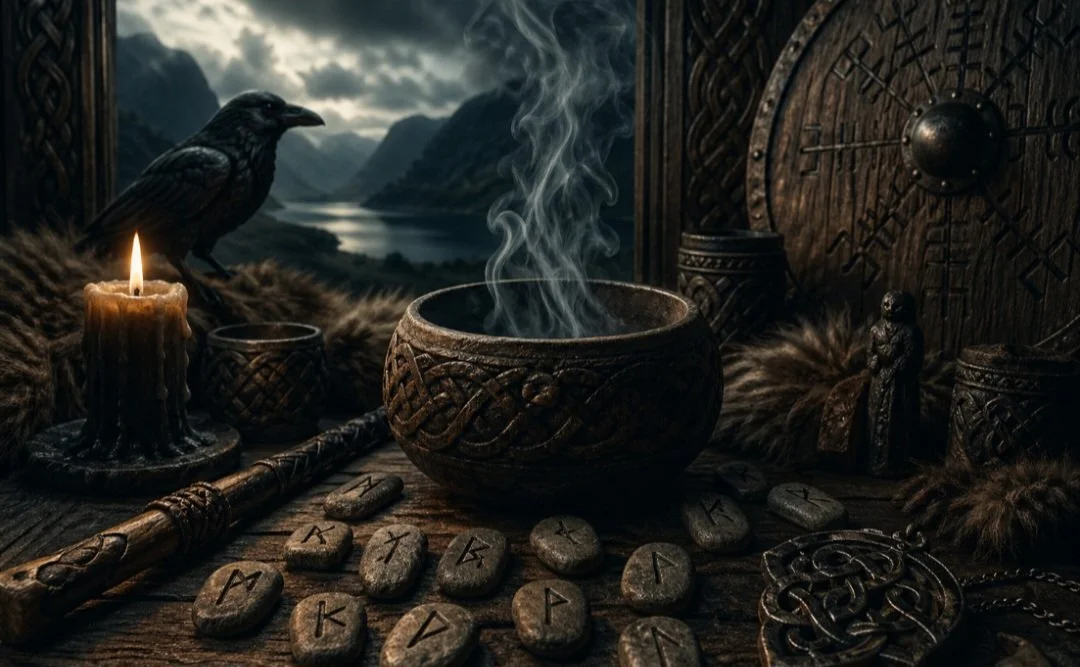
Galdr in Norse Tradition: History, Meaning, and the Power of Spoken Magic
Galdr is the power of spoken words in Norse tradition - chants, charms, and incantations used for protection, healing, and influence. This guide explores its history, sources, and how voice was used as force in the Viking Age.
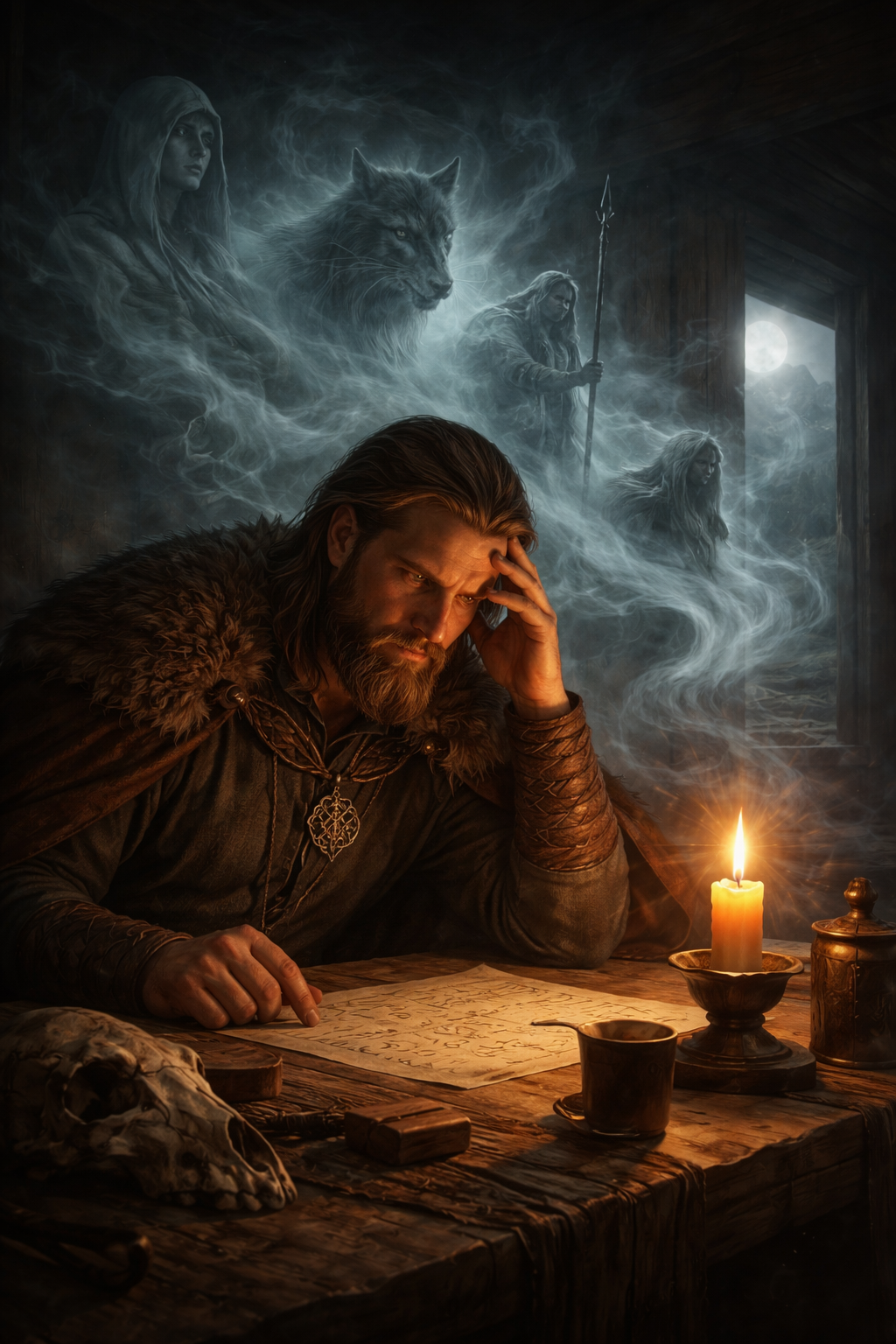
Draumr: What Dreams Really Meant in the Sagas and Eddas
Dreams are often treated as messages, signs, or something sent from outside. But the Norse sources show something very different. Draumr was not a system, not a method, and not something automatically meaningful. This piece explores what dreams actually were in Norse tradition, where they appear in the sources, and why most modern interpretations miss the mark.
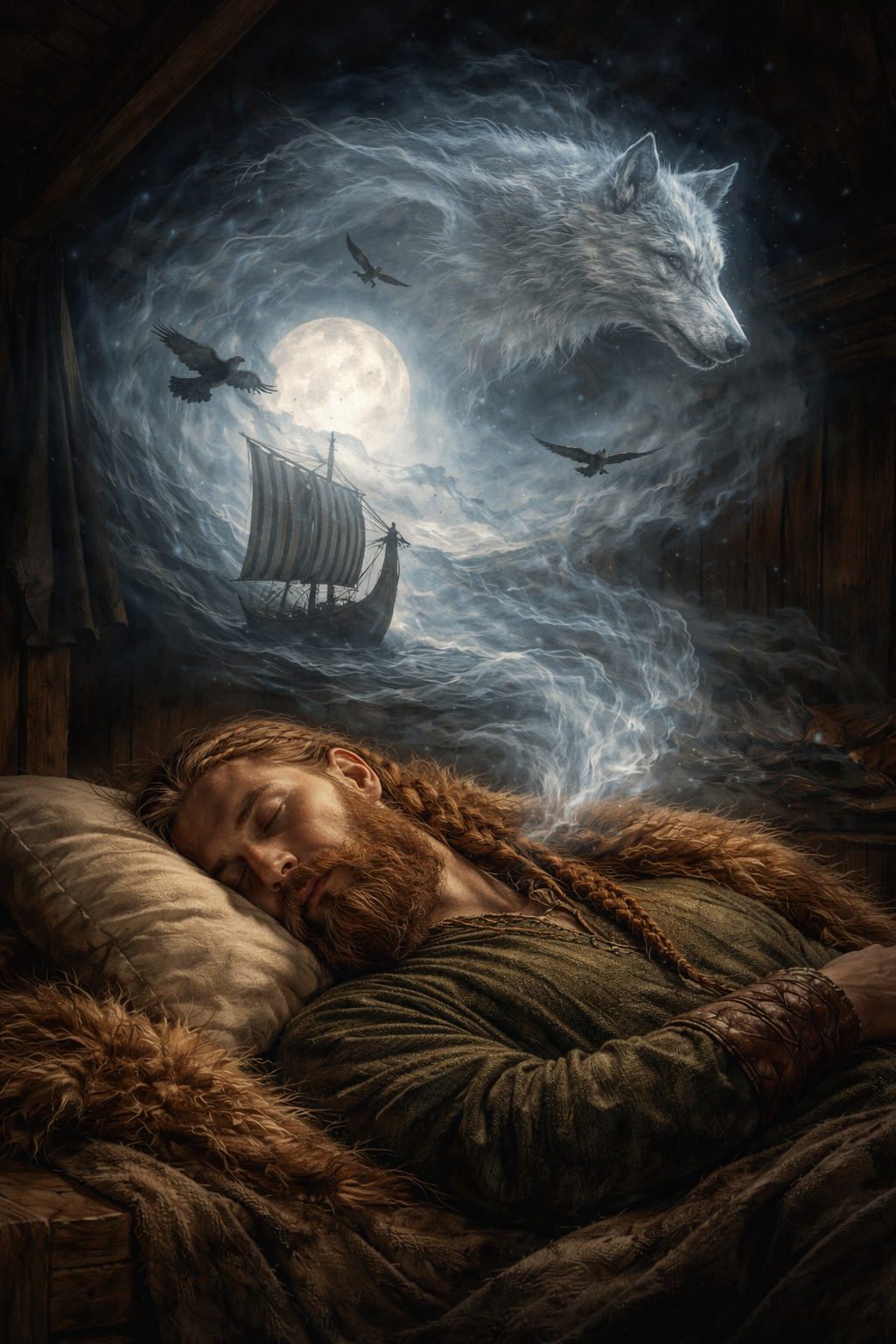
Draumr - Why Not Every Dream Is a Sign
Not every dream is a sign. In Norse thought, draumr is shaped by the self, especially the hugr, and not all dreams come from the gods. This blog breaks down what the sources actually show, where people go wrong, and how to understand dreams without assumption.
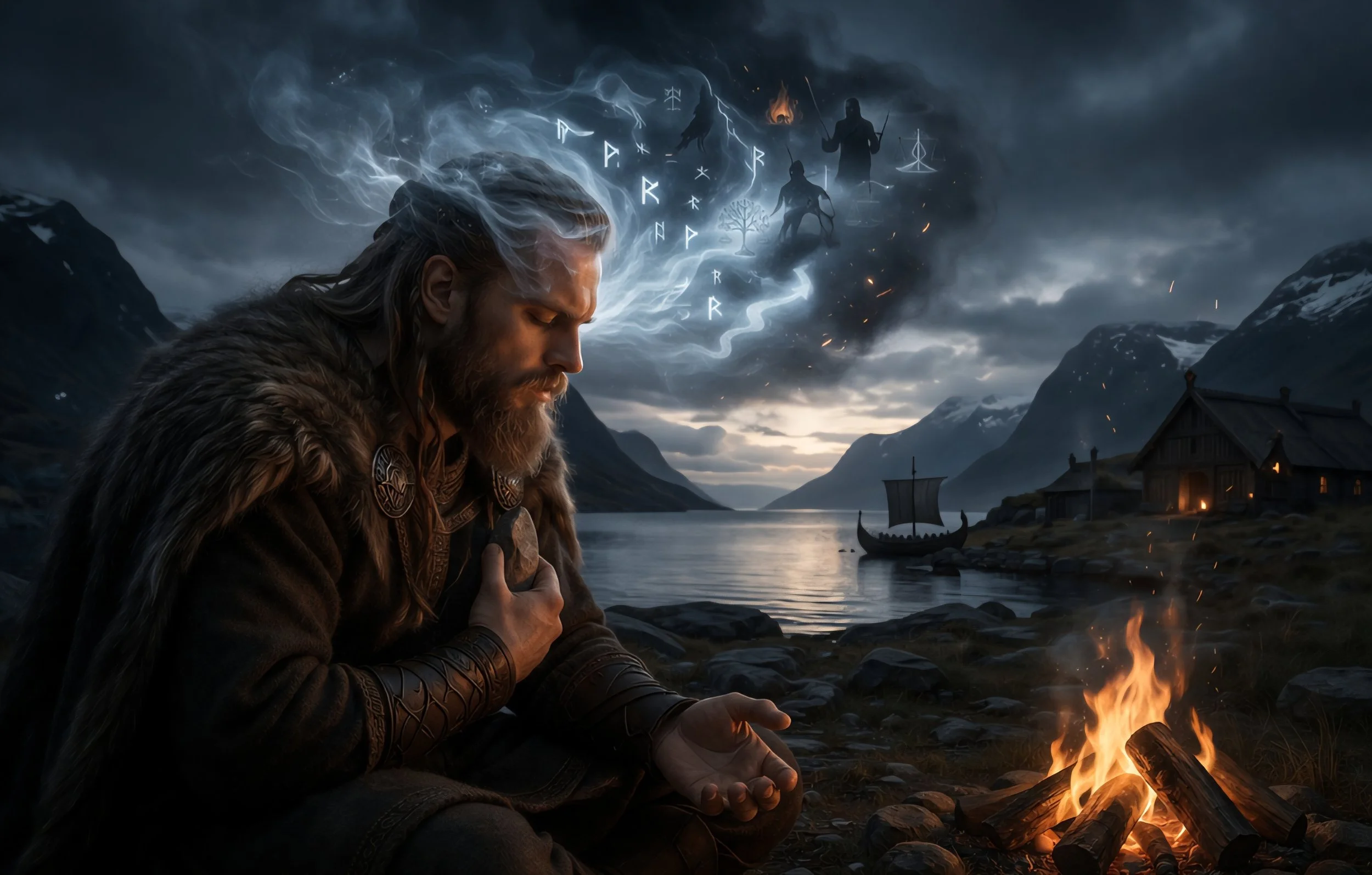
Hugr in Norse Thought: Mind, Will, and Inner State Explained
Hugr is more than “the mind” in Norse thought. It is will, intention, mood, and the inner state that shapes how a person acts and is judged. This piece breaks down what hugr really is, how it appears in the sources, and why it sits at the centre of responsibility and behaviour.
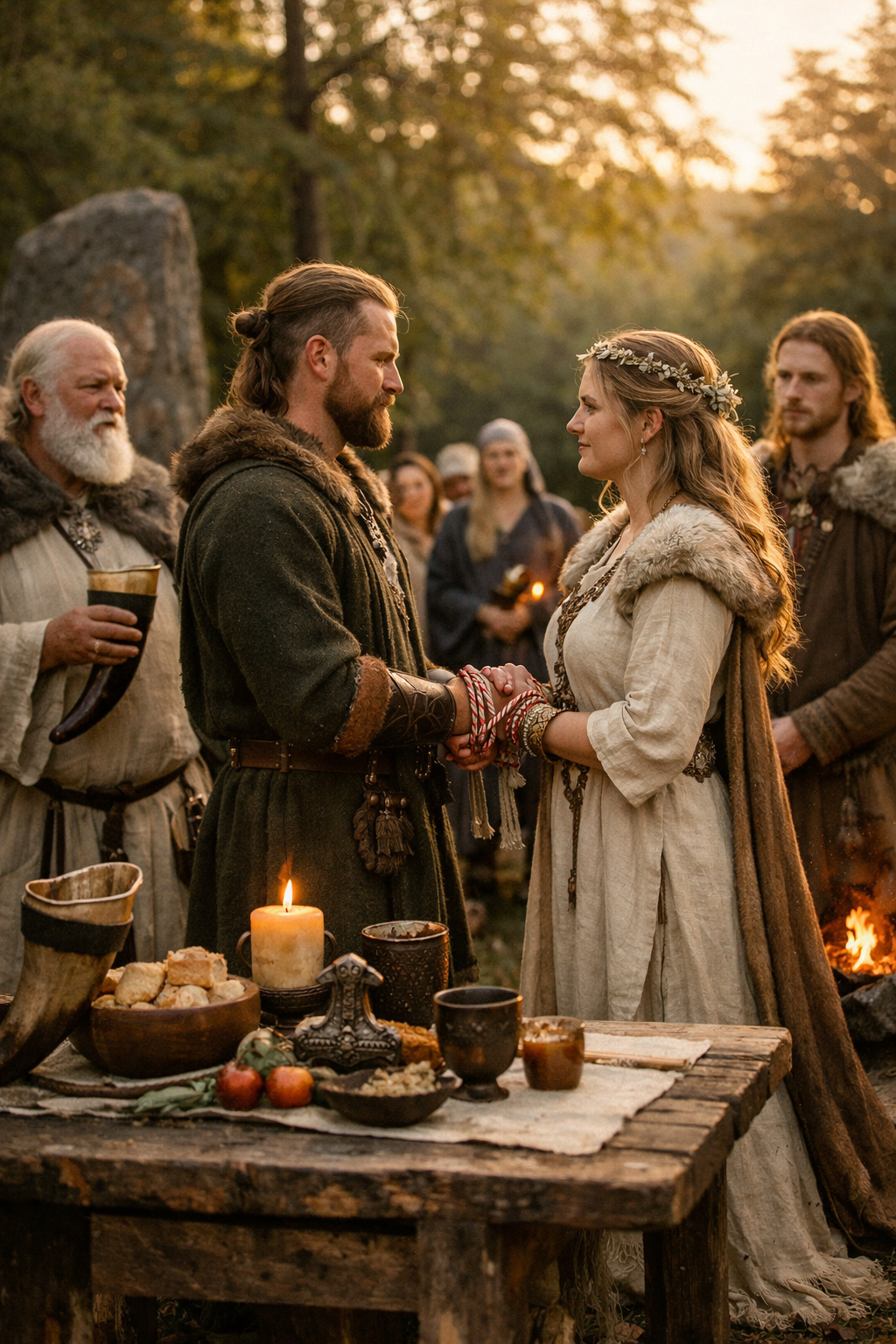
Norse Marriage: History, Rituals, and Sources
Marriage in the Norse world was more than a romantic union. It was a formal agreement between families that shaped alliances, property, and social peace. By looking at saga literature, law codes, and archaeological evidence, we can understand how Viking Age marriages were arranged, celebrated, and recognised within the community.
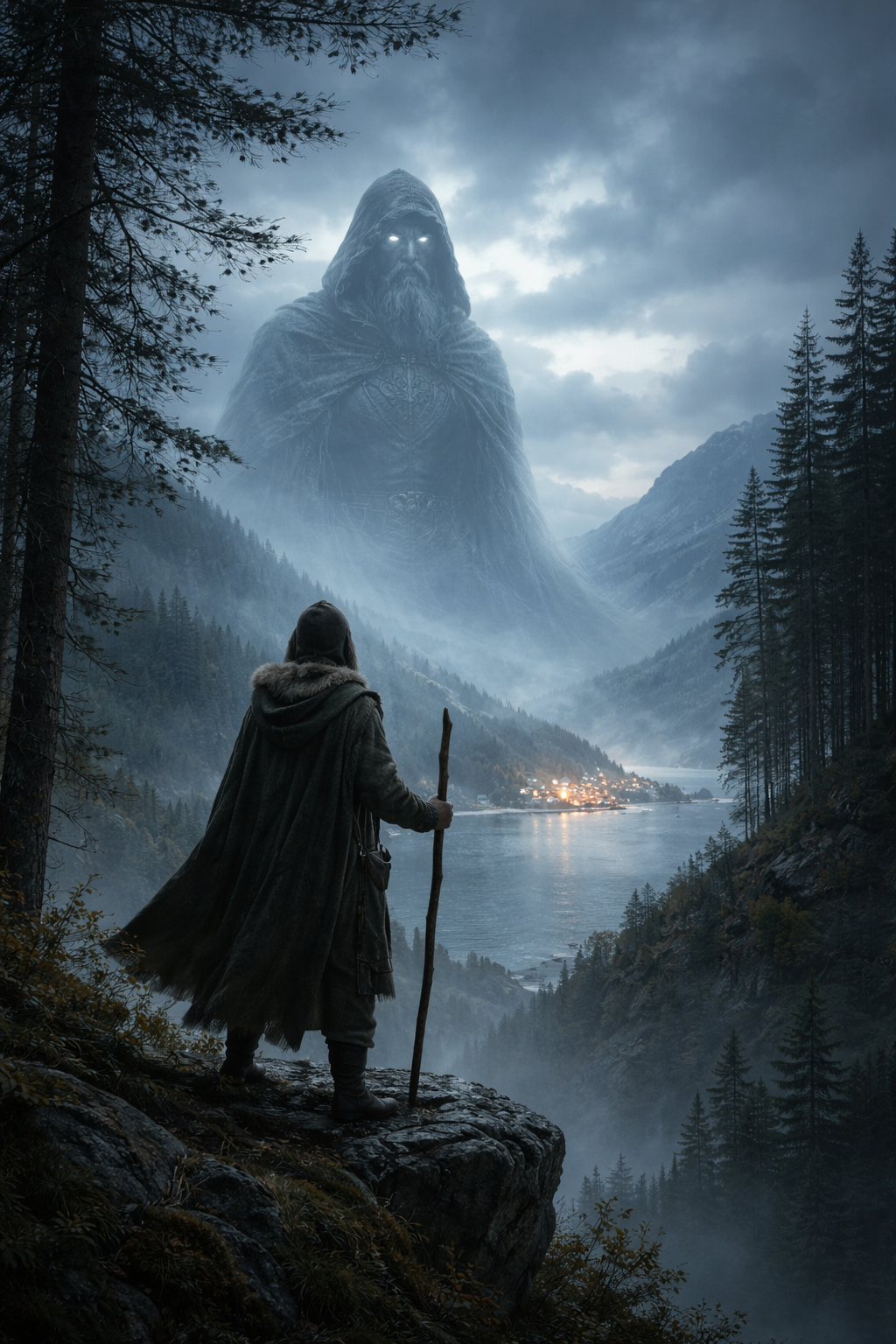
Vörðr - The Hidden Guardian of Instinct in Norse Belief
Before the mind knows, something else has already sensed the path ahead. The Norse called this quiet watcher the Vörðr - the part of the soul that steps into the future before we arrive.
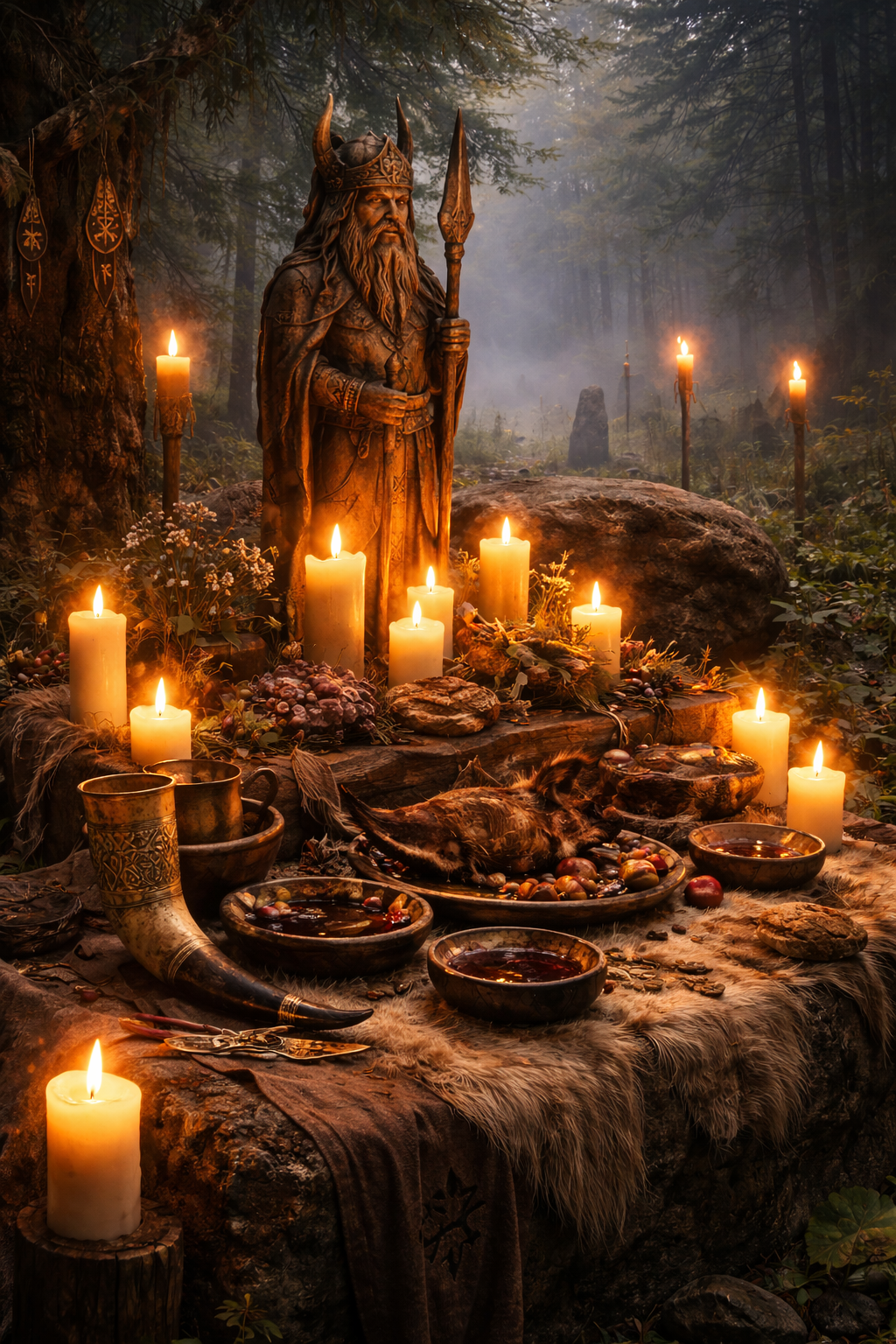
What Is a Blót? Norse Pagan Offerings, Rituals and Meaning
A blót is not a spell or a performance. It is an act of giving that binds humans, gods, ancestors, and land into right relationship. This article explores how sacred offering and reciprocity shaped Norse spiritual life, then and now.
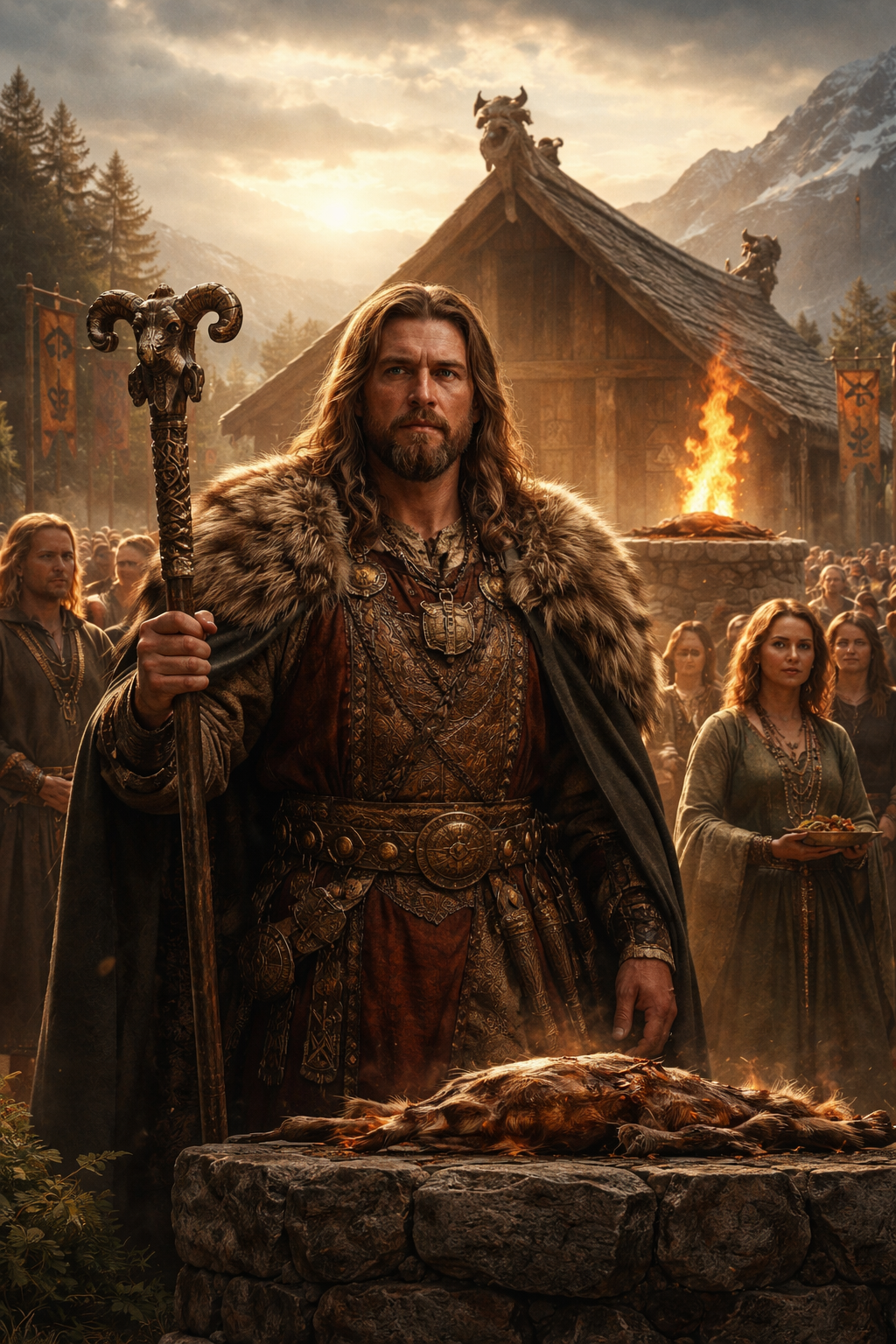
Goði & Gyðja - Norse Priests, Leaders and Keepers of the Old Ways
The goði and gyðja were central figures in Norse society, acting as ritual leaders, legal representatives and community guides. This article explores their historical role, presence in the sagas, and lasting cultural significance.
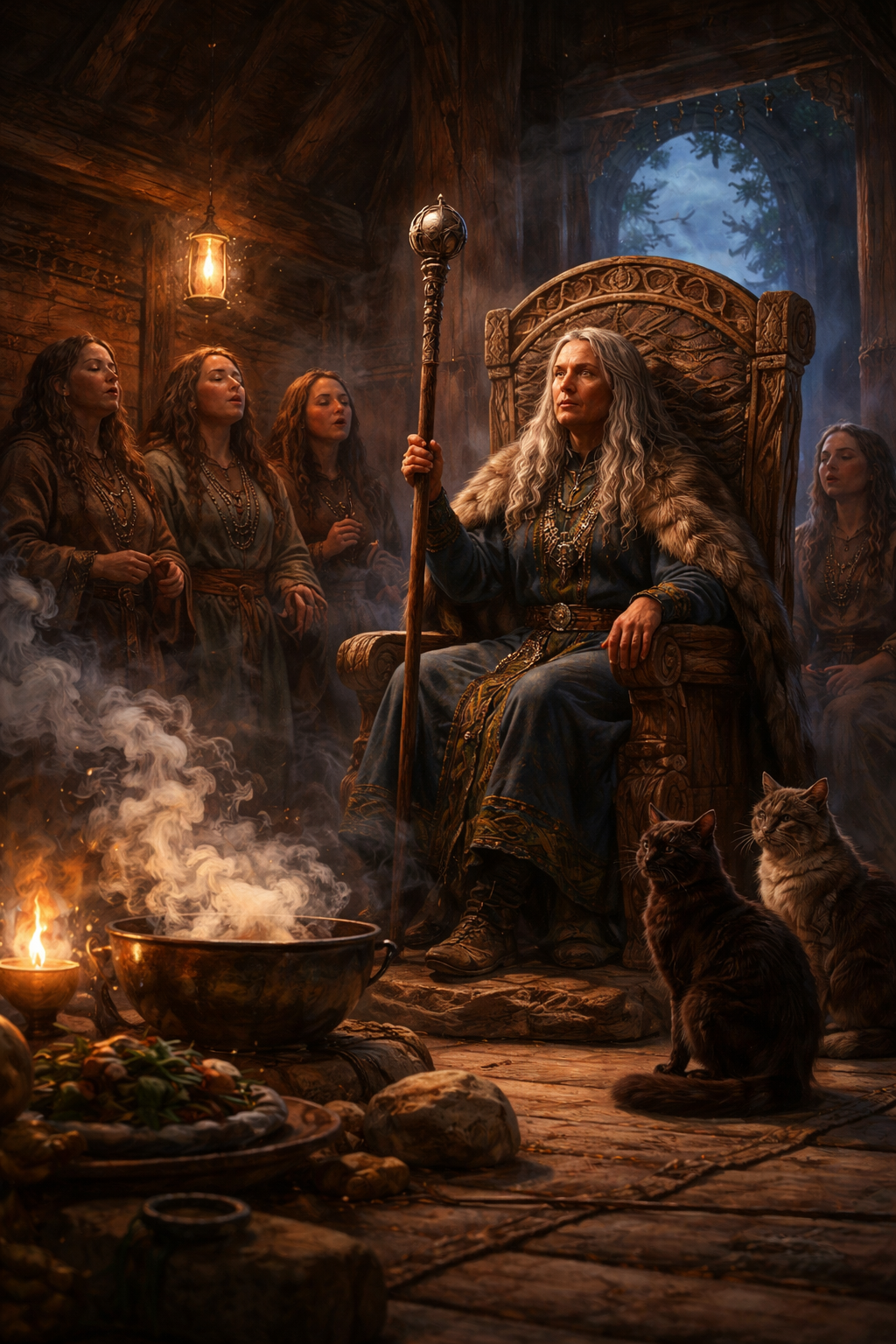
The Völva: Seeress, Seiðr and Power in the Norse World
The völva was one of the most powerful and complex figures in the Norse world. Far from a simple “witch,” she was a respected seeress, ritual specialist, and keeper of ancestral knowledge. Appearing in the Eddas, sagas, and archaeological record, the völva practised seiðr, delivered prophecy, and offered counsel that could shape the fate of individuals, families, and even kings. This article explores who the völva truly was, what the historical sources tell us about her role, and how modern interpretations often misunderstand her place in Norse society.
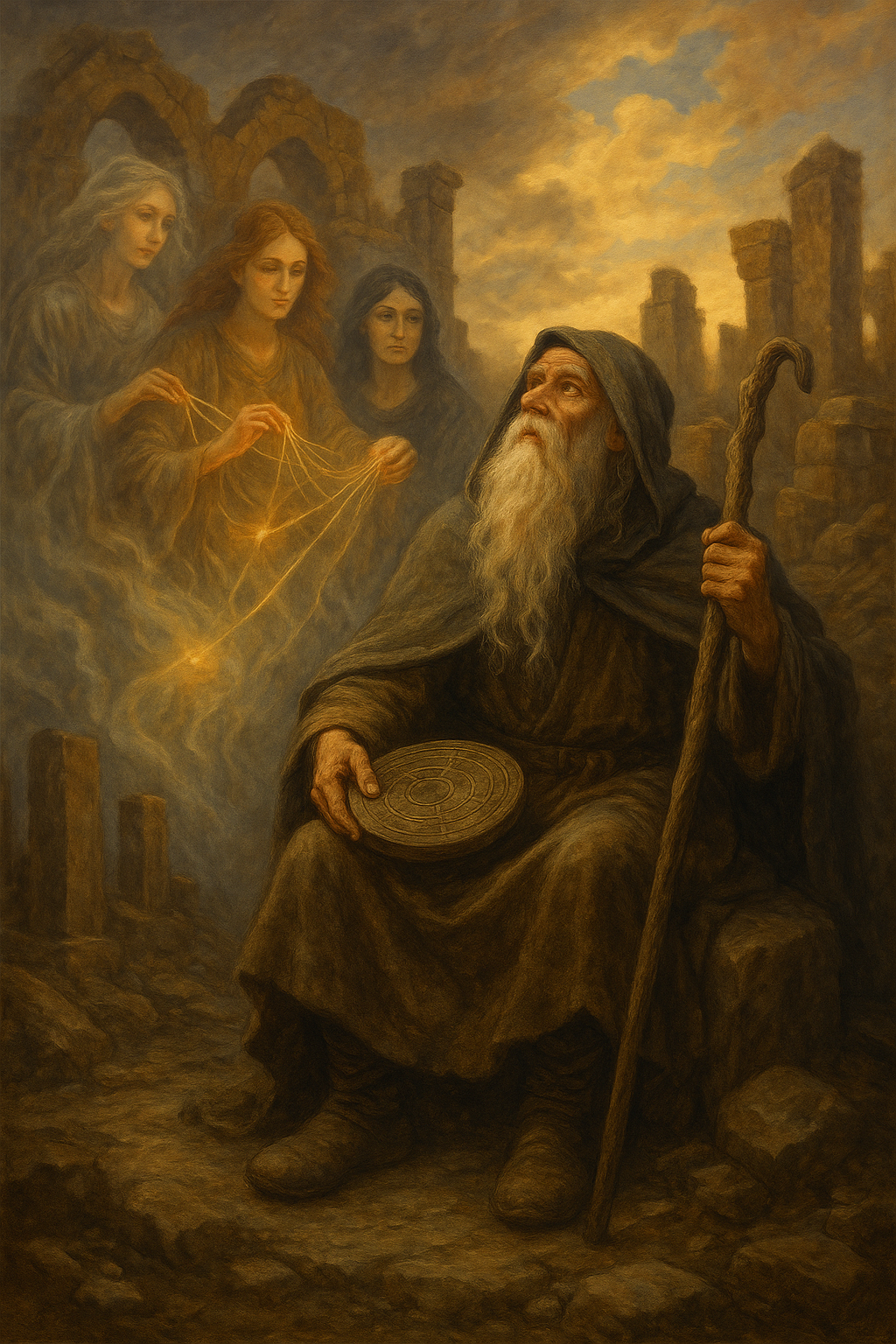
How Fate and Free Will Worked Together in Norse Belief
The Norse did not see fate and free will as enemies. They lived in a world where destiny set the shape of a life, but personal choice coloured every step within it. Through orlog, ancestral luck, the weaving of wyrd and the work of the Norns, the old North created a worldview where inevitability and agency moved together like partners in a dance. This blog explores how the Norse understood the forces that shaped human life - how signs, dreams and deeds influenced one’s path, how Christianity reshaped older beliefs, and why this ancient way of thinking still resonates today.

Haunted North: The Norse Understanding of Ghosts and the Supernatural
The Viking Age world was alive with unseen forces. To the Norse, the dead did not simply vanish into a distant afterlife - they lingered, walked, warned and sometimes rose again in flesh and fury. Ghosts could be physical revenants, dream visitors, protective ancestors or restless spirits tied to land and lineage. Alongside them lived trolls, wights, elves and other beings who shaped daily life as surely as storms or seasons. Drawing on sagas, Eddic poems and later Scandinavian folklore, this exploration reveals a world where the boundary between living and dead was thin, fate was ever present, and the unseen was woven into the fabric of existence.

How to Cultivate Luck : Hamingja and Orlog
In the old Norse and Germanic world, luck and fate were not blind forces - they were living powers shaped by human action. The ancients believed that every deed, every promise, and every act of courage strengthened your hamingja (personal luck) and wove your örlög (fate). This article explores how to build good fortune and a worthy reputation through honour, courage, and integrity - following the wisdom of the sagas and the laws of the Norns. Learn how to shape your own fate through your choices, and leave behind a name worth remembering.

The Forgotten Norns: Lesser Known Weavers of Fate in Norse Mythology
The Norns stand at the heart of Norse mythology, shaping fate in ways far older and deeper than the gods themselves. Far from being only three figures beside a well, the Norns form a vast host drawn from different realms, each weaving the threads of life, death and destiny. This blog explores their origins, their connection to orlog, their hidden appearances in the sagas, and the roles of lesser-known Norns whose names survive only in fragments. It also examines how they differ from other female spirit powers, how seidr brushes against their work, and how modern heathen belief understands them today. The world of the Norns is wider, stranger and more intricate than most imagine, and within it lies a vision of fate that remains powerful and relevant in the present day.

What is orlog? : The Norse Law of Fate, Honour and Ancestral Destiny
Orlog is one of the oldest and most powerful ideas in Norse belief. It is the unseen foundation of fate, shaped by ancestral deeds, personal actions and the laws of life itself. More than destiny, Orlog teaches duty, honour and responsibility. In this article, we explore its meaning in the Eddas and Sagas, its connection to wyrd, the Norns and seiðr, and how the Norse lived in harmony with fate.

What Is Hamingja? The Spirit of Luck, Honour, and Ancestral Power
In the old Norse and Germanic world, luck was not seen as random. It was a living force called Hamingja — the spirit of luck, honour, and ancestral power. Hamingja flowed through the bloodlines of families, carried by the deeds of the living and the blessings of the dead.
Those who lived with courage, truth, and generosity strengthened their Hamingja, weaving fortune into their lives and the lives of their kin. Those who acted without honour weakened it, breaking the flow of luck and harmony.
To understand Hamingja is to see that luck and fate are not gifts or punishments — they are the reflection of one’s spirit. Through honour, courage, and right action, you do not escape your destiny — you shape it.

What Is Wyrd? (The Web of Fate)
In the old faith of the Norse and Germanic peoples, fate was not a straight line — it was a web. Known as Wyrd, this vast and living pattern connects all beings, past and present, through every choice, thought, and deed. Wyrd is not something that controls us; it is something we help weave each day through our actions and our honour.
To understand Wyrd is to understand that life is not random — it is meaningful. Every thread you spin adds to the great tapestry of becoming. The gods, the ancestors, and we ourselves are bound within this web, shaping and being shaped by it. This is the old wisdom of the North — that fate and responsibility are one and the same.

How to Bless and Protect Your Home (Frigg’s Hearth Ritual)
Discover the ancient Norse way to bless and protect your home through Frigg’s Hearth Ritual — a practice of peace, honour, and connection with the goddess Frigg, Queen of Asgard. Rooted in the old traditions of the North, this simple and mindful ceremony invites the warmth of the hearth, the strength of the ancestors, and the protection of the land spirits into your household. Learn how to prepare sacred offerings, invoke Frigg’s presence, and weave harmony and courage into the fabric of your daily life.