

Wyrd & Flame Articles
The Wyrd & Flame blog gathers articles exploring Norse tradition, the Elder Futhark runic system, mythology, and the cultural world of the early Germanic peoples. These articles aim to provide clear and thoughtful exploration of northern traditions while maintaining awareness of the historical sources and cultural context behind them.
Across the blog you will find studies of the runes, discussions of Norse cosmology, mythological themes, folklore, and guides designed to help readers explore these subjects in greater depth.
Whether you are beginning your study of the runes or expanding your understanding of Norse tradition, the articles published here aim to provide structured knowledge that goes beyond surface explanations.
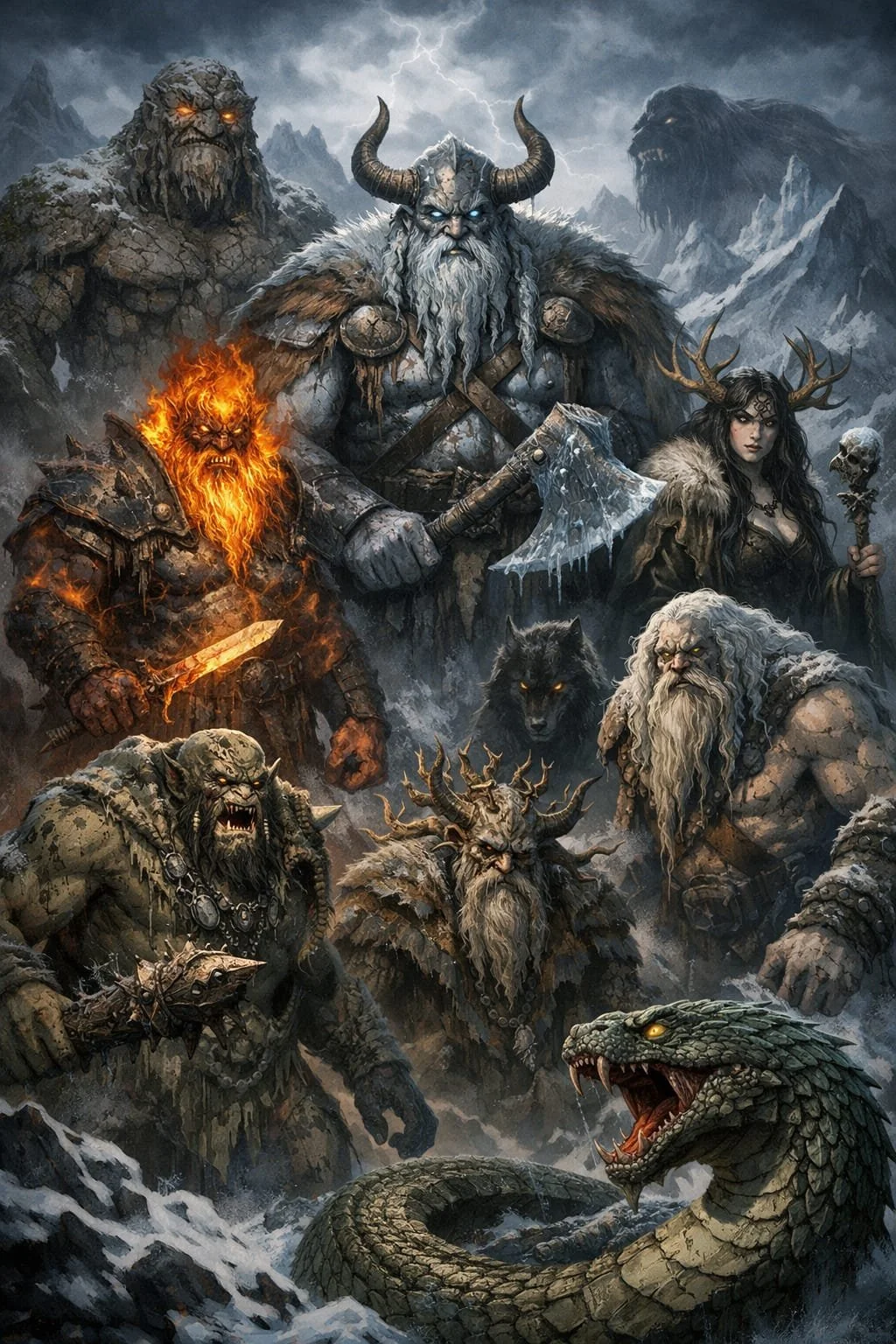
The Jötnar: Those Who Remember the World Before Shape
The Jötnar are not villains or failed creations. In Norse mythology, they are the forces that predate order itself - embodiments of pressure, memory, and endurance. This essay explores the giants as custodians of what the world was before shape, law, and narrative, and why the gods can never fully escape them.
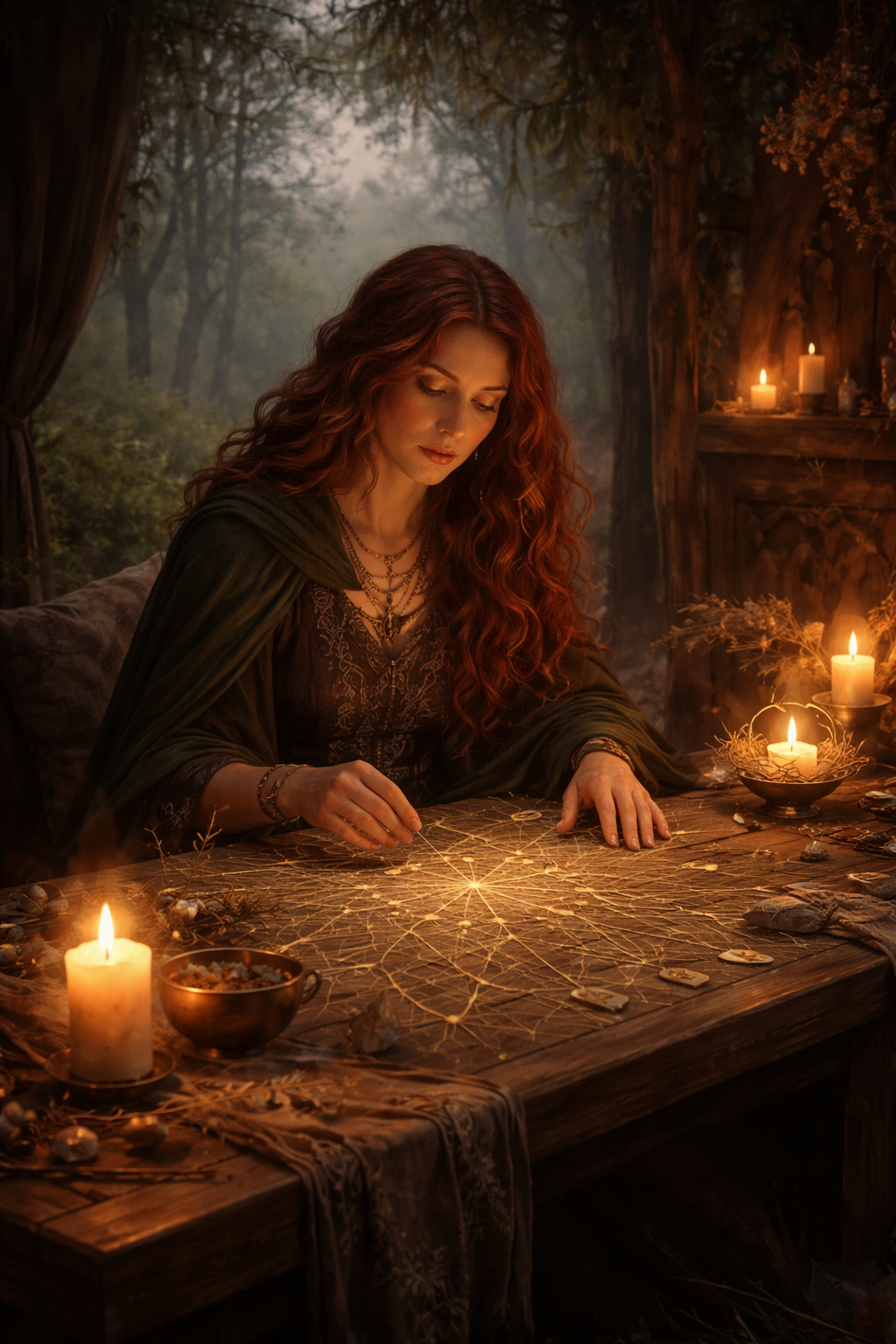
Seiðr Craft - Chapter 17: Reading the Weave Responsibly
To read the weave is to listen to wyrd - not to control it. True sight is quiet, careful, and rooted in responsibility. This chapter explores how to witness threads without grasping them, how to separate intuition from projection, and how to hold vision with humility rather than power.
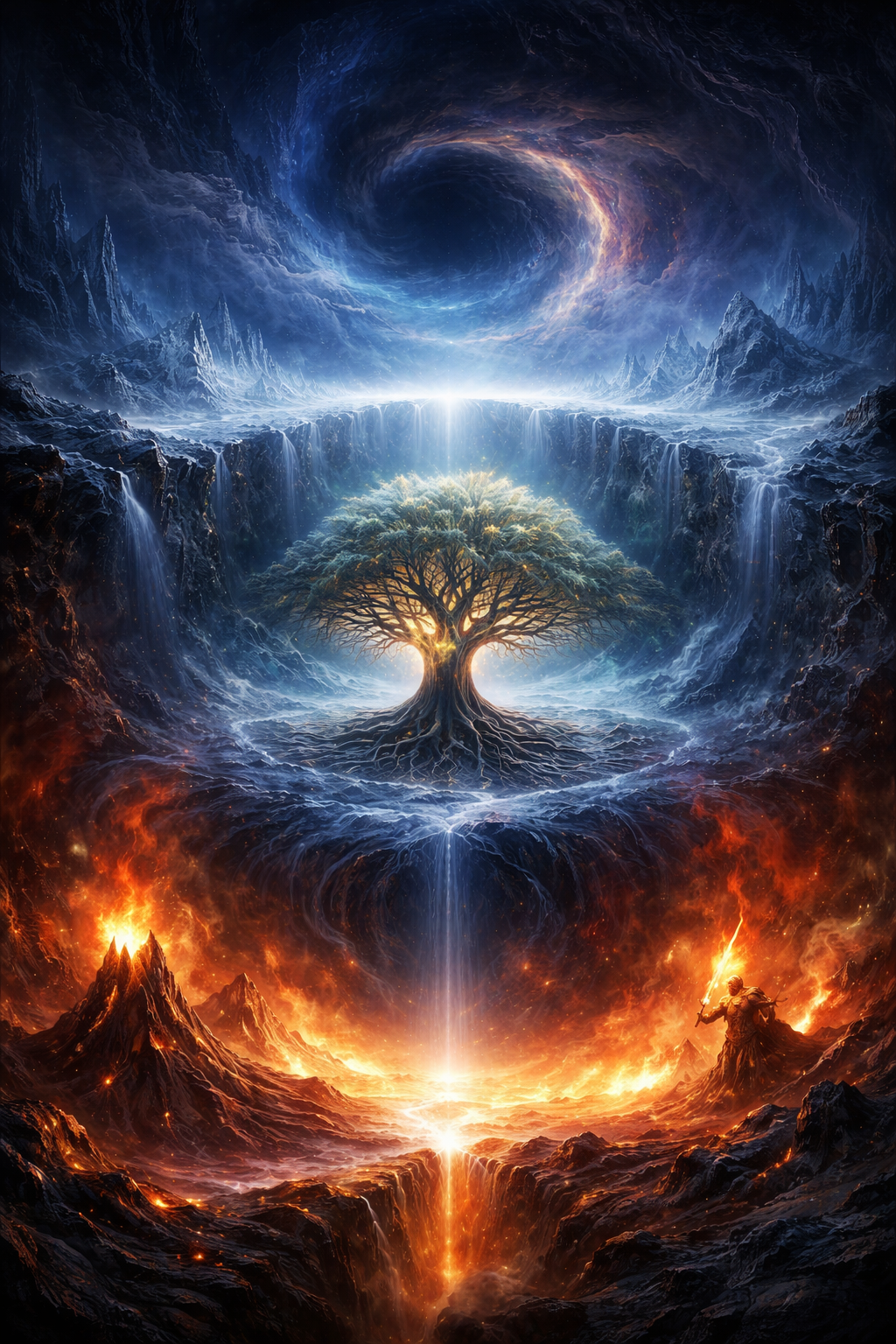
Ginnungagap: The Primordial Void of Norse Creation
Explore Ginnungagap, the Norse primordial void where fire and ice met to spark creation. Learn its origins, meaning, symbolism, and role in the Eddas.
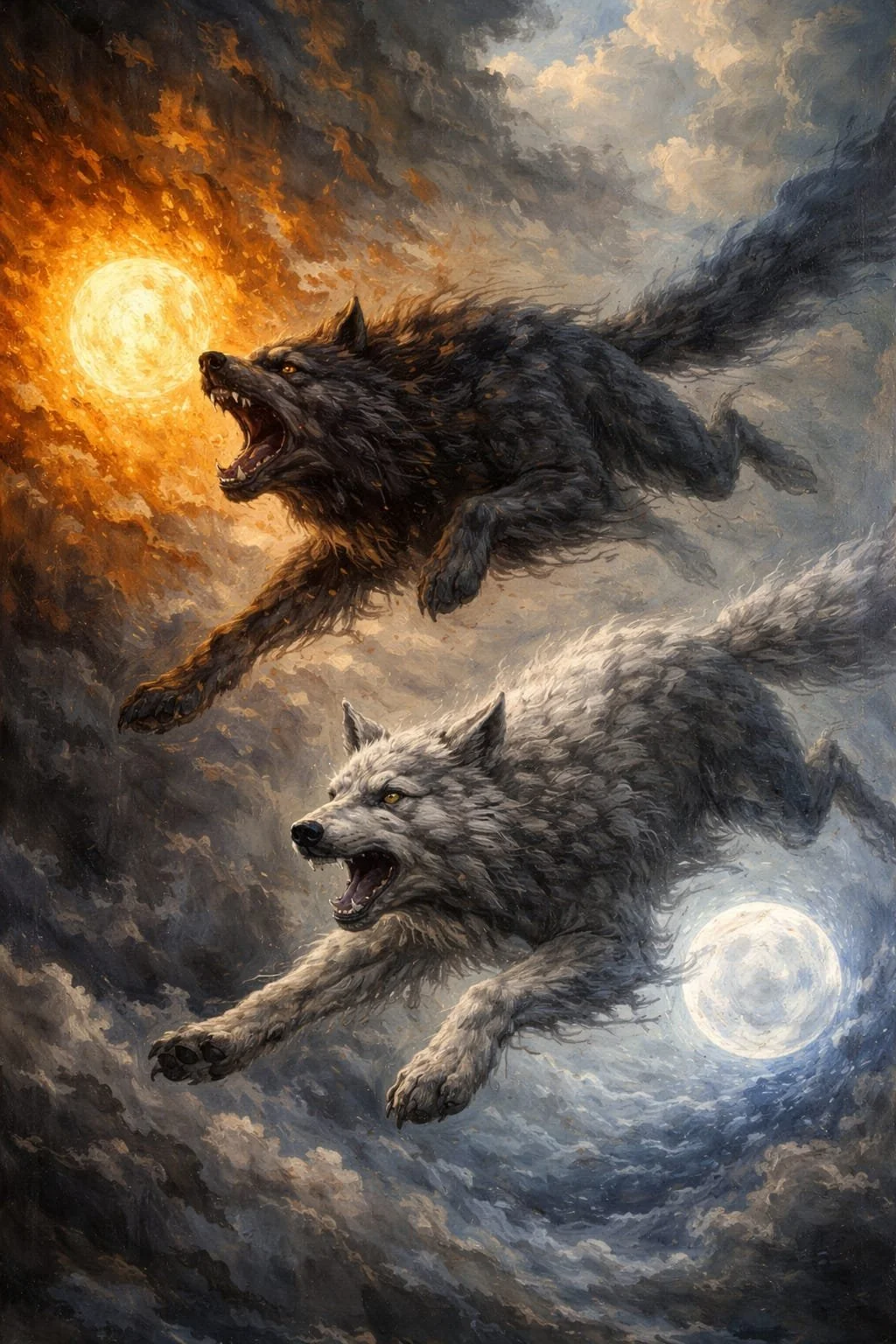
Skóll and Hati: The Wolves Who Chase the Light
Skóll and Hati are not monsters of destruction, nor symbols of chaos. In Norse cosmology, they are the forces that keep the universe moving. As they chase the sun and moon across the sky, they ensure that time does not stagnate, light does not dominate, and cycles continue. This essay explores the deeper meaning of the chase, the wolves’ role in Ragnarök, and why motion itself was considered sacred in the Norse worldview.
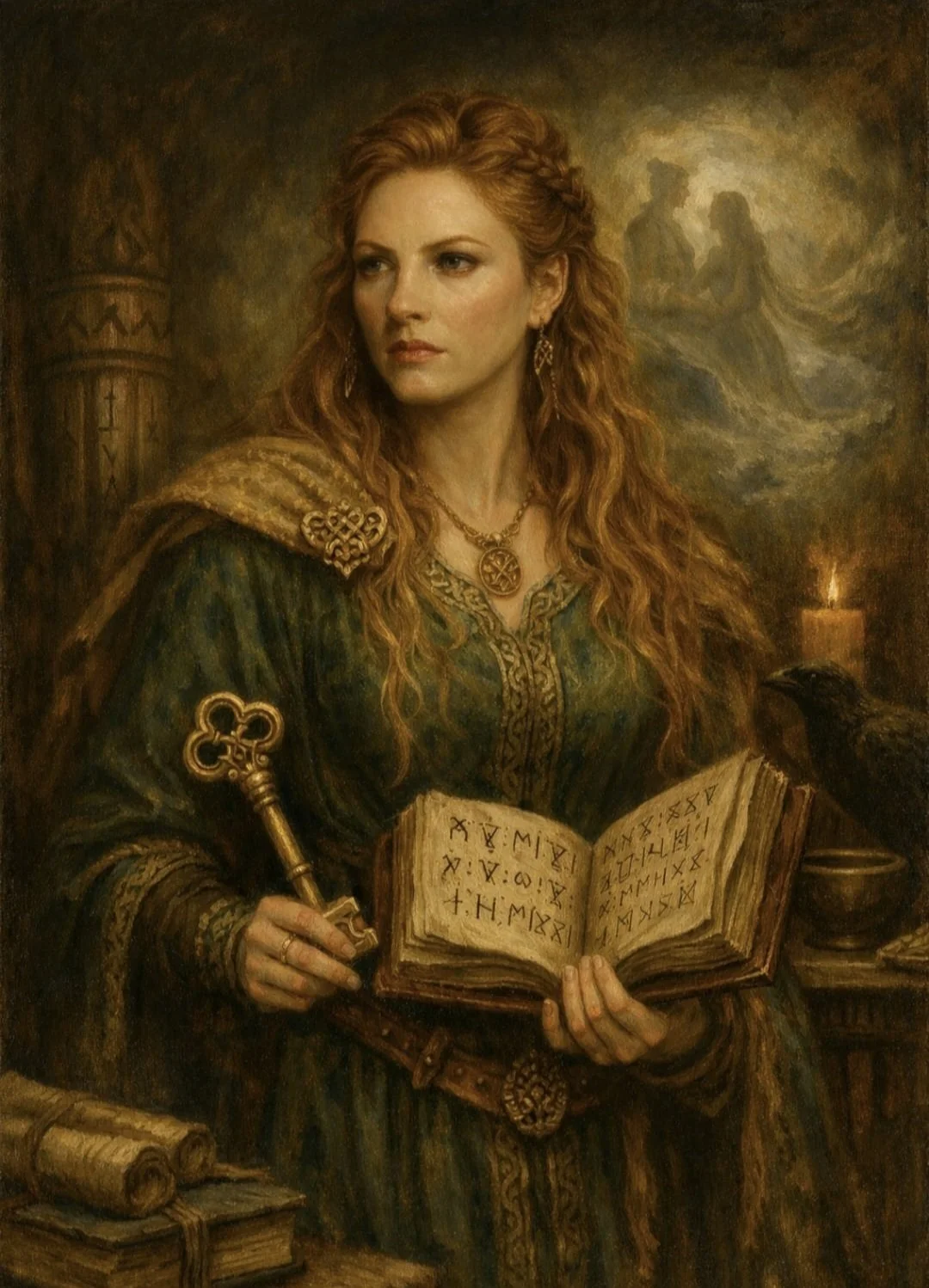
Vor: The Watchful Revealer
Vor is the watchful revealer - the Norse goddess who makes concealment impossible. In silence and steady clarity, she exposes hidden motives, broken oaths, and the truths we avoid, until reality can no longer be denied.
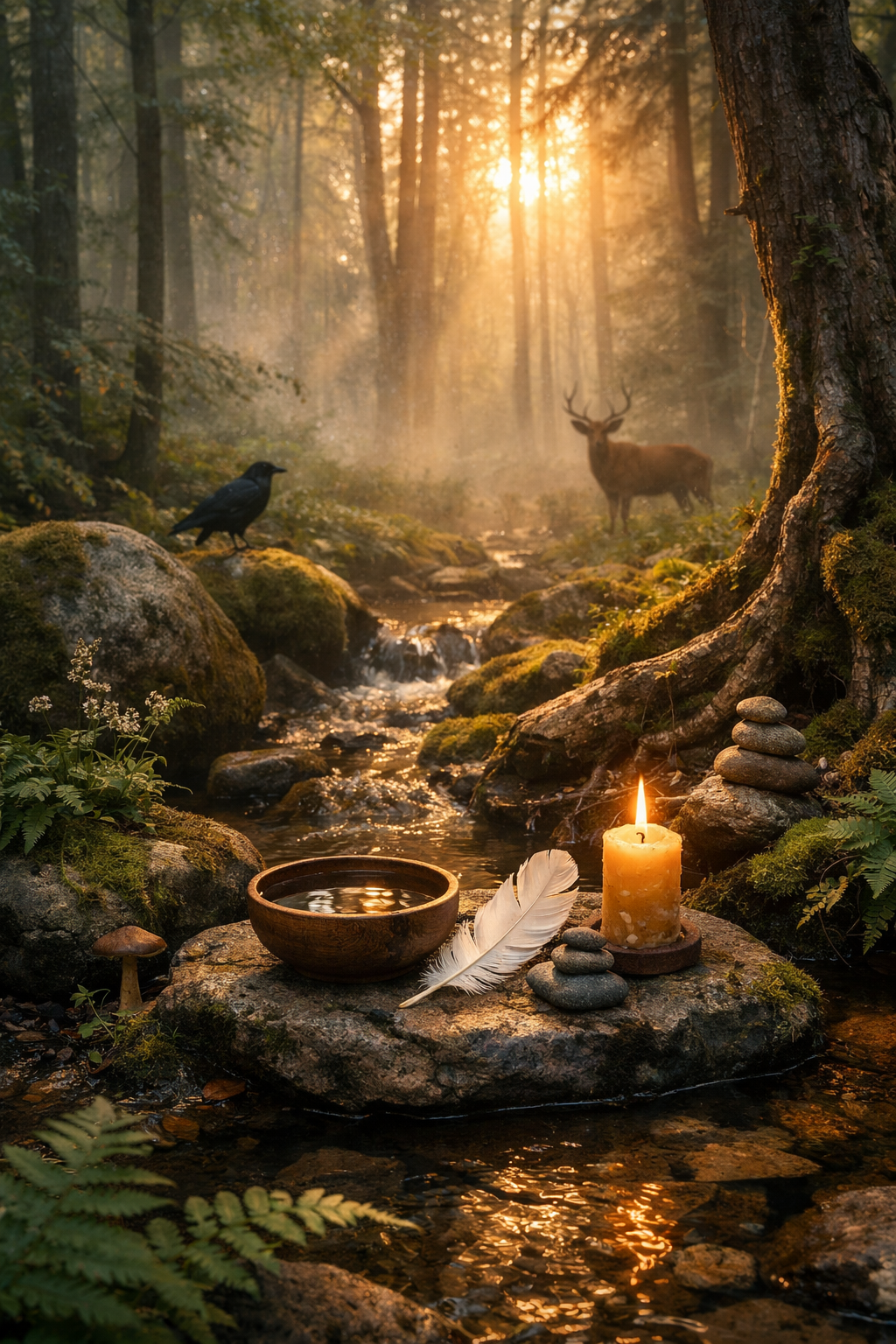
Seiðr Craft - Chapter 16: Relational Craft: Working With Landvættir
Landvættir are not elementals or guardians to command, but neighbours to meet with respect. This chapter explores how to approach the land as a living being, offer without demand, read response, and build trust through slow, consistent presence. When we learn to listen instead of take, the land listens back.
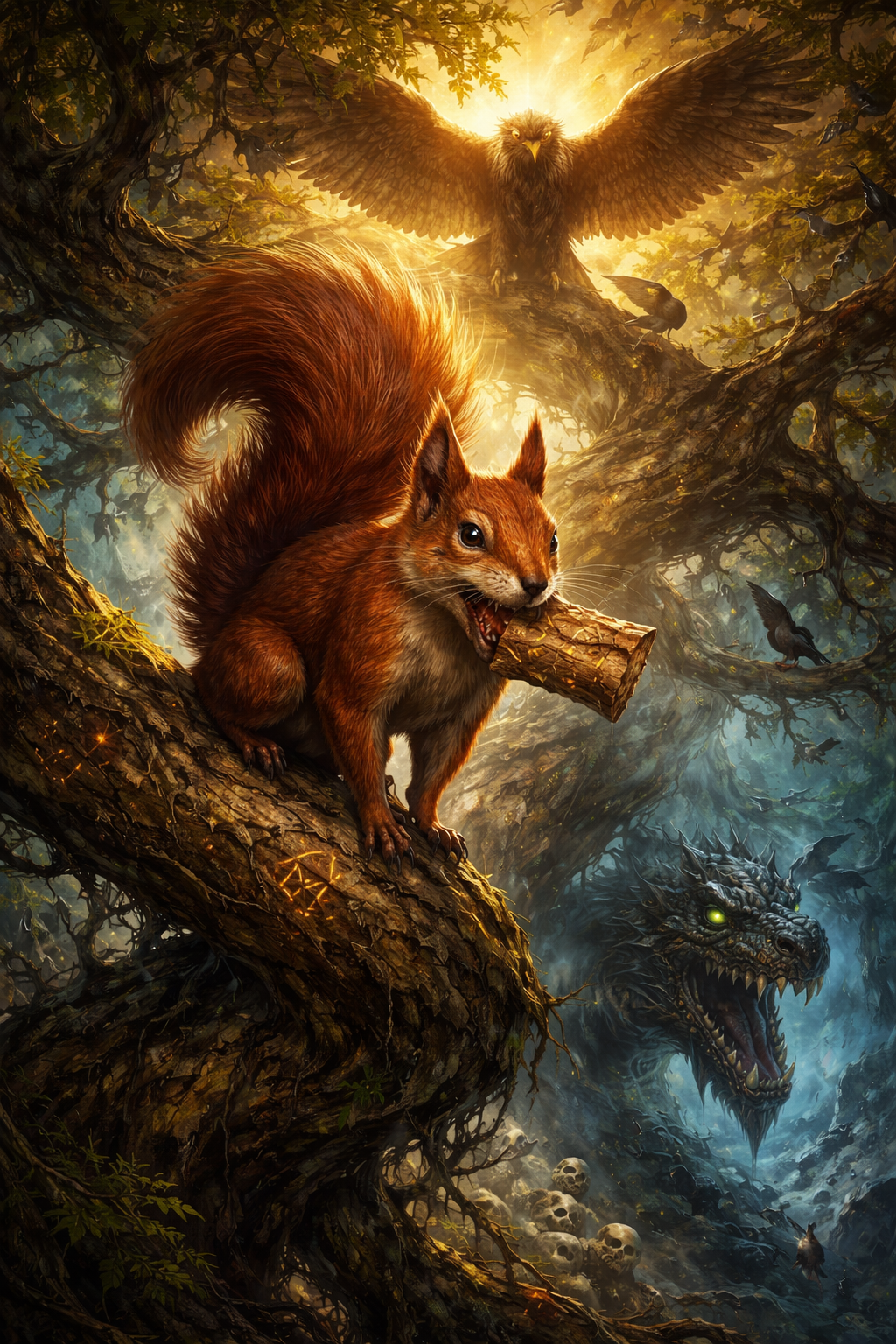
Ratatǫskr - The Messenger of Malice in Norse Mythology
Ratatǫskr is the squirrel who runs up and down Yggdrasil, carrying words of insult between the eagle above and Níðhöggr below. Though small and often overlooked, his role reveals how speech, conflict, and repeated hostility weaken the foundations of the Norse cosmos.
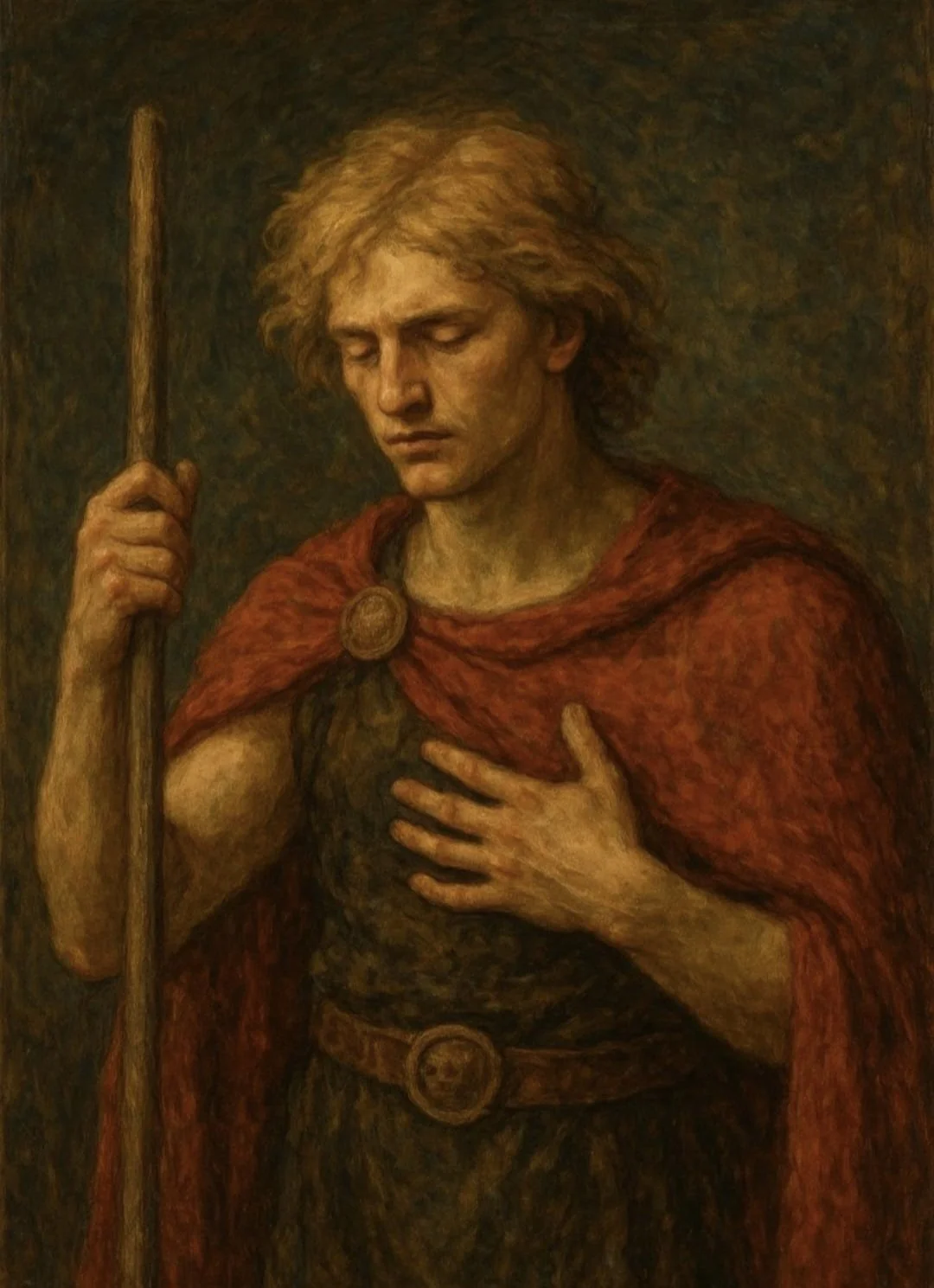
Hodr: The Blind Avenger
Hodr, the blind god of Norse mythology, embodies fate, shadow, and unintended consequence. Brother of Baldr and instrument of destiny, he reminds us that even in silence and darkness, powerful forces are always at work.
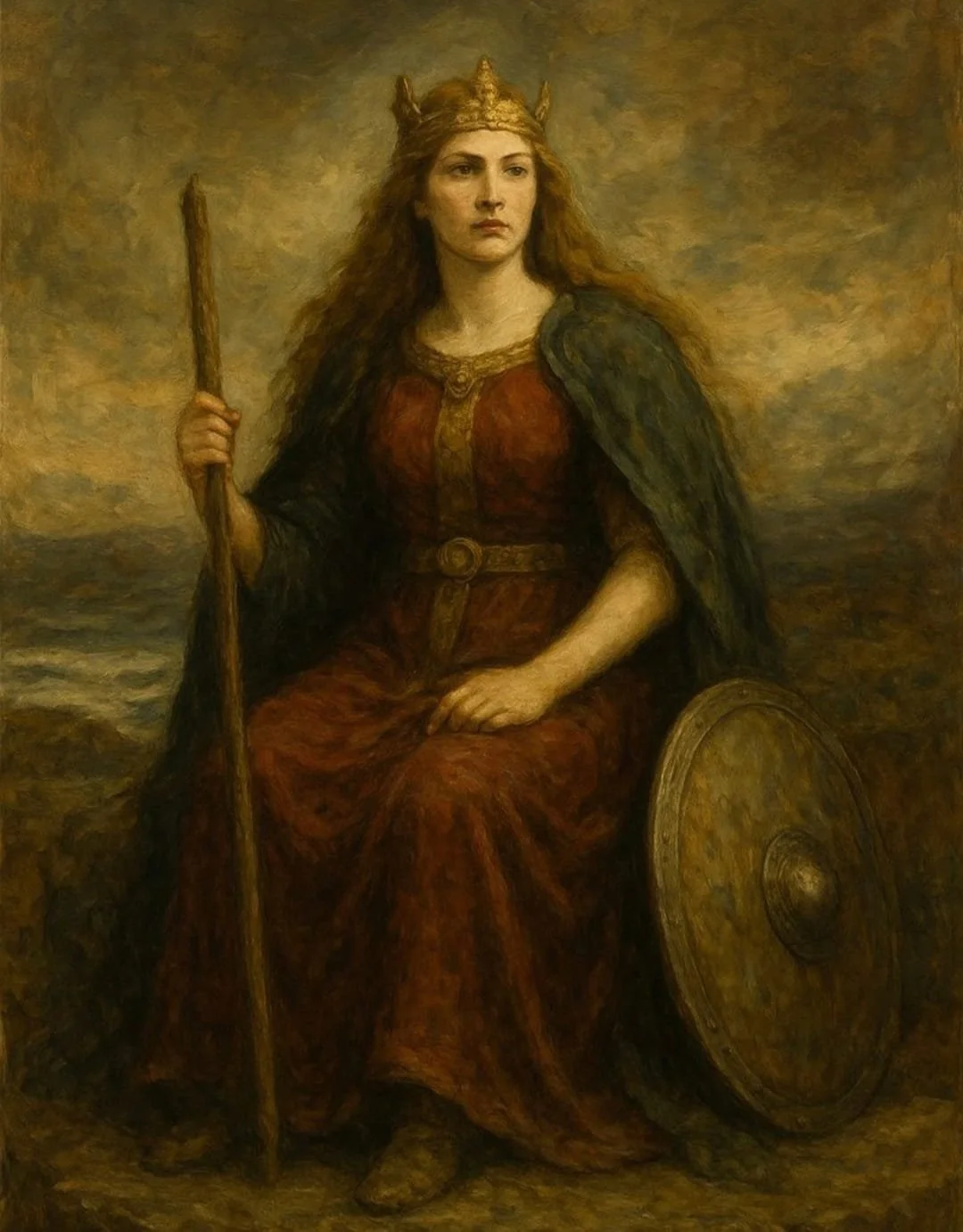
Njörun: She Who Walks the Quiet Between Tides
Almost forgotten by the sagas, Njörun walks the spaces between action and understanding. She is the stillness before change, the pause that teaches, and the quiet power that shapes fate without being seen.
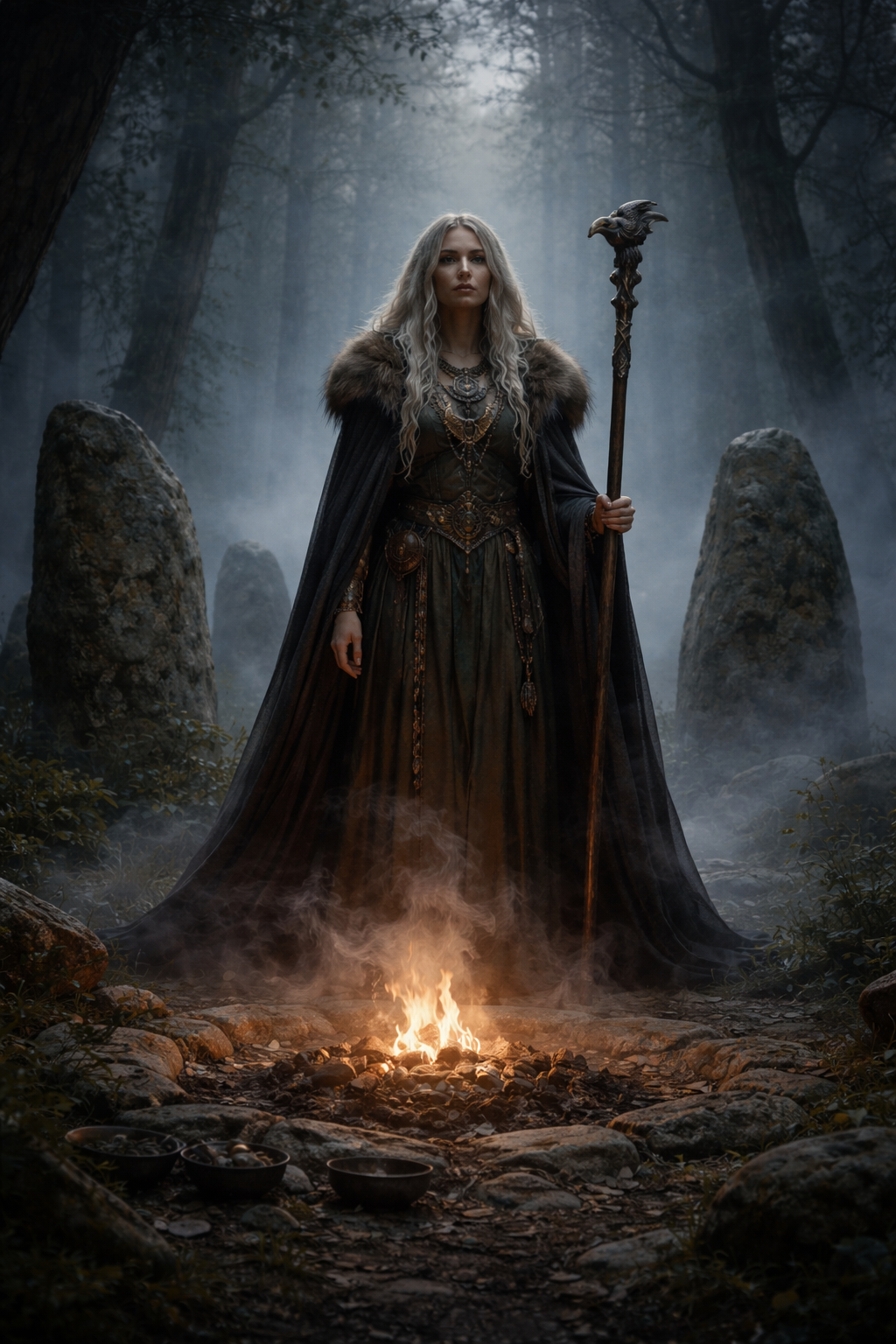
Seiðr Craft - Chapter 15: The Difference Between Power and Presence
Power can move the unseen, but presence determines whether it stays. This chapter explores why force exhausts, why presence endures, and how the old ways taught that true authority is held in stillness, not display.
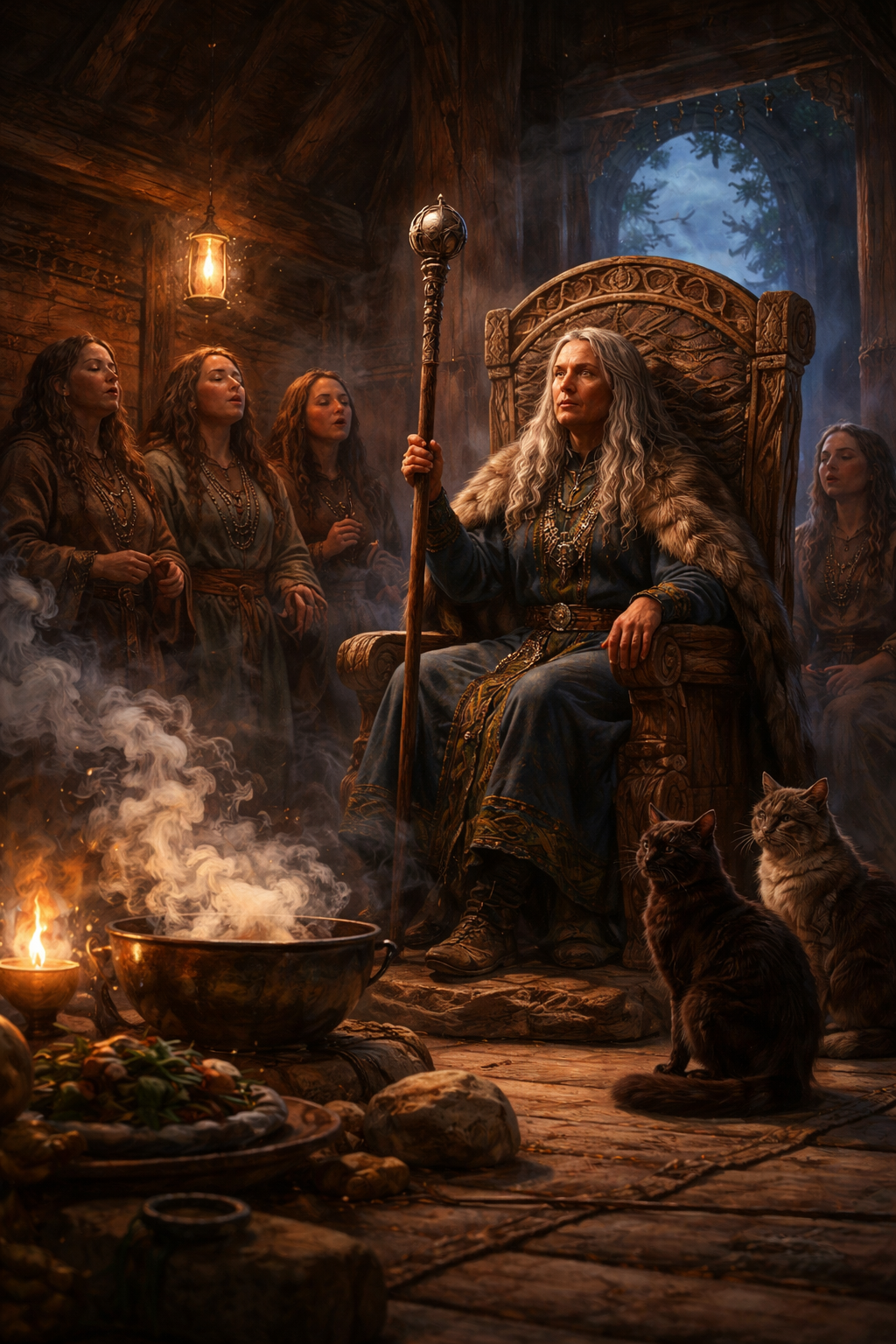
The Völva: Seeress, Seiðr and Power in the Norse World
The völva was one of the most powerful and complex figures in the Norse world. Far from a simple “witch,” she was a respected seeress, ritual specialist, and keeper of ancestral knowledge. Appearing in the Eddas, sagas, and archaeological record, the völva practised seiðr, delivered prophecy, and offered counsel that could shape the fate of individuals, families, and even kings. This article explores who the völva truly was, what the historical sources tell us about her role, and how modern interpretations often misunderstand her place in Norse society.
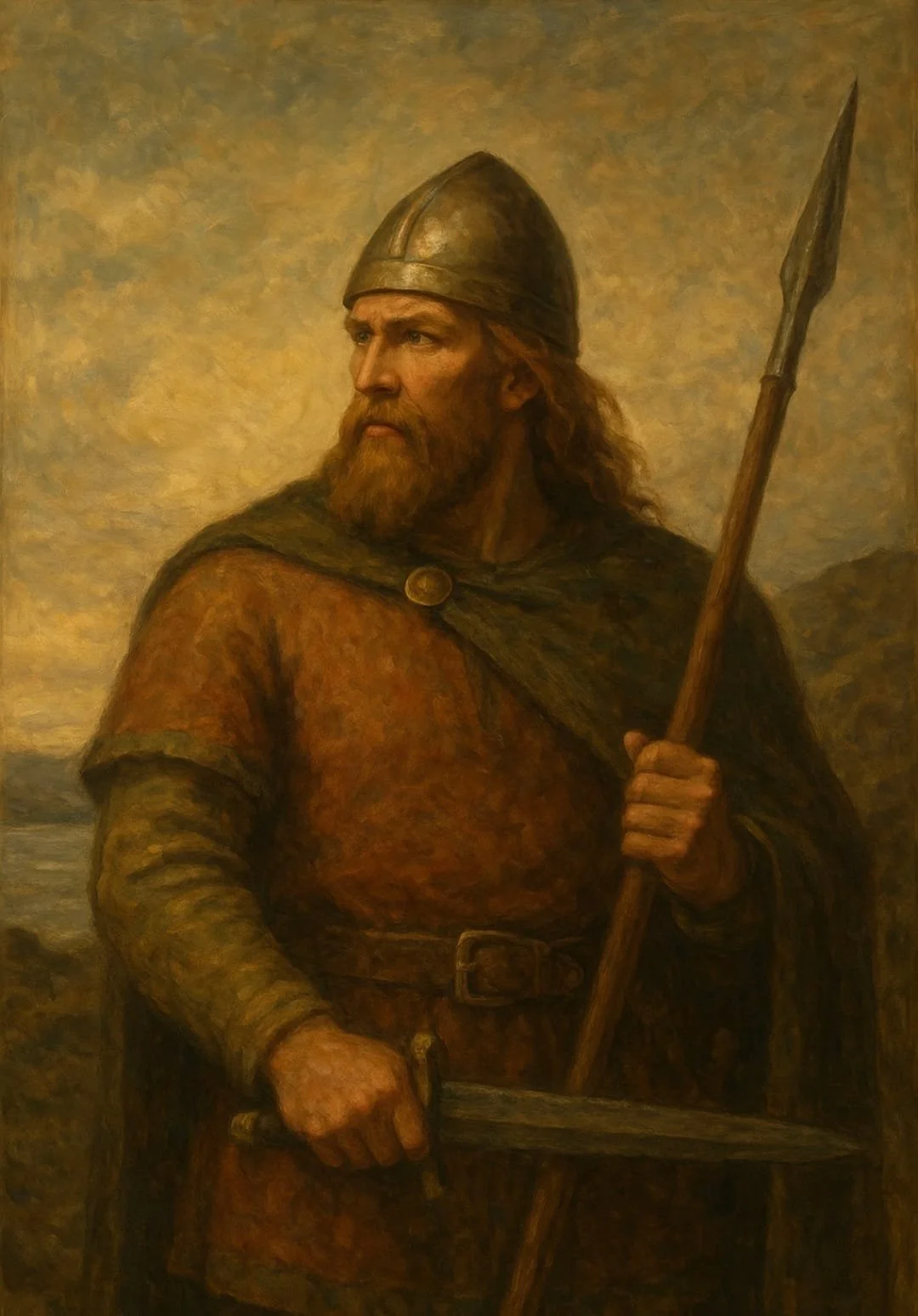
Leif Eriksson: The Voyager Who Carried Dawn Across the Sea
Leif Eriksson did not chase crowns - he chased horizons. Born of exile and ice, he listened to the sea’s whispers and followed the west wind into legend, carrying dawn across storm-torn waters toward Vinland’s green promise. A saga of wonder, leadership, and quiet courage at the world’s edge.
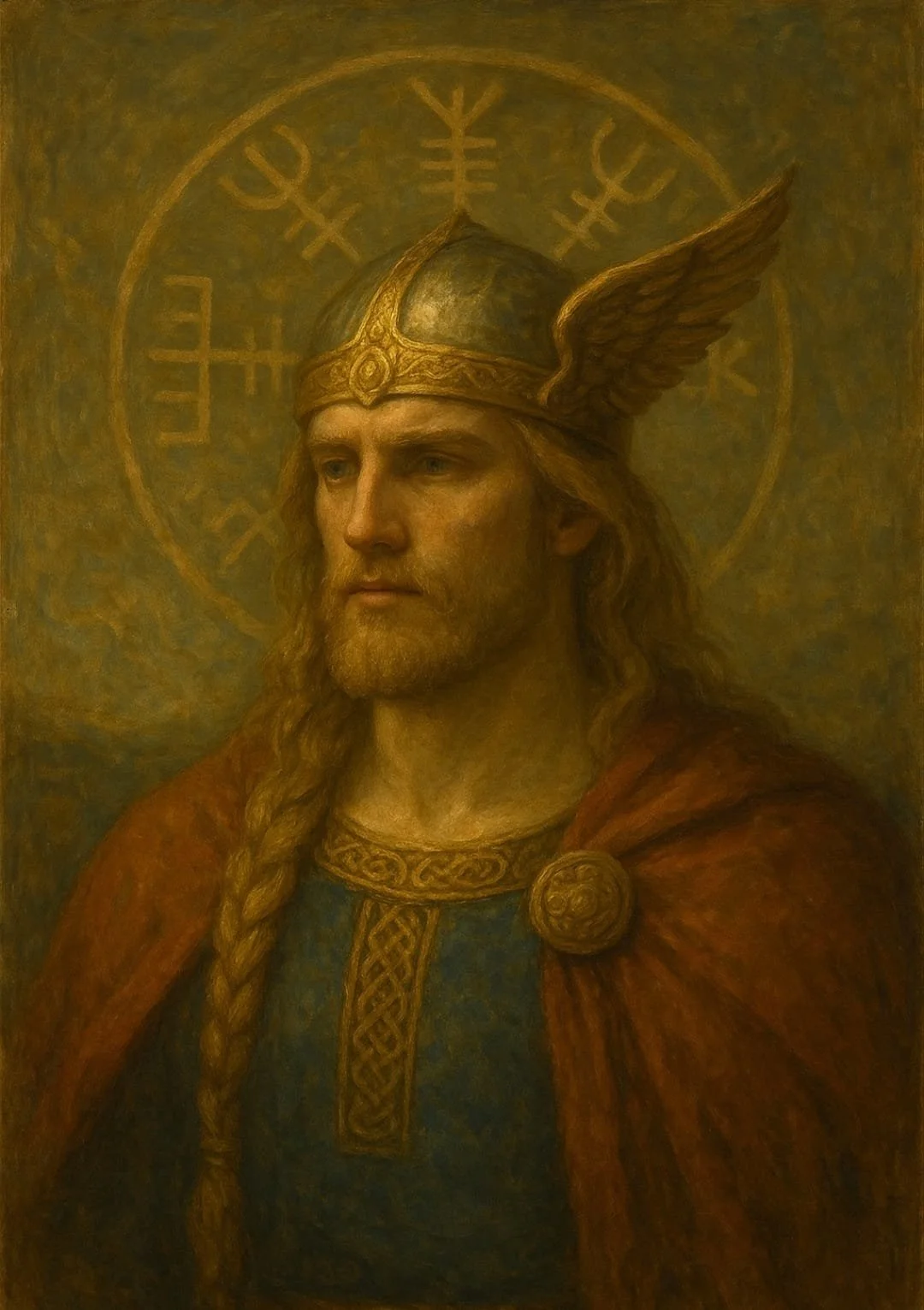
Meili: The Gentle One
Meili is the quiet between lightning and thunder - the gentle, unwounded god who walks unseen through storm and shadow. Brother to Thor and son of Odin, he embodies restraint, balance, and the steady power of calm that preserves worlds when chaos threatens to break them.
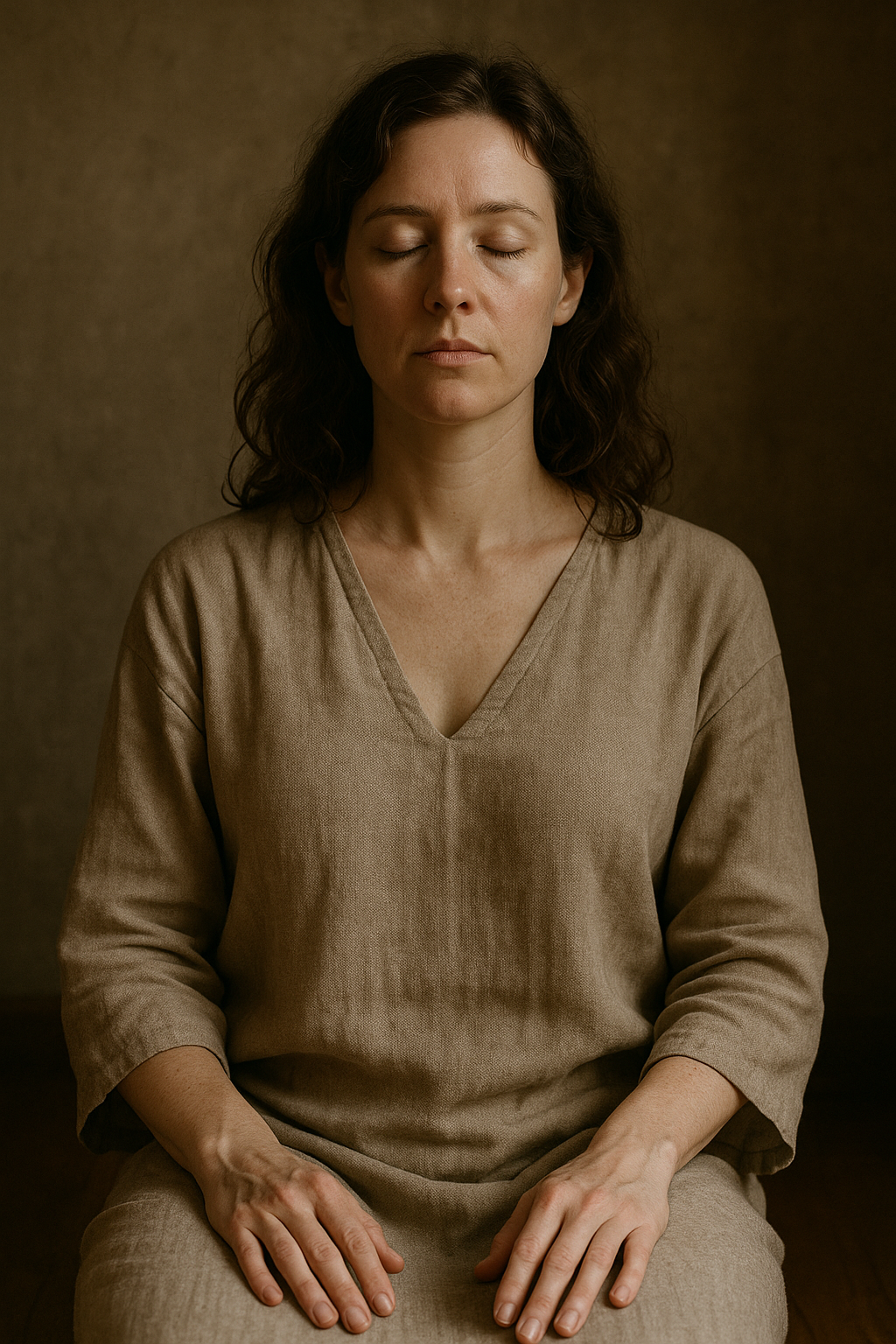
Seiðr Craft - Chapter 14: Preparing for Deeper Work
Deeper seiðr does not open to hunger or haste. It waits for stability, restraint, and the quiet strength to stand without reaching. This chapter explores the threshold where readiness is tested and the ground must truly hold.
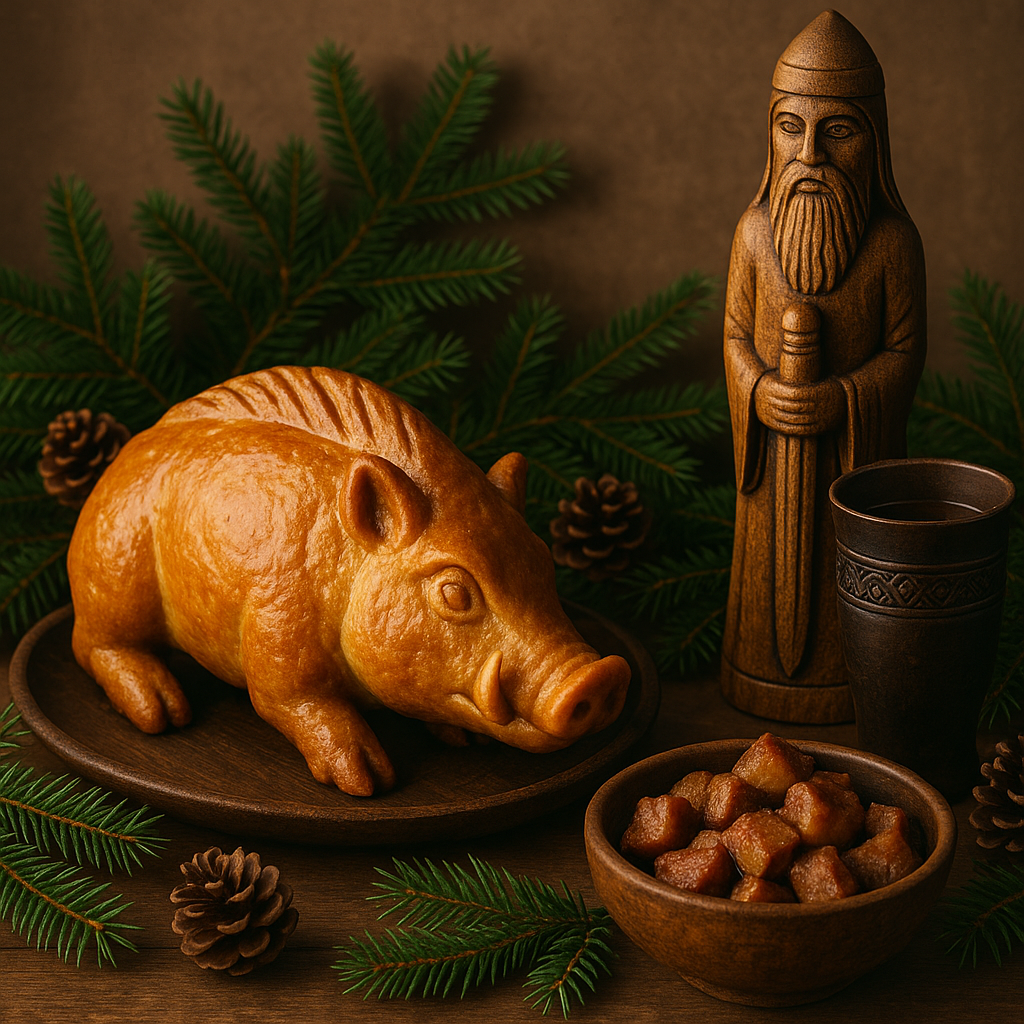
The Sónargöltr: The Historical Jól (Yule) Boar of the North
The sónargöltr, the sacred boar of the Norse Yule feast, is one of the clearest historical traditions we have from pre-Christian Scandinavia. Described in the sagas as the animal upon which midwinter oaths were sworn, the boar stood at the heart of a ritual honouring Freyr and the renewal of luck for the coming year. Though the old practices have changed, the symbolism of the Yule boar (courage, truth and prosperity) continues to inspire modern Heathens and lovers of northern lore.
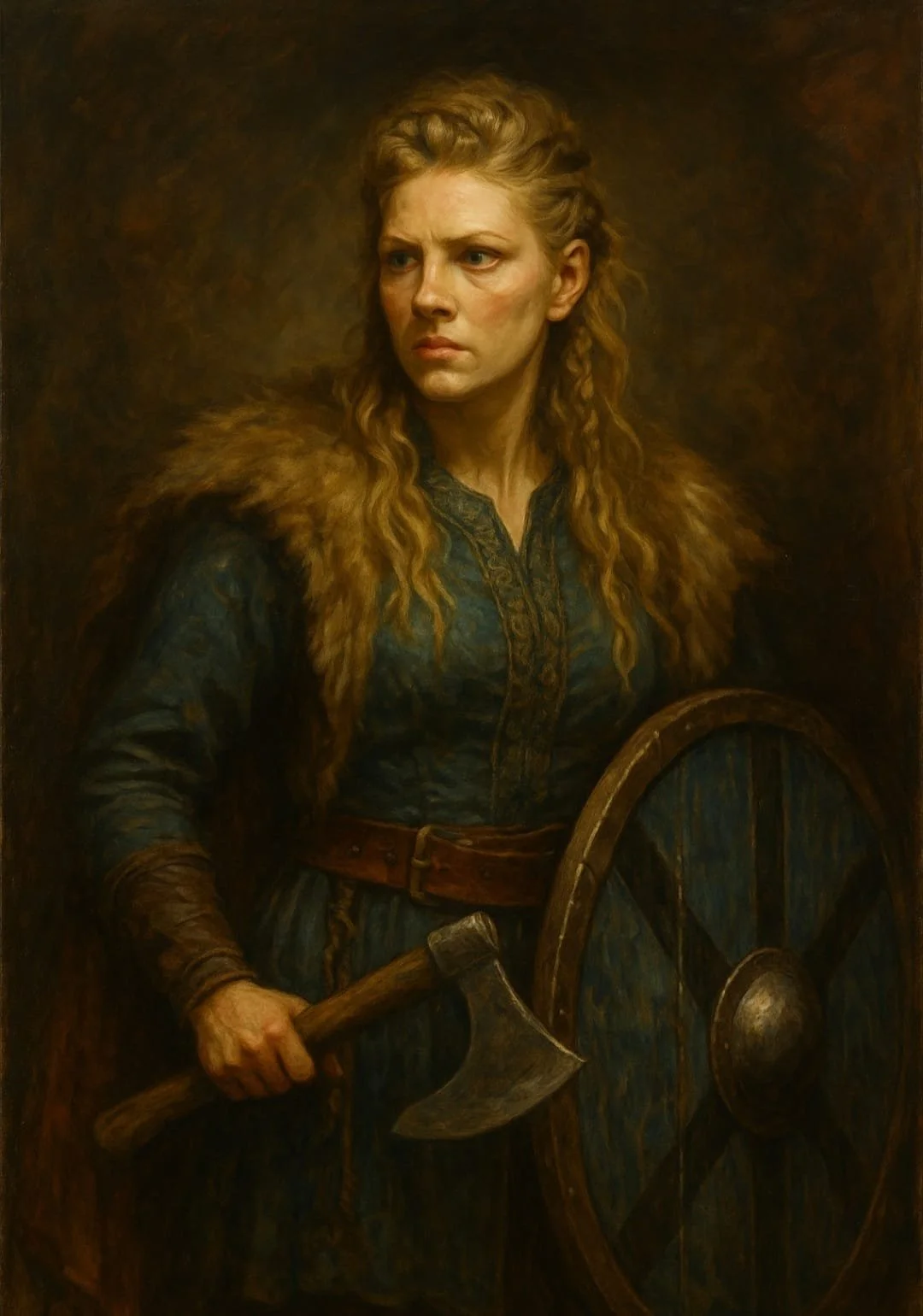
Lagertha: The Shieldmaiden Who Danced With Fate
Lagertha was more than a shieldmaiden - she was storm and steel, queen and warrior. This mythic saga explores her courage, leadership, and the fierce dance between fate, honor, and choice.
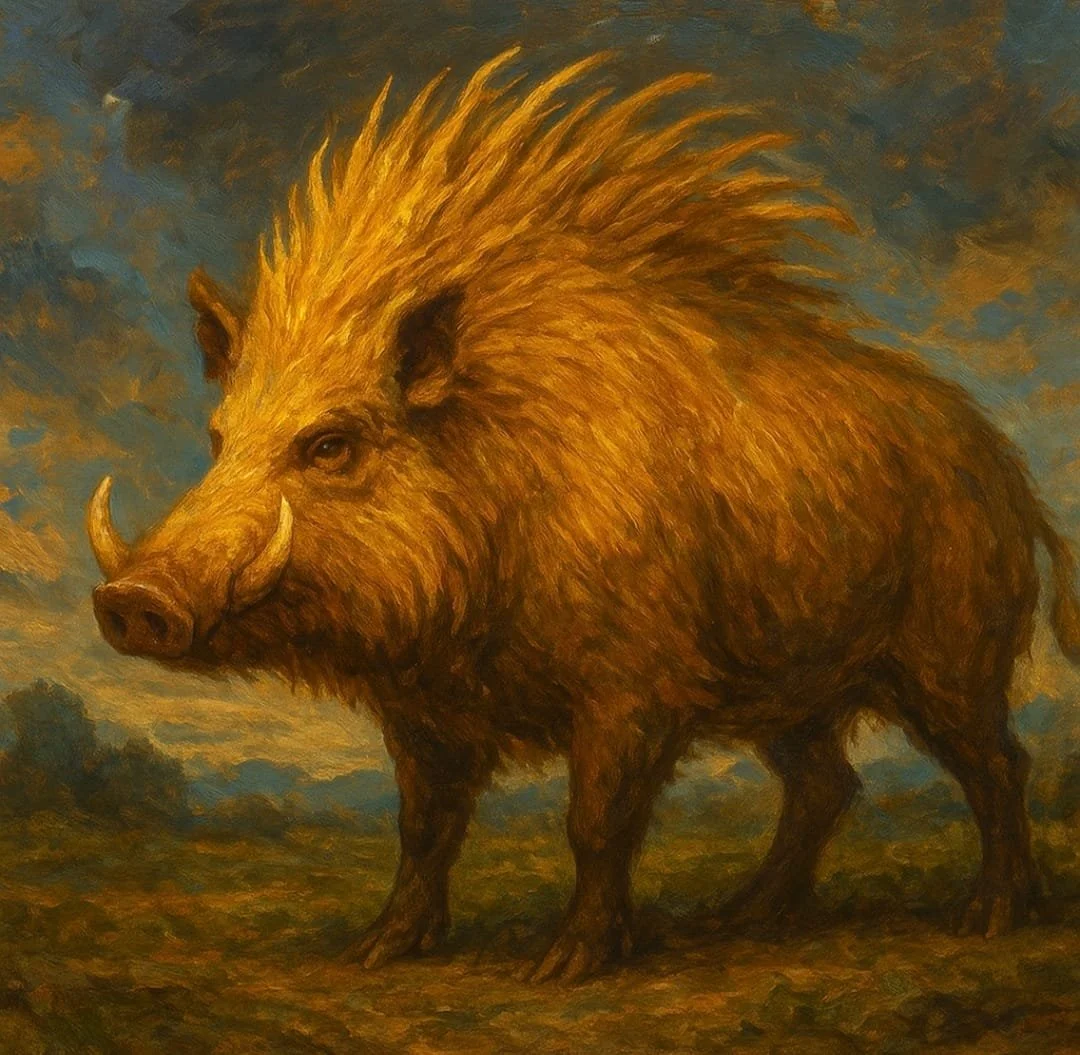
Gullinbursti: Brilliance in Motion
Forged of gold and fire, Gullinbursti is light in motion - the courage that runs before understanding and the brilliance that dares the dark. This mythic meditation explores hope, momentum, and the radiant force that carries dawn through winter.
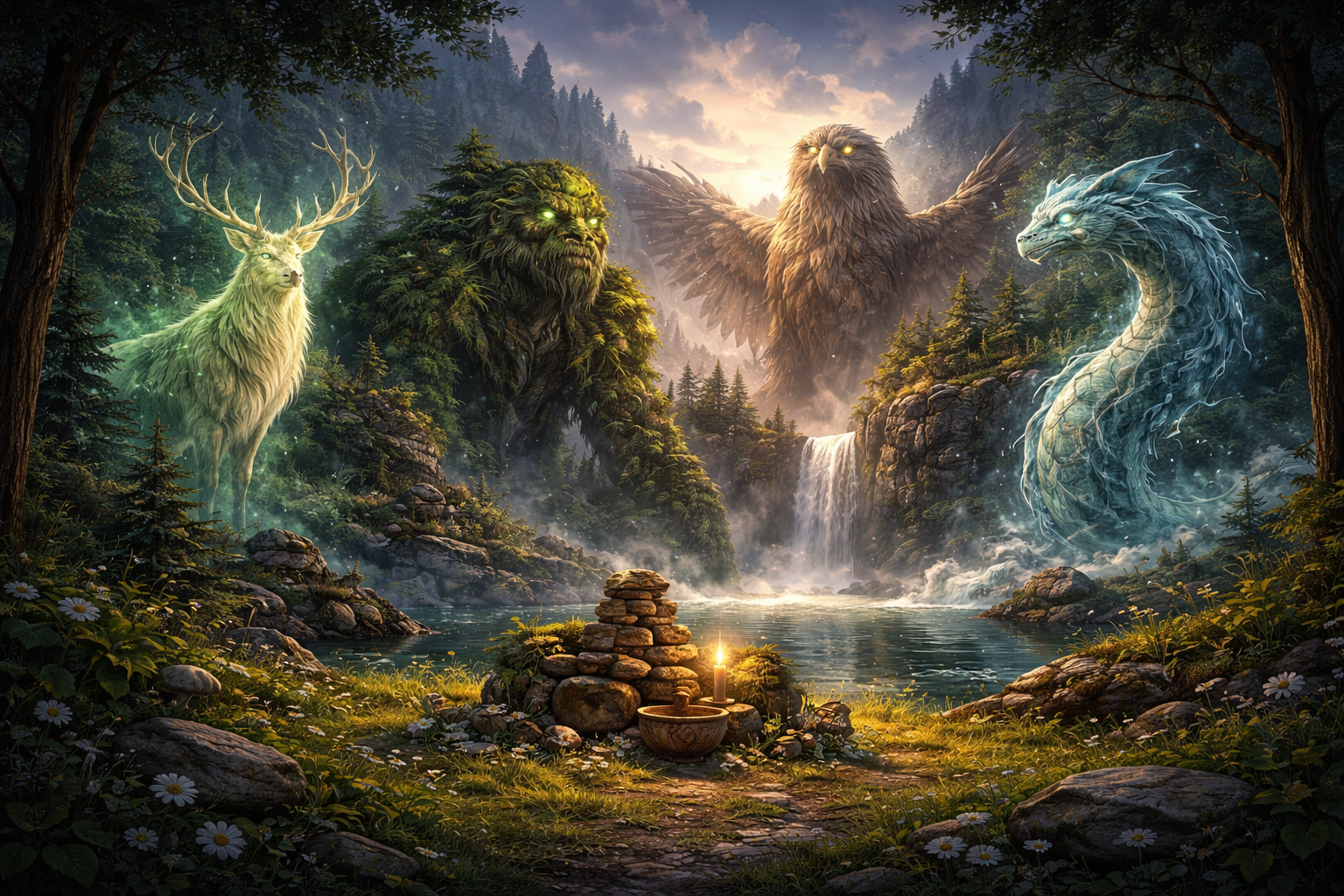
Landvættir: The Nature Spirits of Norse Belief
Landvættir are the ancient spirits of the land in Norse belief - guardians of hills, rivers, forests and the spaces we call home. In this article, we explore their history, lore, and symbolism, along with how to honour and connect with them today.
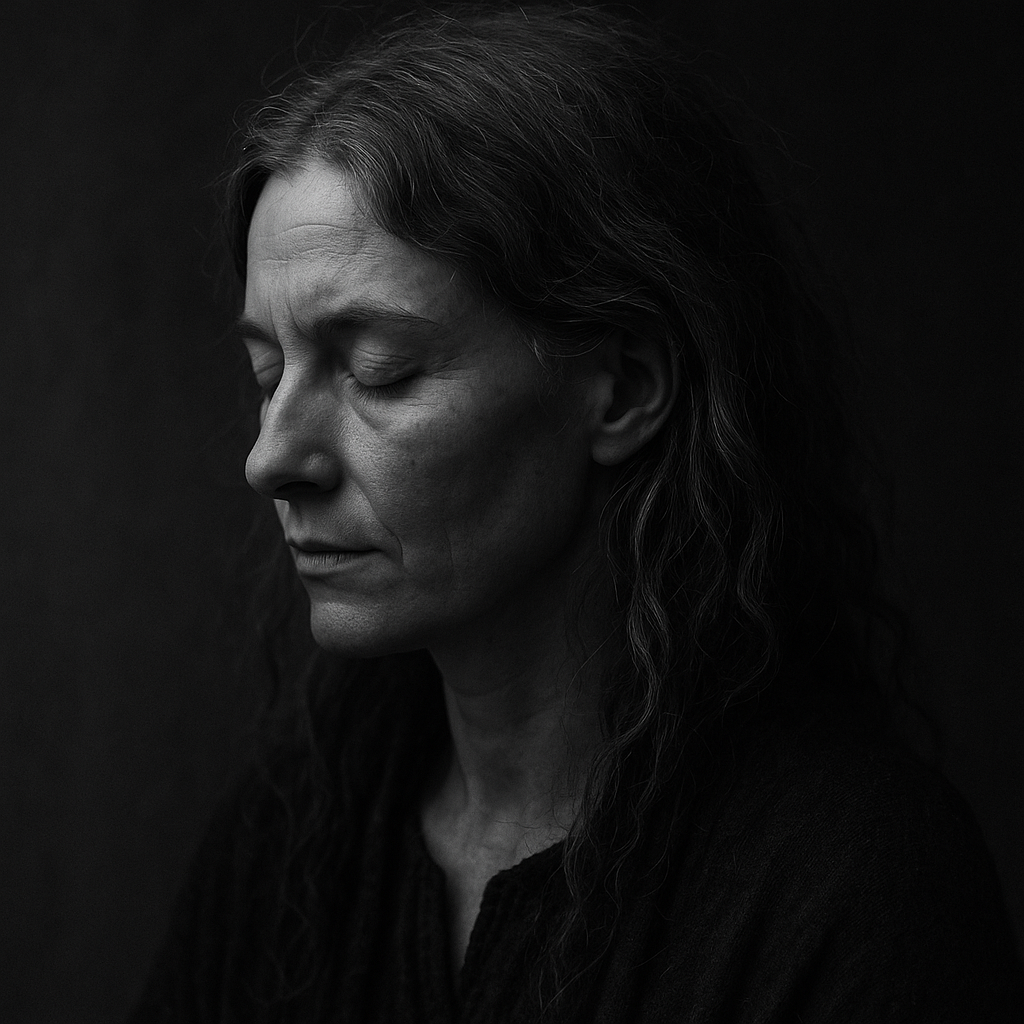
Seiðr Craft - Chapter 13: The Three Voices: Instinct, Emotion, and Vision
In seiðr, three voices speak within the practitioner: instinct from the bones, emotion from the heart, and vision from the deep eye of the craft. This chapter teaches how to hear them clearly, hold them in balance, and choose the thread that truly holds.
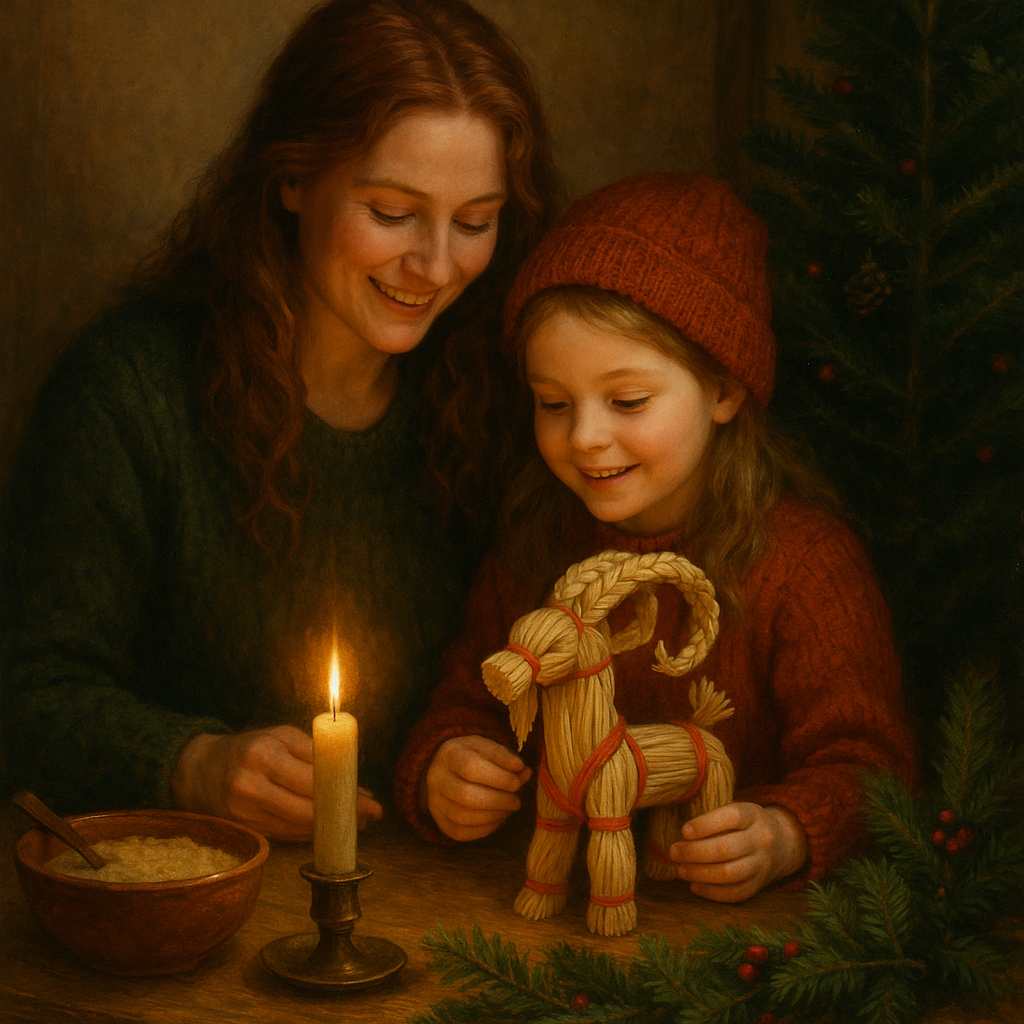
Norse Jól (Yule) for Kids: Simple, Family-Friendly Ways to Teach the Old Traditions
Norse Jól doesn’t need to be complex or historically heavy for children. In this guide, I share simple, authentic, and age-appropriate ways to introduce the old northern traditions (alongside modern Yule) so kids feel included, supported, and connected. From storytelling and straw goats to nature walks and gentle winter symbolism, these activities help families create meaningful Jól memories without pressure or dogma.