

Wyrd & Flame Articles
The Wyrd & Flame blog gathers articles exploring Norse tradition, the Elder Futhark runic system, mythology, and the cultural world of the early Germanic peoples. These articles aim to provide clear and thoughtful exploration of northern traditions while maintaining awareness of the historical sources and cultural context behind them.
Across the blog you will find studies of the runes, discussions of Norse cosmology, mythological themes, folklore, and guides designed to help readers explore these subjects in greater depth.
Whether you are beginning your study of the runes or expanding your understanding of Norse tradition, the articles published here aim to provide structured knowledge that goes beyond surface explanations.
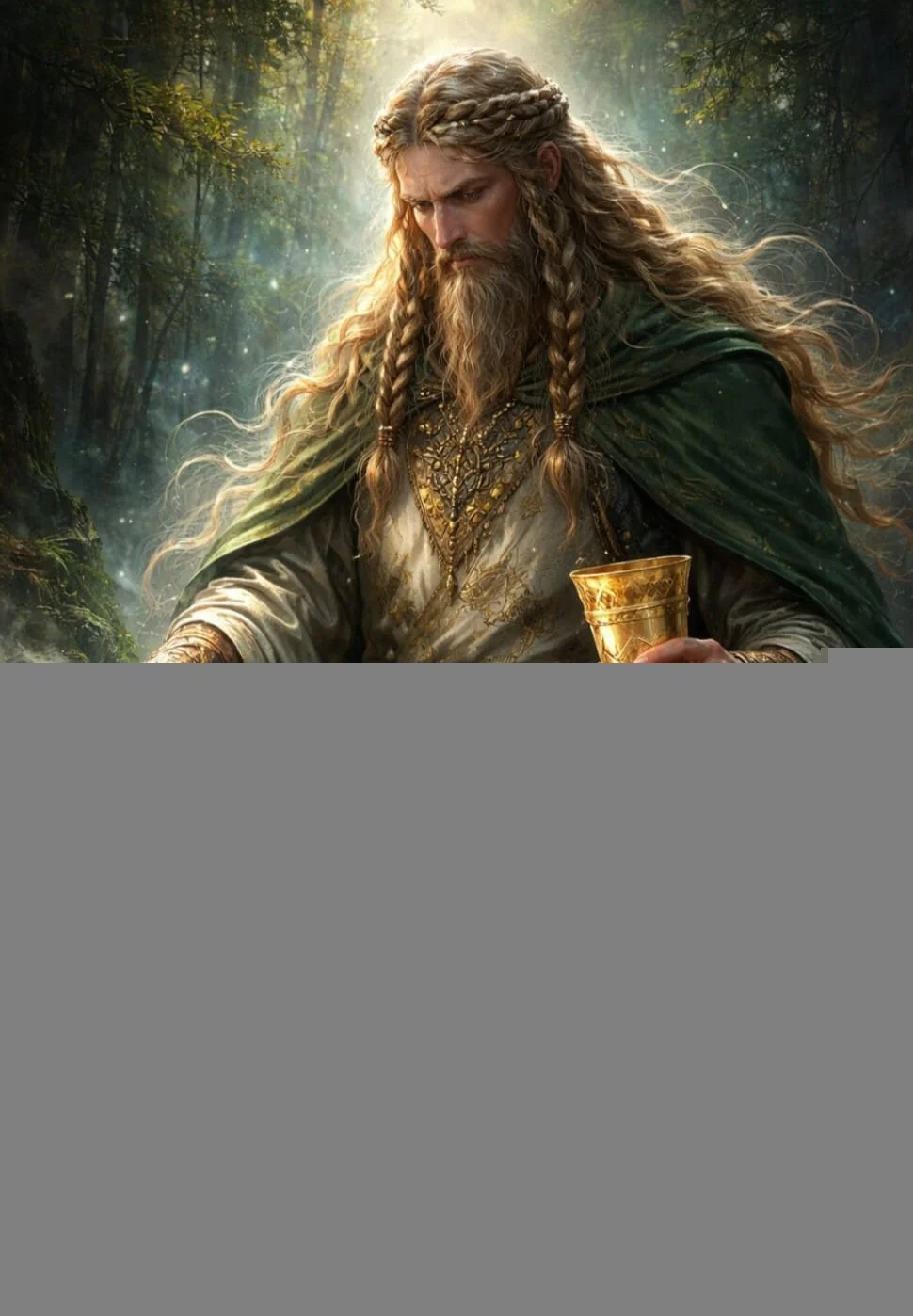
Kvasir: The Breath That Knows
Kvasir is the breath of wisdom in Norse cosmology - born from the shared essence of the Æsir and Vanir, and later transformed into the Mead of Poetry. His story is not about owning knowledge, but letting it move through the world as inspiration, insight, and living speech. This mythopoetic meditation explores Kvasir’s origins, his death and transformation, and why wisdom must flow to remain alive.
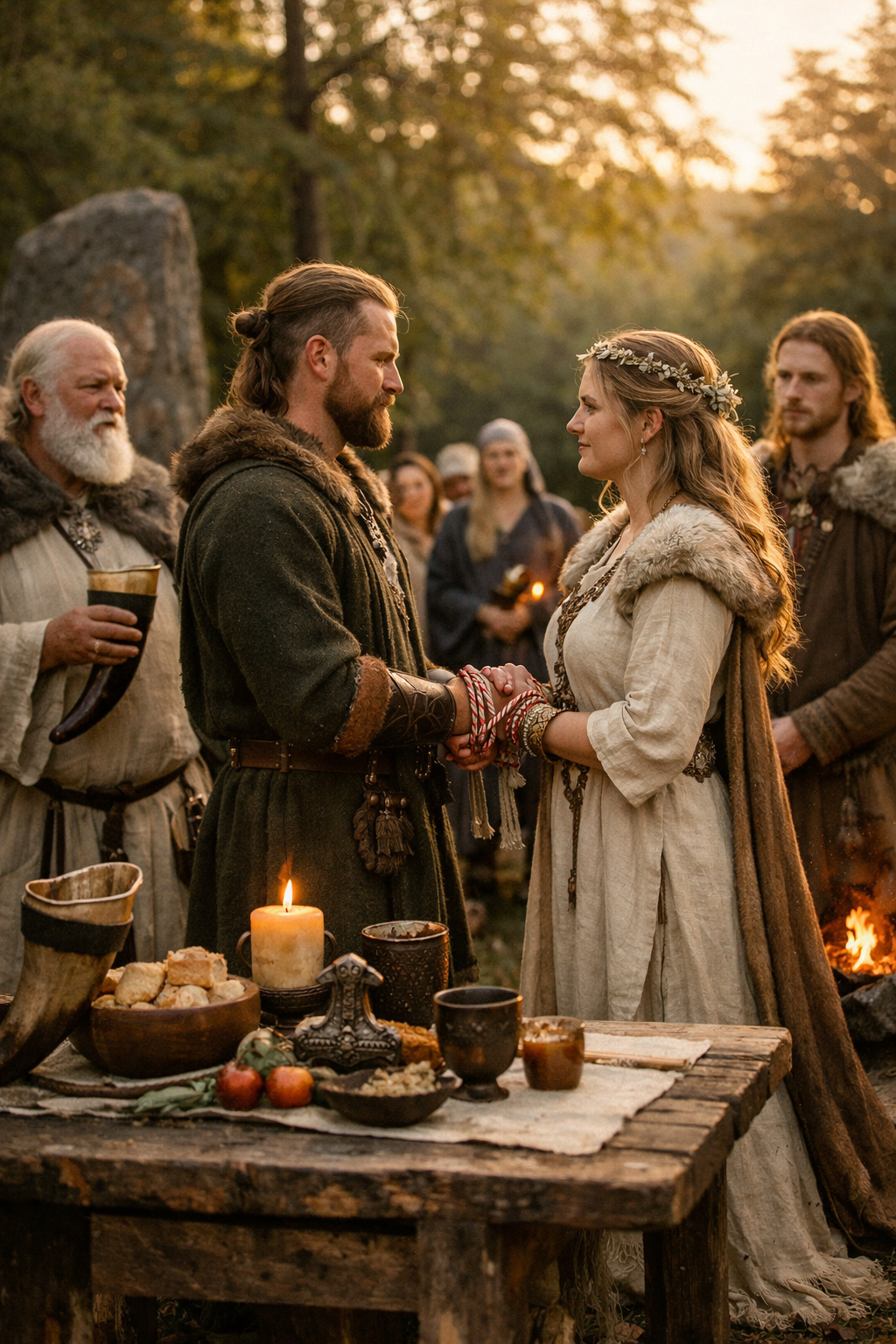
Norse Marriage: History, Rituals, and Sources
Marriage in the Norse world was more than a romantic union. It was a formal agreement between families that shaped alliances, property, and social peace. By looking at saga literature, law codes, and archaeological evidence, we can understand how Viking Age marriages were arranged, celebrated, and recognised within the community.
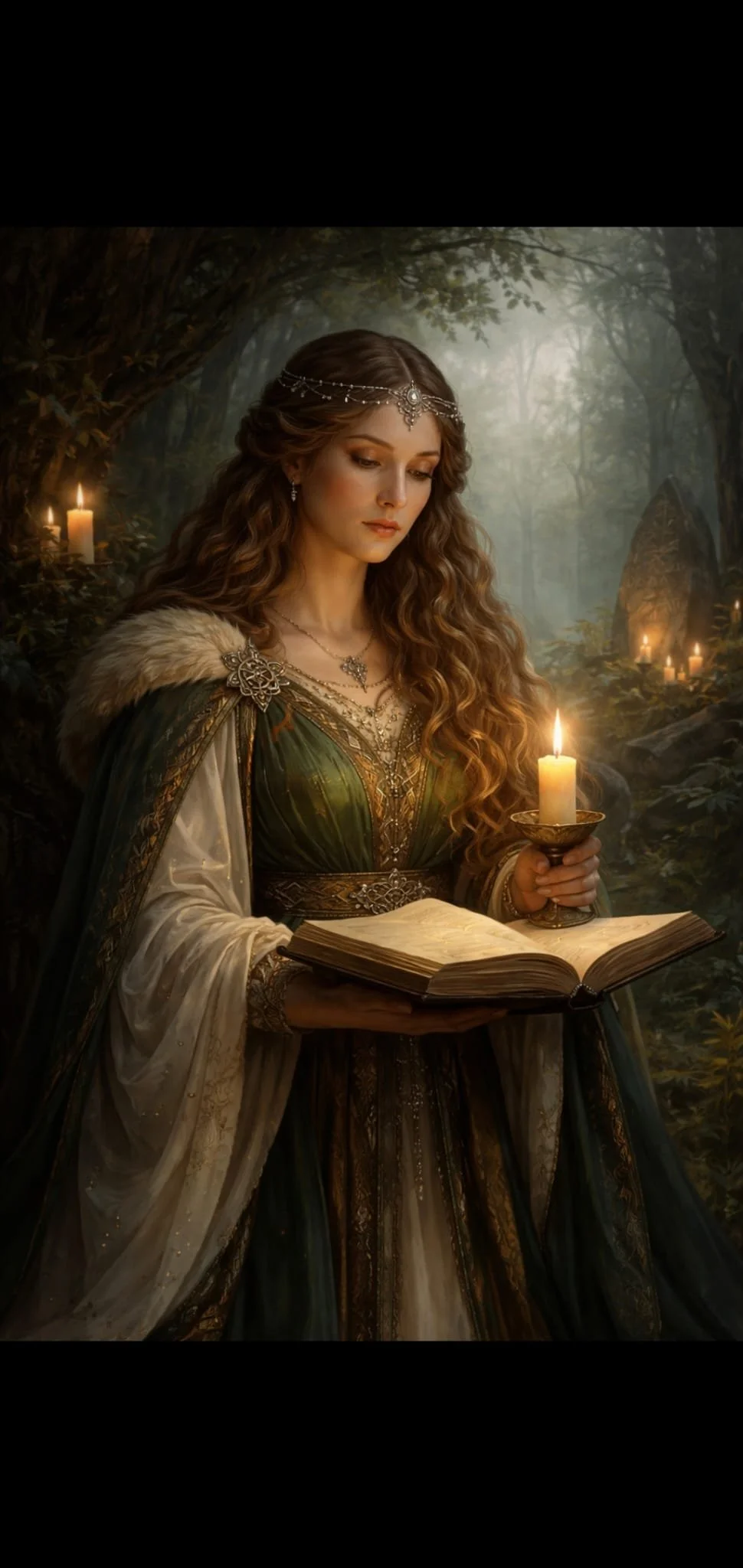
Snotra: The Quiet Guide of Thought and Deed
Snotra is a lesser-known figure in Norse cosmology, yet her influence represents one of the most important forces in human decision making: prudence. Associated with reflection, restraint, and thoughtful judgment, she embodies the quiet wisdom that guides action before consequences unfold. This meditation explores her symbolism, role in mythic imagination, and the enduring importance of careful thought in a world often driven by impulse.
Seiðr Craft - Chapter 21: Signs, Not Stories
In seiðr, not every sign is a message and not every moment requires explanation. This chapter explores the difference between noticing a sign and turning it into a story. By learning to observe without forcing meaning, practitioners allow patterns, timing, and repetition to reveal their place within the wider weave of events. Sometimes the wisest response is not interpretation, but patience and restraint.
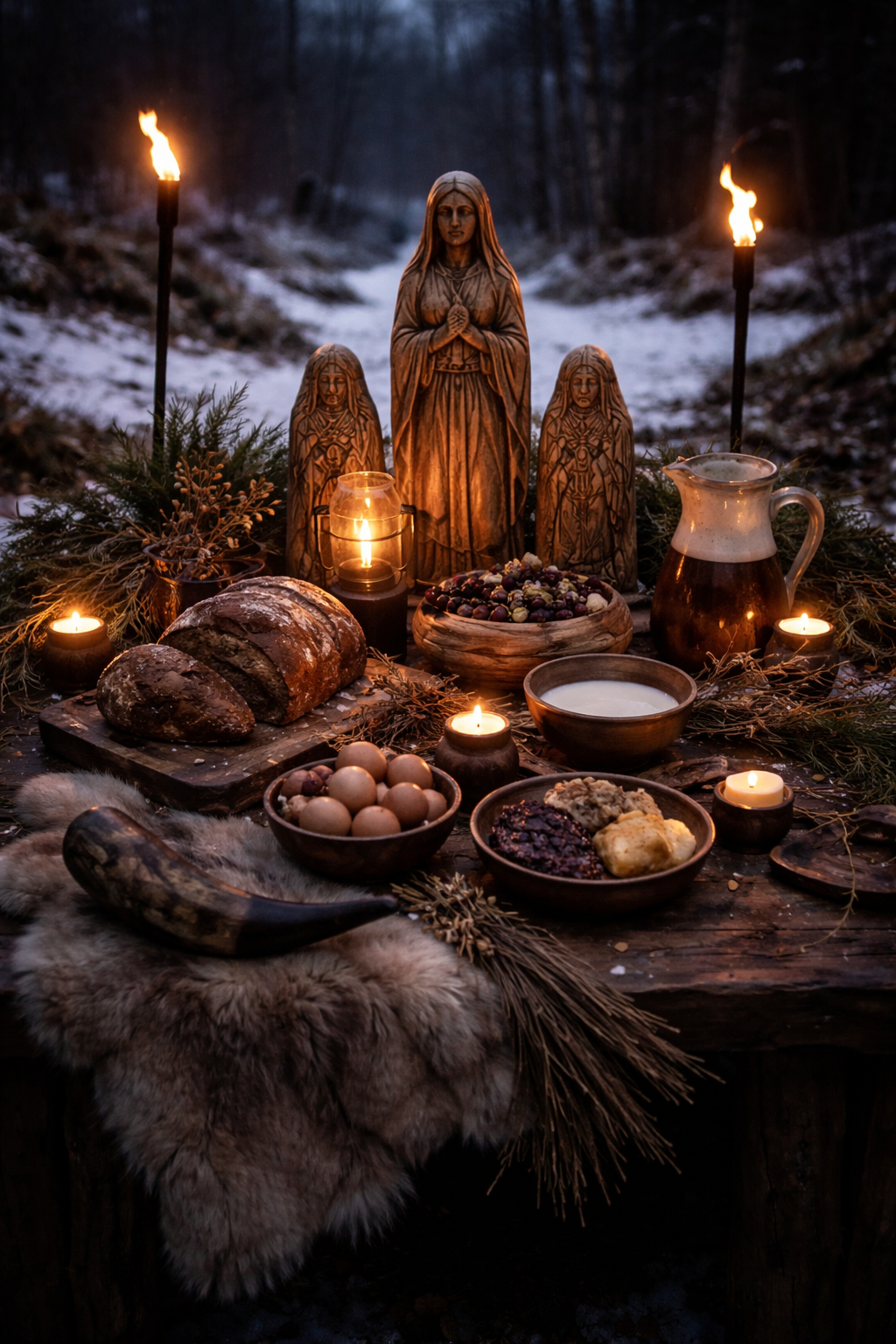
Dísablót: The Norse Rite of the Ancestral Dísir
Dísablót was a late-winter Norse rite honouring the dísir - protective female powers linked to lineage, continuity, and survival. Far from decorative ritual, it reinforced kinship, stability, and the strength of the bloodline before the turning of the season.
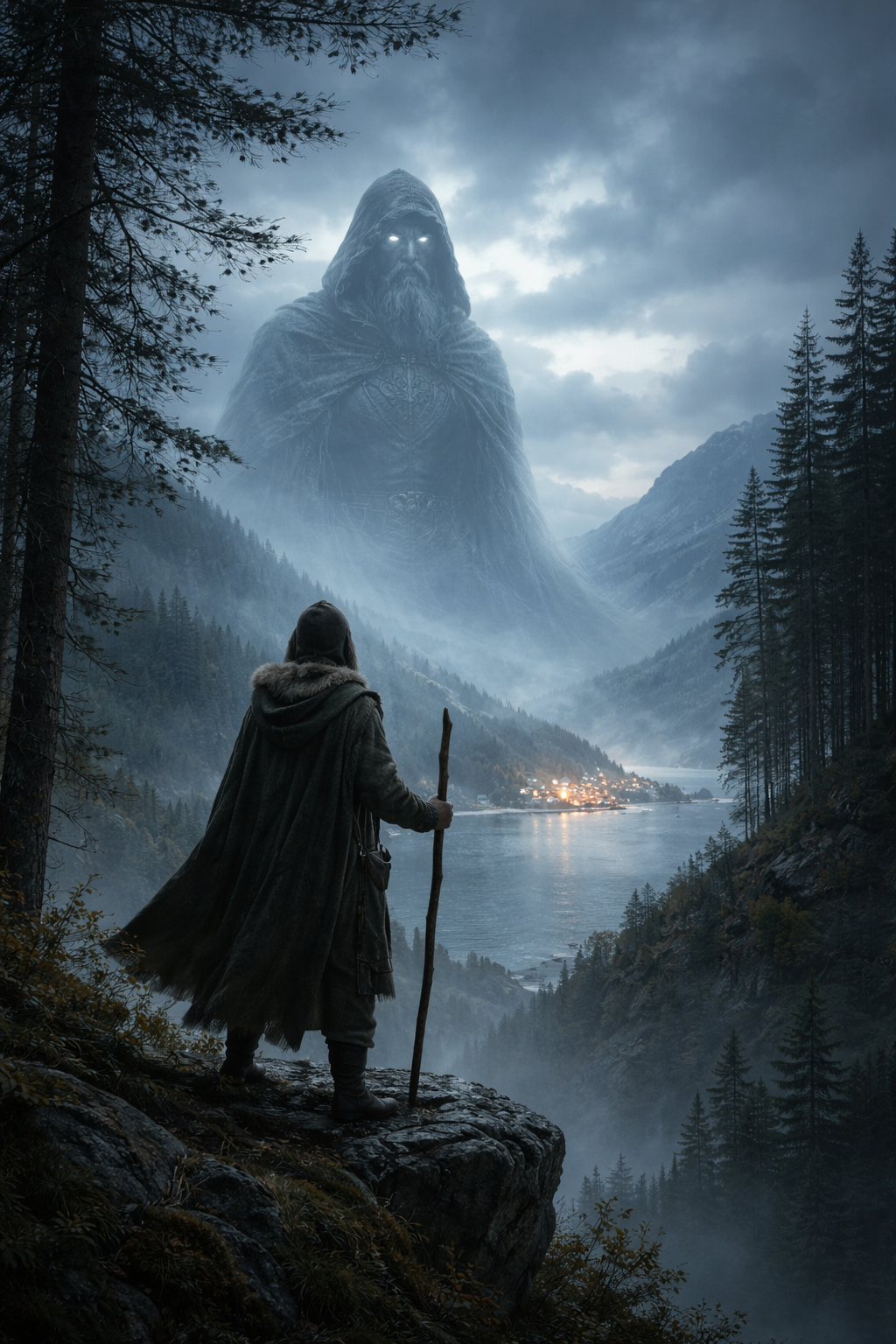
Vörðr - The Hidden Guardian of Instinct in Norse Belief
Before the mind knows, something else has already sensed the path ahead. The Norse called this quiet watcher the Vörðr - the part of the soul that steps into the future before we arrive.
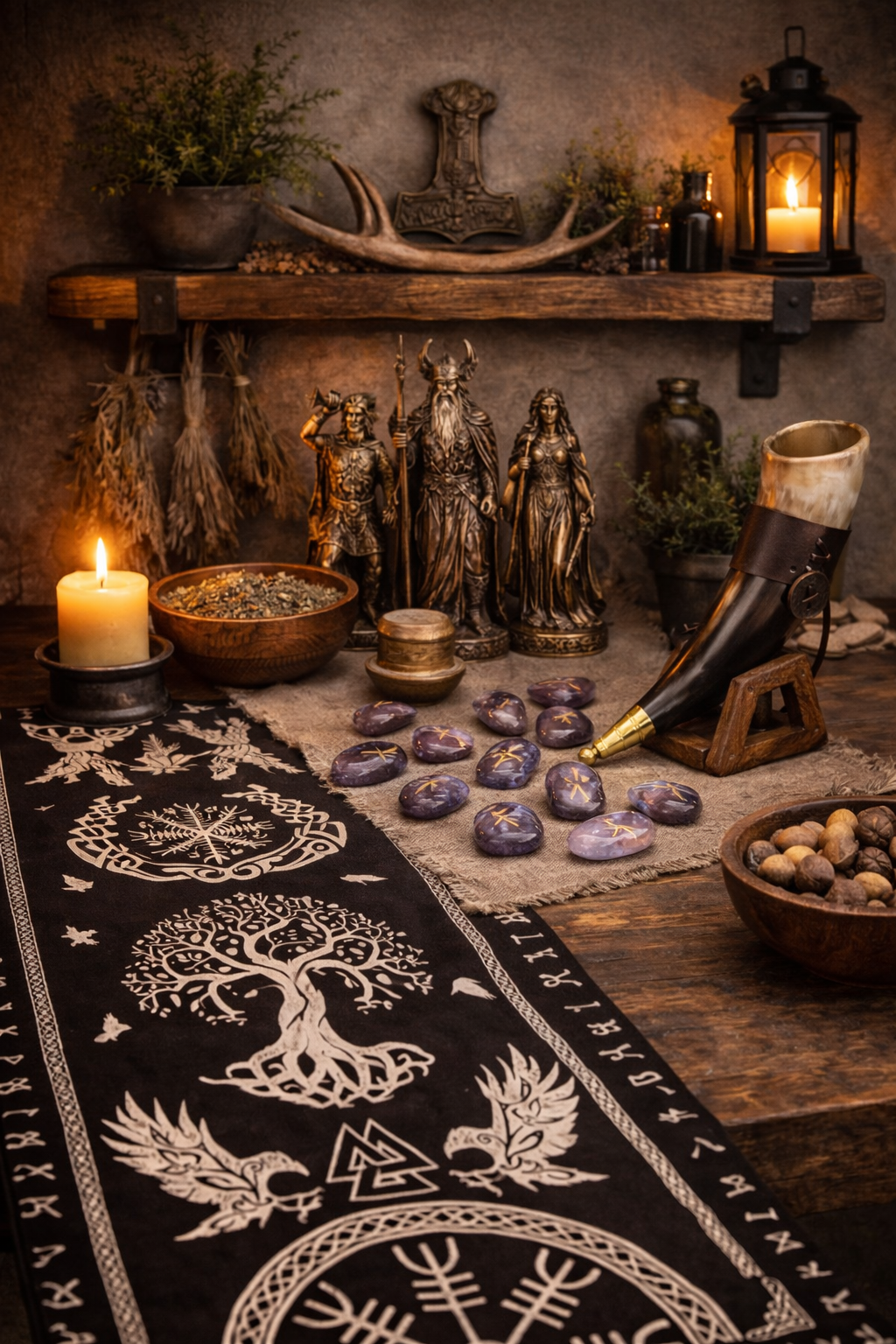
Best Things to Buy for a Norse Altar (Practical & Authentic Guide)
If you are building a Norse altar, it can be difficult to know what you actually need. This guide cuts through the noise and breaks it down clearly. No gimmicks. No trend décor. Just solid, meaningful items that serve a purpose on a working Norse altar.
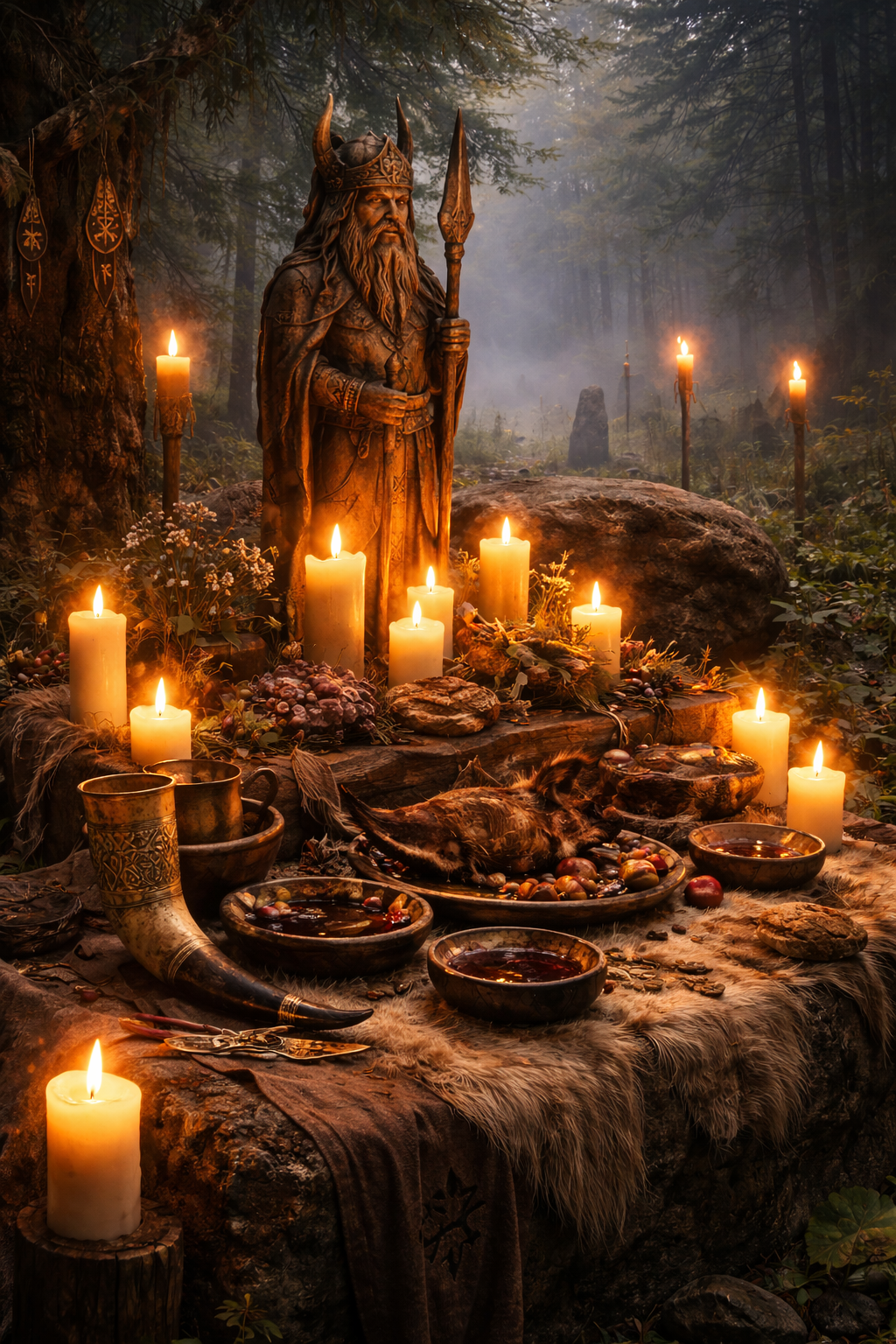
What Is a Blót? Norse Pagan Offerings, Rituals and Meaning
A blót is not a spell or a performance. It is an act of giving that binds humans, gods, ancestors, and land into right relationship. This article explores how sacred offering and reciprocity shaped Norse spiritual life, then and now.
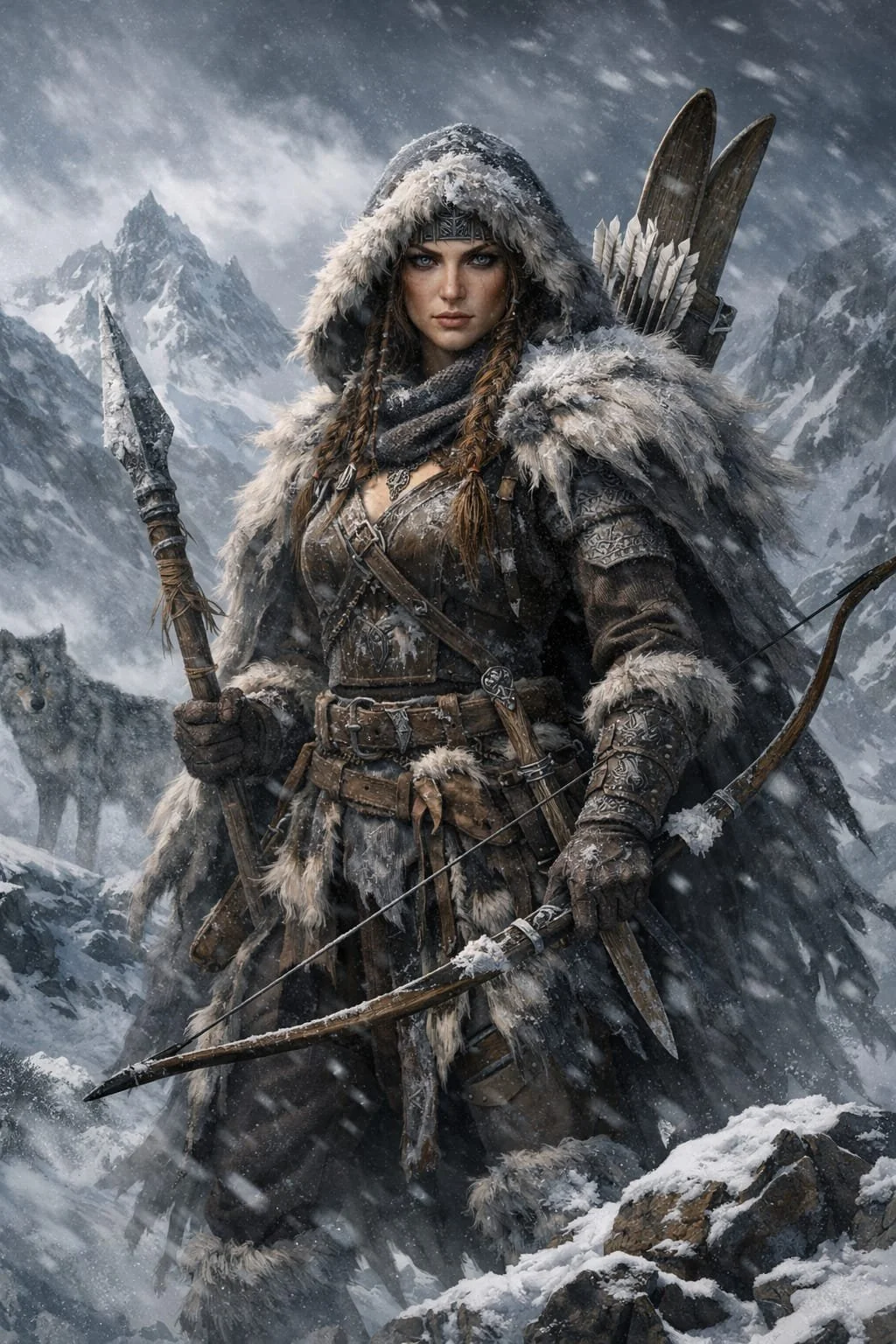
Skaði: The One Who Chooses the Cold
Skaði is remembered not for conquest or submission, but for choosing. Goddess of winter, mountains, and justice, she embodies endurance without consolation and autonomy without apology. This mythopoetic exploration reveals Skaði as the archetype of chosen hardship - the clarity that comes when comfort is refused.
Chapter 20 Seiðr Craft - Chapter 20: Learning the Language of the Unseen
The unseen does not speak in words. It moves through sensation, timing, silence, and subtle shifts in behaviour long before it forms anything the mind can name. In this chapter of Seiðr Craft, we explore how meaning is perceived rather than interpreted, why the body is the first translator, and how misreading or forcing understanding can break contact. This is a study in restraint, ethics, and learning to live the language of the unseen without claiming ownership of it.
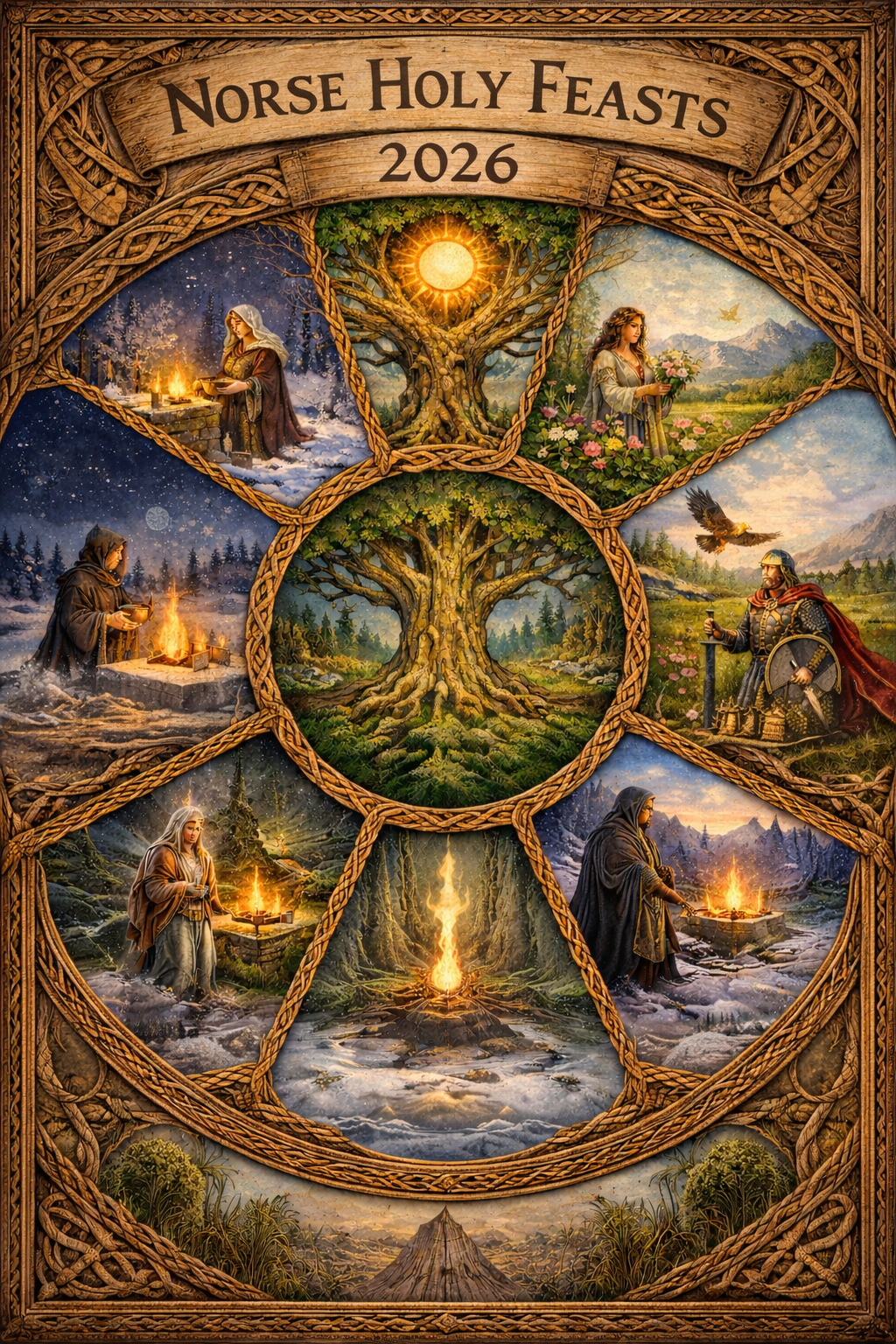
Norse Holy Feasts of 2026 - Sacred Dates, Meaning, and Modern Practice
The Norse sacred year followed the rhythms of moon, season and survival rather than fixed dates. This blog explores the Norse holy feasts of 2026 using a Scandinavian lunar reckoning, explaining when each observance falls, who is honoured, and how sacred time was understood in Northern tradition.
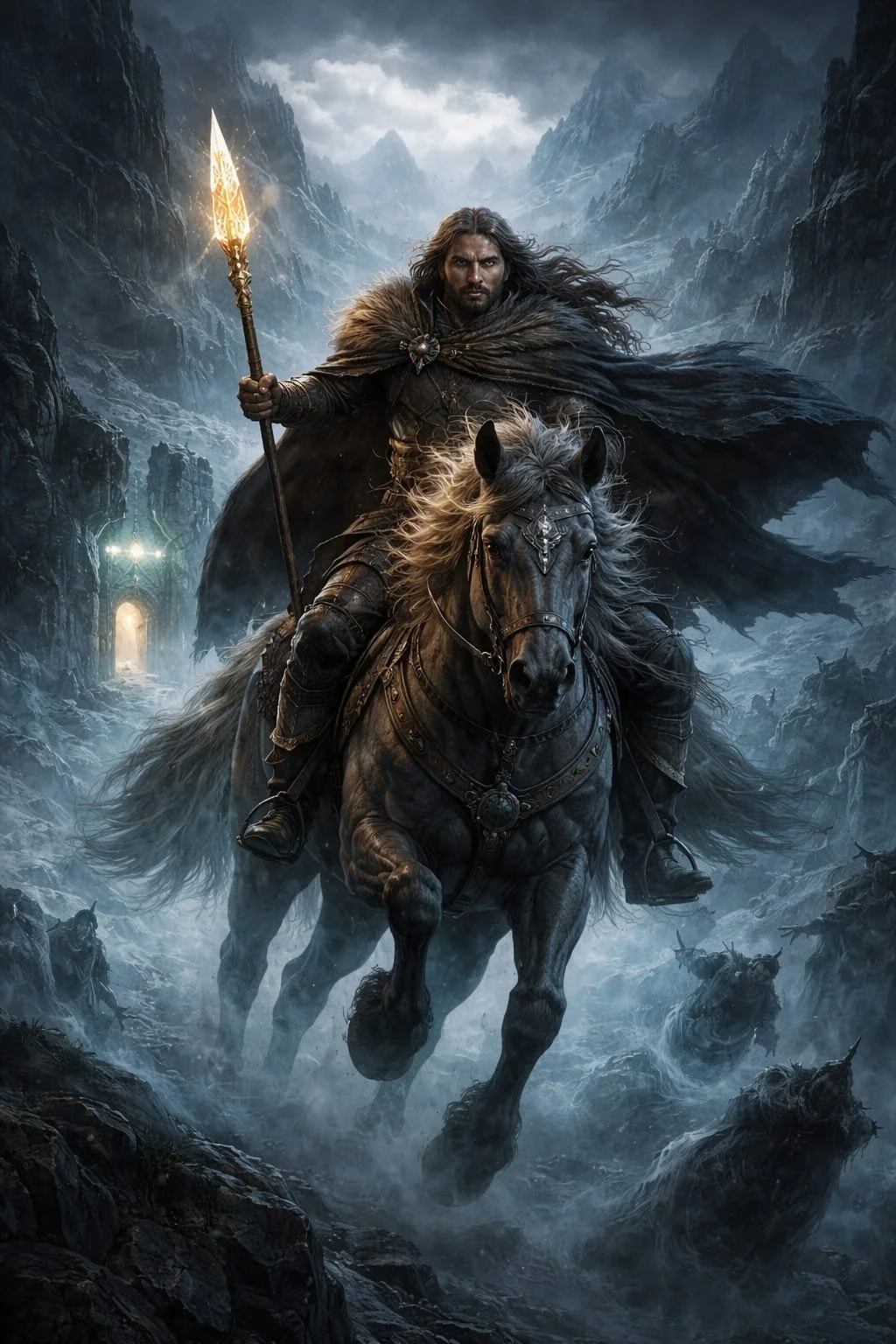
Hermóðr: The One Who Crosses and Returns
Hermóðr is not remembered for victory, but for crossing. Best known for his ride on Sleipnir into Hel after Baldr’s death, he embodies quiet courage, duty, and the sacred work of carrying meaning through grief. This mythopoetic exploration follows the messenger who enters silence without certainty and returns with truth.
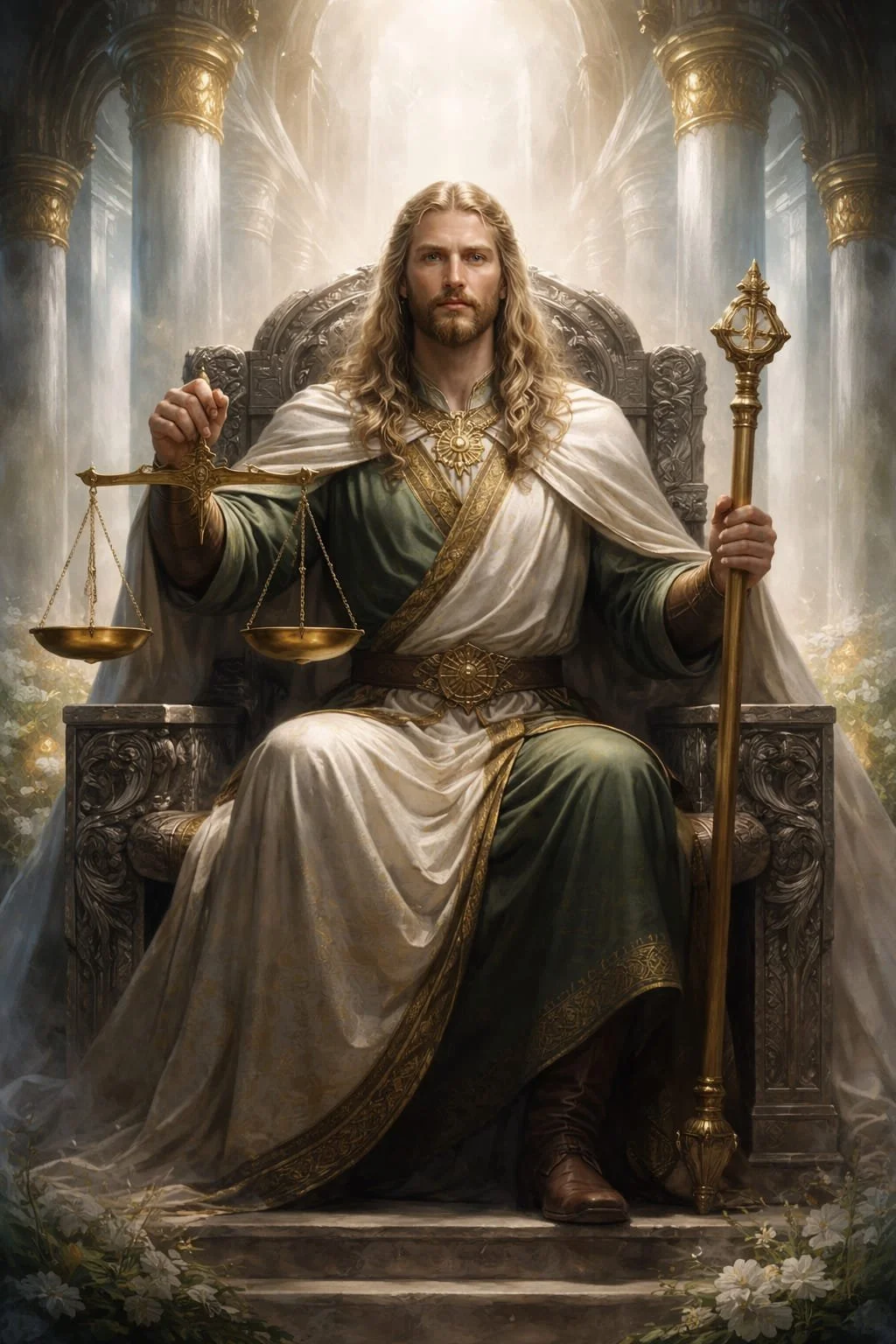
Forseti: Keeper of Balance and Voice of Peace
Forseti is the quiet center of Norse cosmology - the god who steadies chaos through reason, mediation, and balance. Son of Baldr, keeper of Glitnir, and voice of peaceful resolution, Forseti reminds us that true justice is not force, but harmony shaped through insight, patience, and discernment.
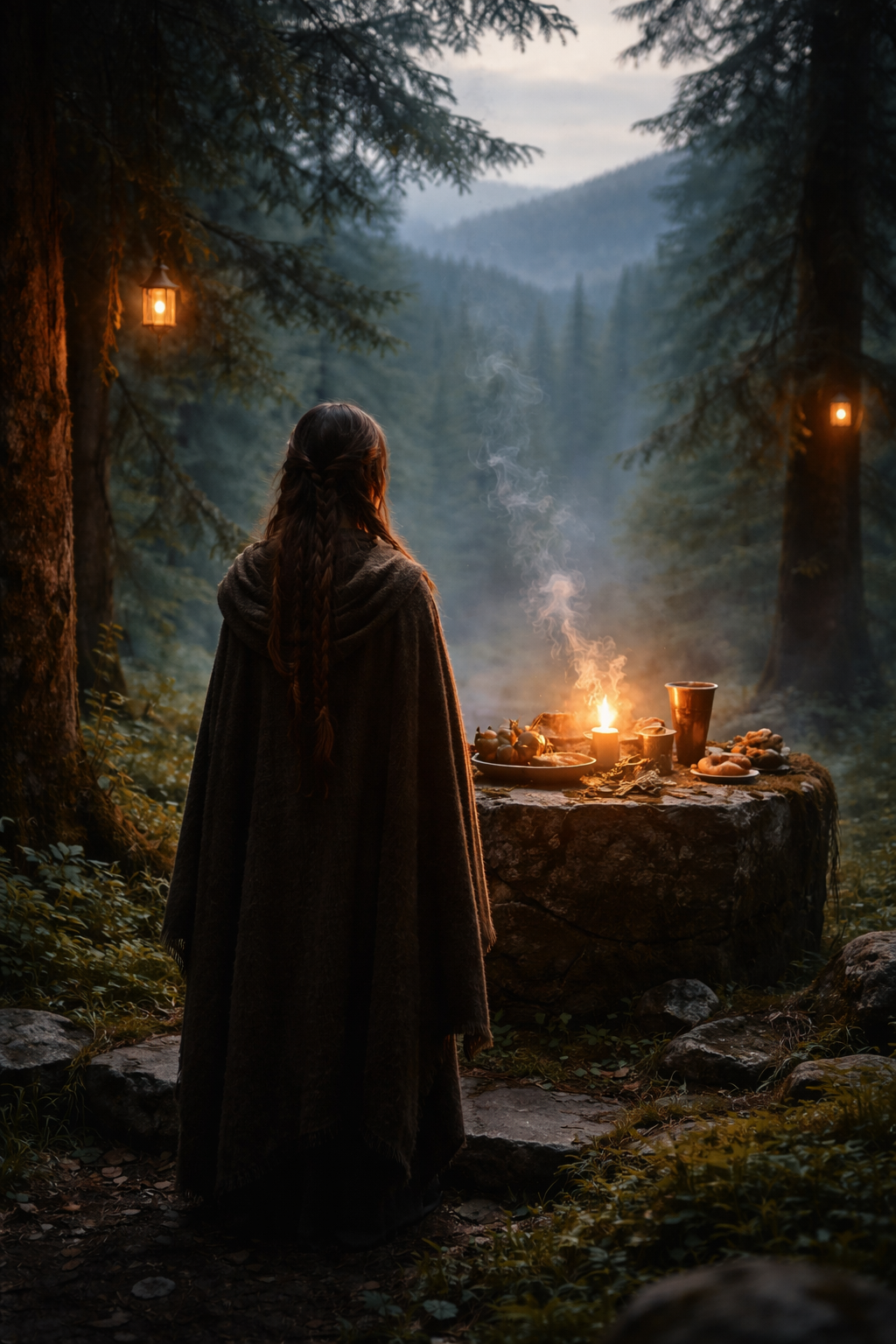
Seiðr Craft - Chapter 19: When the Old Gods Begin to Speak
There comes a point on the seiðr path when the work stops feeling like study and starts feeling like response. Not because you forced a sign, but because something noticed you were listening. This chapter explores how the old gods tend to approach quietly through pattern, timing, dreams, and silence, and how to meet that attention with restraint, discernment, and grounded boundaries.

The Norse Creation Story: Fire, Ice & The Birth of the Cosmos
Before gods ruled in Asgard and before humans walked Midgard, there was only silence - a vast void where fire and ice drifted toward one another. From that meeting came Ymir, Audumbla, the first gods and the shaping of the world itself. This blog follows the Norse creation story from the birth of the cosmos to the rise of mankind, exploring the forces, realms and meaning behind it.
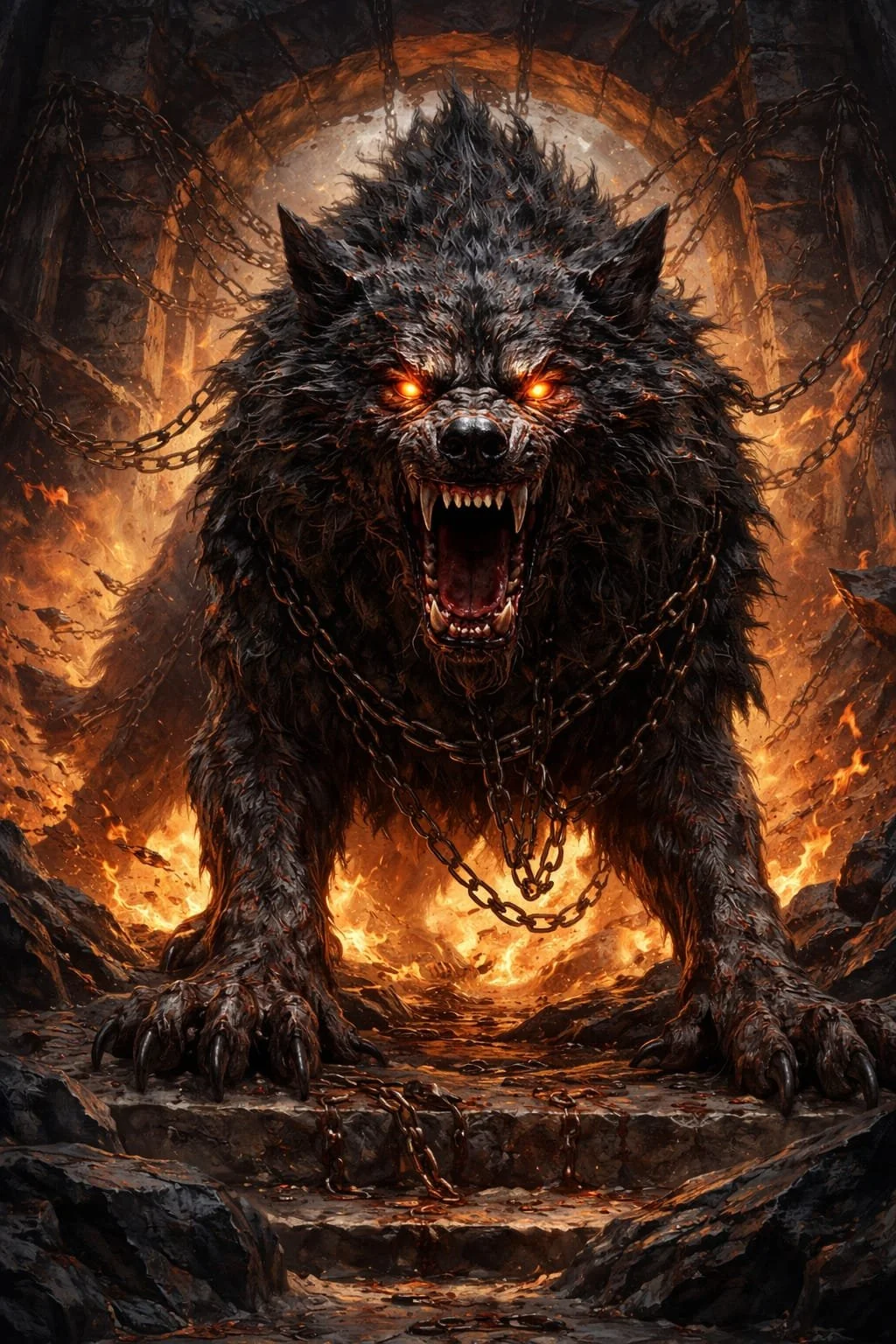
Garmr: The Hound Who Guards the End
Garmr is the hound who stands where life must stop. Guardian of Hel and herald of Ragnarök, he embodies the sacred power of boundaries, restraint, and necessary endings. This mythopoetic exploration reveals Garmr not as a monster, but as the principle that keeps the world from unraveling.
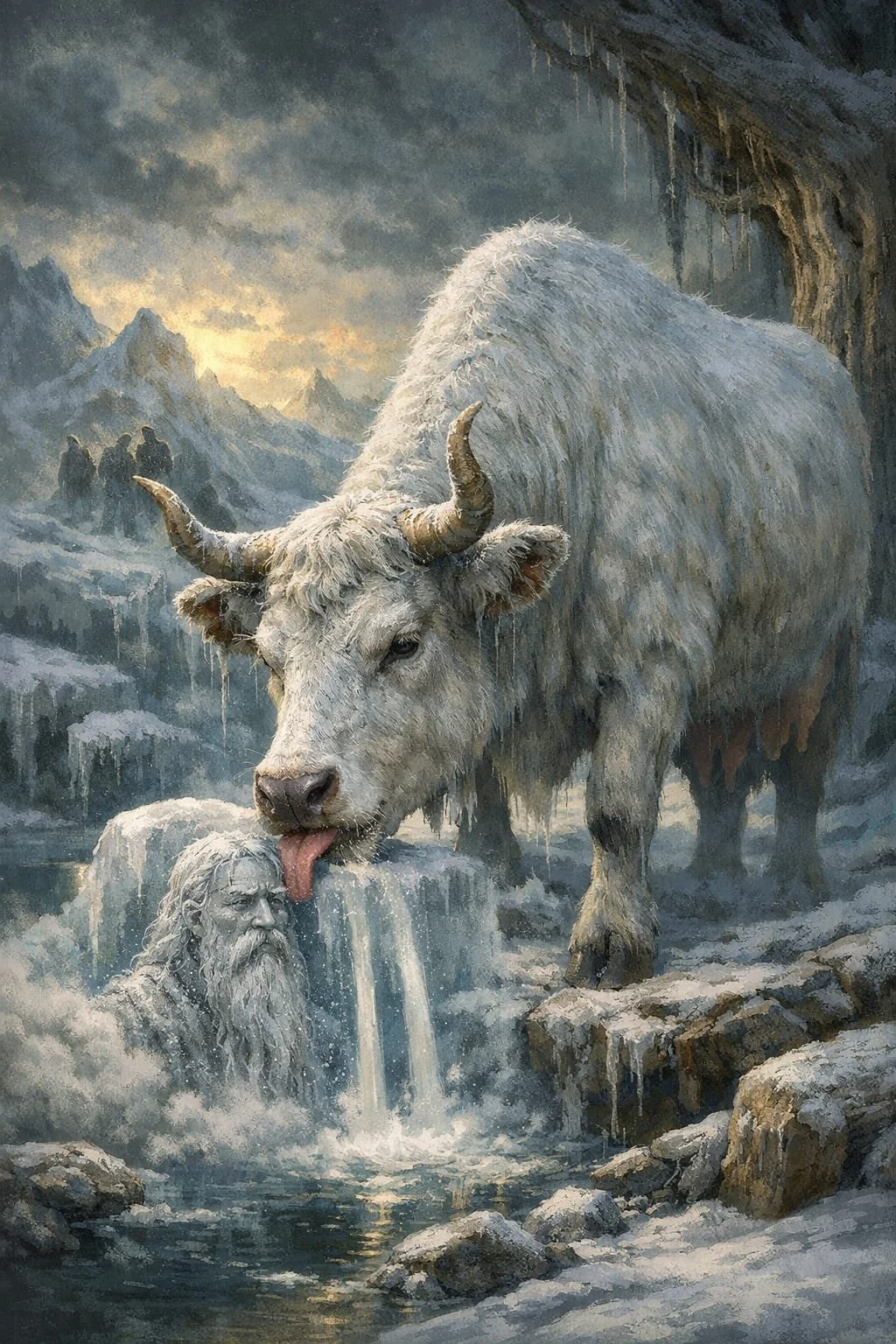
Auðhumla: The Cow Who Licked the World Awake
Auðhumla, the primeval cow of Norse cosmology, awakens creation not through force, but persistence. Her steady motion births time, form, and Wyrd - reminding us that endurance itself is sacred.
Seiðr Craft - Chapter 18: The Quiet Initiations
Initiation in Seiðr is not marked by ceremony or applause. It arrives in silence - in the unraveling of who you were, the aching reshaping of the self, and the slow return of the unseen when you are ready. These are the quiet initiations, the ones that change you without witness, that refine you into someone who can walk deeper than before.
Goði & Gyðja - Norse Priests, Leaders and Keepers of the Old Ways
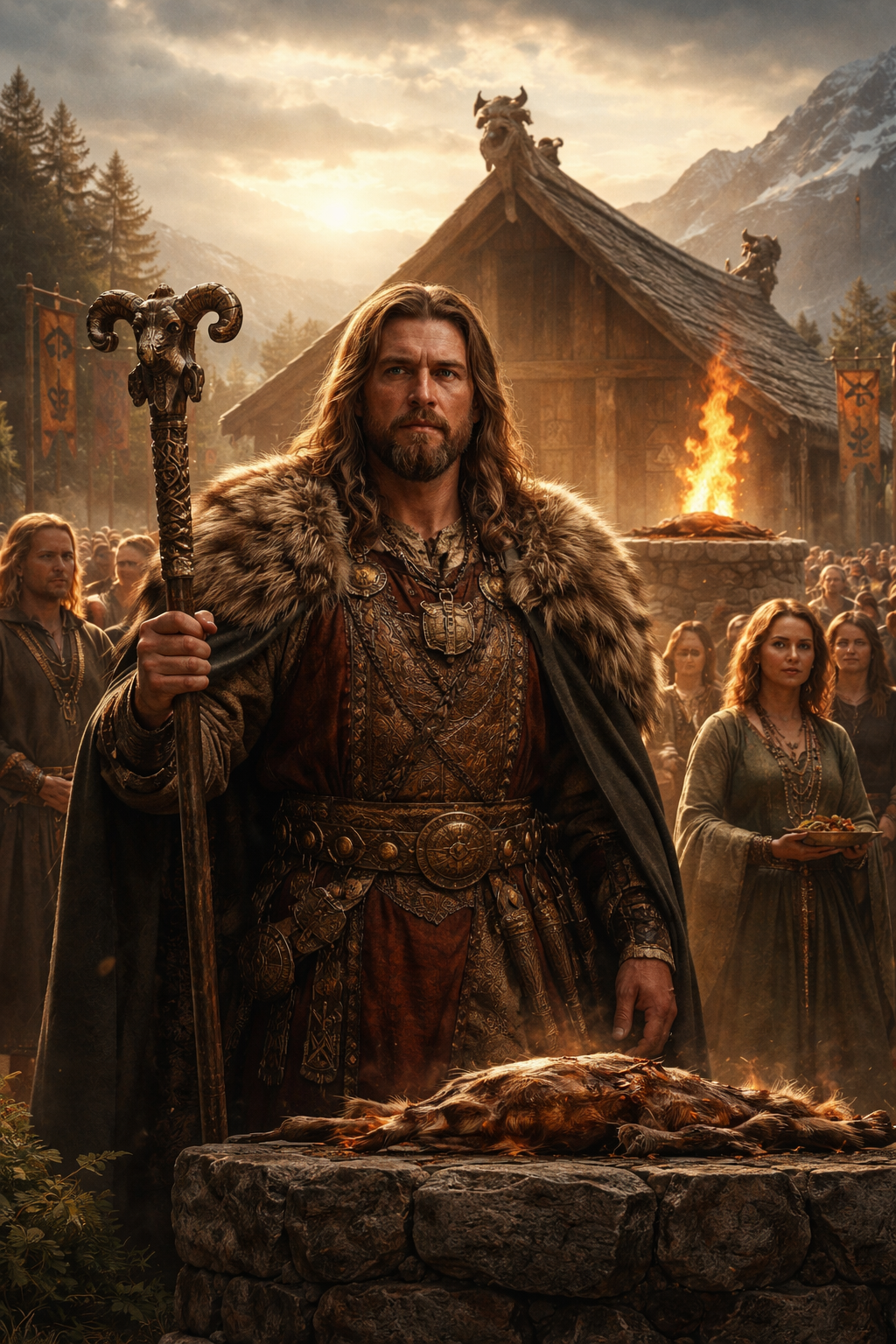
The goði and gyðja were central figures in Norse society, acting as ritual leaders, legal representatives and community guides. This article explores their historical role, presence in the sagas, and lasting cultural significance.
Fossegrim: The Keeper Who Dwells in Falling Water
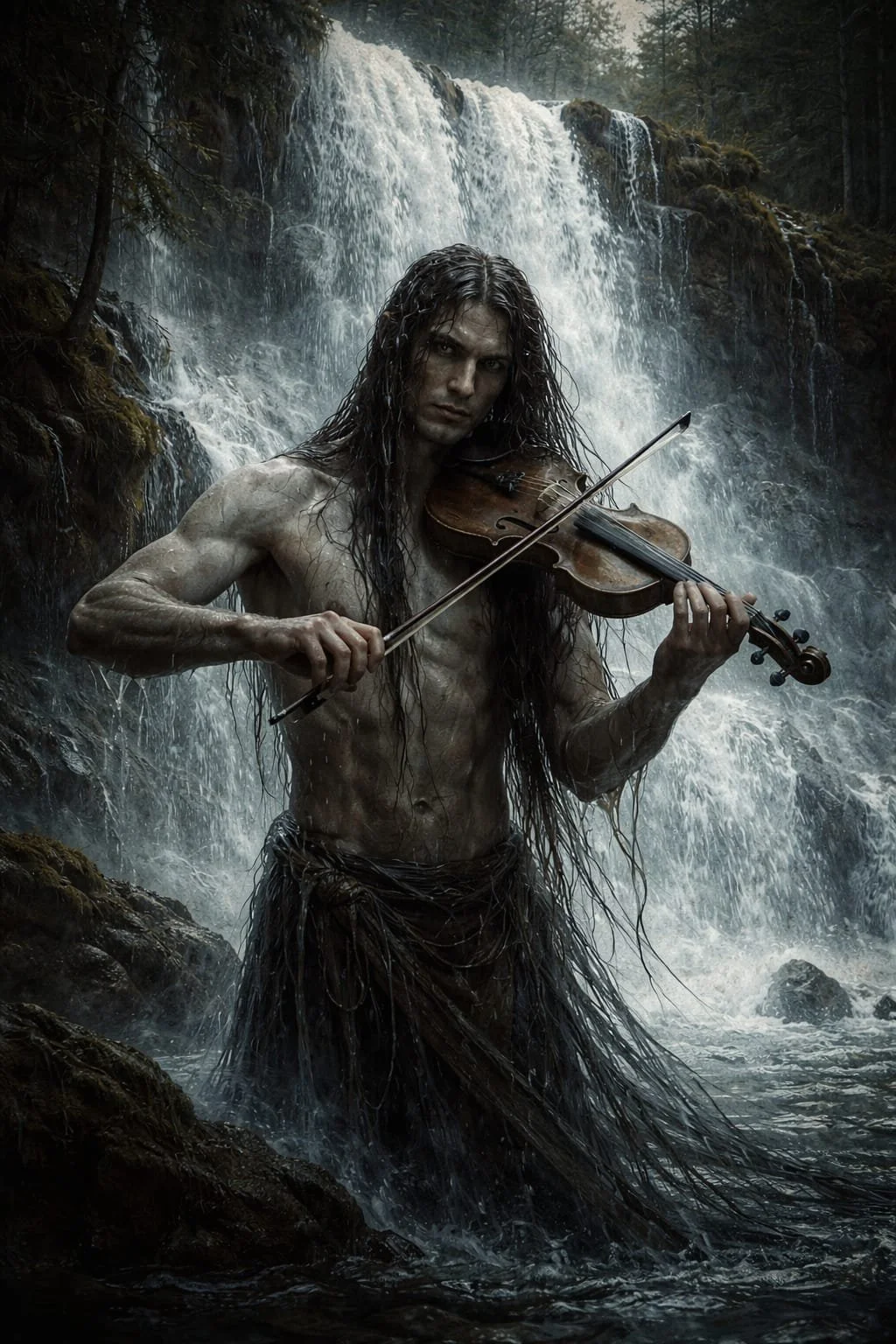
The Fossegrim is not a god, nor a trickster, nor a demon. He is what forms when repetition becomes devotion and sound becomes law. Dwelling in waterfalls where gravity never rests, this Norse spirit teaches mastery not through inspiration, but through endurance, sacrifice, and the willingness to be changed.