

Wyrd & Flame Articles
The Wyrd & Flame blog gathers articles exploring Norse tradition, the Elder Futhark runic system, mythology, and the cultural world of the early Germanic peoples. These articles aim to provide clear and thoughtful exploration of northern traditions while maintaining awareness of the historical sources and cultural context behind them.
Across the blog you will find studies of the runes, discussions of Norse cosmology, mythological themes, folklore, and guides designed to help readers explore these subjects in greater depth.
Whether you are beginning your study of the runes or expanding your understanding of Norse tradition, the articles published here aim to provide structured knowledge that goes beyond surface explanations.
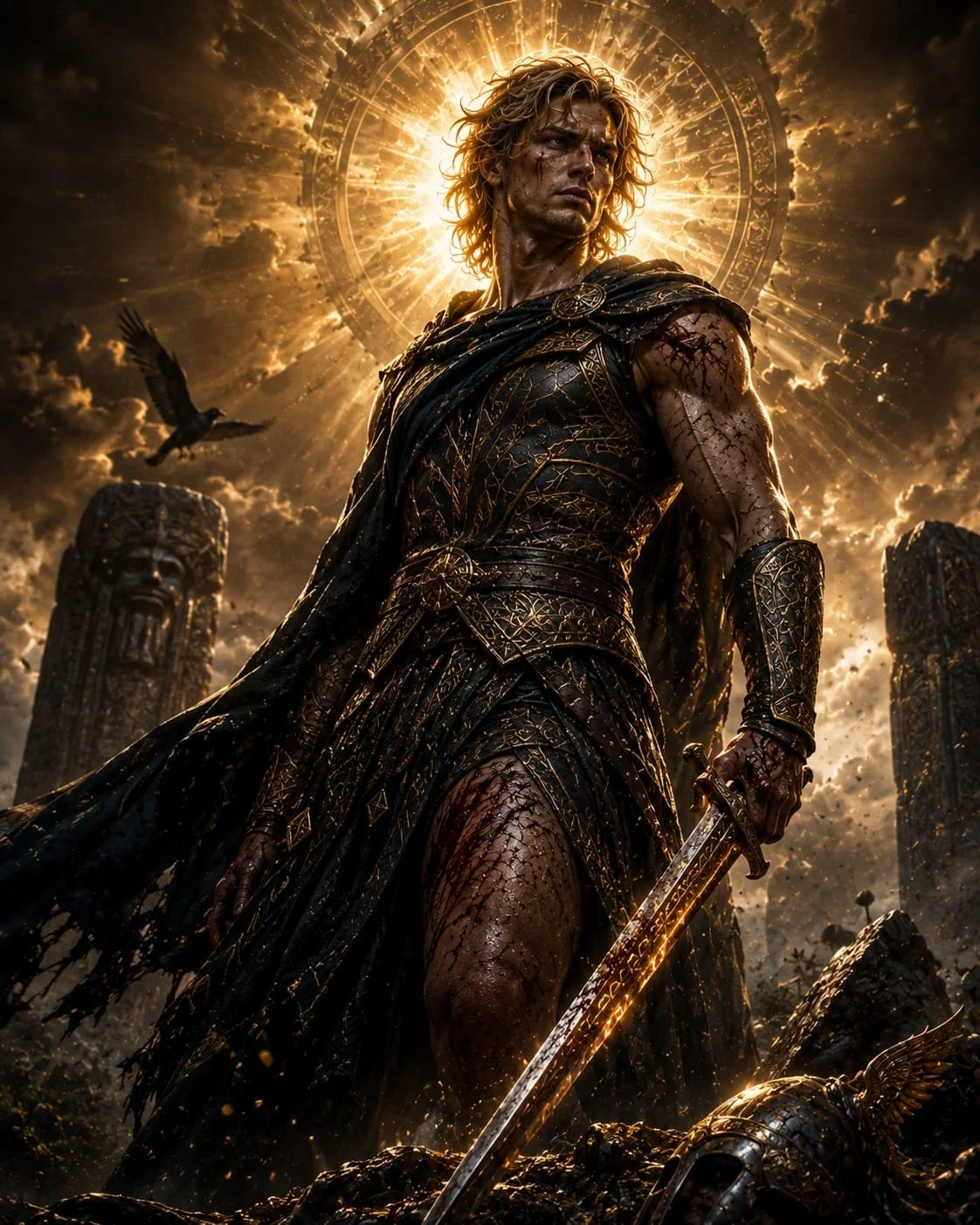
Váli: The Silent Arrow of Retribution
Among the gods of Norse mythology, few are as enigmatic and unsettling as Váli. Born in a single night for one purpose alone (to avenge the death of Baldr) he stands apart from the other Æsir as a living embodiment of consequence itself. Neither driven by rage nor consumed by cruelty, Váli represents the inevitable answer to actions already set in motion. This exploration examines his mythology, symbolism, relationship to wyrd, divine vengeance, accountability, and why he survives Ragnarök as a lasting reminder that no deed, oath, or betrayal truly escapes the memory of the cosmos.
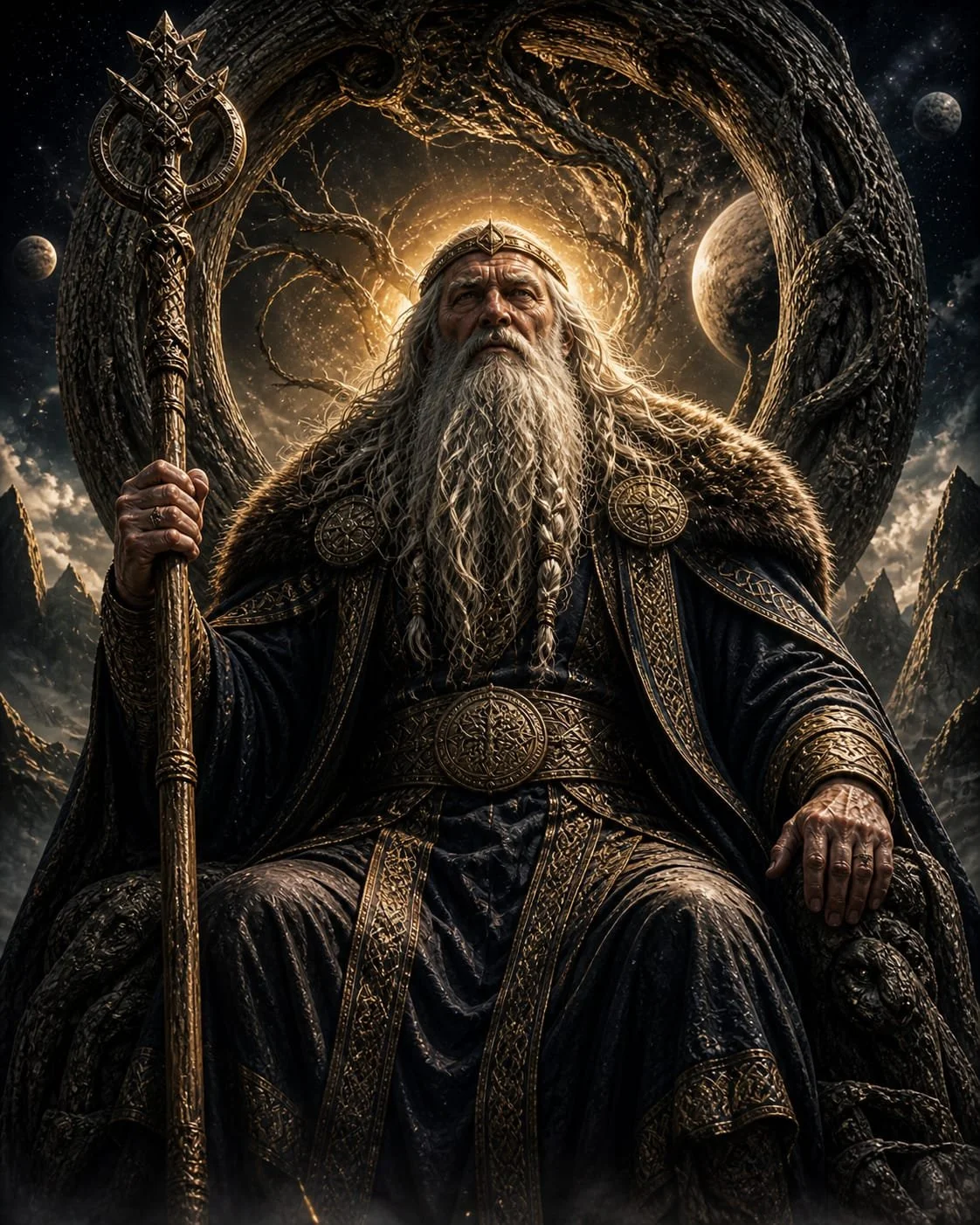
Borr: The Father Who Stands Before the Story
Borr is one of the quietest yet most essential figures in Norse cosmology. Though scarcely mentioned in surviving myths, he stands at the threshold between origin and creation - the father of Odin, Vili, and Vé, and the unseen continuity that allows the shaping of the cosmos to begin. This mythopoetic reflection explores Borr not as a forgotten god of action, but as the hidden foundation beneath all beginnings.

Iðunn: The Keeper of What Must Not Fade
Iðunn is not the warrior of the gods, but the reason the gods can continue at all. As keeper of the apples of renewal, she represents the quiet force of preservation within Norse cosmology - the unseen maintenance that keeps strength, vitality, and meaning from fading too soon. This deep mythopoetic reflection explores renewal not as immortality, but as the continual tending required for anything to endure.
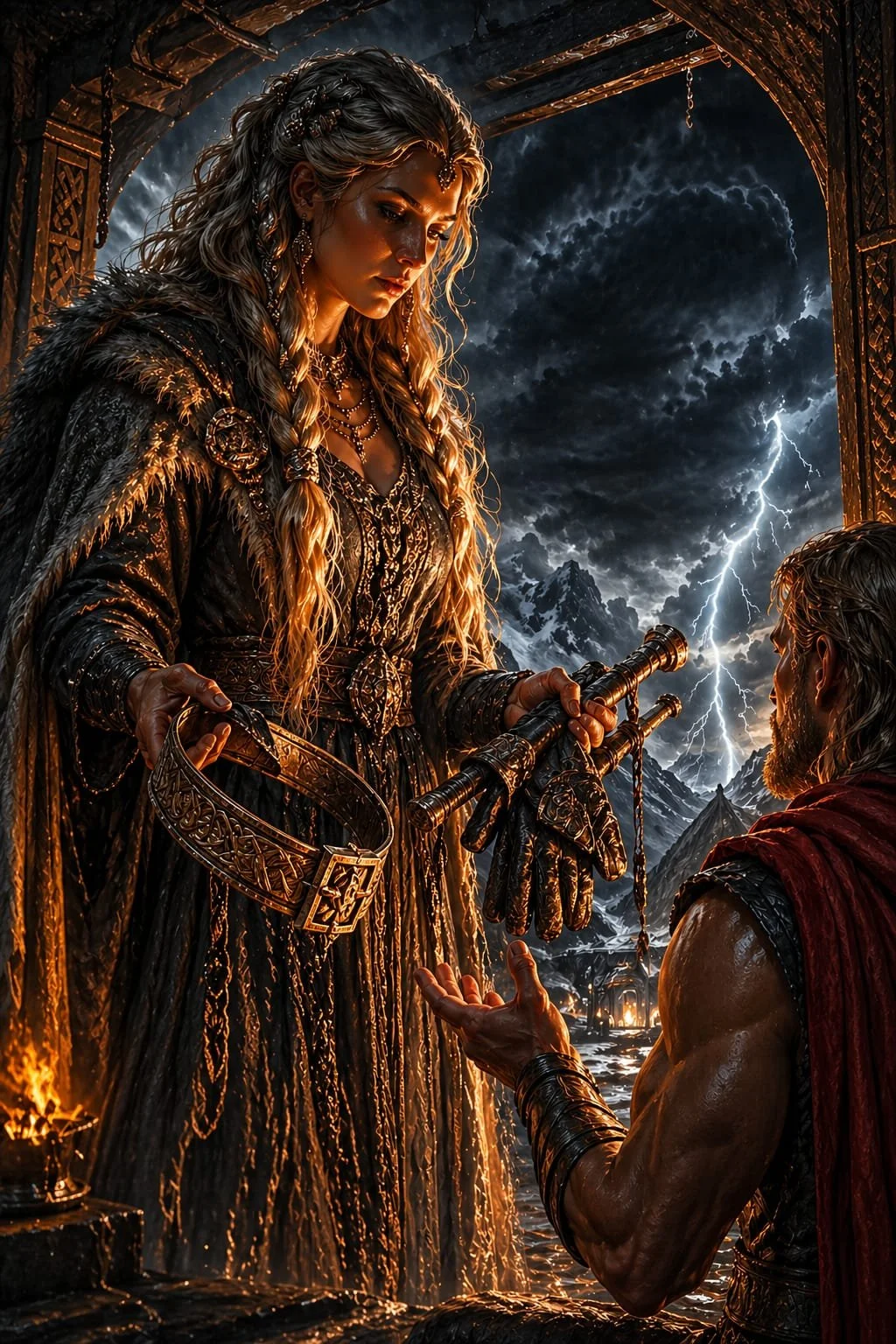
Gríðr: The Hand That Shelters the Storm
Gríðr is not the storm, but the hand that shelters it. Though briefly mentioned in the Prose Edda, her role in Norse cosmology carries profound symbolic weight. This deep exploration examines Gríðr as the unseen architecture of endurance - the force that prepares, steadies, and equips before transformation and conflict. A meditation on quiet strength, survival, and the power that asks for no recognition.
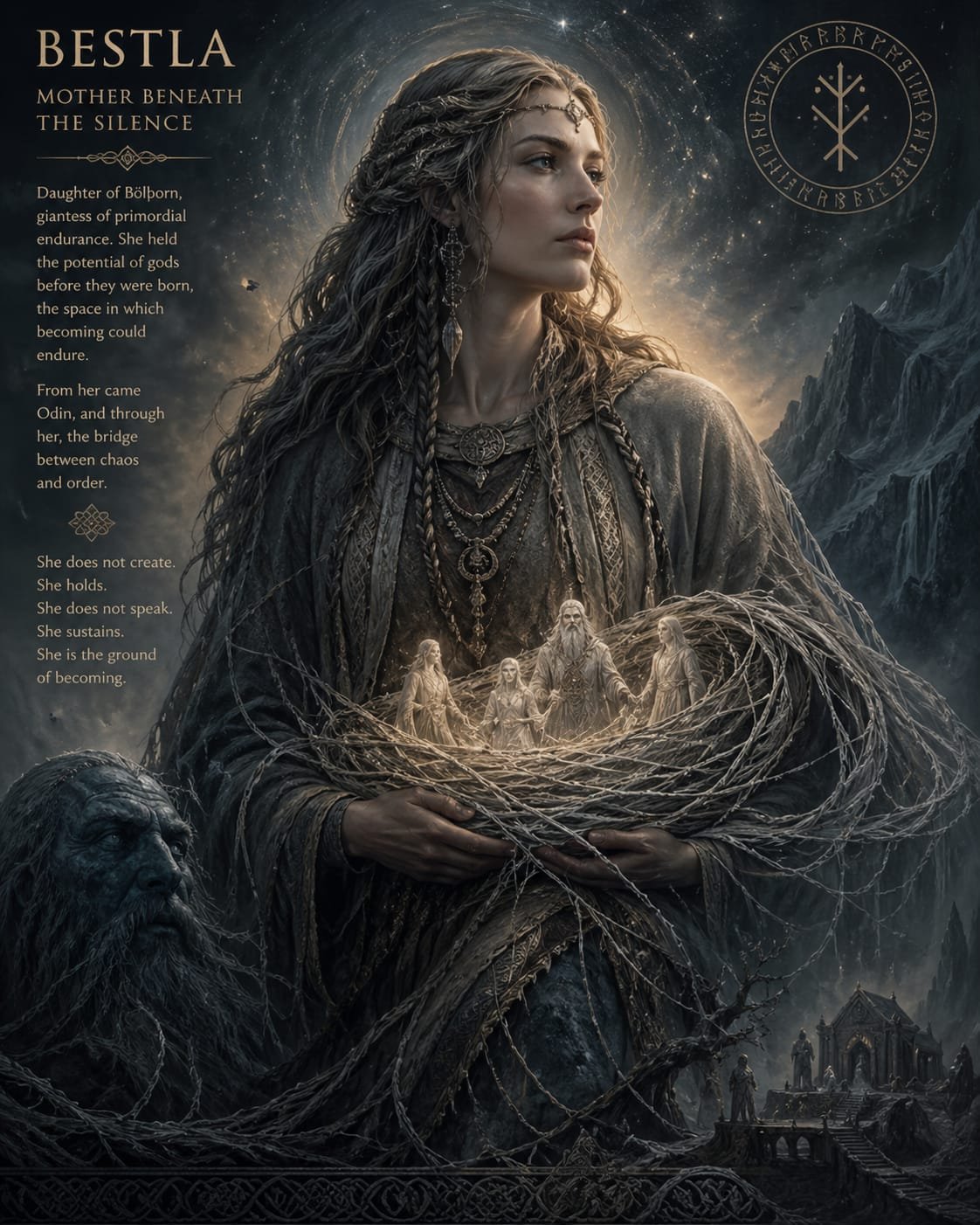
Bestla: The Mother Beneath the Silence
Before Odin sought wisdom and before the gods shaped the world, there was Bestla - the quiet mother beneath the silence. Though scarcely mentioned in surviving Norse sources, her presence echoes through the foundations of creation itself. This mythopoetic exploration examines Bestla as the hidden architecture of becoming: the force that holds chaos long enough for order to emerge, and the unseen endurance beneath all things that continue.
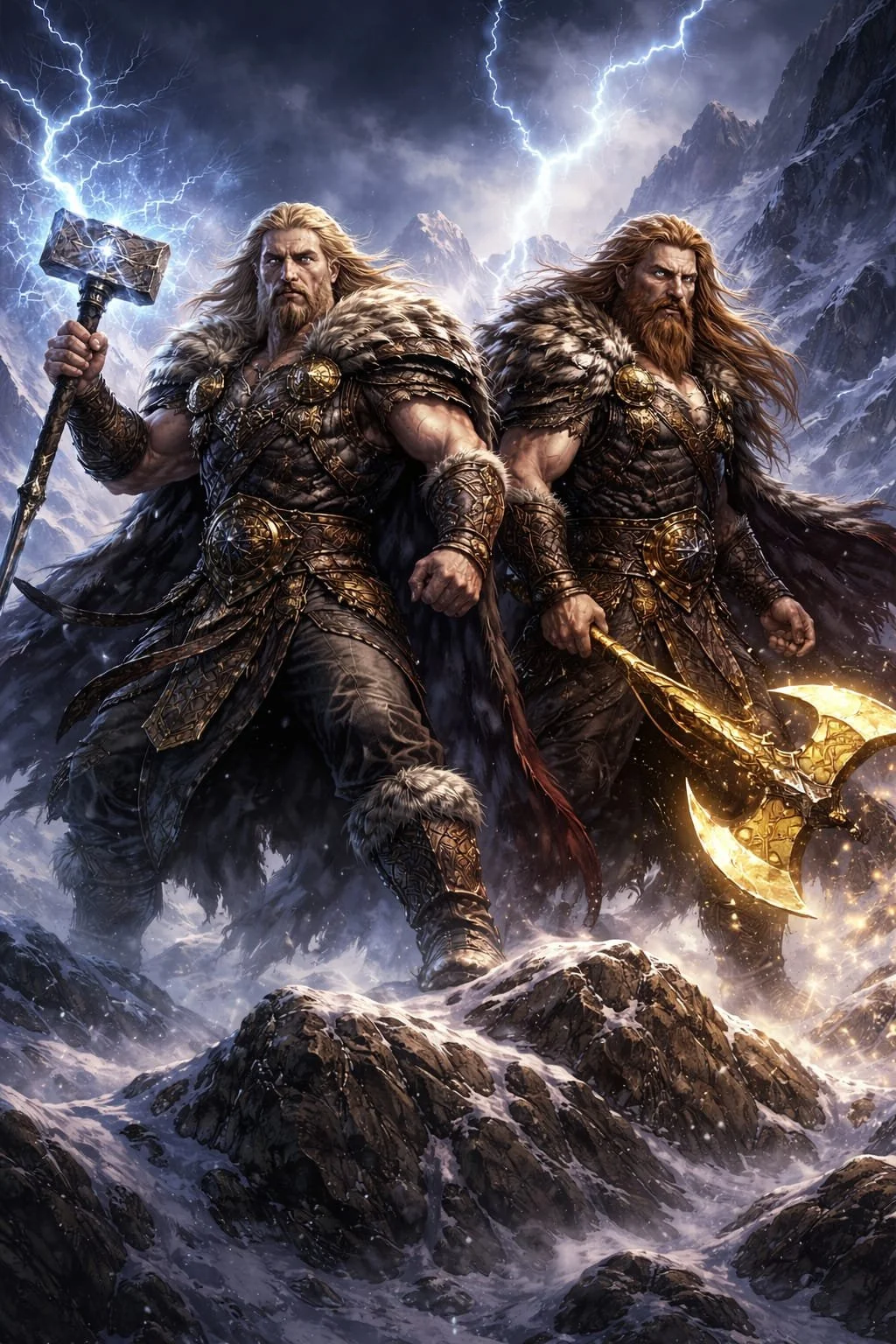
Magni & Móði: The Sons Who Inherit the Aftershock
Magni and Móði are not gods of the old world, but of what survives it. As the sons of Thor who endure Ragnarök, they represent strength and wrath after collapse - the forces that remain when myth, order, and meaning have been exhausted.
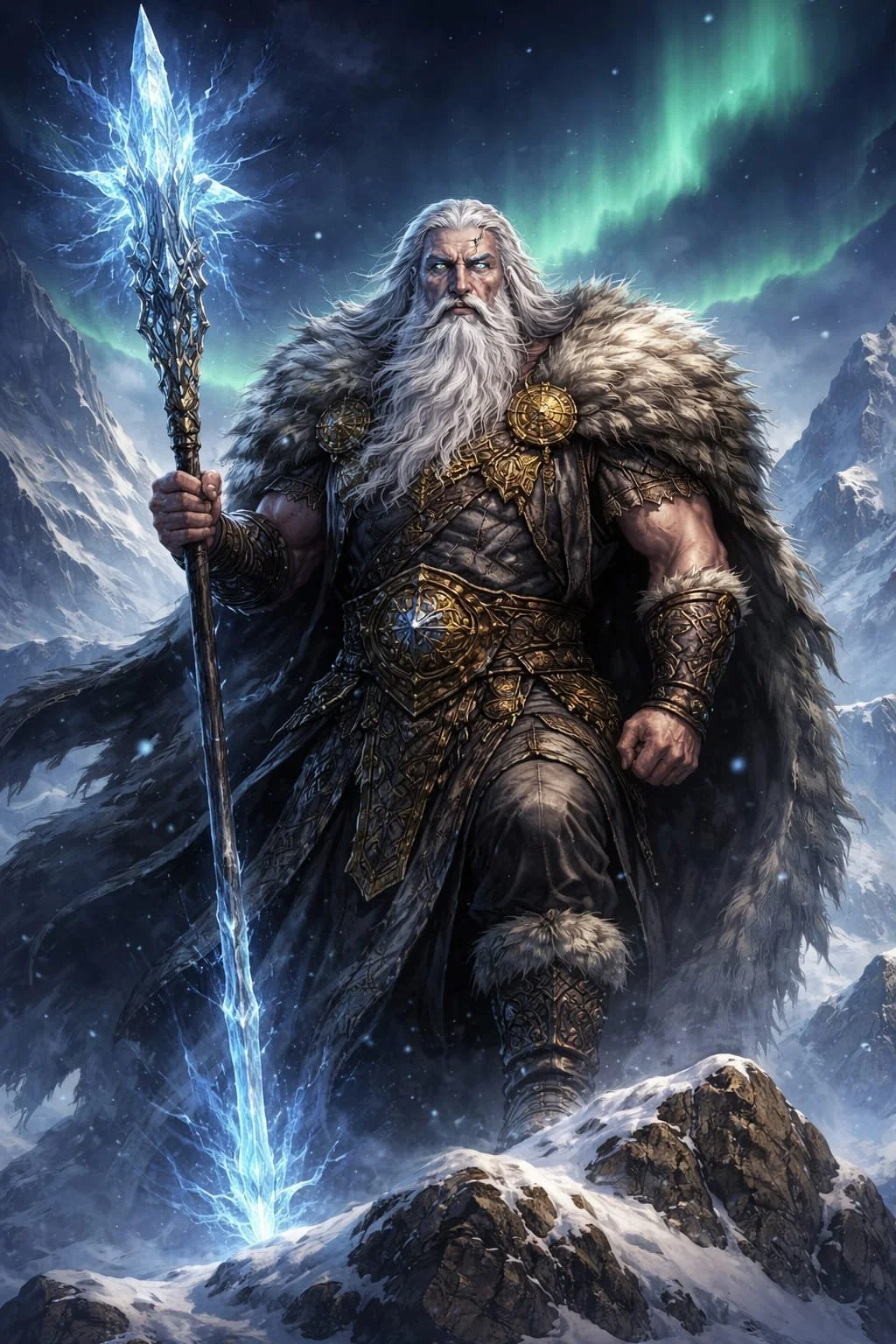
Búri: The First Unfolding of Form
Búri is the first emergence in Norse cosmology - not a god of action, but the moment existence begins to hold form. This mythic exploration traces his origin, symbolism, and the quiet foundation he lays beneath all lineage and creation.
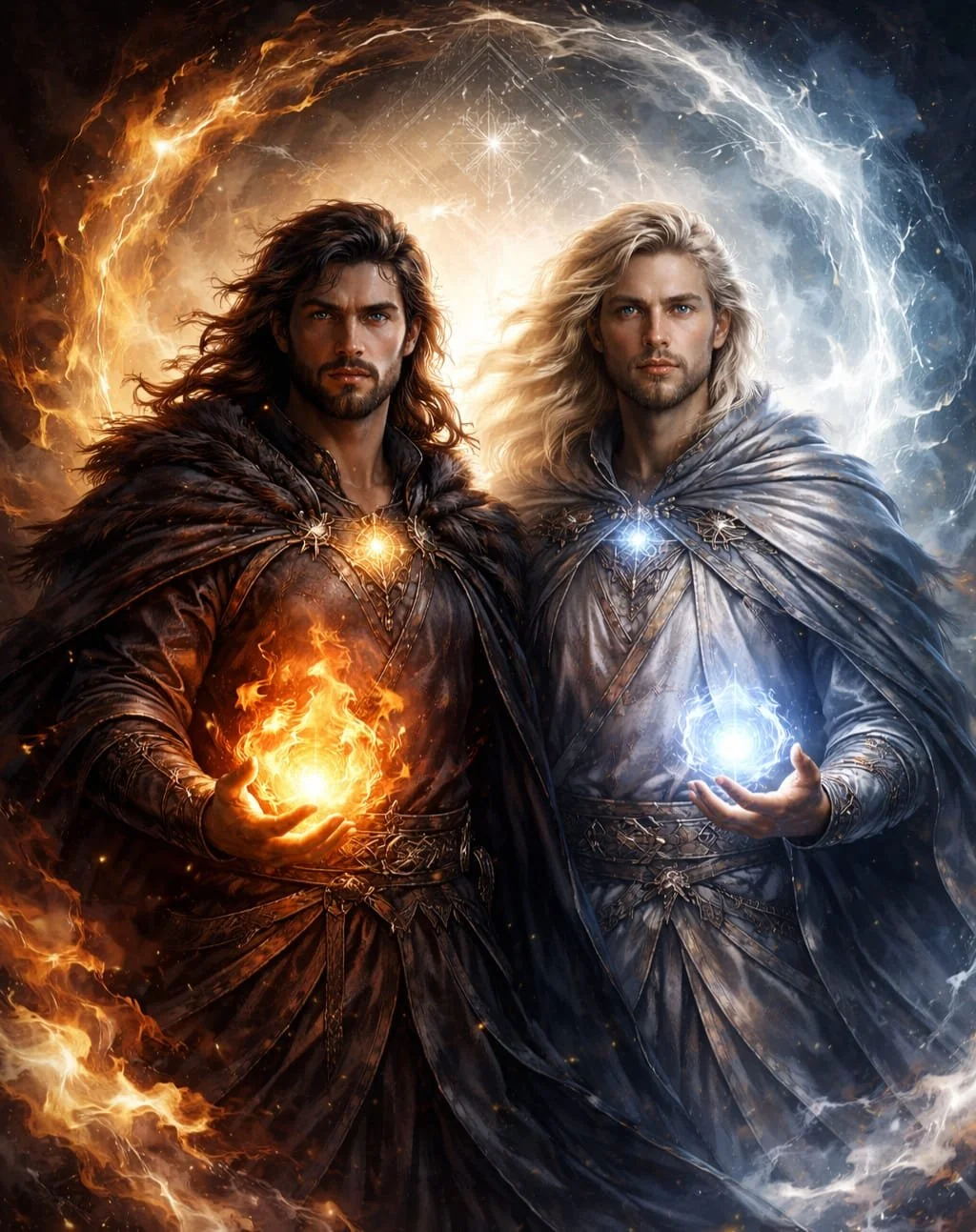
Vili & Vé: The Breath and the Becoming
Vili and Vé are often overlooked among the Æsir, yet they represent some of the deepest forces in Norse cosmology. Where Odin brings awareness, Vili brings will, and Vé gives form. Together, they stand at the threshold between knowing and becoming - the moment where thought turns into action and action becomes reality. This exploration looks at their role in creation, humanity, sacred boundaries, and the quiet but powerful mechanics of transformation itself.
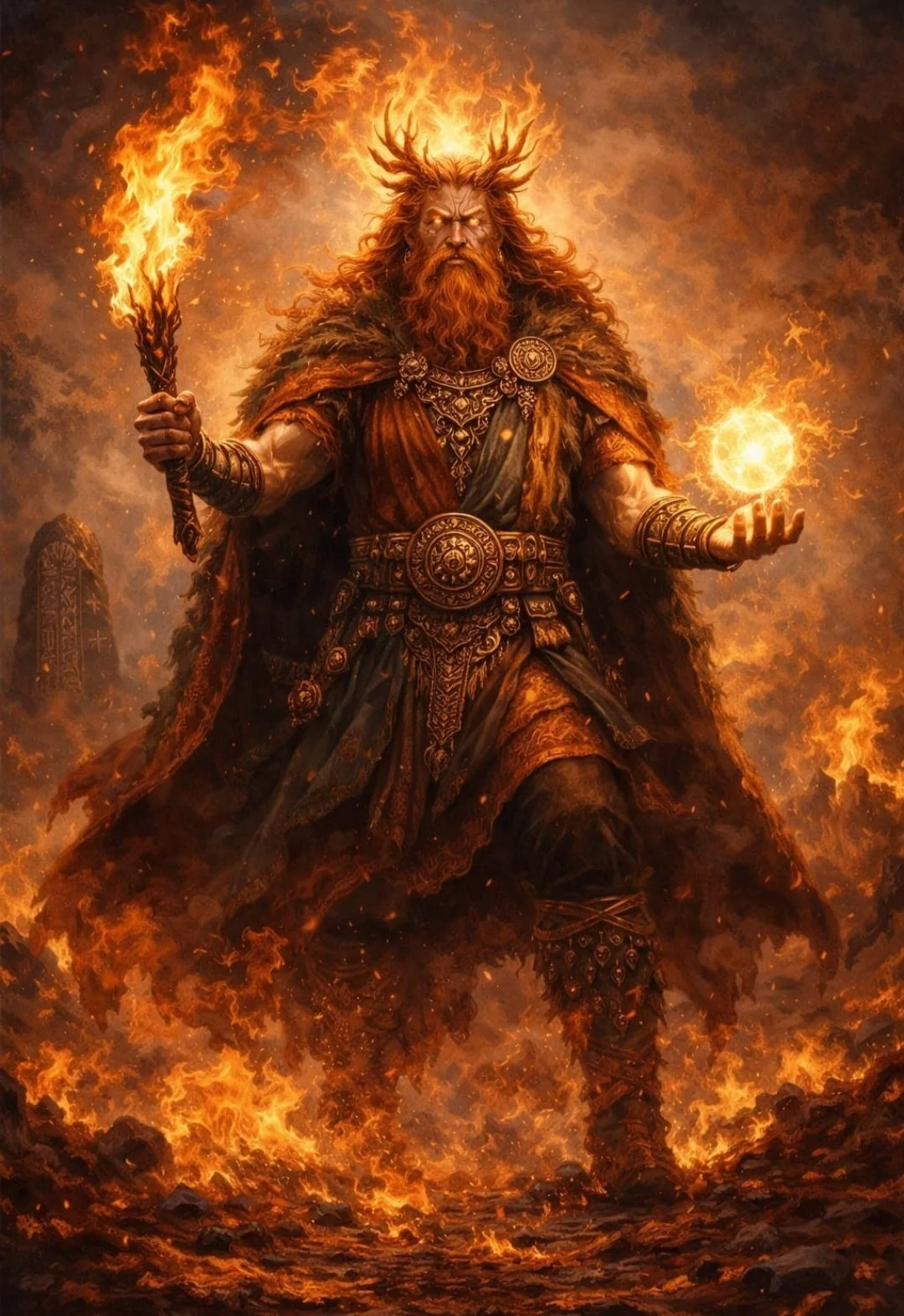
Lodurr: The Flame That Awakens
Before thought, before speech, before memory… there is heat.
Lodurr is that heat.
In the creation of humanity, Odin gives breath, Hœnir gives mind - but Lodurr gives something far more dangerous. He gives warmth, blood, and color. He gives the spark that turns existence into experience.
Without him, life would move… but it would not feel.
This is not the fire that destroys, but the fire that awakens. The ember beneath the ribs that refuses stillness, that drives creation, love, anger, and transformation.
Lodurr does not shape the world.
He makes it burn.
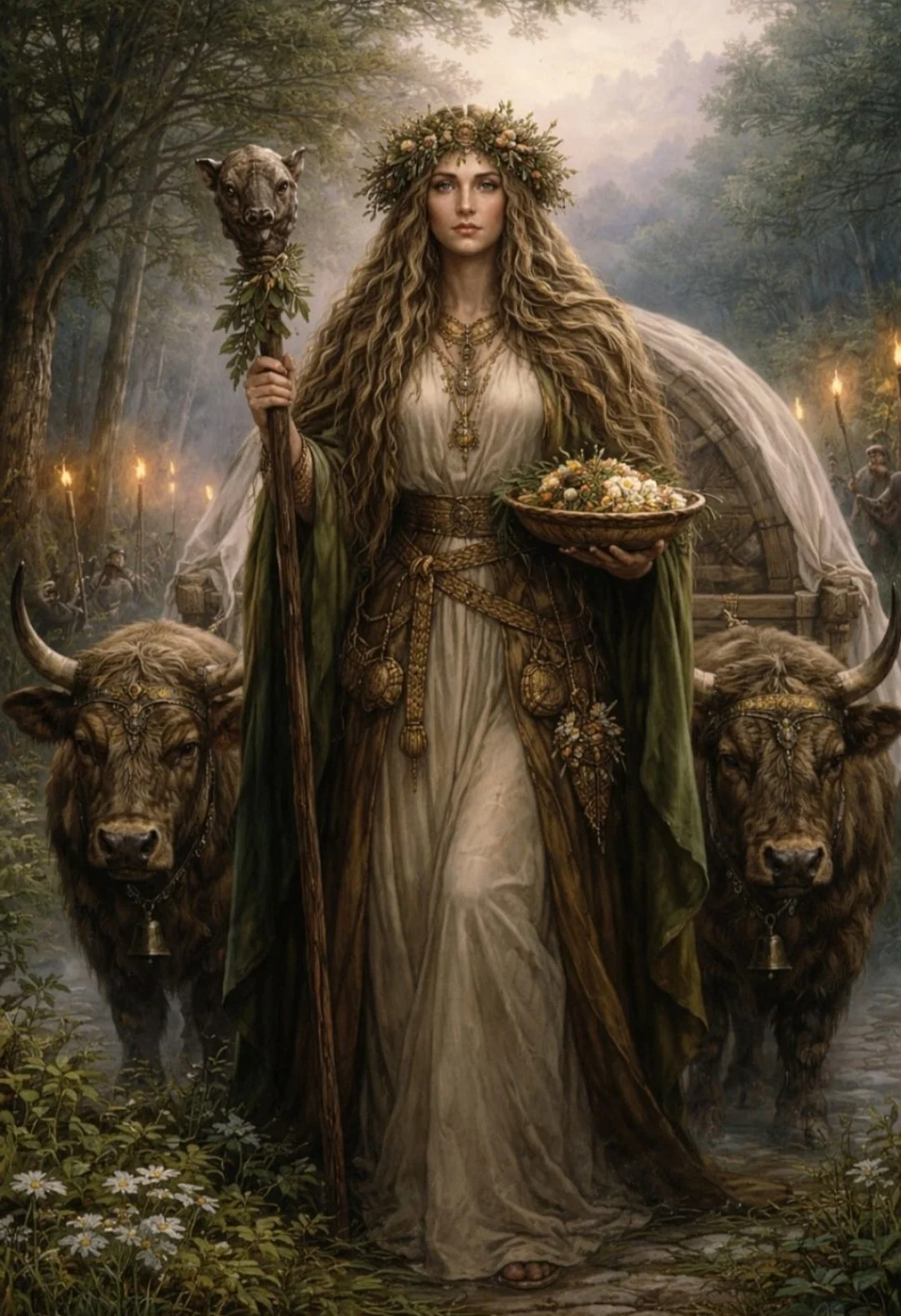
Nerthus: She Who Is Carried and Whom None May See
Before war became language, before kings claimed land and law hardened into rule, there was something older.
Not conquest. Not command.
But the earth… at rest.
Nerthus is not a goddess who arrives with spectacle. She is carried, veiled, unseen and where she passes, violence stops. Not because it is resolved, but because it can no longer justify itself.
This is not peace as comfort. It is peace as condition.
An ancient force that reminds both gods and mortals that life is not sustained through dominance, but through restraint, attention, and alignment with something far older than human will.
Nerthus does not demand belief.
She demands recognition.
Because the ground remembers everything.
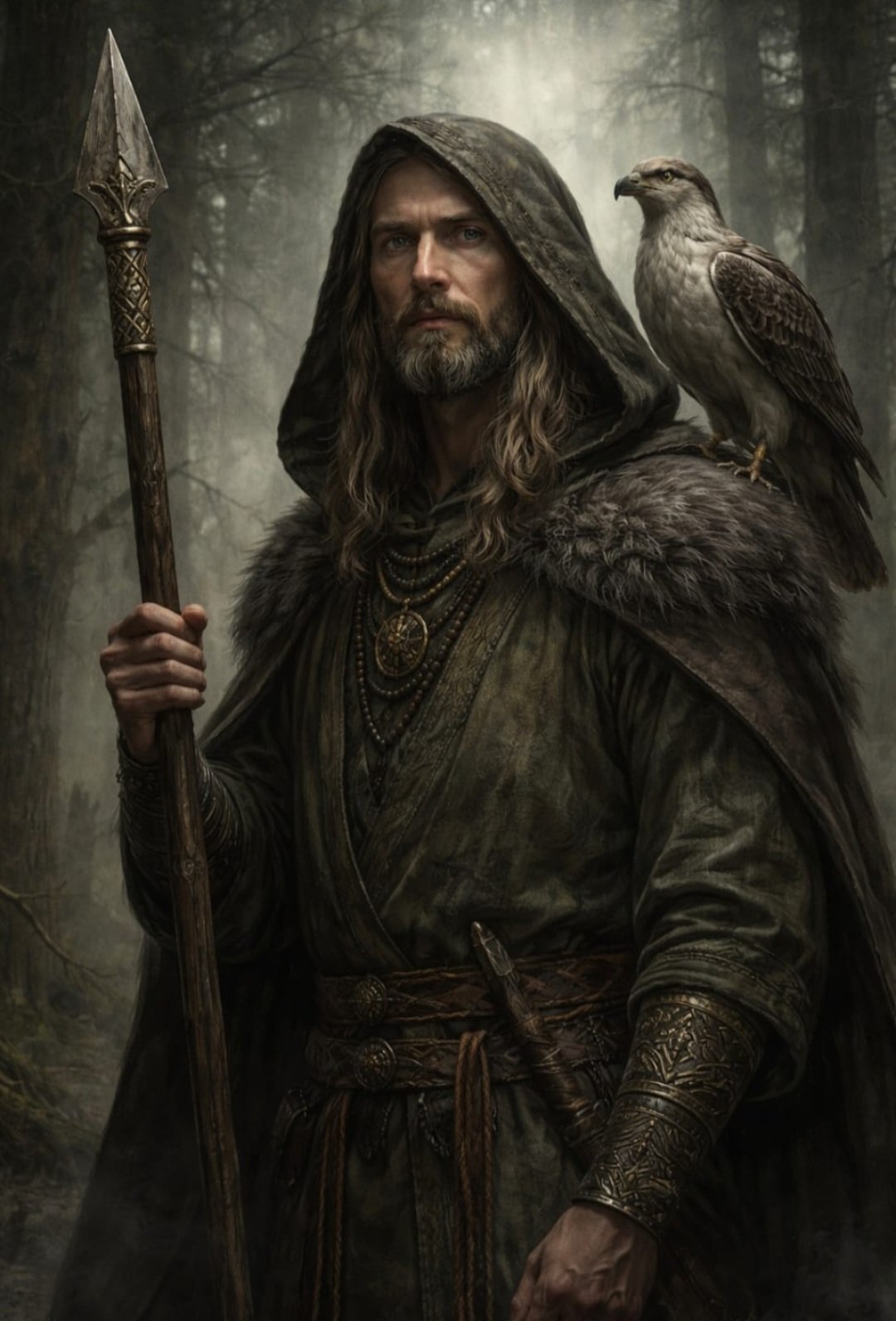
Hœnir: The God Who Holds the Pause
Not all wisdom arrives in words. Some of it waits.
Hœnir is one of the most overlooked figures in Norse mythology, often described as silent, uncertain, or dependent on others. But this reading looks deeper. Not as weakness, but as function.
He stands in the space before decision. The moment where action has not yet hardened into consequence.
At the creation of humanity, while Odin gave breath, Hœnir gave something quieter - awareness. The ability to hold experience before naming it. The pause that allows meaning to form.
This is not a god of answers. It is a god of delay.
Because sometimes the most dangerous thing is not ignorance… but acting before you understand.
Hœnir reminds us that not every moment needs a response, and not every silence is empty.
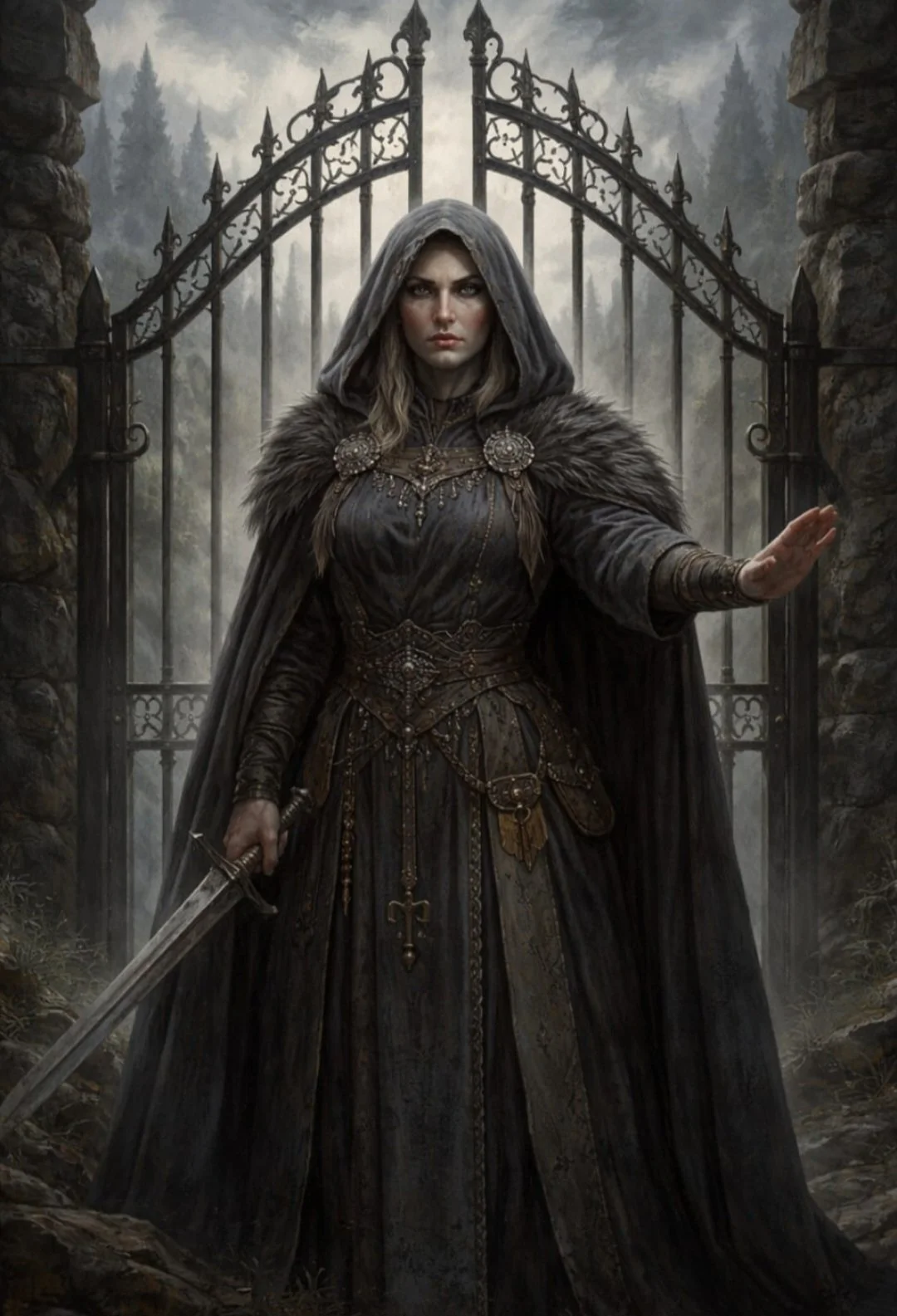
Sýn: The Gate That Says No
Many people think strength is found in action, in pushing forward, in opening every door placed before them. But in Norse thought, survival depended just as much on what was kept out as what was allowed in.
Sýn is the force that holds that line.
Not a goddess of conflict, but of containment. Not a destroyer, but a preserver. She stands at the threshold and decides what may pass and what must remain closed - not out of cruelty, but out of necessity.
This is not a story about denial as rejection. It is about refusal as protection.
Because not all paths are meant to open… and some gates are sacred precisely because they remain closed.
Kvasir: The Breath That Knows
Kvasir is the breath of wisdom in Norse cosmology - born from the shared essence of the Æsir and Vanir, and later transformed into the Mead of Poetry. His story is not about owning knowledge, but letting it move through the world as inspiration, insight, and living speech. This mythopoetic meditation explores Kvasir’s origins, his death and transformation, and why wisdom must flow to remain alive.
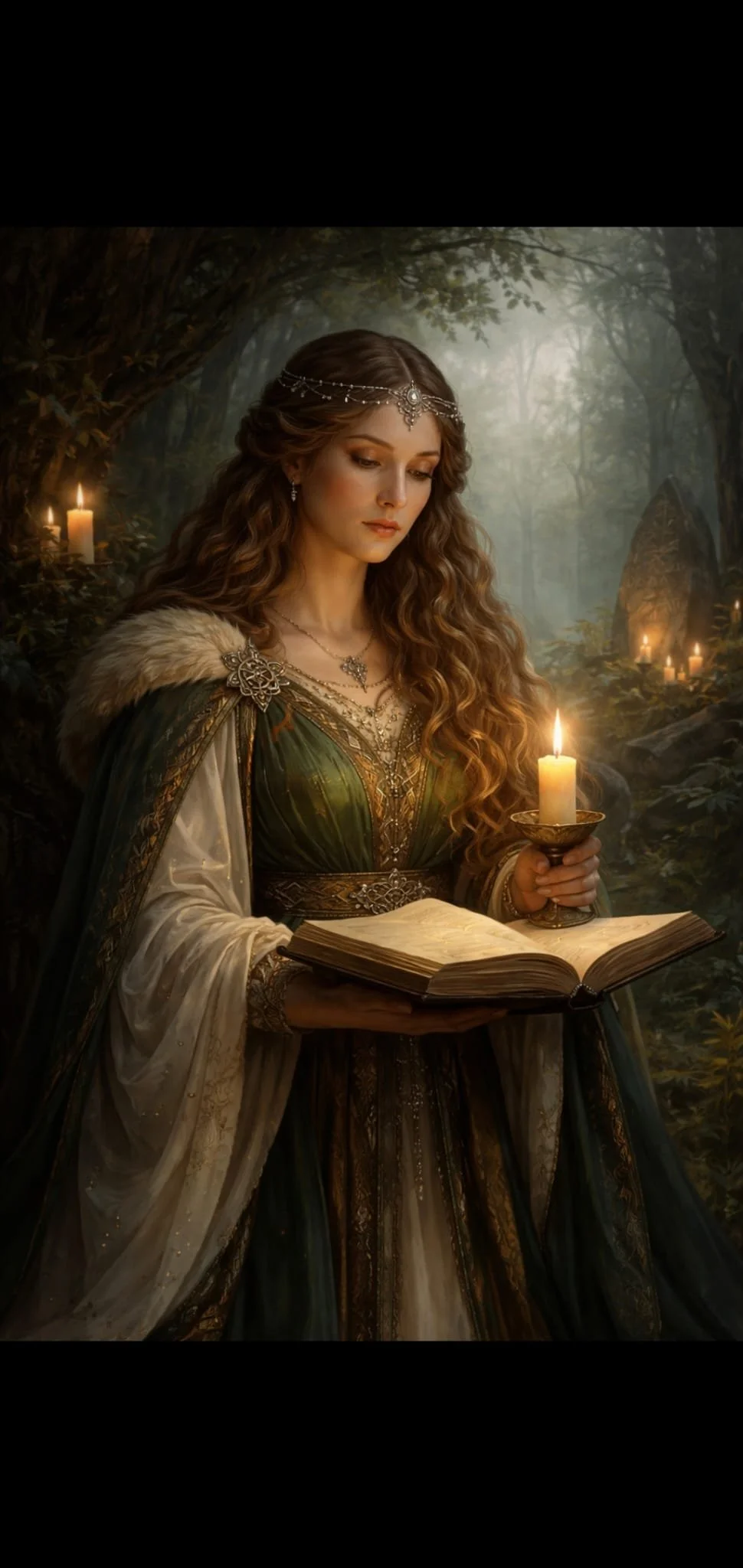
Snotra: The Quiet Guide of Thought and Deed
Snotra is a lesser-known figure in Norse cosmology, yet her influence represents one of the most important forces in human decision making: prudence. Associated with reflection, restraint, and thoughtful judgment, she embodies the quiet wisdom that guides action before consequences unfold. This meditation explores her symbolism, role in mythic imagination, and the enduring importance of careful thought in a world often driven by impulse.
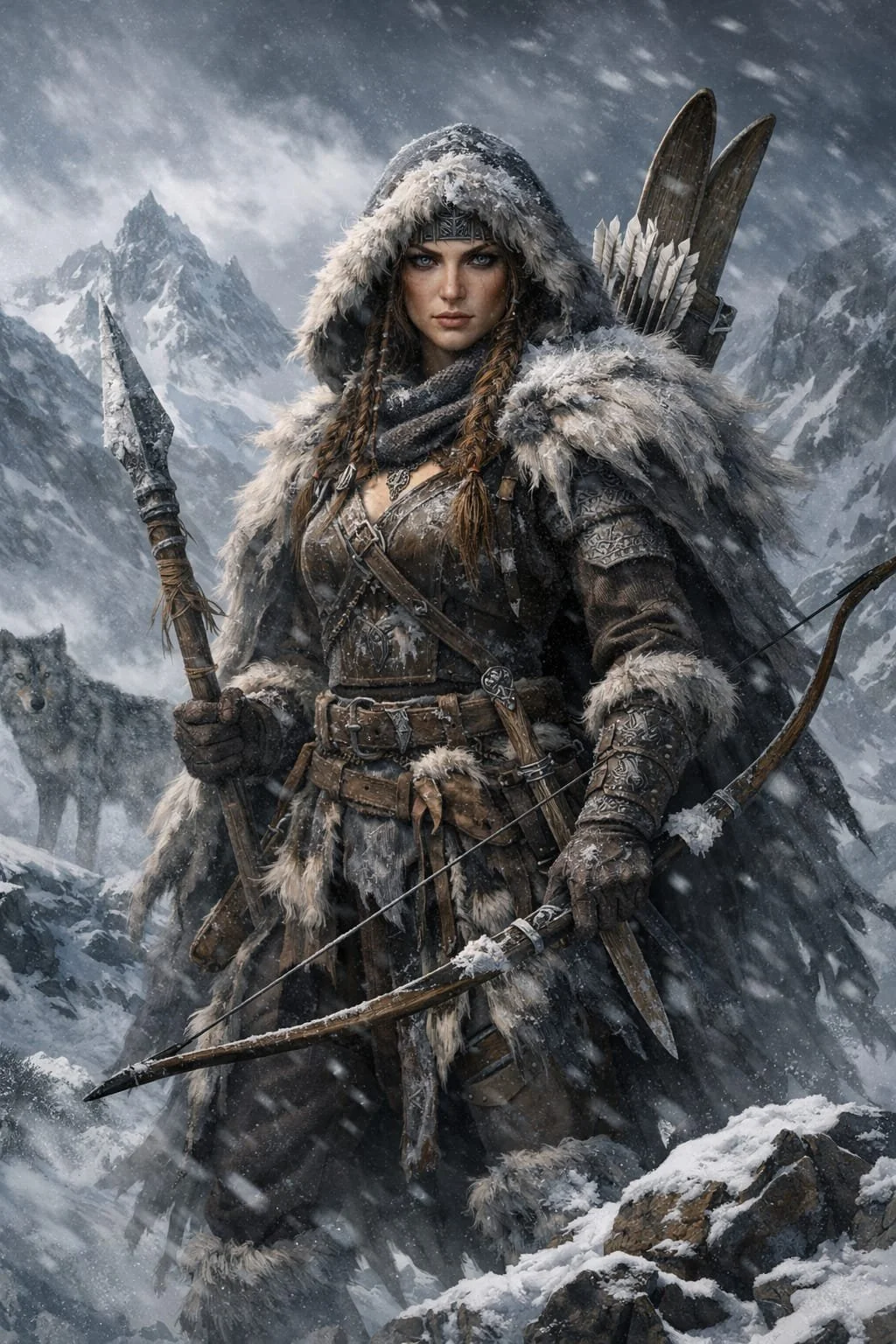
Skaði: The One Who Chooses the Cold
Skaði is remembered not for conquest or submission, but for choosing. Goddess of winter, mountains, and justice, she embodies endurance without consolation and autonomy without apology. This mythopoetic exploration reveals Skaði as the archetype of chosen hardship - the clarity that comes when comfort is refused.
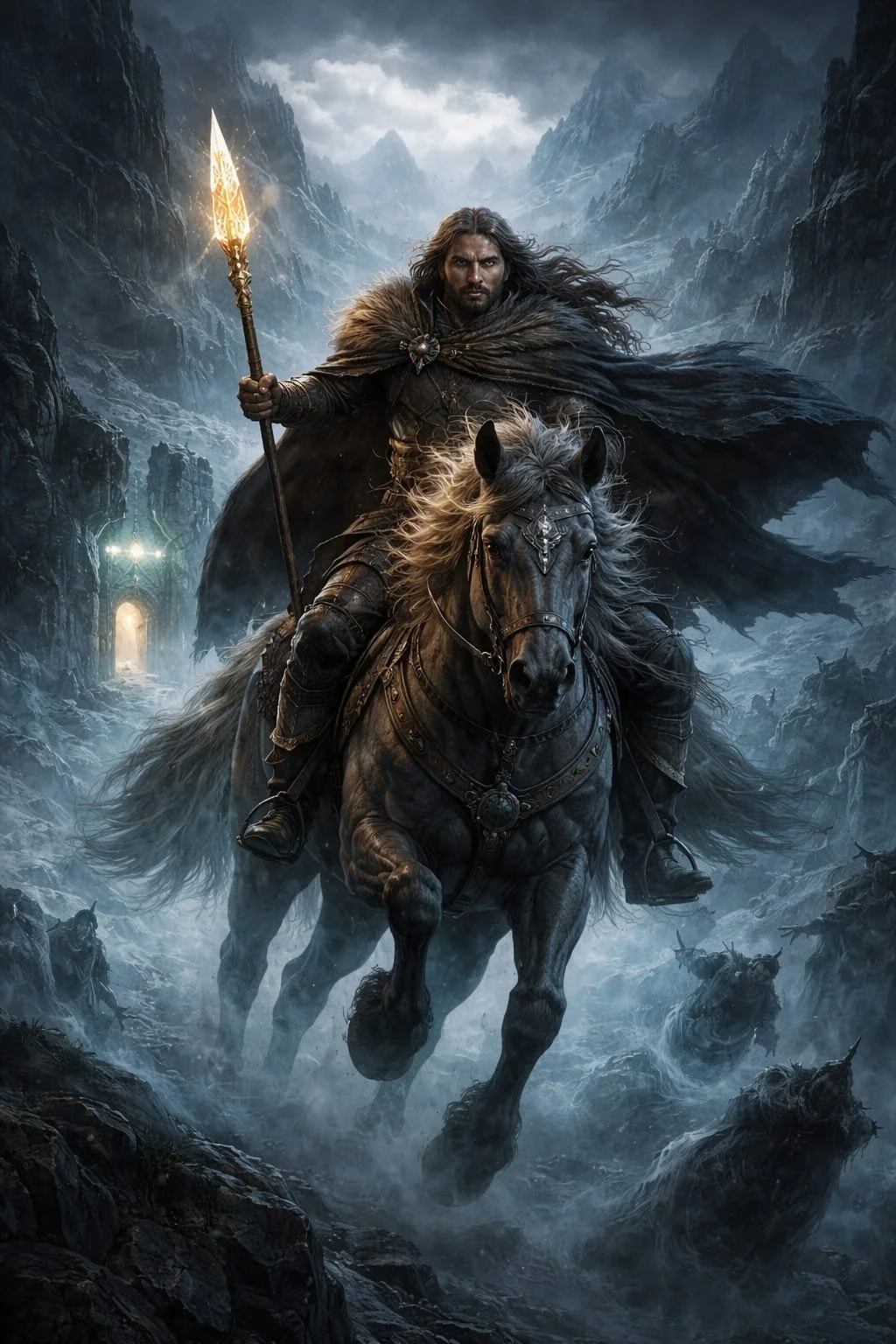
Hermóðr: The One Who Crosses and Returns
Hermóðr is not remembered for victory, but for crossing. Best known for his ride on Sleipnir into Hel after Baldr’s death, he embodies quiet courage, duty, and the sacred work of carrying meaning through grief. This mythopoetic exploration follows the messenger who enters silence without certainty and returns with truth.
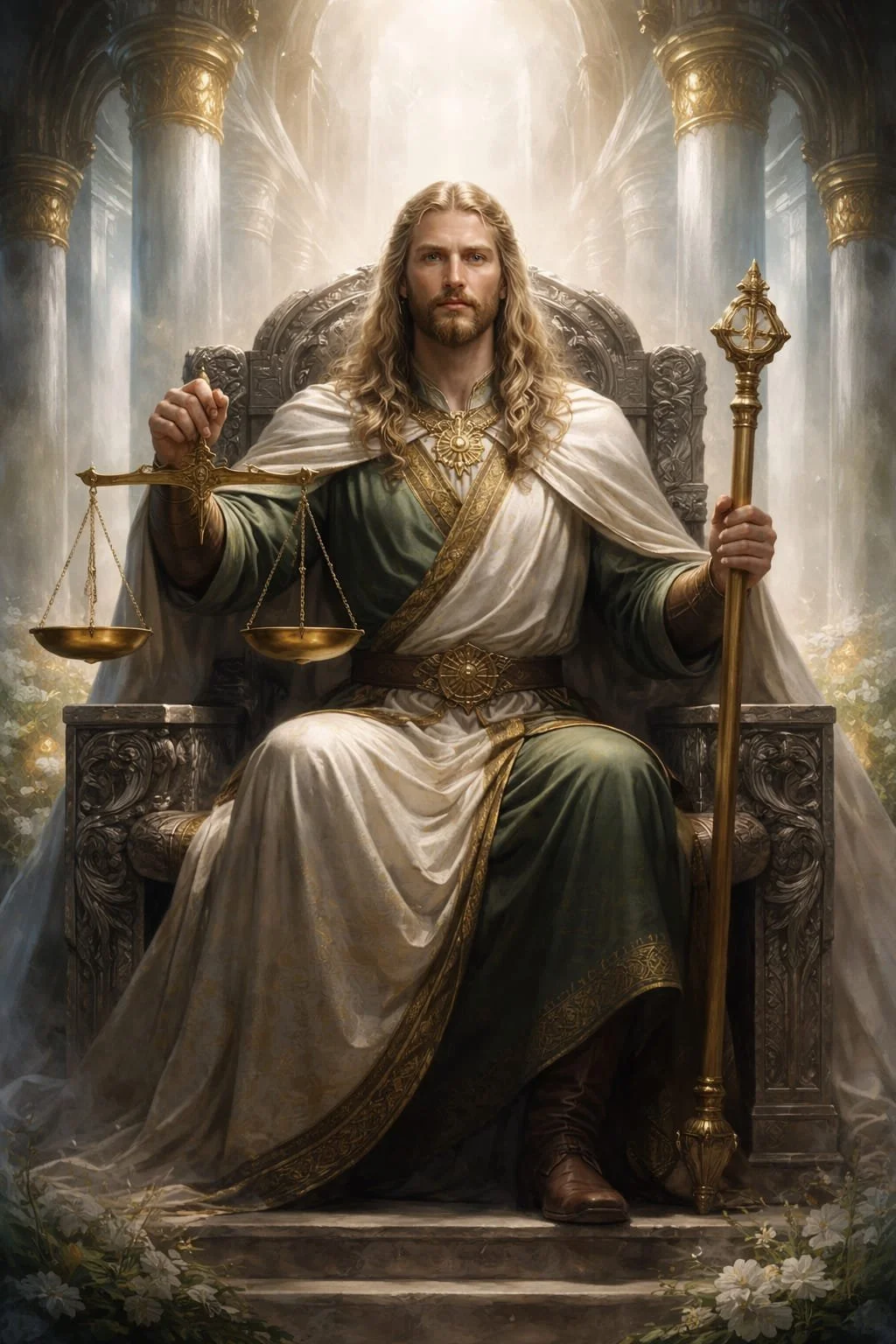
Forseti: Keeper of Balance and Voice of Peace
Forseti is the quiet center of Norse cosmology - the god who steadies chaos through reason, mediation, and balance. Son of Baldr, keeper of Glitnir, and voice of peaceful resolution, Forseti reminds us that true justice is not force, but harmony shaped through insight, patience, and discernment.
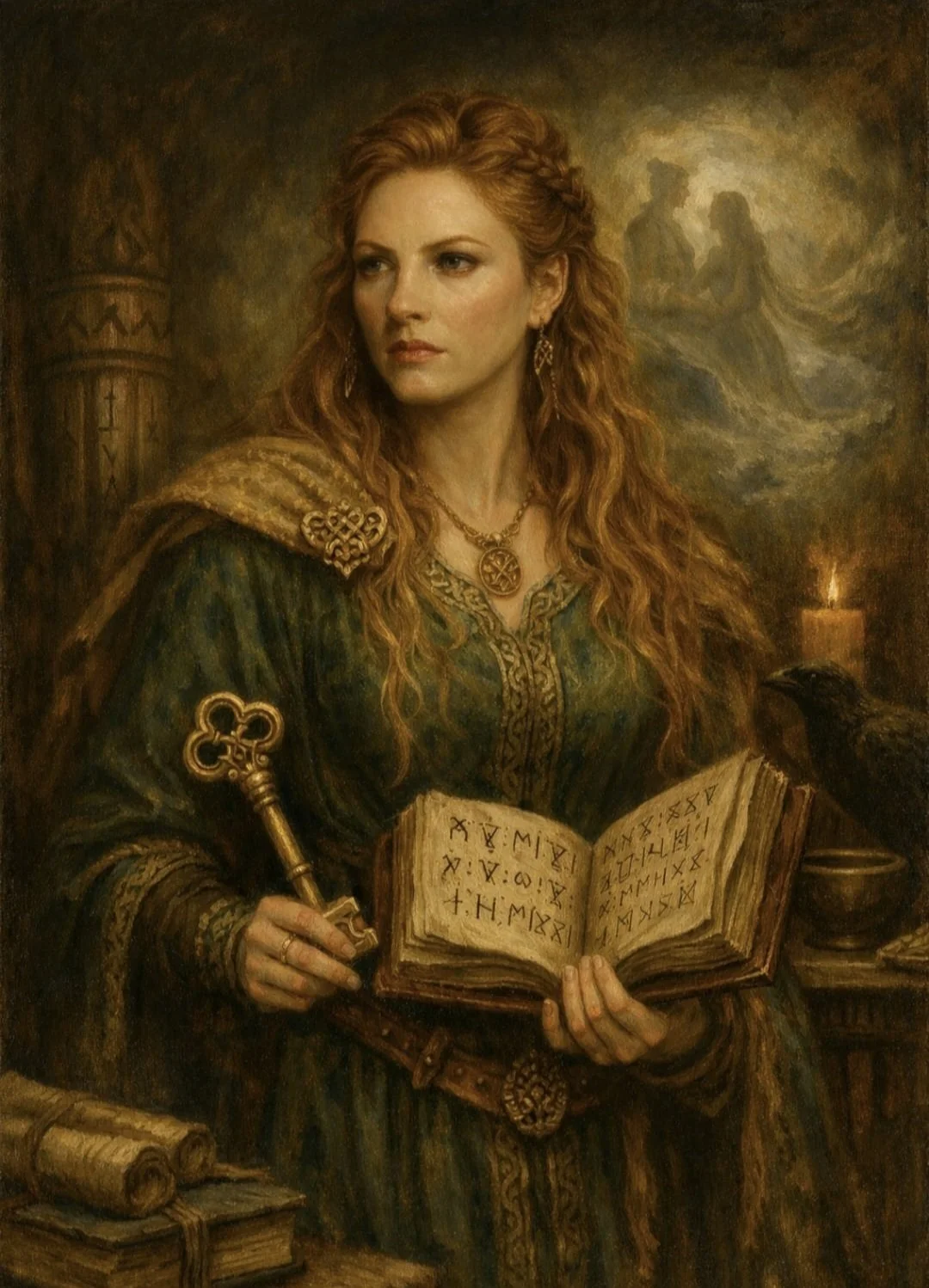
Vor: The Watchful Revealer
Vor is the watchful revealer - the Norse goddess who makes concealment impossible. In silence and steady clarity, she exposes hidden motives, broken oaths, and the truths we avoid, until reality can no longer be denied.
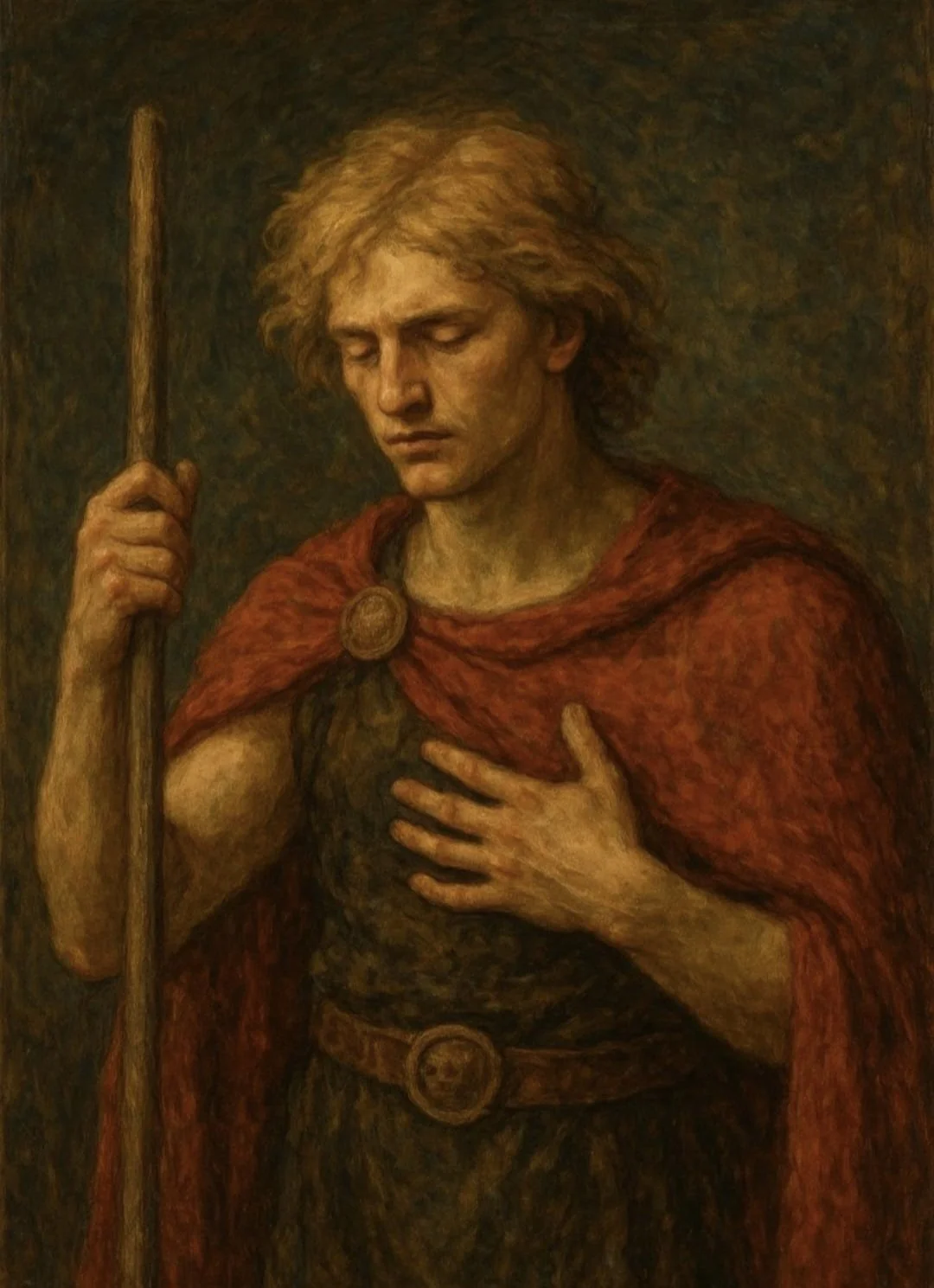
Hodr: The Blind Avenger
Hodr, the blind god of Norse mythology, embodies fate, shadow, and unintended consequence. Brother of Baldr and instrument of destiny, he reminds us that even in silence and darkness, powerful forces are always at work.
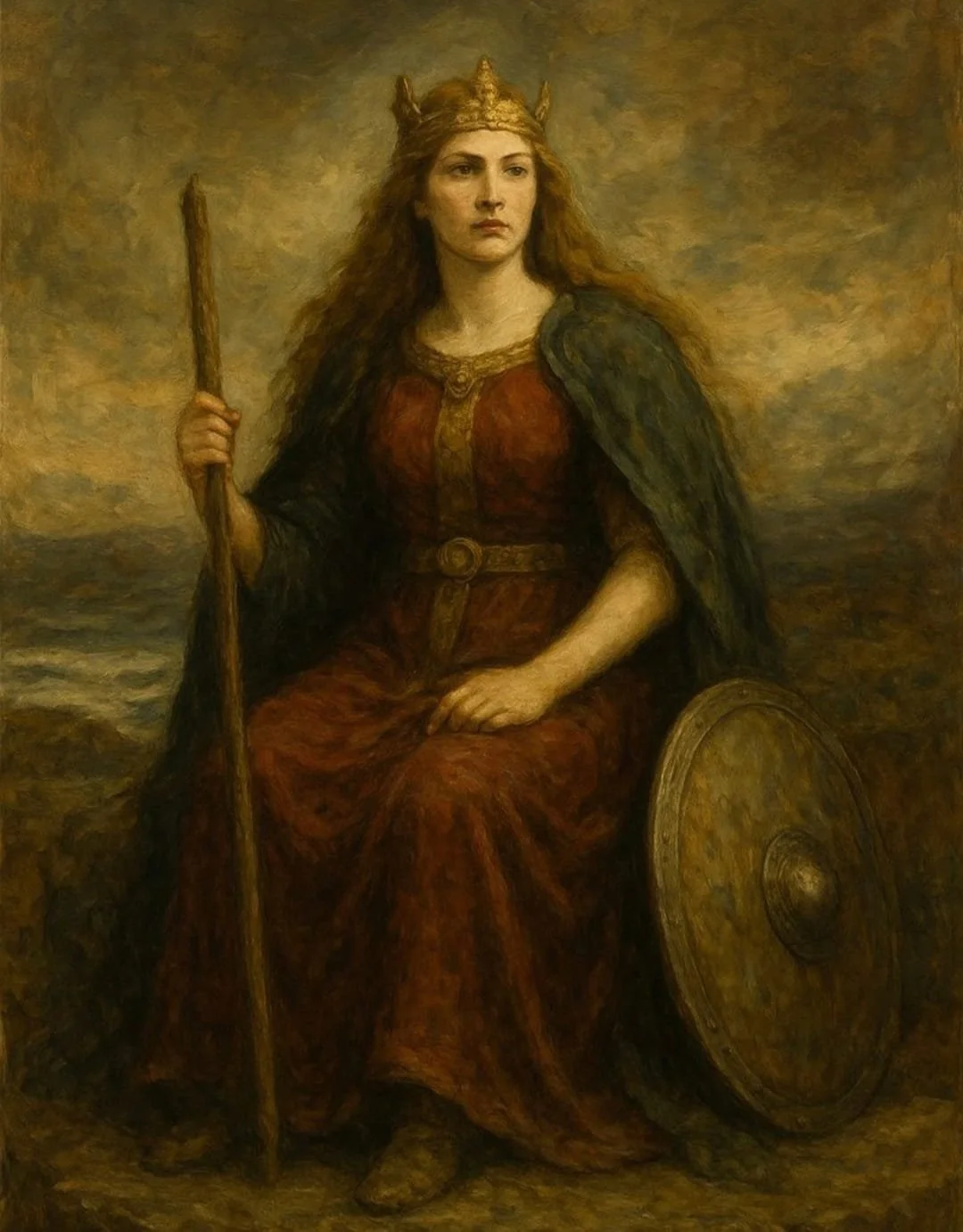
Njörun: She Who Walks the Quiet Between Tides
Almost forgotten by the sagas, Njörun walks the spaces between action and understanding. She is the stillness before change, the pause that teaches, and the quiet power that shapes fate without being seen.