

Wyrd & Flame Articles
The Wyrd & Flame blog gathers articles exploring Norse tradition, the Elder Futhark runic system, mythology, and the cultural world of the early Germanic peoples. These articles aim to provide clear and thoughtful exploration of northern traditions while maintaining awareness of the historical sources and cultural context behind them.
Across the blog you will find studies of the runes, discussions of Norse cosmology, mythological themes, folklore, and guides designed to help readers explore these subjects in greater depth.
Whether you are beginning your study of the runes or expanding your understanding of Norse tradition, the articles published here aim to provide structured knowledge that goes beyond surface explanations.
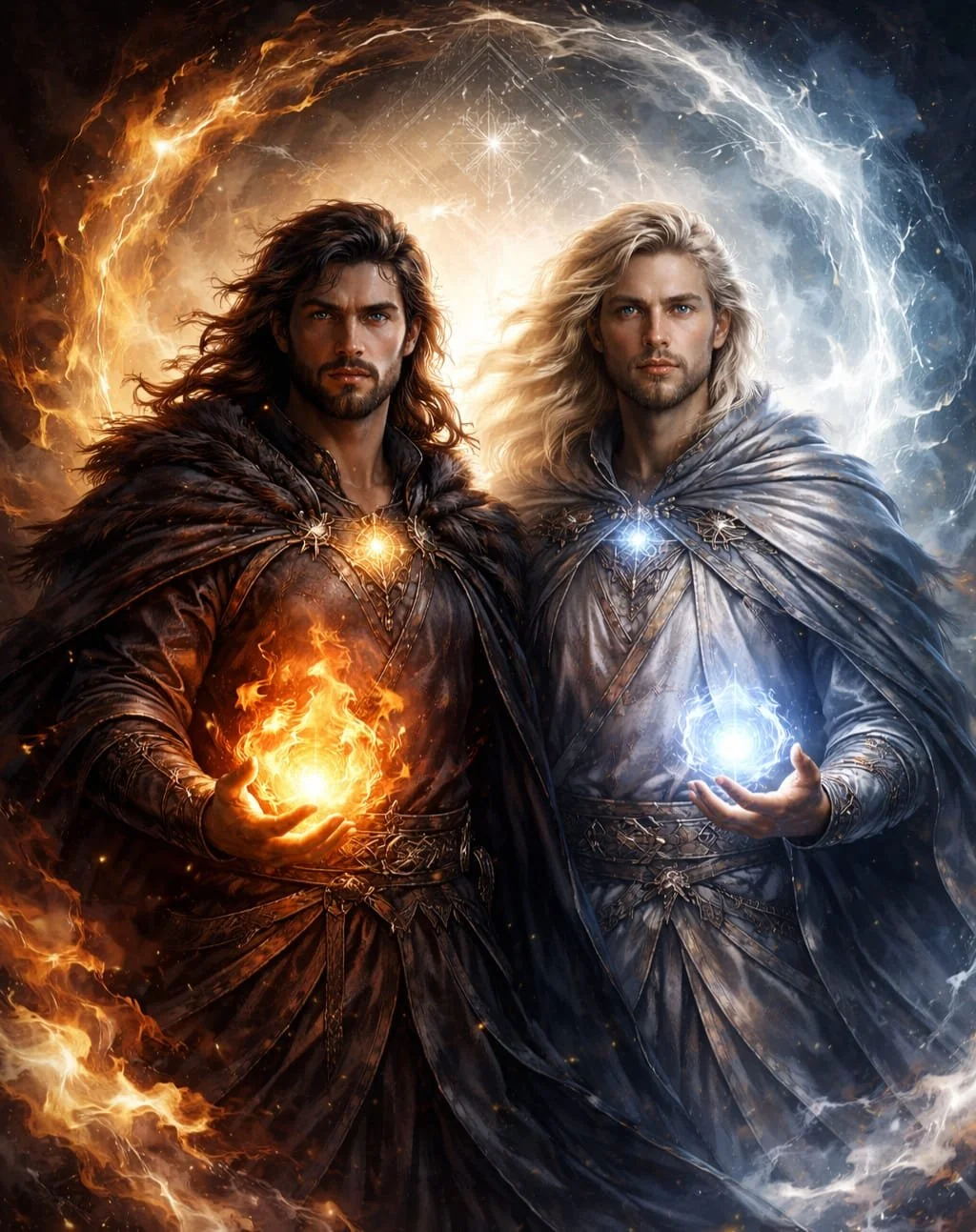
Vili & Vé: The Breath and the Becoming
Vili and Vé are often overlooked among the Æsir, yet they represent some of the deepest forces in Norse cosmology. Where Odin brings awareness, Vili brings will, and Vé gives form. Together, they stand at the threshold between knowing and becoming - the moment where thought turns into action and action becomes reality. This exploration looks at their role in creation, humanity, sacred boundaries, and the quiet but powerful mechanics of transformation itself.

Seiðr Craft - Chapter 25: The Shape of True Guidance
True guidance is rarely loud. It does not arrive to control your life or remove uncertainty, but to bring clarity, restraint, and alignment. In seiðr, guidance often appears through small corrections, ordinary life, silence, and the body’s quiet knowing. This chapter explores how to recognise real direction, avoid projection, and walk forward with responsibility even when certainty is incomplete.
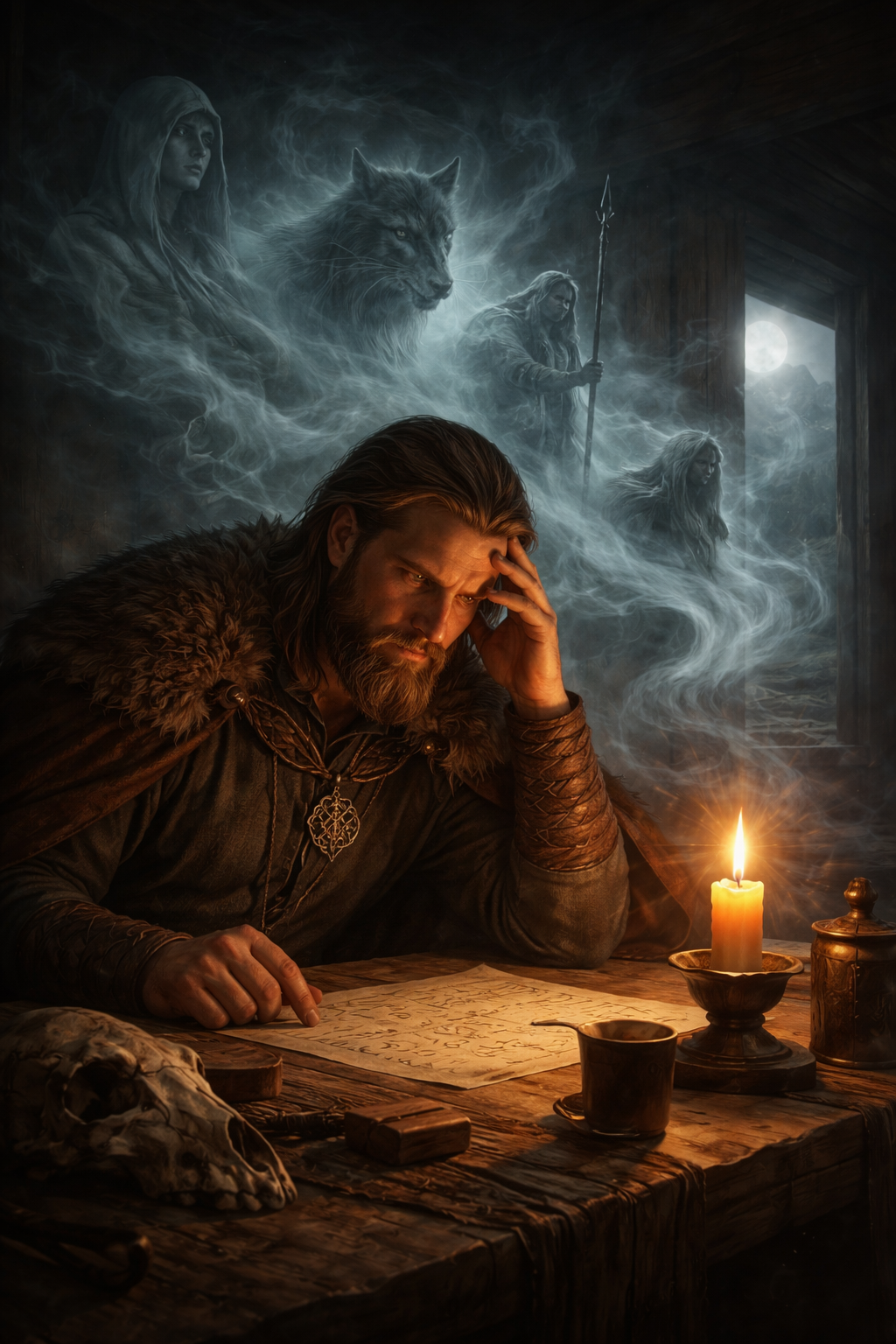
Draumr: What Dreams Really Meant in the Sagas and Eddas
Dreams are often treated as messages, signs, or something sent from outside. But the Norse sources show something very different. Draumr was not a system, not a method, and not something automatically meaningful. This piece explores what dreams actually were in Norse tradition, where they appear in the sources, and why most modern interpretations miss the mark.
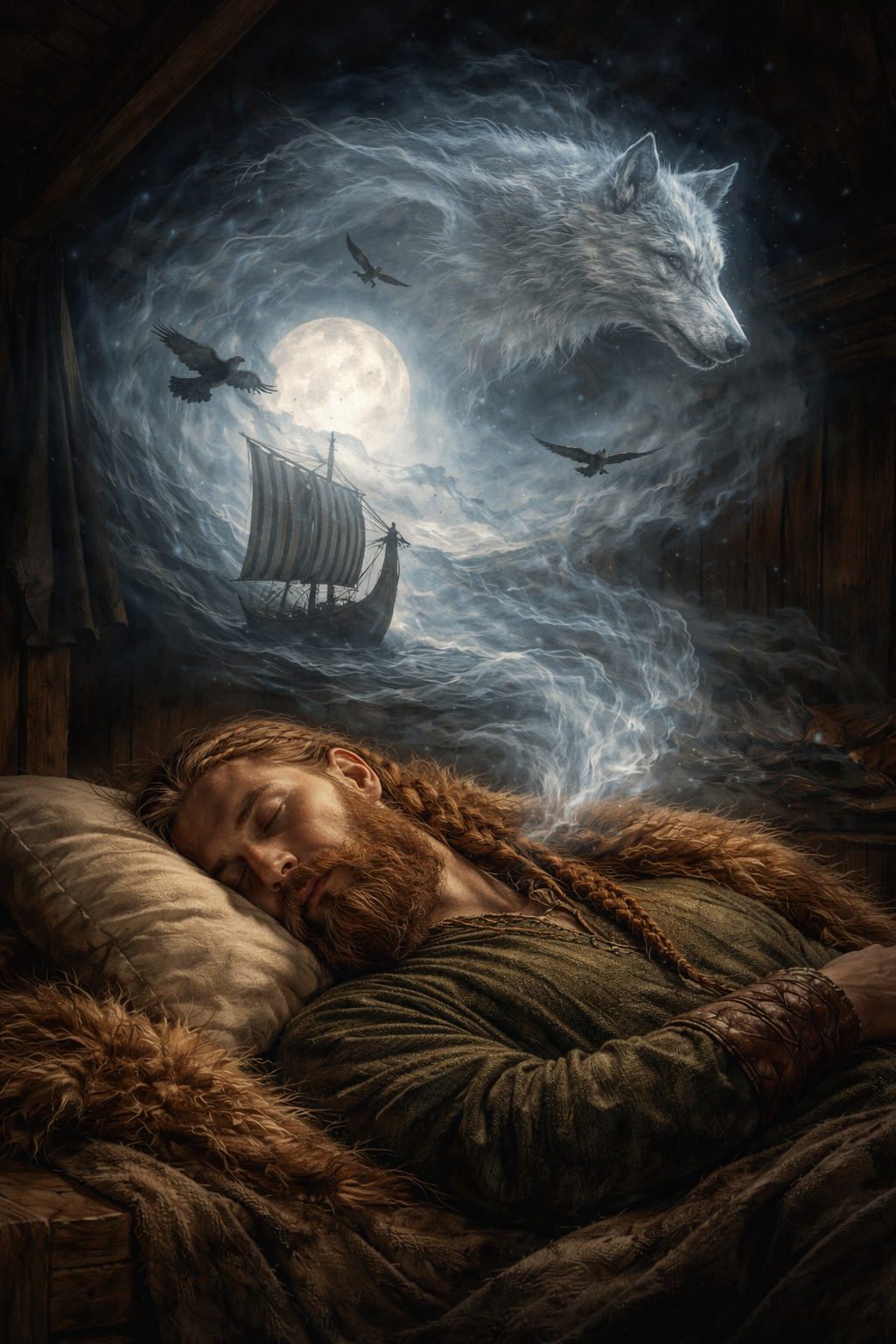
Draumr - Why Not Every Dream Is a Sign
Not every dream is a sign. In Norse thought, draumr is shaped by the self, especially the hugr, and not all dreams come from the gods. This blog breaks down what the sources actually show, where people go wrong, and how to understand dreams without assumption.

Seiðr Craft - Chapter 24: Walking Between Worlds Without Losing Your Way
As awareness deepens, the boundary between ordinary life and deeper perception becomes thinner. What once felt separate begins to overlap, and the ability to move between states becomes easier. But this is where many lose direction. Walking between worlds is not about going further - it is about staying anchored, maintaining control, and not losing yourself as the work develops.
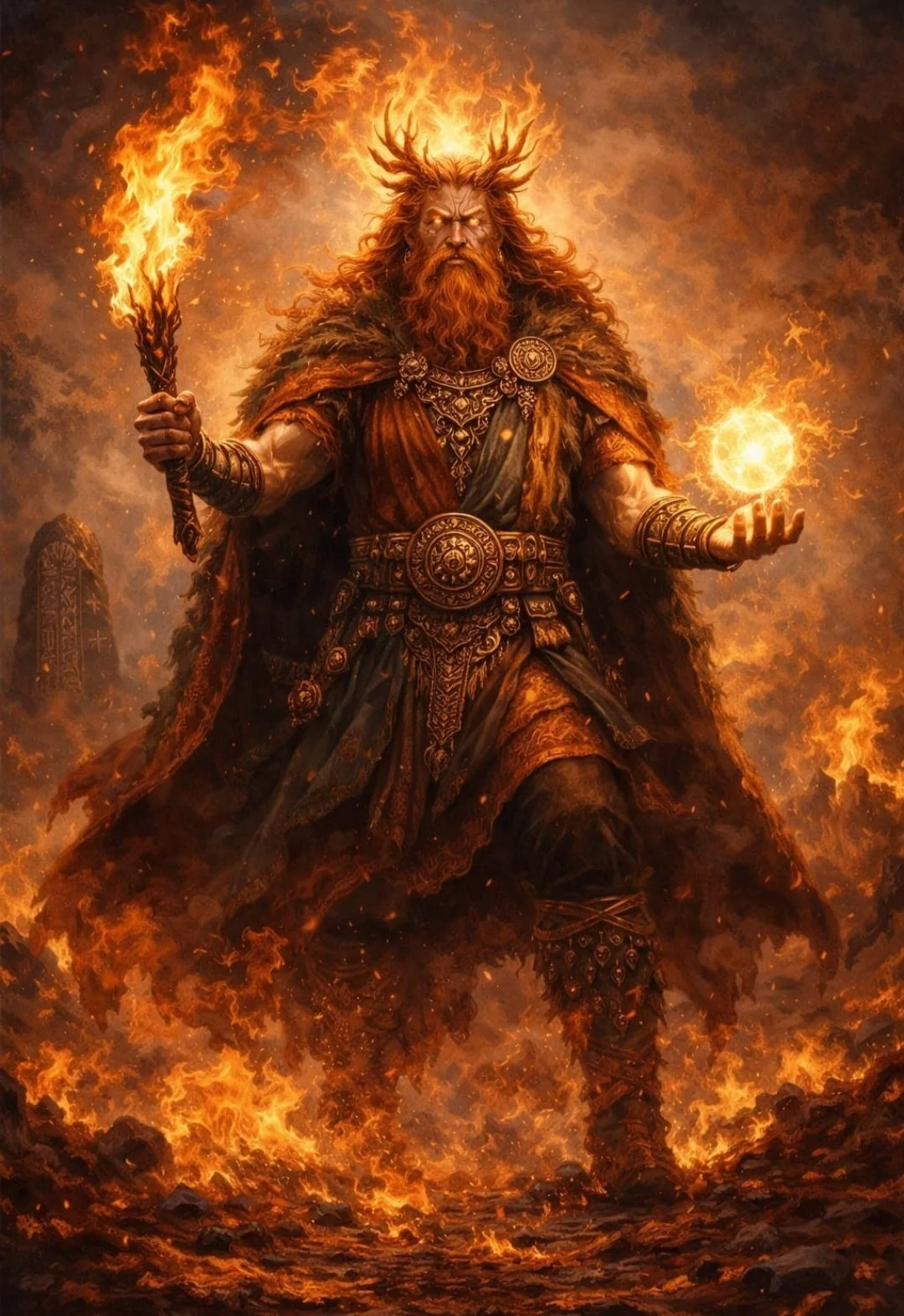
Lodurr: The Flame That Awakens
Before thought, before speech, before memory… there is heat.
Lodurr is that heat.
In the creation of humanity, Odin gives breath, Hœnir gives mind - but Lodurr gives something far more dangerous. He gives warmth, blood, and color. He gives the spark that turns existence into experience.
Without him, life would move… but it would not feel.
This is not the fire that destroys, but the fire that awakens. The ember beneath the ribs that refuses stillness, that drives creation, love, anger, and transformation.
Lodurr does not shape the world.
He makes it burn.
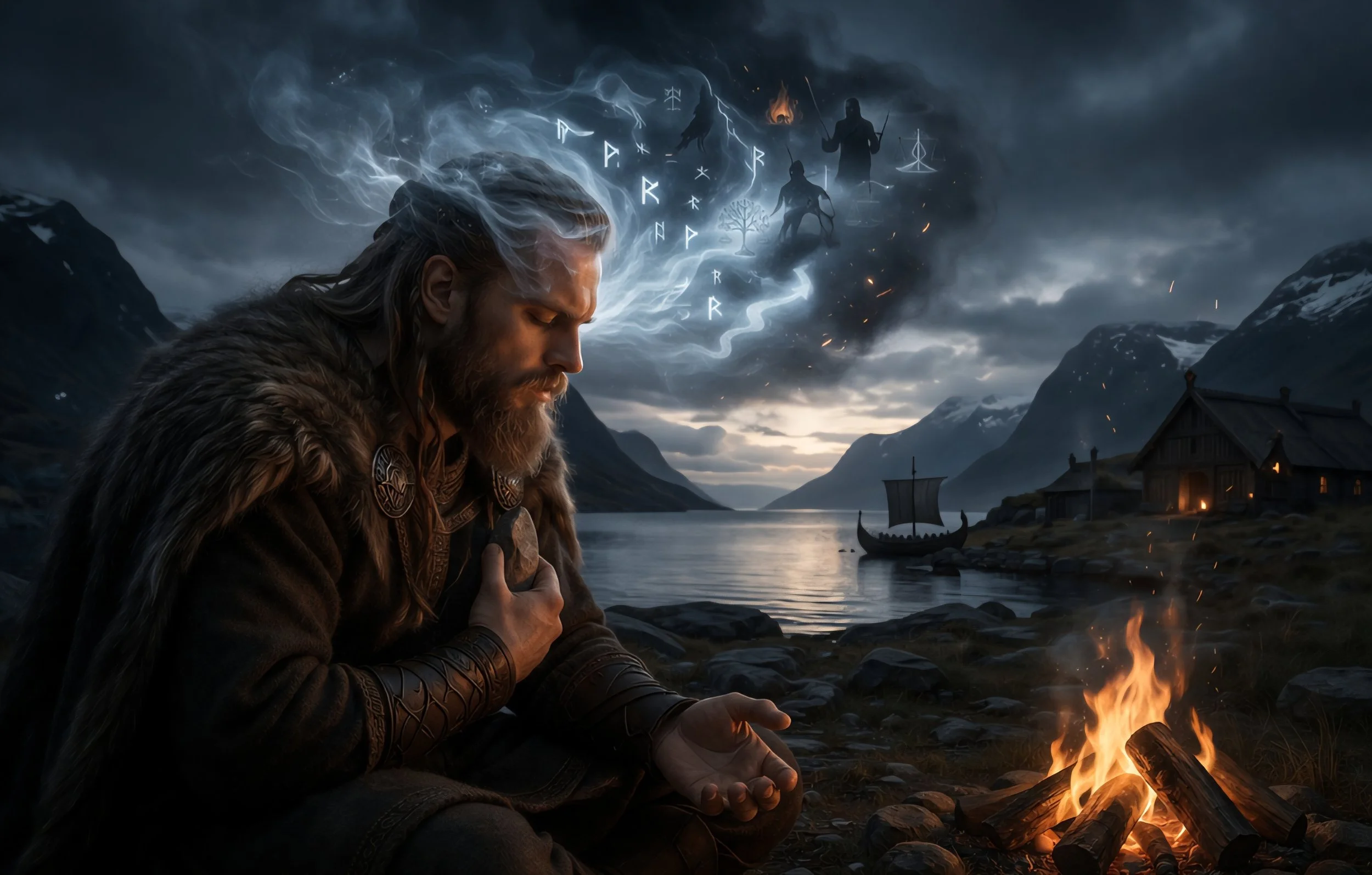
Hugr in Norse Thought: Mind, Will, and Inner State Explained
Hugr is more than “the mind” in Norse thought. It is will, intention, mood, and the inner state that shapes how a person acts and is judged. This piece breaks down what hugr really is, how it appears in the sources, and why it sits at the centre of responsibility and behaviour.
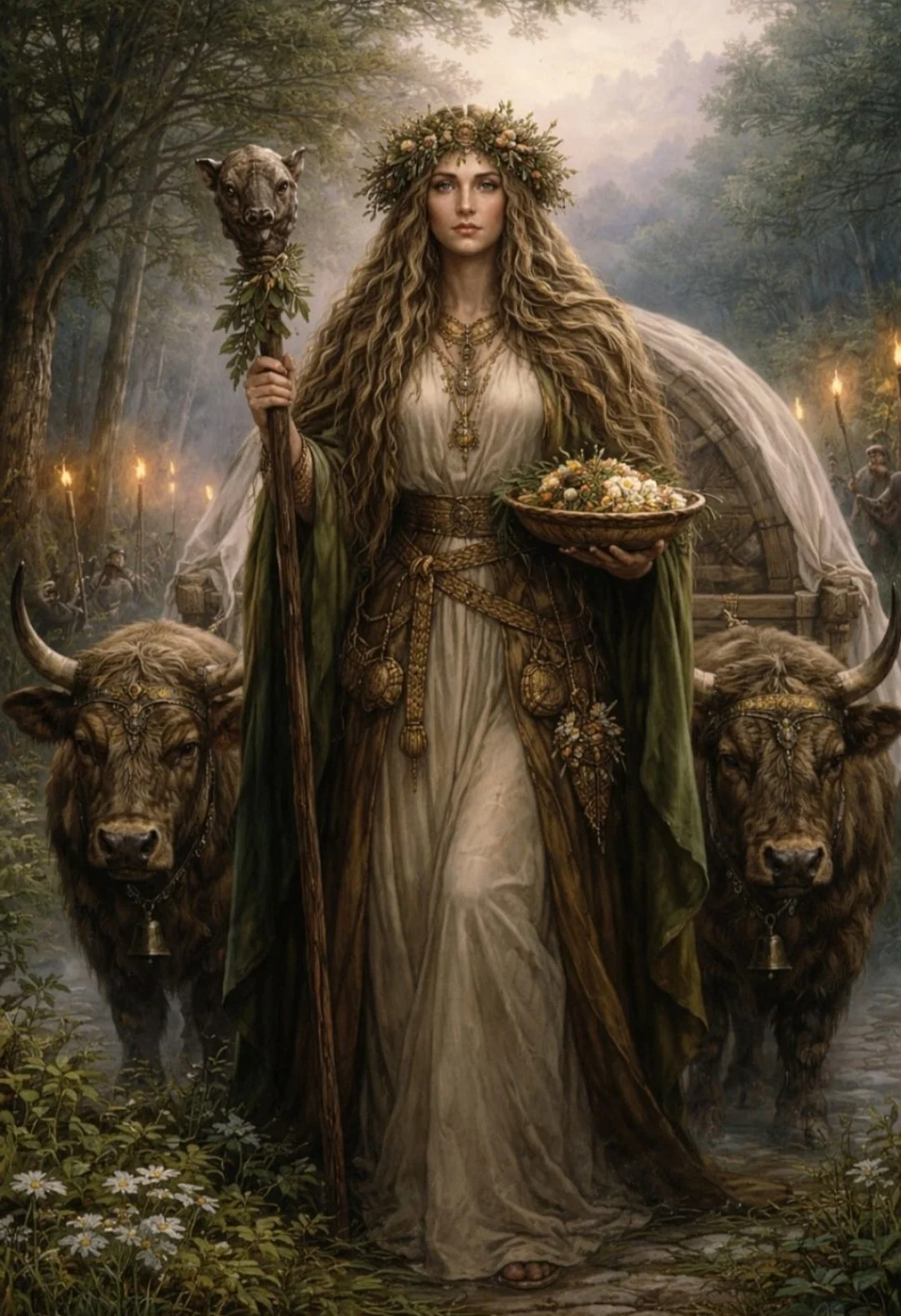
Nerthus: She Who Is Carried and Whom None May See
Before war became language, before kings claimed land and law hardened into rule, there was something older.
Not conquest. Not command.
But the earth… at rest.
Nerthus is not a goddess who arrives with spectacle. She is carried, veiled, unseen and where she passes, violence stops. Not because it is resolved, but because it can no longer justify itself.
This is not peace as comfort. It is peace as condition.
An ancient force that reminds both gods and mortals that life is not sustained through dominance, but through restraint, attention, and alignment with something far older than human will.
Nerthus does not demand belief.
She demands recognition.
Because the ground remembers everything.
Seiðr Craft - Chapter 23: The Cost of Being Seen by Spirits
As awareness deepens, contact no longer remains something separate from daily life. It begins to follow you into ordinary moments, changing how you perceive and respond to the world. But this is where balance is tested. Living with contact is not about becoming consumed by it - it is about learning to carry awareness while remaining fully grounded in yourself.
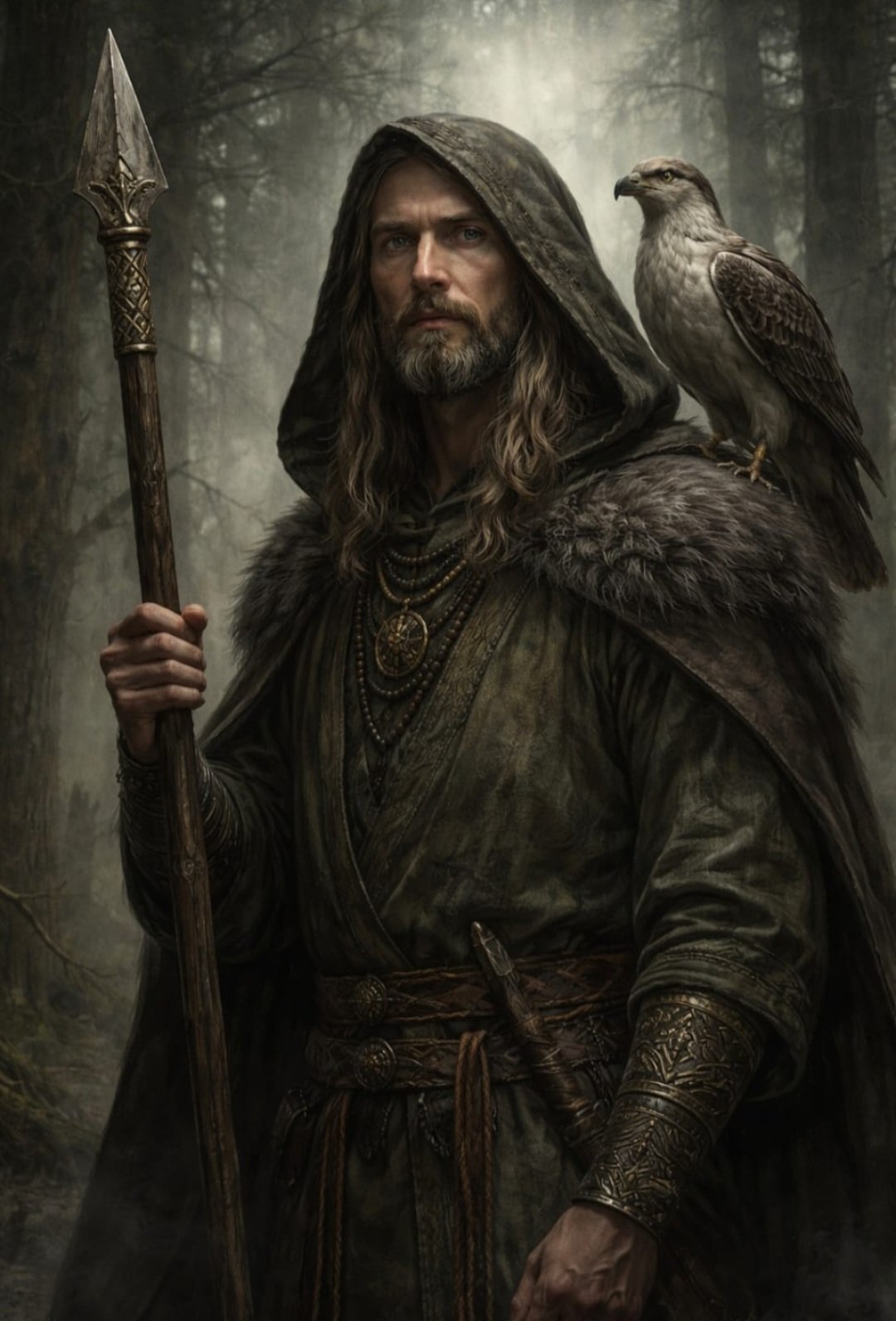
Hœnir: The God Who Holds the Pause
Not all wisdom arrives in words. Some of it waits.
Hœnir is one of the most overlooked figures in Norse mythology, often described as silent, uncertain, or dependent on others. But this reading looks deeper. Not as weakness, but as function.
He stands in the space before decision. The moment where action has not yet hardened into consequence.
At the creation of humanity, while Odin gave breath, Hœnir gave something quieter - awareness. The ability to hold experience before naming it. The pause that allows meaning to form.
This is not a god of answers. It is a god of delay.
Because sometimes the most dangerous thing is not ignorance… but acting before you understand.
Hœnir reminds us that not every moment needs a response, and not every silence is empty.
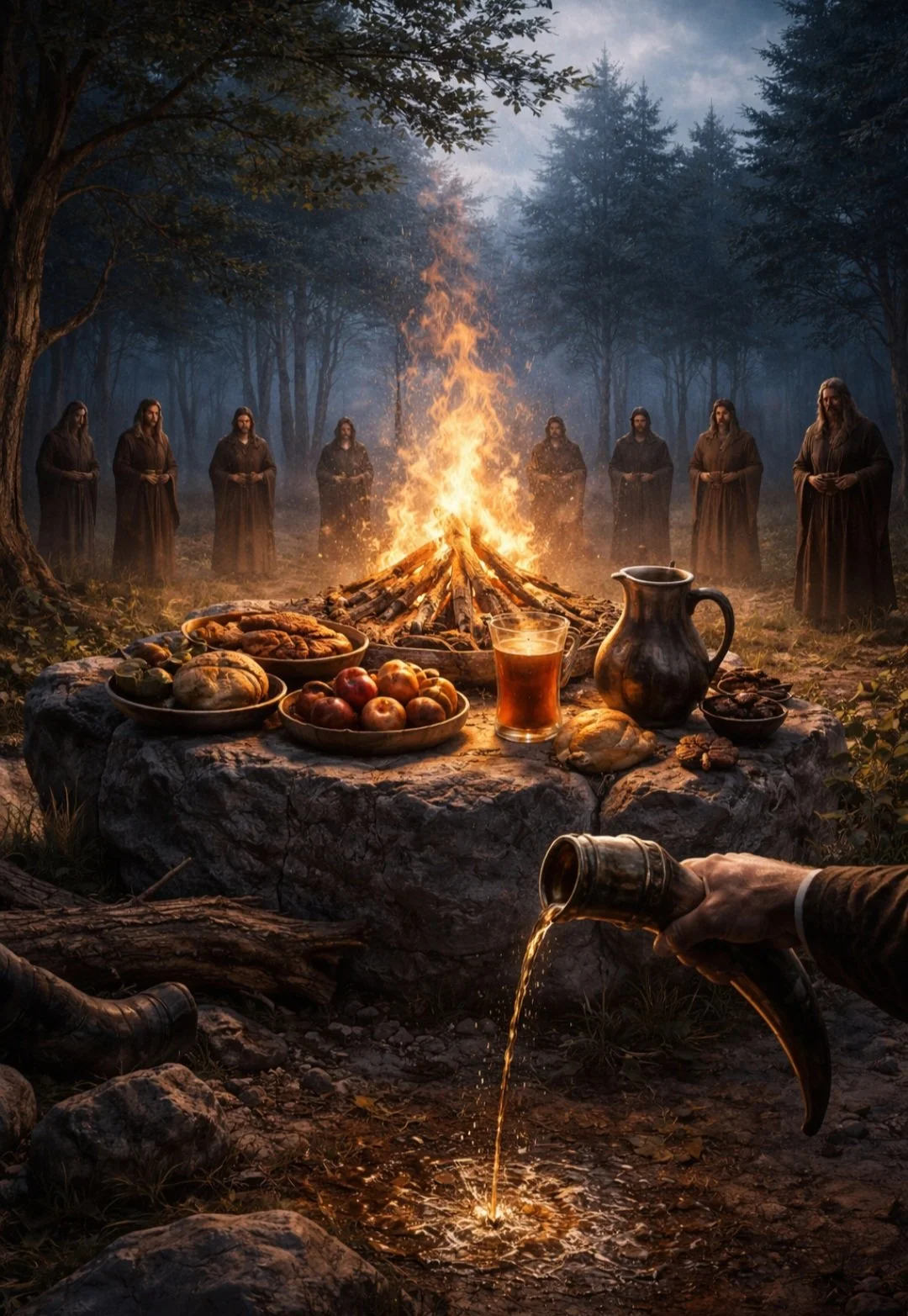
Sigrblót: The Early Summer Sacrifice for Victory in Old Norse Tradition
Sigrblót is a Norse sacrifice for victory, recorded in the sources as taking place at the beginning of summer. While little detail survives about the rite itself, its place within the ritual year and its connection to sigr offer insight into how it was understood and how it is approached today.
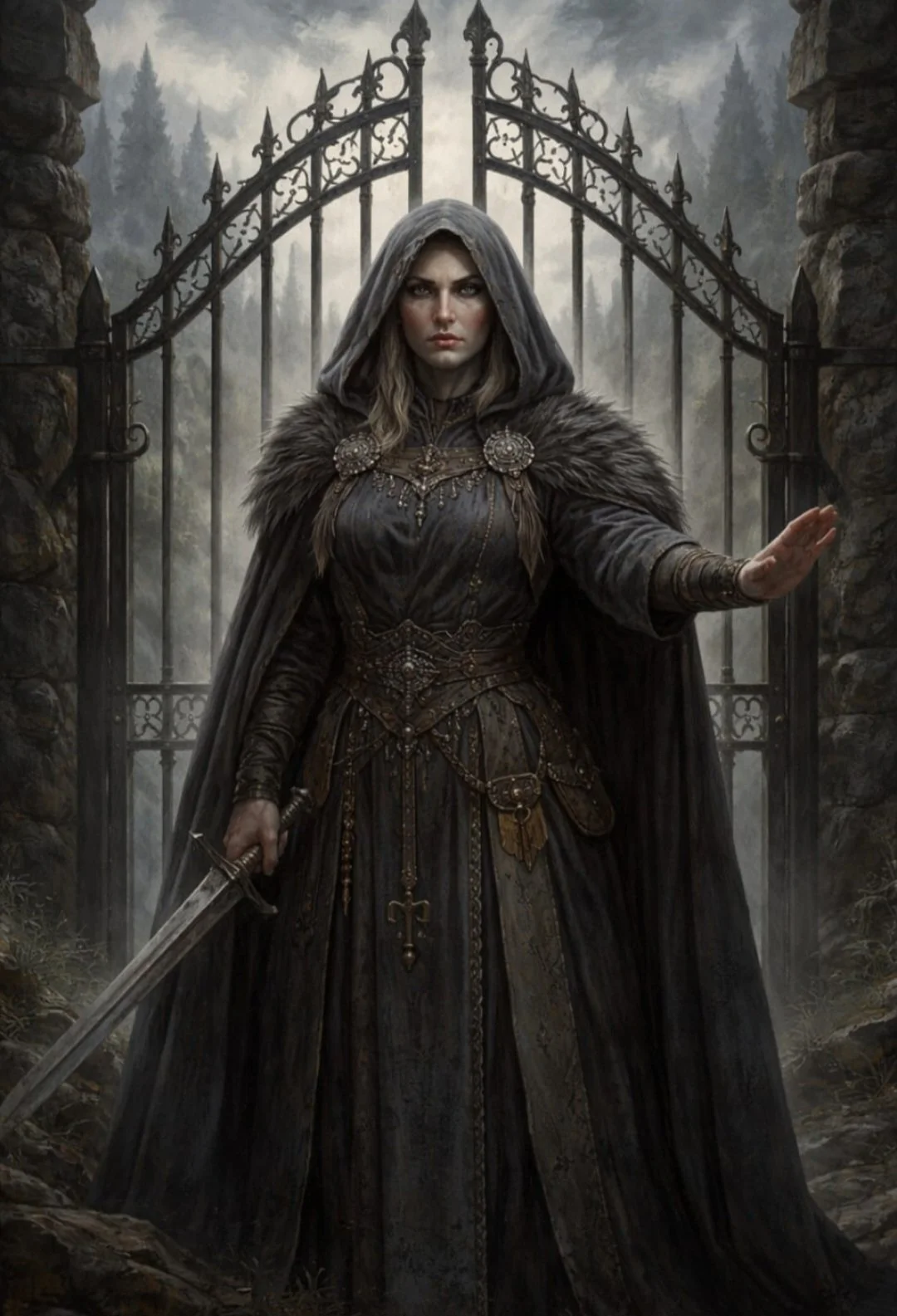
Sýn: The Gate That Says No
Many people think strength is found in action, in pushing forward, in opening every door placed before them. But in Norse thought, survival depended just as much on what was kept out as what was allowed in.
Sýn is the force that holds that line.
Not a goddess of conflict, but of containment. Not a destroyer, but a preserver. She stands at the threshold and decides what may pass and what must remain closed - not out of cruelty, but out of necessity.
This is not a story about denial as rejection. It is about refusal as protection.
Because not all paths are meant to open… and some gates are sacred precisely because they remain closed.

Chapter 22 Seiðr Craft - When Contact Changes You
True contact is not measured by what you experience, but by how you begin to change. This chapter explores the quiet transformation that unfolds over time.. shifts in behaviour, perception, identity, and responsibility that reshape how you move through the world. In seiðr, the deepest work is not dramatic. It is lived.
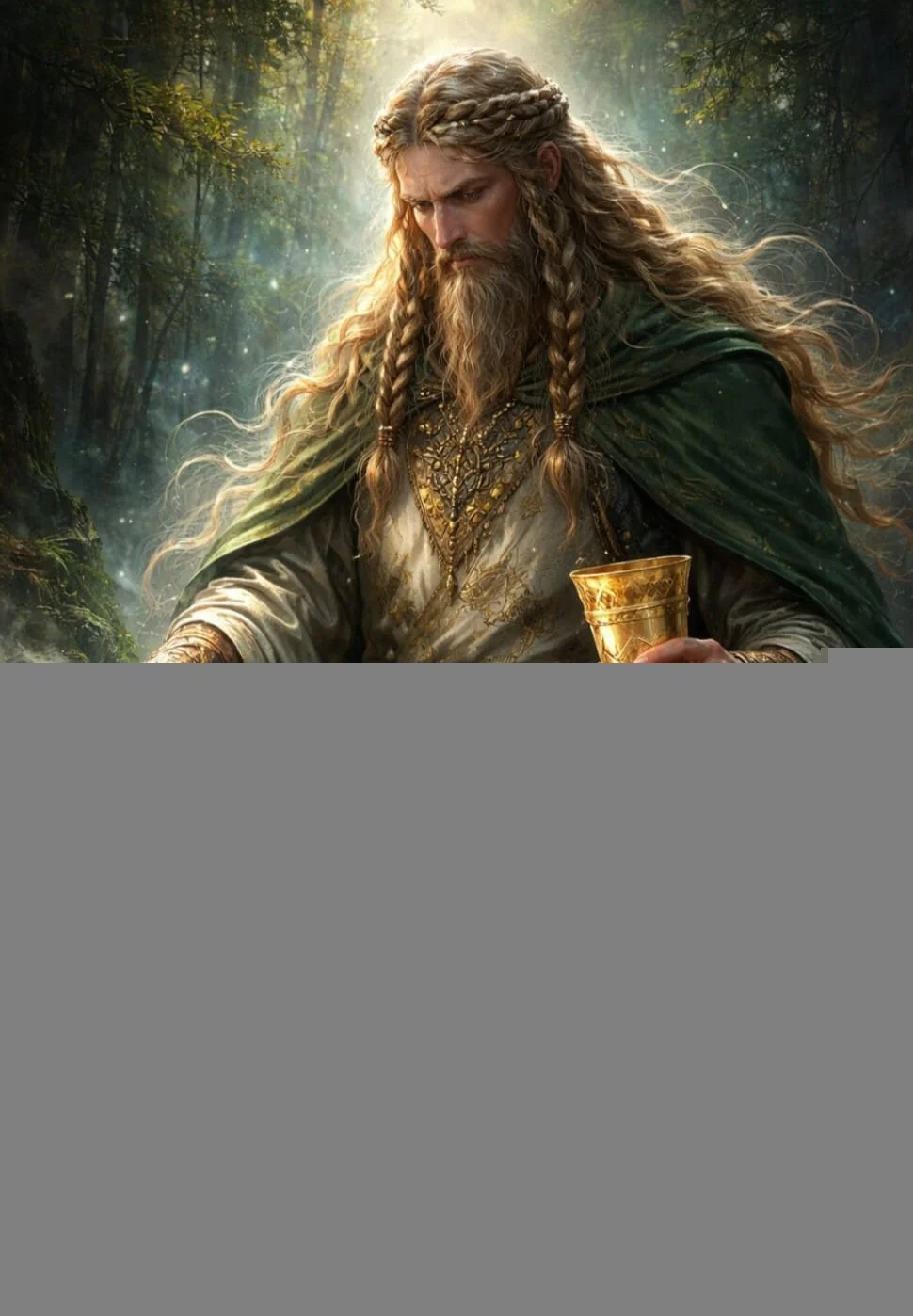
Kvasir: The Breath That Knows
Kvasir is the breath of wisdom in Norse cosmology - born from the shared essence of the Æsir and Vanir, and later transformed into the Mead of Poetry. His story is not about owning knowledge, but letting it move through the world as inspiration, insight, and living speech. This mythopoetic meditation explores Kvasir’s origins, his death and transformation, and why wisdom must flow to remain alive.
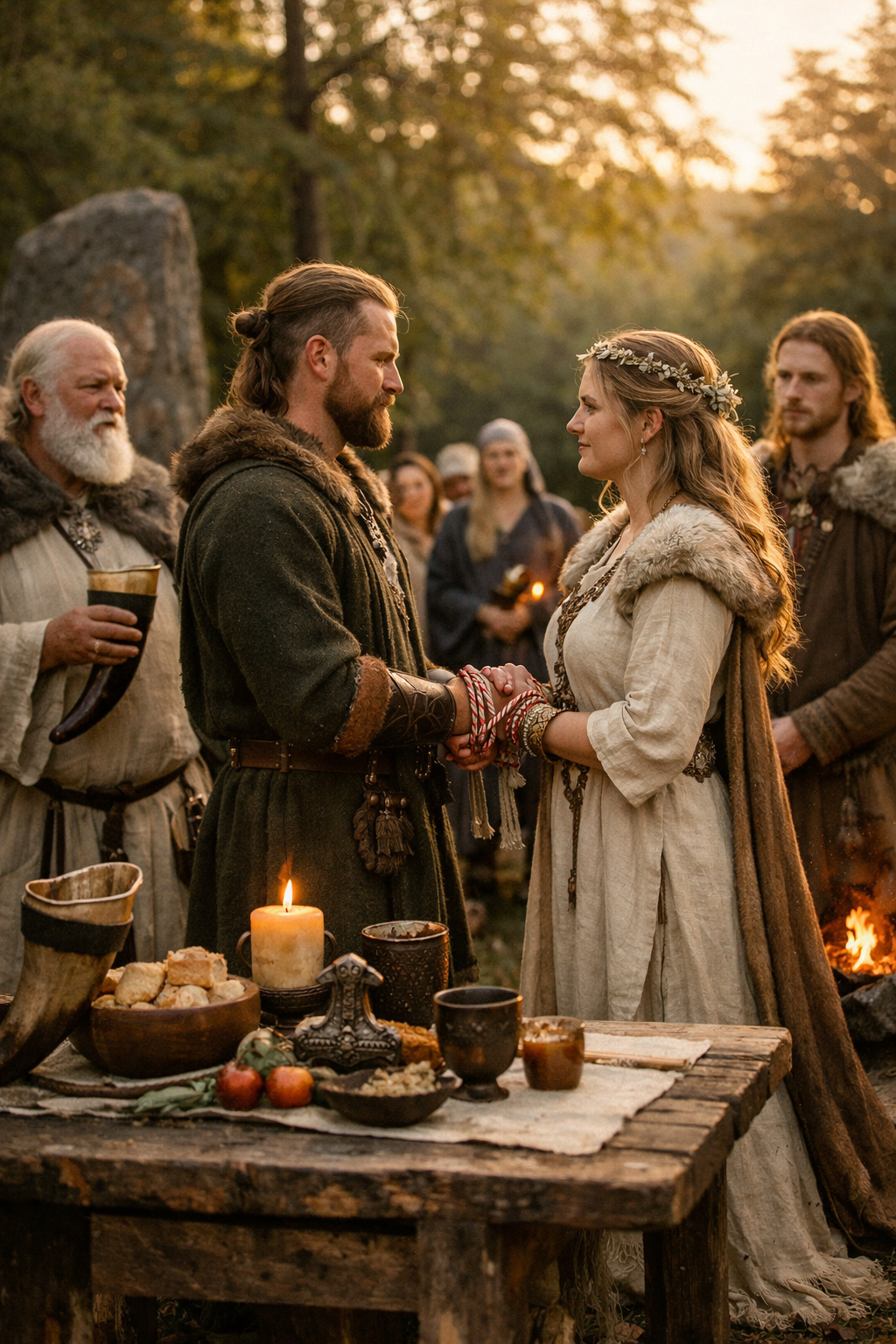
Norse Marriage: History, Rituals, and Sources
Marriage in the Norse world was more than a romantic union. It was a formal agreement between families that shaped alliances, property, and social peace. By looking at saga literature, law codes, and archaeological evidence, we can understand how Viking Age marriages were arranged, celebrated, and recognised within the community.

Snotra: The Quiet Guide of Thought and Deed
Snotra is a lesser-known figure in Norse cosmology, yet her influence represents one of the most important forces in human decision making: prudence. Associated with reflection, restraint, and thoughtful judgment, she embodies the quiet wisdom that guides action before consequences unfold. This meditation explores her symbolism, role in mythic imagination, and the enduring importance of careful thought in a world often driven by impulse.

Seiðr Craft - Chapter 21: Signs, Not Stories
In seiðr, not every sign is a message and not every moment requires explanation. This chapter explores the difference between noticing a sign and turning it into a story. By learning to observe without forcing meaning, practitioners allow patterns, timing, and repetition to reveal their place within the wider weave of events. Sometimes the wisest response is not interpretation, but patience and restraint.

Vörðr - The Hidden Guardian of Instinct in Norse Belief
Before the mind knows, something else has already sensed the path ahead. The Norse called this quiet watcher the Vörðr - the part of the soul that steps into the future before we arrive.
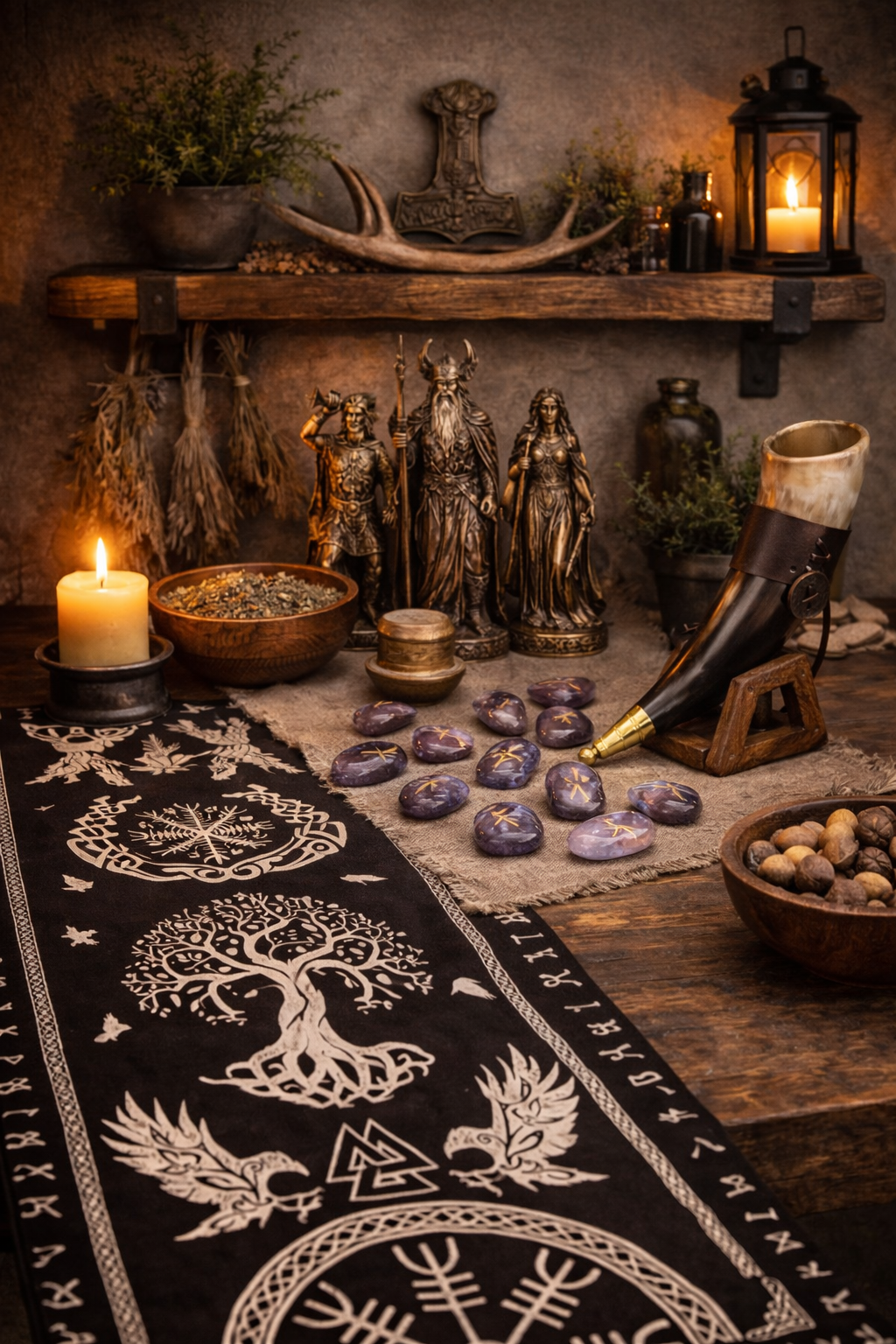
Best Things to Buy for a Norse Altar (Practical & Authentic Guide)
If you are building a Norse altar, it can be difficult to know what you actually need. This guide cuts through the noise and breaks it down clearly. No gimmicks. No trend décor. Just solid, meaningful items that serve a purpose on a working Norse altar.
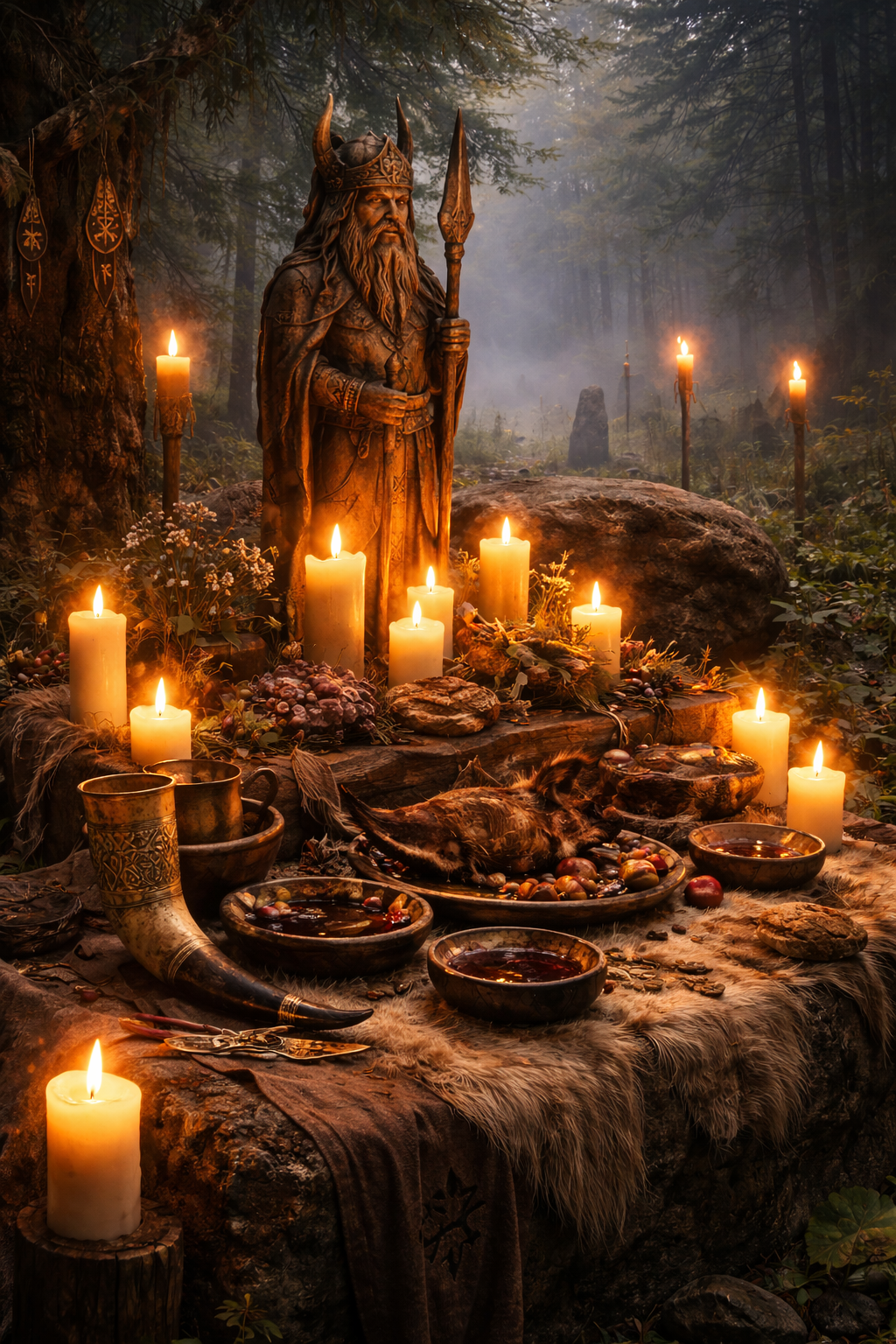
What Is a Blót? Norse Pagan Offerings, Rituals and Meaning
A blót is not a spell or a performance. It is an act of giving that binds humans, gods, ancestors, and land into right relationship. This article explores how sacred offering and reciprocity shaped Norse spiritual life, then and now.