

Wyrd & Flame Articles
The Wyrd & Flame blog gathers articles exploring Norse tradition, the Elder Futhark runic system, mythology, and the cultural world of the early Germanic peoples. These articles aim to provide clear and thoughtful exploration of northern traditions while maintaining awareness of the historical sources and cultural context behind them.
Across the blog you will find studies of the runes, discussions of Norse cosmology, mythological themes, folklore, and guides designed to help readers explore these subjects in greater depth.
Whether you are beginning your study of the runes or expanding your understanding of Norse tradition, the articles published here aim to provide structured knowledge that goes beyond surface explanations.
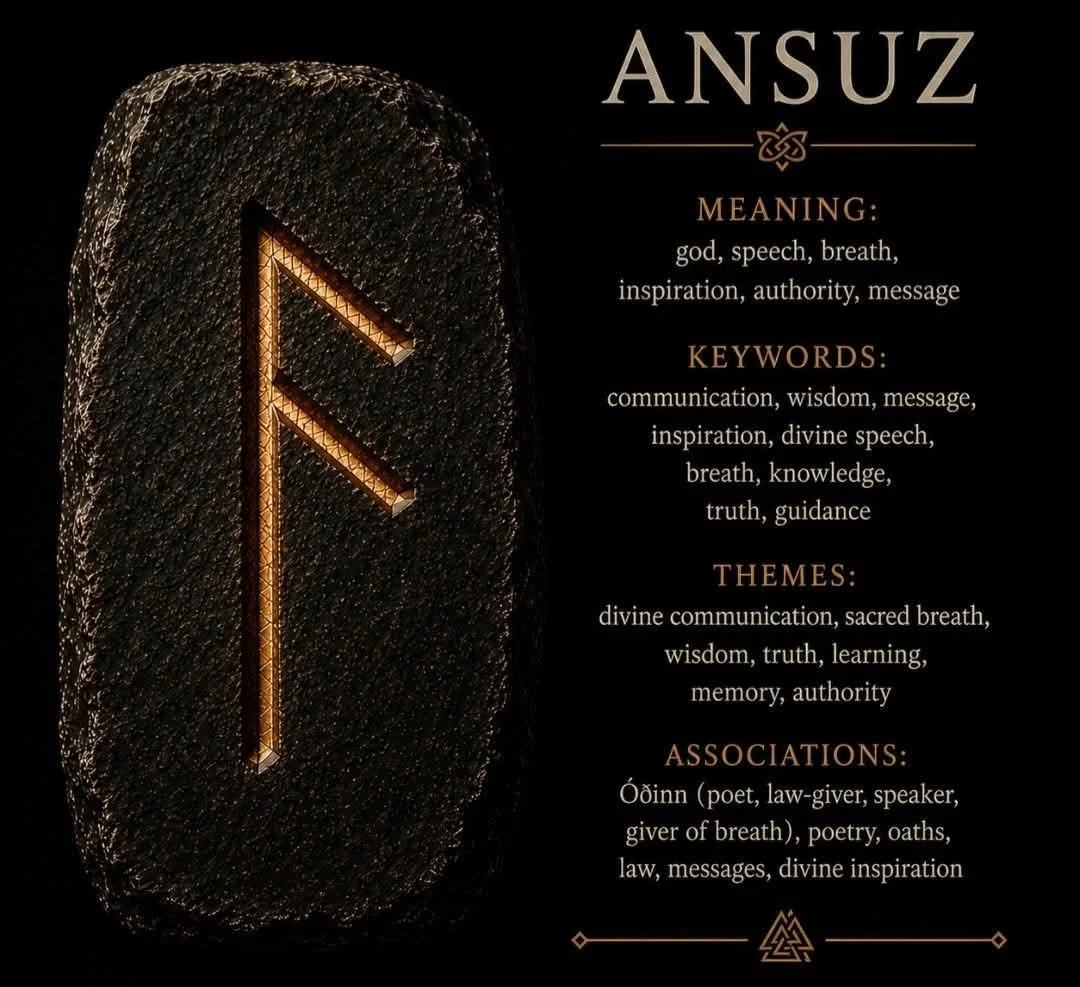
Ansuz Rune Meaning: History, Symbolism, Divination & rune magic
Ansuz (ᚨ) is the fourth rune of the Elder Futhark, rooted in the Proto-Germanic ansuz, meaning “god” or “divine being.” Closely associated with divine authority, speech, breath, wisdom and inspiration, Ansuz explores the extraordinary power words held within early Germanic and Norse culture. From the surviving rune poems and archaeological evidence to Odin, sacred speech, divination and modern rune practice, this in-depth guide examines the history and evolving symbolism of one of the Elder Futhark’s most fascinating runes.
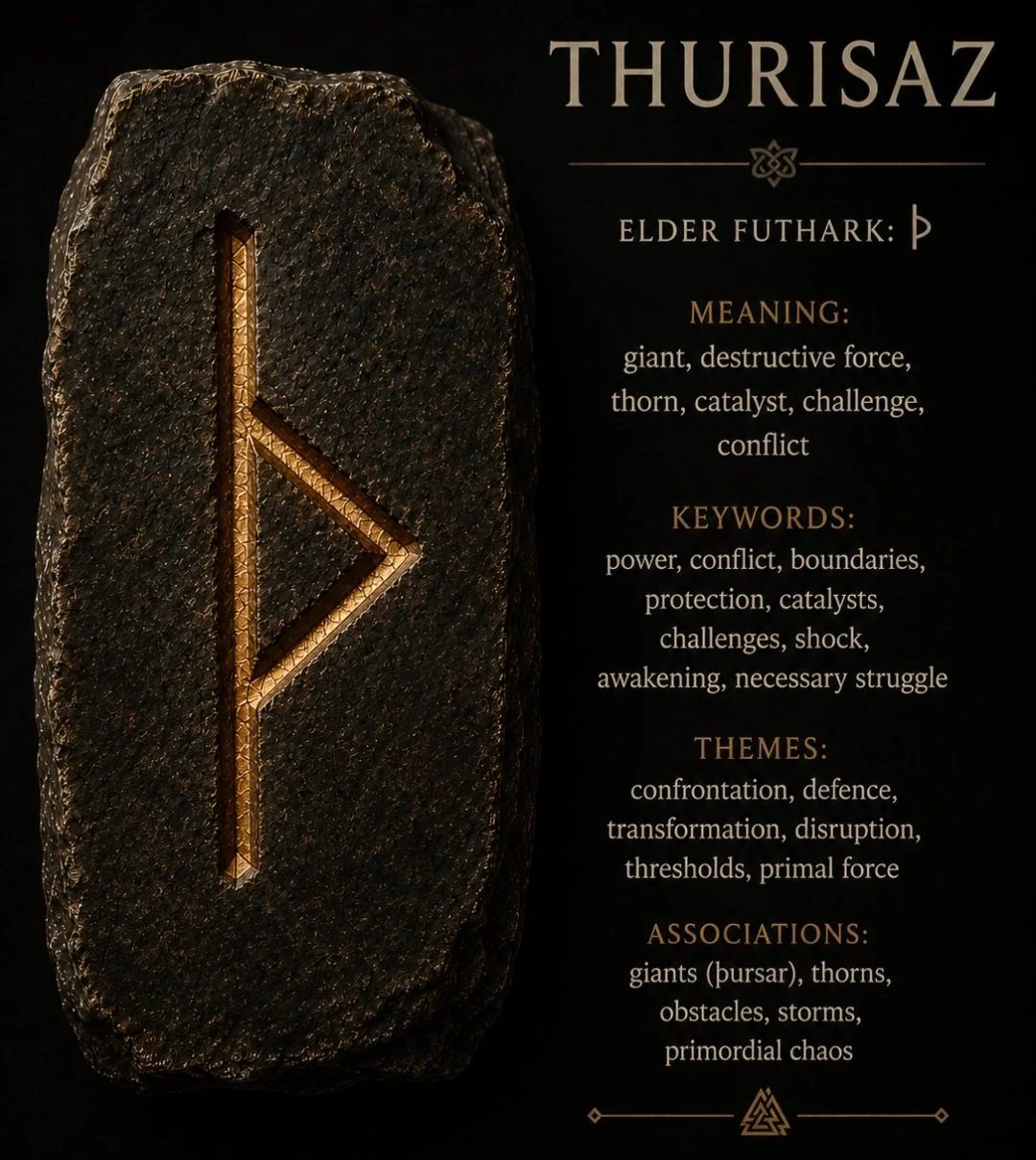
Thurisaz Rune Meaning: History, Giants, Symbolism, Divination & Norse Rune Magic
Discover the true meaning of Thurisaz, the third rune of the Elder Futhark. Explore its connections to giants, the thorn, chaos, protection, challenge, Norse mythology, rune poems, archaeology, divination, seiðr, galdr, bindrunes, and modern rune magic.
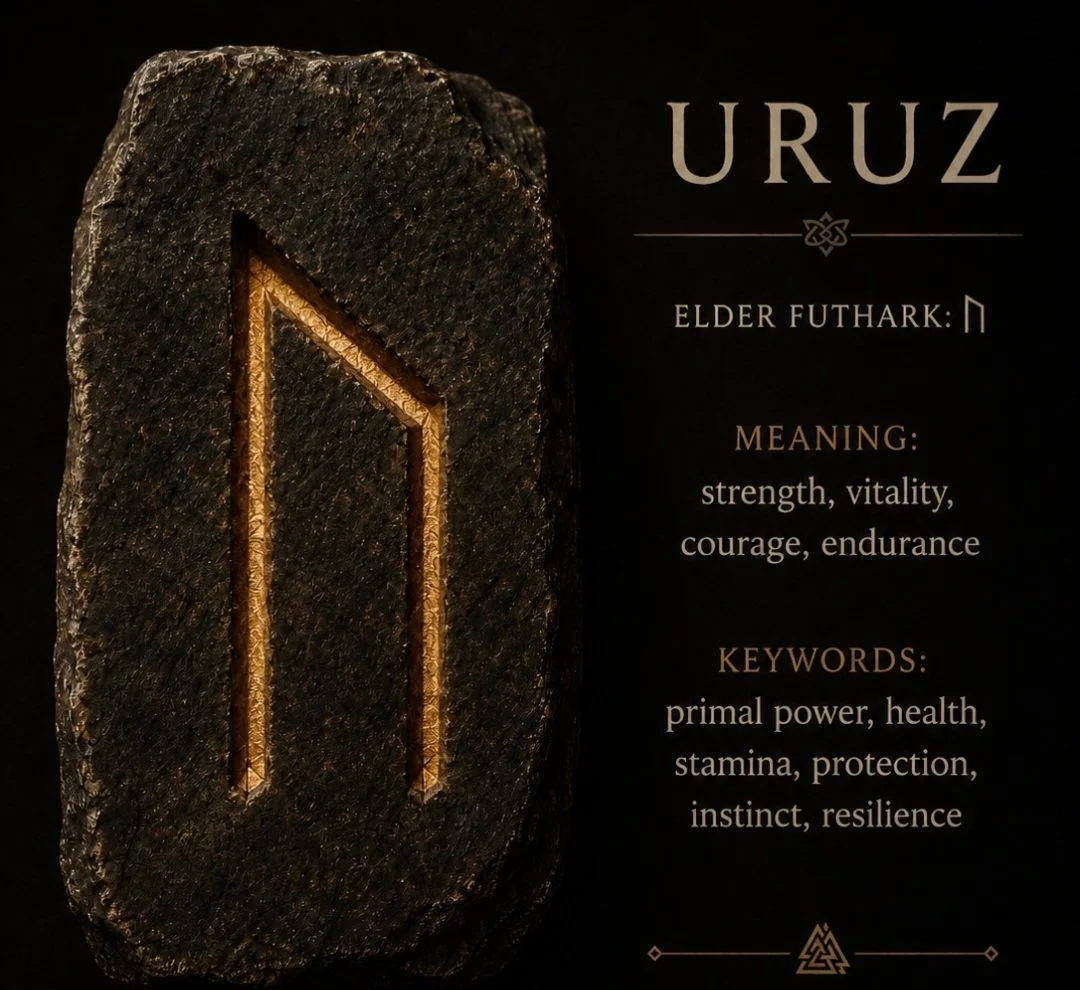
Uruz Rune Meaning: History, Symbolism, Divination & Norse Rune Magic
Explore Uruz, the second rune of the Elder Futhark, meaning aurochs, primal strength, vitality, endurance, and raw power. Learn its historical roots, rune poems, archaeological evidence, mythological connections, divination meanings, seiðr, galdr, bindrunes, and modern magical uses.
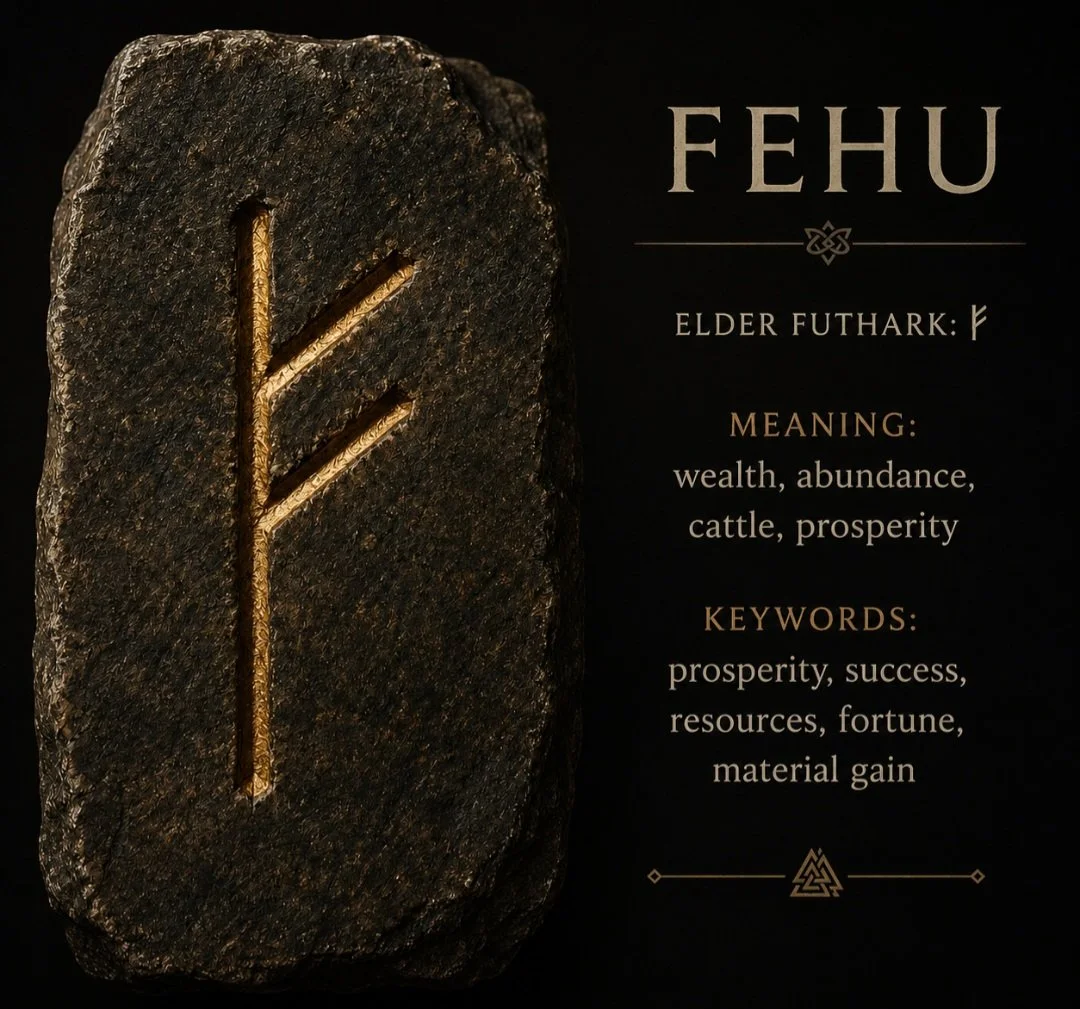
Fehu Rune Meaning: History, Symbolism, Archaeology, Divination & Norse Mythology
Discover the complete meaning of Fehu, the first rune of the Elder Futhark. Explore its historical origins, rune poems, archaeological evidence, Norse mythology, symbolism, divination meanings, magical uses, and the role of wealth, prosperity, and responsibility in the ancient Germanic world.
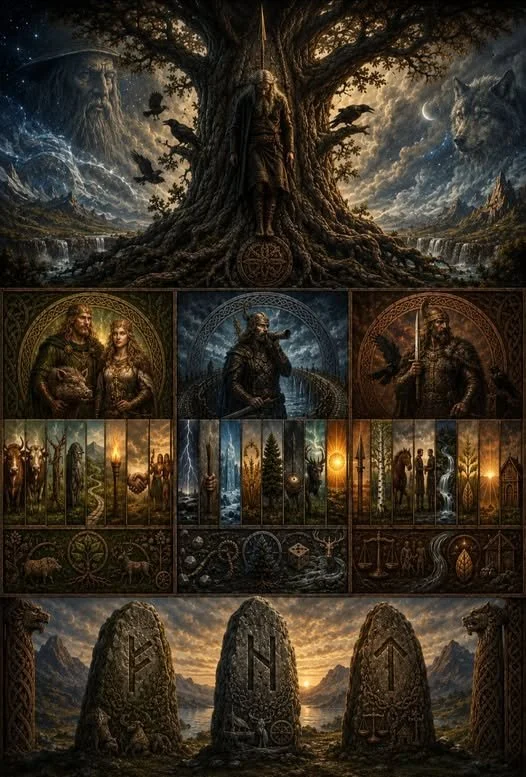
The Three Ættir of the Elder Futhark: History, Meaning, and Modern Interpretation
The twenty-four runes of the Elder Futhark are traditionally divided into three groups of eight known as ættir, yet no surviving Norse source explains why this division exists. In this first chapter of the Runic Series, we explore the historical evidence behind the ættir, their function as a mnemonic system, and the many modern interpretations that have developed around them. Discover the symbolism of the First, Second, and Third Ætt, examine their proposed associations with Freyr, Freyja, Heimdall, and Tyr, and learn where history ends and contemporary rune lore begins. Whether you are beginning your study of the Elder Futhark or seeking a deeper understanding of its structure, this chapter provides the essential foundation for the journey ahead.
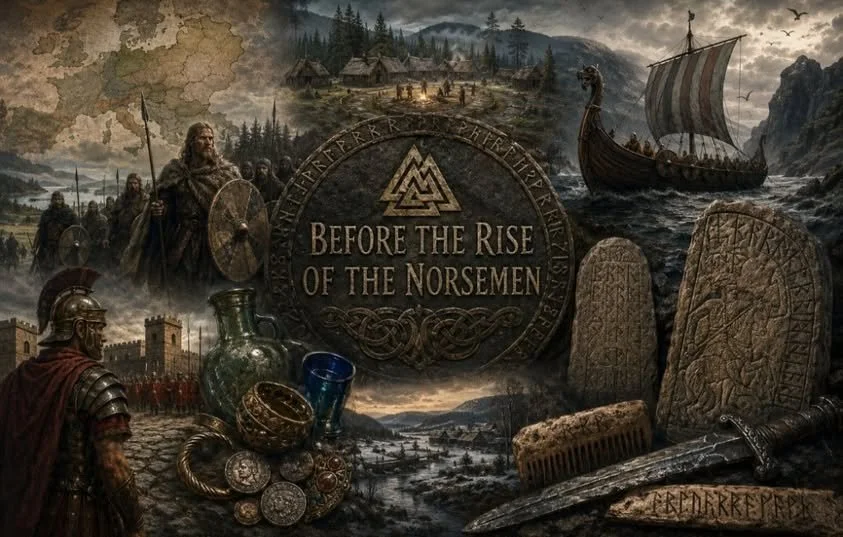
Before the rise of the Norseman - Runic History
Long before the Viking Age, the ancestors of the Norse developed one of Europe's most distinctive writing systems - the runes. This in-depth guide traces the origins of the Elder Futhark from its emergence during the Roman Iron Age through the Migration Period, examining how contact with Rome, linguistic change, and centuries of cultural development shaped the runic tradition. Discover the transition from the Elder to the Younger Futhark, the archaeological evidence behind the earliest inscriptions, and the historical realities behind one of the most enduring symbols of the ancient Germanic world.