

Wyrd & Flame Articles
The Wyrd & Flame blog gathers articles exploring Norse tradition, the Elder Futhark runic system, mythology, and the cultural world of the early Germanic peoples. These articles aim to provide clear and thoughtful exploration of northern traditions while maintaining awareness of the historical sources and cultural context behind them.
Across the blog you will find studies of the runes, discussions of Norse cosmology, mythological themes, folklore, and guides designed to help readers explore these subjects in greater depth.
Whether you are beginning your study of the runes or expanding your understanding of Norse tradition, the articles published here aim to provide structured knowledge that goes beyond surface explanations.
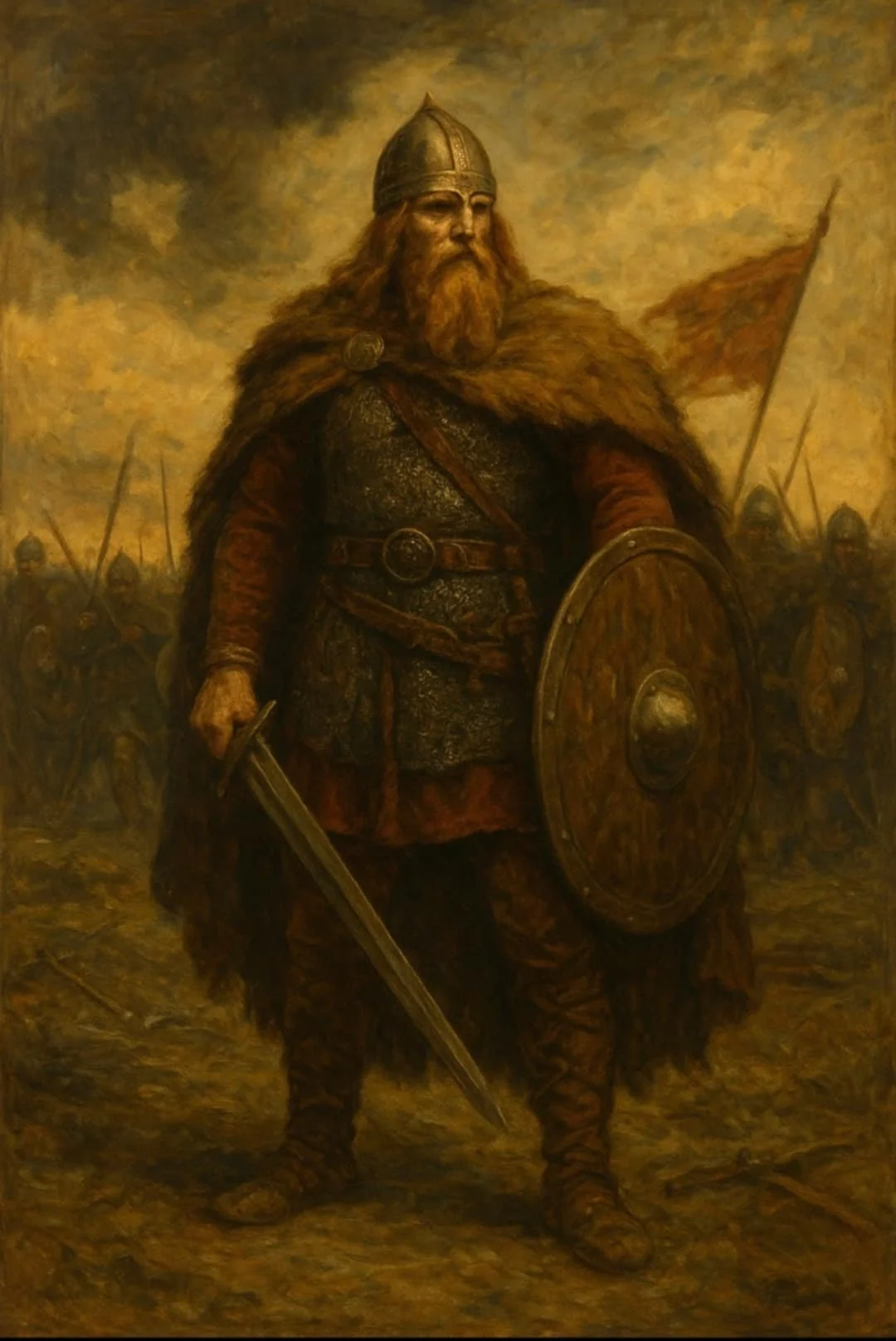
The Danelaw: The Shadow Kingdom
The Danelaw was more than a conquered territory—it was a crucible in which two worlds collided and transformed each other. From the first terrifying raids on monasteries to the rise of Viking kingdoms in Northumbria and East Anglia, the arrival of the Great Heathen Army reshaped the destiny of England. Battles burned across the landscape, law and belief systems merged, cities flourished under Norse rule, and a hybrid culture emerged that would help form the foundation of the English nation. This is the story of conquest and coexistence, of fire and law, of warriors, settlers, kings, and the enduring shadow they left behind.
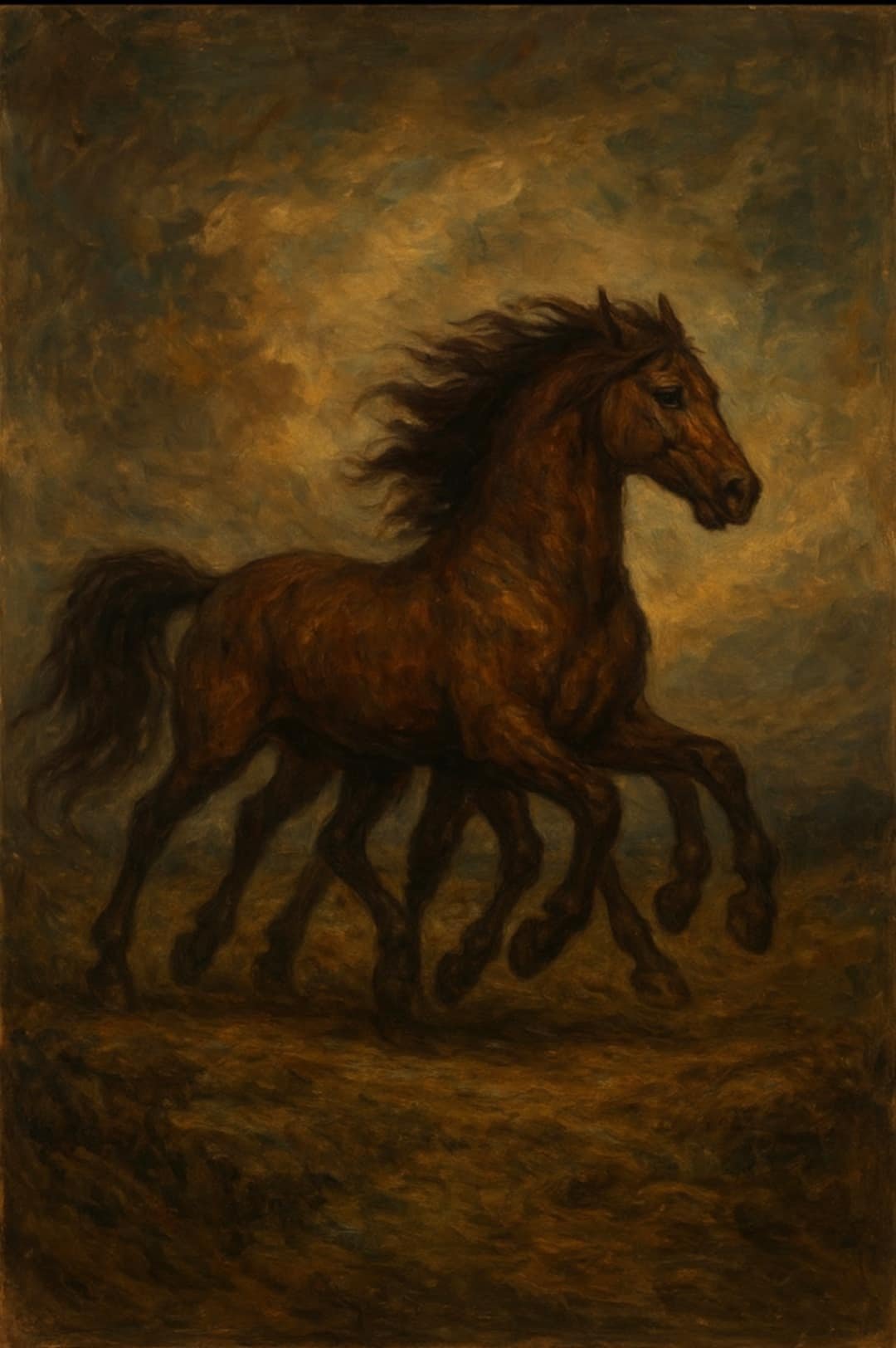
Sleipnir: The Steed Between Worlds
Before the walls of Asgard were raised, before men named their fears or prayed to the gods, the worlds whispered of a being who could cross what no other could. From dream, deception, and divine necessity emerged Sleipnir - Odin’s eight-legged steed, the fastest and most mysterious creature in the Norse cosmos. Born of Loki’s shapeshifting and the giant stallion Svaðilfari, Sleipnir became far more than a mount; he was the living road between realms, the embodiment of motion, trance, and the breath that carries the soul across worlds. This is the tale of the grey horse who bore gods to fate, rode through Hel, outran giants, and became the symbol of transcendence itself.
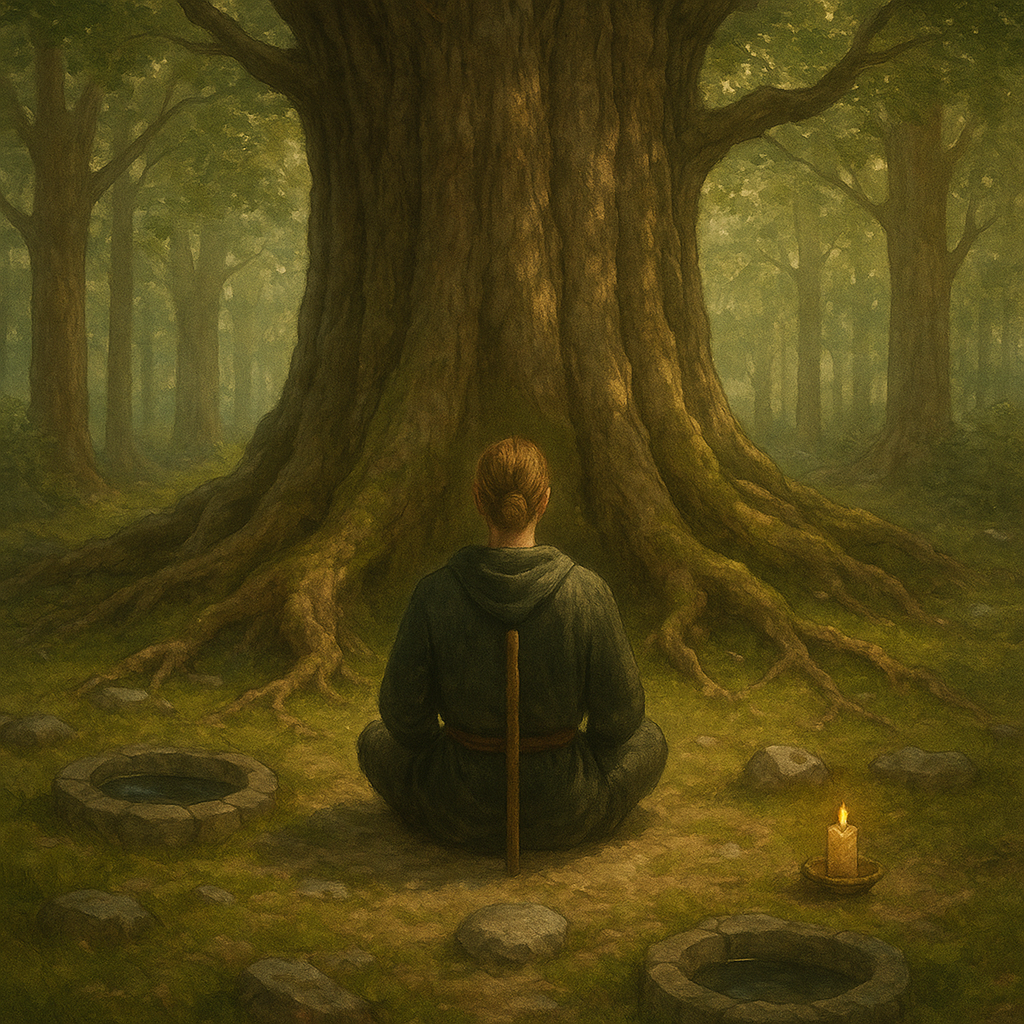
Seiðr Craft - Chapter 8: ‘Standing’ Grounding
Standing grounding is the spine of seiðr. Before you call to the gods, ancestors, or landvættir, you must become properly placed: rooted, aligned, and fully present. This chapter explores the Norse foundations of grounding through the cosmology of Yggdrasil, shows how historical sources hint at this preparation, and gives you a complete step-by-step ritual to root, center, and steady yourself. When you stand well, the craft opens. When you don’t, everything wavers.

Haunted North: The Norse Understanding of Ghosts and the Supernatural
The Viking Age world was alive with unseen forces. To the Norse, the dead did not simply vanish into a distant afterlife - they lingered, walked, warned and sometimes rose again in flesh and fury. Ghosts could be physical revenants, dream visitors, protective ancestors or restless spirits tied to land and lineage. Alongside them lived trolls, wights, elves and other beings who shaped daily life as surely as storms or seasons. Drawing on sagas, Eddic poems and later Scandinavian folklore, this exploration reveals a world where the boundary between living and dead was thin, fate was ever present, and the unseen was woven into the fabric of existence.

Björn Ironside: The Son Who Sailed Beyond the World
Bjorn Ironside is one of the most celebrated figures in Viking lore - a fearless warrior, a renowned explorer, and a legendary son of Ragnar Lothbrok. Remembered for his daring raids across Europe and his bold expeditions into the Mediterranean, Bjorn earned a reputation as a leader who pushed the boundaries of the Viking world. His story, preserved in medieval sagas and embellished through centuries of storytelling, reveals the ambition, resilience, and adventurous spirit that defined the Norse age.

Harald Fairhair: The Oath That Forged a Kingdom
Harald Fairhair stands as one of the most pivotal figures in early Norwegian history. Known as the first king to unite Norway under a single rule, Harald’s story blends legend and reality, from his vow to win a kingdom worthy of a great ruler to the battles that secured his power. His reign marked a turning point in Scandinavian politics, laying the foundation for a centralized Norwegian monarchy and influencing the saga traditions that preserved his legacy for centuries.

Fáfnir: The Hoard Beneath the Heart
Fafnir is one of the most iconic figures in Norse mythology - a dwarf prince transformed into a fearsome dragon by greed and the curse of a powerful treasure hoard. His story, preserved in the Völsunga Saga, follows his descent into monstrous form and his dramatic death at the hands of the hero Sigurd. Fafnir’s tale explores themes of greed, fate, and corruption, leaving a lasting influence on modern fantasy and mythic storytelling.

How to Cultivate Luck : Hamingja and Orlog
In the old Norse and Germanic world, luck and fate were not blind forces - they were living powers shaped by human action. The ancients believed that every deed, every promise, and every act of courage strengthened your hamingja (personal luck) and wove your örlög (fate). This article explores how to build good fortune and a worthy reputation through honour, courage, and integrity - following the wisdom of the sagas and the laws of the Norns. Learn how to shape your own fate through your choices, and leave behind a name worth remembering.
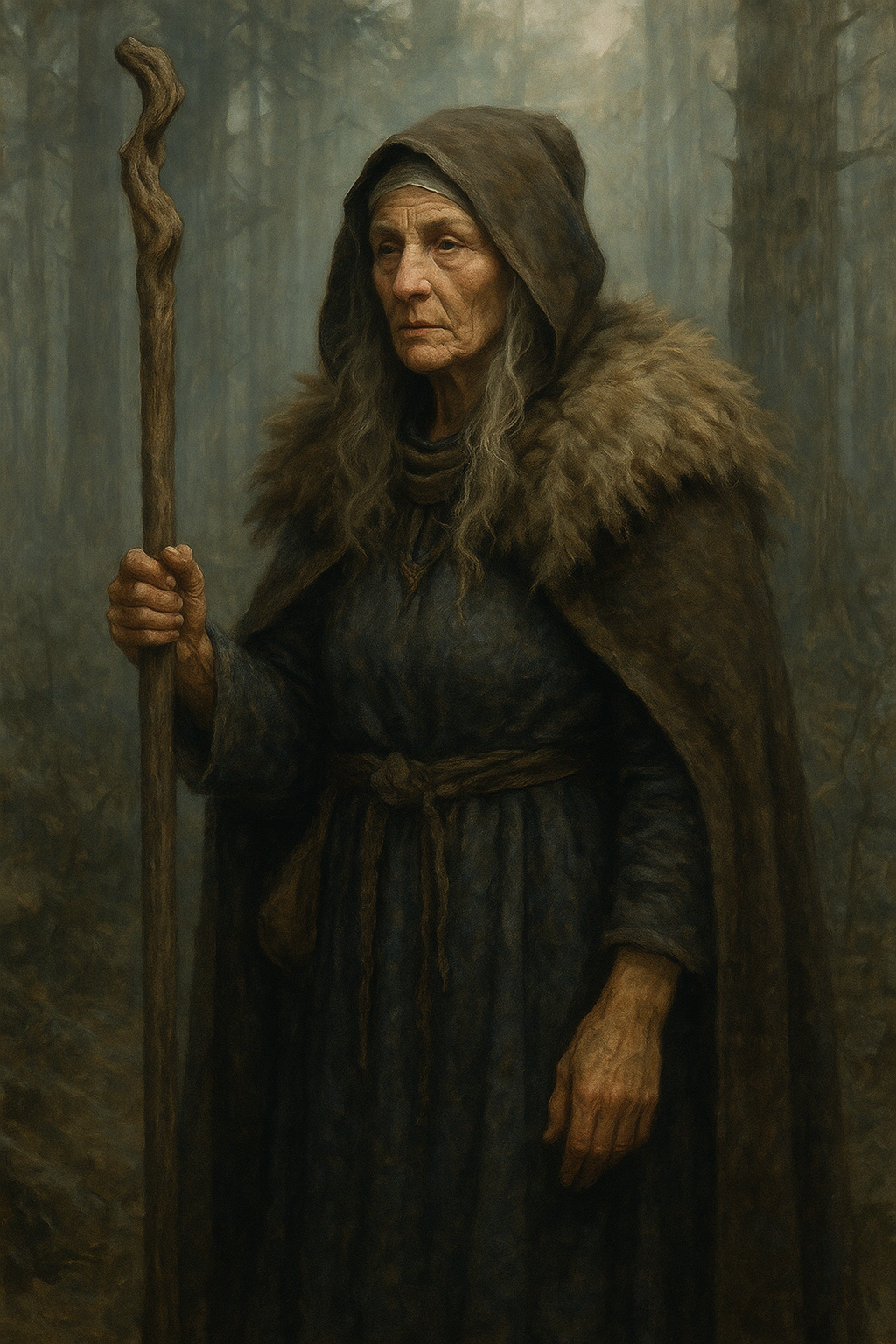
Seiðr Craft – Chapter 7 Samhildr: Where the Laws Become Living
There is a quiet turning point in seiðr where the craft stops being a list of rules to remember and becomes a rhythm that moves through your body on its own. Before that point, the laws sit in the mind like lessons to recite. After it, they weave themselves together instinctively, shaping your breath, your timing and your presence without conscious effort. This shift from memorising to weaving is the essence of Samhildr - the moment the craft stops being something you perform and becomes something you inhabit.

The Forgotten Norns: Lesser Known Weavers of Fate in Norse Mythology
The Norns stand at the heart of Norse mythology, shaping fate in ways far older and deeper than the gods themselves. Far from being only three figures beside a well, the Norns form a vast host drawn from different realms, each weaving the threads of life, death and destiny. This blog explores their origins, their connection to orlog, their hidden appearances in the sagas, and the roles of lesser-known Norns whose names survive only in fragments. It also examines how they differ from other female spirit powers, how seidr brushes against their work, and how modern heathen belief understands them today. The world of the Norns is wider, stranger and more intricate than most imagine, and within it lies a vision of fate that remains powerful and relevant in the present day.

Mimir: The rememberer beneath the roots
Before the gods shaped the Nine Worlds and long before the sagas were sung, there was only memory, and its keeper was Mímir. Beneath the roots of Yggdrasil lay the still, dark well where thought becomes remembrance and truth settles like silt. From these depths Mímir drank, learning what even the gods feared to know. His wisdom was born not of thunder or war, but of silence, sacrifice, and the weight of remembering. This is not just the tale of a mythic guardian, but a meditation on the cost of insight and the quiet power of memory. In the shadow of the World-Tree, Mímir’s voice endures, whispering the truths that shaped the gods themselves.

Brynhildr: THe valkyrie who burned for love and vengence
She called to the living, and they answered in ruin. Before the gods fell silent and the old names faded from human memory, the sky thundered with the flight of the valkyrjur, Odin’s fierce choosers of the slain. Among them, Brynhildr shone brightest — a daughter of oath and storm, born to decide the fates of warriors. Yet it was her defiance, not her obedience, that carved her legend into the bones of Norse myth. When compassion stirred where duty demanded silence, Brynhildr’s wings were torn from the heavens, and exile reshaped her destiny. Her story begins not with loyalty, but with rebellion — and the price of choosing what the gods forbade.

Huginn and Muninn: The ravens of the ninth sky
Every morning, two invisible messengers rise from the human mind, one chasing thought and the other carrying memory. These are the modern echoes of Huginn and Muninn, the twin ravens of Odin whose daily flights shape the god’s understanding of the world. They are not just mythic birds but ancient symbols of consciousness itself, the eternal movement between experience and reflection. In their wings we find the map of how we perceive, remember, and ultimately make sense of our own existence.

What is orlog? : The Norse Law of Fate, Honour and Ancestral Destiny
Orlog is one of the oldest and most powerful ideas in Norse belief. It is the unseen foundation of fate, shaped by ancestral deeds, personal actions and the laws of life itself. More than destiny, Orlog teaches duty, honour and responsibility. In this article, we explore its meaning in the Eddas and Sagas, its connection to wyrd, the Norns and seiðr, and how the Norse lived in harmony with fate.

Seiðr Craft - Chapter 6: Ábyrgð - Responsibility
Irresponsibility in seiðr is never harmless. Every working is an exchange, and every thread you pull demands a price. The careless speak of fate as if it is a game, but wyrd does not forget. Power without honour becomes poison. This chapter reveals why responsibility is the foundation of true seiðr - why consent, consequence, and disciplined aftercare are not moral niceties but essential laws of the craft. Those who ignore them pay in silence, sickness, or tangled fate. Those who uphold them walk with steady power. This is not a path for the reckless - it is a path of weight, truth and sacred accountability.

Baldr’s Dream (Story form)
When Baldr, the shining son of Odin, begins to dream of his own death, the gods of Asgard are filled with dread. Seeking the truth, Odin rides alone into the realm of the dead to awaken a long-buried seeress. Her prophecy reveals the coming of tragedy - Baldr’s death, the grief of the gods, and the first shadows of Ragnarök. Baldr’s Dreams is a timeless tale of love, loss, and the inescapable power of fate, echoing the belief that even gods cannot escape what must come.

Hafgufa: The Ancient Norse Sea Giant of Silence & Depth
Beneath the still skin of the sea, deeper than sun or memory can reach, the Hafgufa waits. In Norse tradition, it is not merely a monster but the ocean’s dreaming heart - vast, wordless, and older than gods. Sailors whispered of islands that breathed, of calm waters that opened like jaws, and of nights when the sea itself seemed to listen. The Hafgufa does not thrash or roar; it consumes in silence, a hunger as old as the tide. To glimpse it is to understand how small the world above truly is, and how infinite the darkness below. This is not a creature of rage but law - the deep recalling what strays too close. In its myth, terror is reverence, and stillness is power. The sea does not forget. The sea remembers everything.
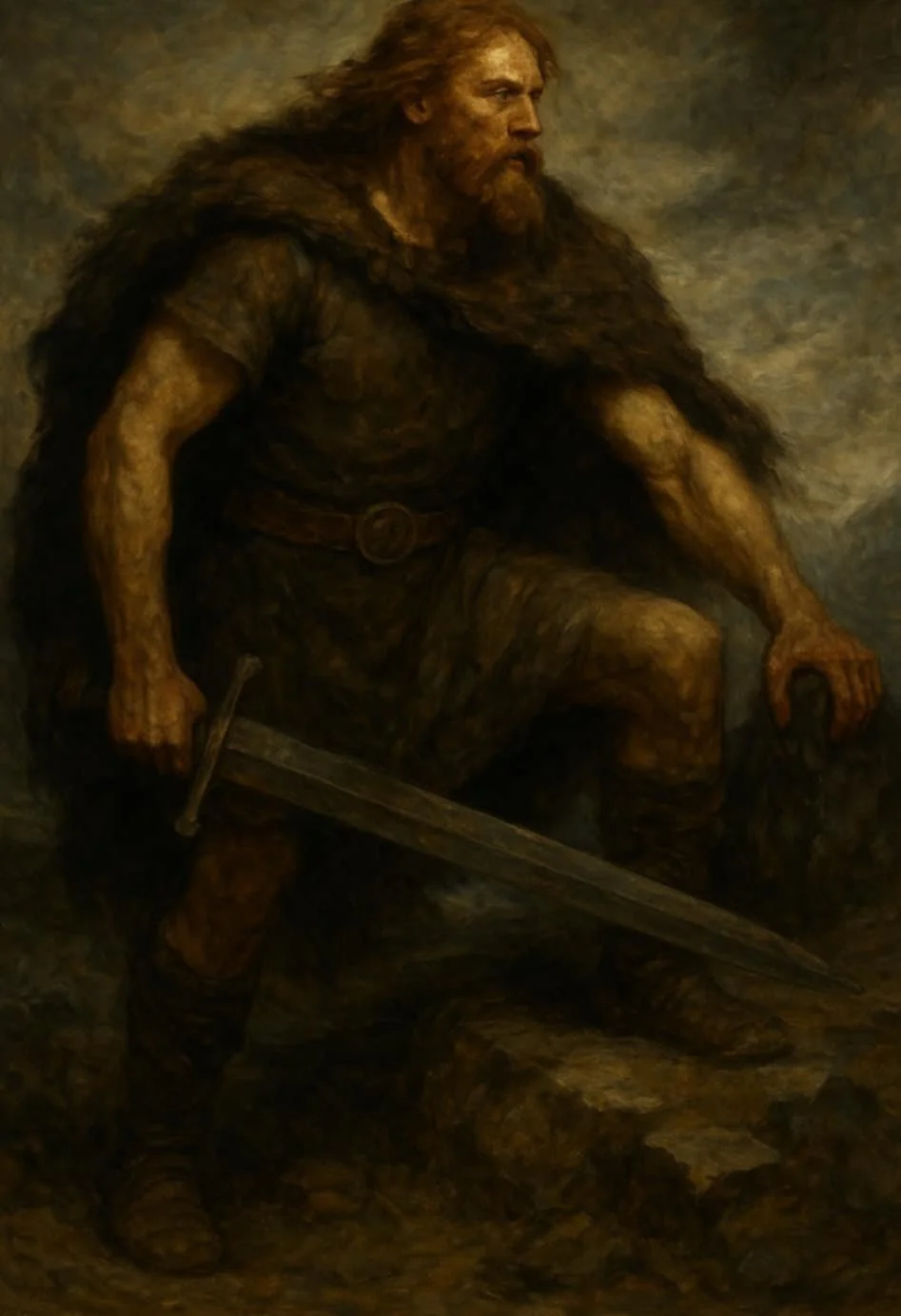
Víðarr: The Silent Avenger
Víðarr, the silent god of Norse myth, is power without spectacle - endurance shaped into destiny. Born of Odin and the giantess Gríðr, he stands as the still axis of the cosmos: listening, waiting, acting only when the world demands it. His symbol is a humble shoe, stitched from countless scraps of leather (quiet offerings gathered across ages) made to brace against Fenrir’s jaws at Ragnarök. In Víðarr, silence is not absence but presence; not weakness, but focus. He is aftermath rather than wrath, the strength that rebuilds when thunder fades. Surviving the world’s fire, he walks the new earth with unbroken patience, a living promise that balance returns through restraint. This is the lesson of Víðarr: that true might is accumulated in stillness, and from silence, renewal begins.

How to Handle Conflict with Honour (Inspired by the Sagas)
In the harsh northern lands, honour was life itself. The old Norse and Germanic peoples believed that true strength lay not in cruelty, but in balance - in courage tempered by wisdom, and justice untainted by revenge. Inspired by the sagas and ancient codes of the North, this piece explores how to face conflict with dignity, drawing lessons from the wisdom of Njáll the Wise, the words of Odin, and the laws of the Thing. Learn how to stand firm without bitterness, defend what is right without needless harm, and live so your name endures with honour.

Seiðr Craft - Chapter 5: Sannindi - Truth
Truth in Seiðr is not gentle. It is the fire that strips illusion from sight, the torch that burns away deception until only clarity remains. To live in sannindi is to see as Odin saw — through pain and sacrifice — and to speak as the völva spoke, plainly and without flattery.
In this chapter, we walk the path of truth: how to recognise it, live it, and speak it even when it cuts deep. For without truth, Seiðr collapses into delusion. With it, the staff becomes a torch that lights the way between worlds.