


Ivar the Boneless – Defiance Carved in Flesh
Born with a body too fragile for war, yet remembered as one of the fiercest Viking leaders in history, Ivar the Boneless defied every limitation. Carried into battle where others marched, he commanded armies, toppled kings, and carved a legacy of fear and brilliance that reshaped the Viking Age. His story, caught between legend and history, is a reminder that true strength lies not in bone and muscle, but in unbreakable will.
Alfheim in Norse Mythology: Light Elves, Freyr, and the Realm of Magic
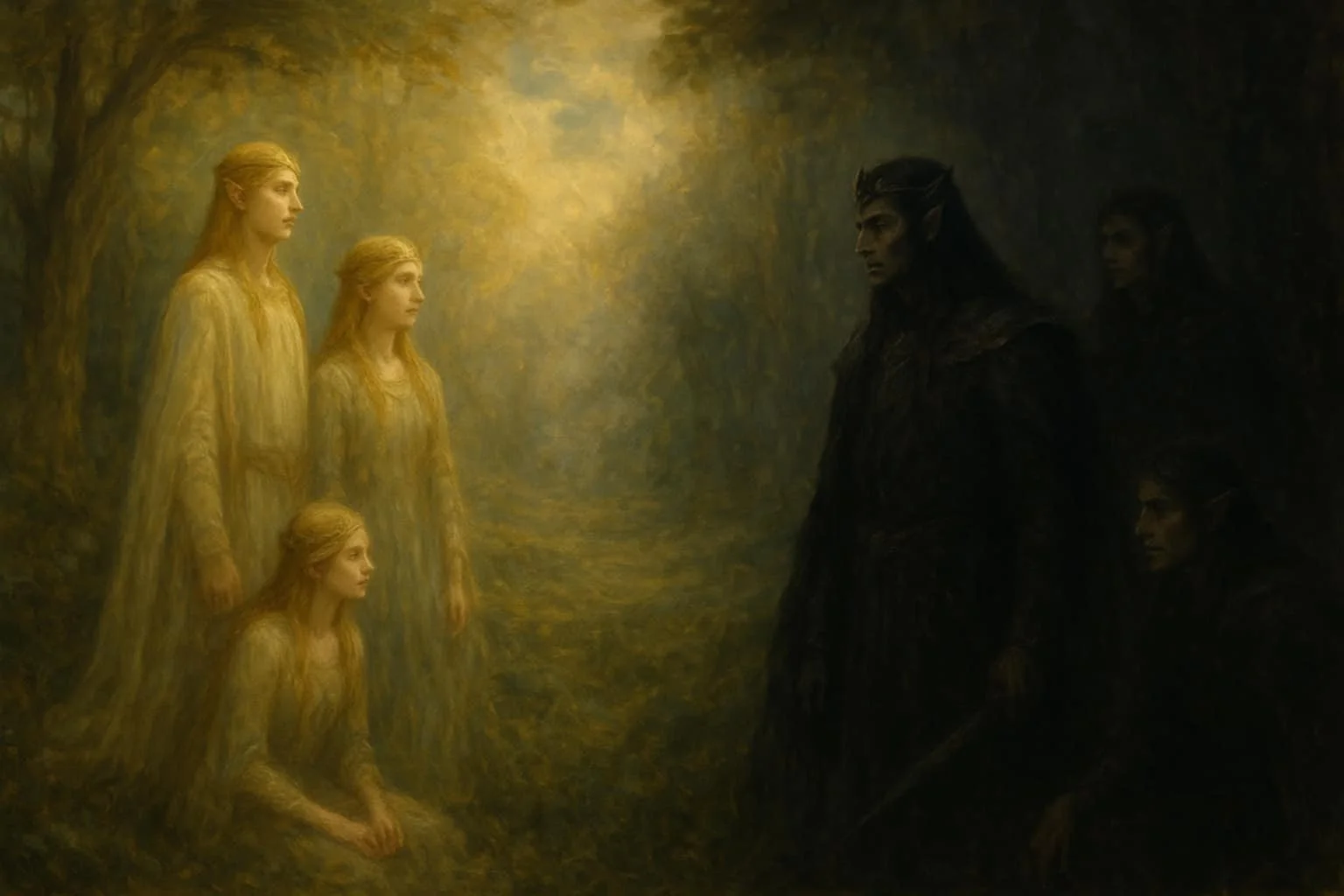
Alfheim, the radiant realm of the light elves in Norse mythology, is a place of beauty, harmony, and inspiration. Rarely described in detail in the surviving texts, Alfheim remains one of the most mysterious of the Nine Realms—home to luminous elves, linked to the fertility god Freyr, and balanced against the shadowy world of the dark elves. Discover the light, shadow, and lessons hidden in this enchanted realm of Norse cosmology.

Muspelheim: The Realm of Fire, Destruction, and Renewal
Muspelheim, the blazing realm of fire in Norse mythology, is more than a mythic world—it is the force of creation and destruction itself. From Surtr and his fiery host to the legendary “sons of Muspell,” this realm embodies both the birth of the cosmos and its destined end at Ragnarök. To the Vikings, Muspelheim wasn’t just a story; it was reflected in the volcanic eruptions, wildfires, and raw extremes of their world. Discover how this realm of flame symbolizes balance, transformation, and the eternal cycles of life, death, and renewal.

The Great Lacuna - The missing texts of the Poetic Edda
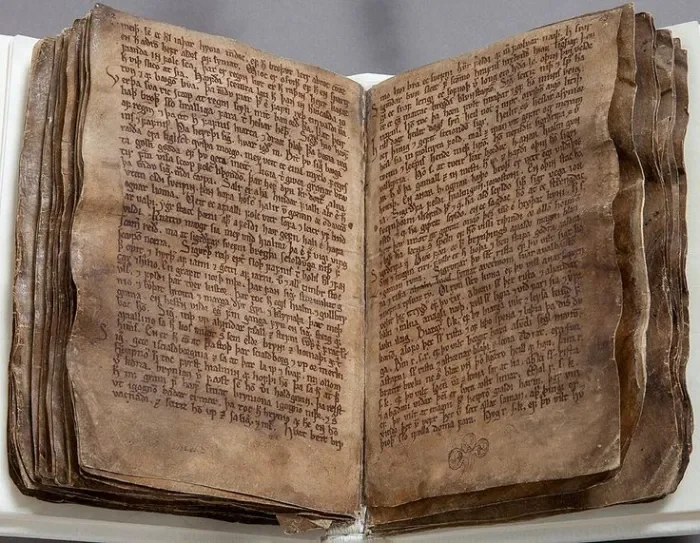
The Codex Regius is the single most important manuscript of Norse mythology—but it carries a haunting mystery at its core. Eight leaves are missing from its heroic section, a gap known as the Great Lacuna. This loss strikes at the very heart of the Sigurðr–Brynhildr tragedy, erasing the poetic account of love, betrayal, and death that once stood alongside the greatest epics of world literature. What remains are fragments and echoes: prose sagas, later German adaptations, and the faint outlines of poems now gone. This blog explores what was lost, what scholars believe the lacuna once contained, and why it matters so deeply for our understanding of the medieval Norse imagination.
The Codex Regius - Poetic Edda
The Codex Regius is more than a medieval manuscript—it is the beating heart of Norse mythology. Written in Iceland around 1270, this fragile book preserves the Poetic Edda, the only complete collection of ancient mythological and heroic poems that tell of Odin’s wisdom, Thor’s hammer, Sigurd the dragon-slayer, and the doom of Ragnarök. Lost for centuries and rediscovered in 1643, the Codex travelled to Denmark and was only returned to Iceland in 1971, where it is now celebrated as a national treasure. Without it, much of what we know about the Viking Age worldview and early Icelandic heritage would have vanished forever.

Jötunheim: Realm of the Giants in Norse Mythology
In the vast cosmology of Norse mythology, Jotunheimr stands as the untamed frontier—a realm of primal forces, jagged mountains, icy rivers, and endless forests shrouded in shadow. Unlike the ordered splendour of Asgard or the human realm of Midgard, Jotunheimr is wild and unpredictable, embodying the raw power of nature itself. Home to the mighty Jötnar, the giants who are both adversaries and kin to the gods, this land represents chaos in eternal tension with divine order.
Exploring Jotunheimr is to journey into the heart of Norse myth, where legendary tales unfold—from Thor’s battles with frost giants to Loki’s schemes and Freyr’s fateful love for the giantess Gerðr. The realm is not merely a backdrop to these stories, but a living symbol of wilderness, otherness, and the eternal balance between chaos and cosmos.

What is a Blót?: History, Rituals, and Modern Revival of Sacred Sacrifice
Blót, the ancient Norse rite of offering and sacrifice, stood at the very heart of pre-Christian spirituality in Scandinavia and the Germanic world. Far more than a ritual of giving, it was a sacred exchange—a binding contract of reciprocity between humans, gods, ancestors, and land-spirits. From grand temple feasts at Uppsala to quiet offerings at the family hearth, blóts unified communities, sanctified the seasons, and reaffirmed the cosmic order. Today, modern Heathens and Norse Pagans continue this tradition through symbolic offerings, shared meals, and seasonal rites, keeping alive the ancient rhythm of honour, gratitude, and connection.

Complete list of Norse Traditions and Holidays
The ritual year of the Norse and Germanic peoples was deeply tied to the land, the changing seasons, and the cycle of life and death. From the great winter feasts of Yule and Mothers’ Night to the more intimate rites of Álfablót and Haustblót, every festival marked a turning point in survival, prosperity, and spiritual renewal. These holy tides honoured gods, ancestors, and land-spirits alike, weaving together myth, community, and daily life. In this guide, we explore the complete list of Norse traditions and holidays—how they were celebrated in the past and how modern Heathens are reviving them today.

Hel – Queen of the Dead, Guardian of the Hidden Realm
Hel, daughter of Loki and Angrboða, rules over Helheim, the Norse realm of the dead. With her half-living, half-dead form, she embodies the boundary between life and death. Unlike Valhalla or Fólkvangr, her domain welcomed those who died of age, illness, or misfortune, offering a neutral afterlife rather than torment. Hel played a pivotal role in the death of Baldr and will rise again during Ragnarök, leading an army of the dead. As goddess of inevitability and transition, Hel reminds us that death is not the end but part of the eternal cycle of existence.

Freyja – Lady of Love, War, and Magic
Freyja, the radiant Lady of the Vanir, is one of the most powerful and captivating goddesses in Norse mythology. Known as the goddess of love, beauty, fertility, sorcery, war, and death, she embodies the full spectrum of human existence — sensual yet fierce, nurturing yet destructive. With her falcon-cloak, her cat-drawn chariot, and the fabled Brísingamen necklace, Freyja shaped the lives of gods and mortals alike. She chose half of the slain for her hall in Fólkvangr, taught Odin the mysteries of seiðr, and remains one of the most revered deities of the old ways.

Heimdall, the Watchman of the Gods
Heimdall, the shining guardian of Asgard, is one of the most fascinating figures in Norse mythology. Born of nine mothers at the edge of the world, he became the divine watchman, gifted with unmatched sight and hearing. From fathering the classes of humanity in Rígsþula to blowing the Gjallarhorn at Ragnarök, Heimdall stands as a symbol of vigilance, loyalty, and sacrifice. His final battle with Loki captures the eternal struggle between order and chaos, reminding us of the timeless need for guardians who keep the balance between light and shadow.


What is The Hávamál?
The Hávamál, “Sayings of the High One,” is one of the most remarkable works of Norse mythology. Preserved in the Poetic Edda, it is a collection of wisdom, myth, and magic attributed to Odin, the god of knowledge and poetry. At once a handbook of everyday conduct and a meditation on the pursuit of wisdom, the Hávamál bridges Viking Age society with the spiritual world of the North. Rooted in oral tradition and saved by the medieval Codex Regius manuscript, it remains a timeless voice of Norse belief.
Midgard: The Middle Realm of Norse Mythology
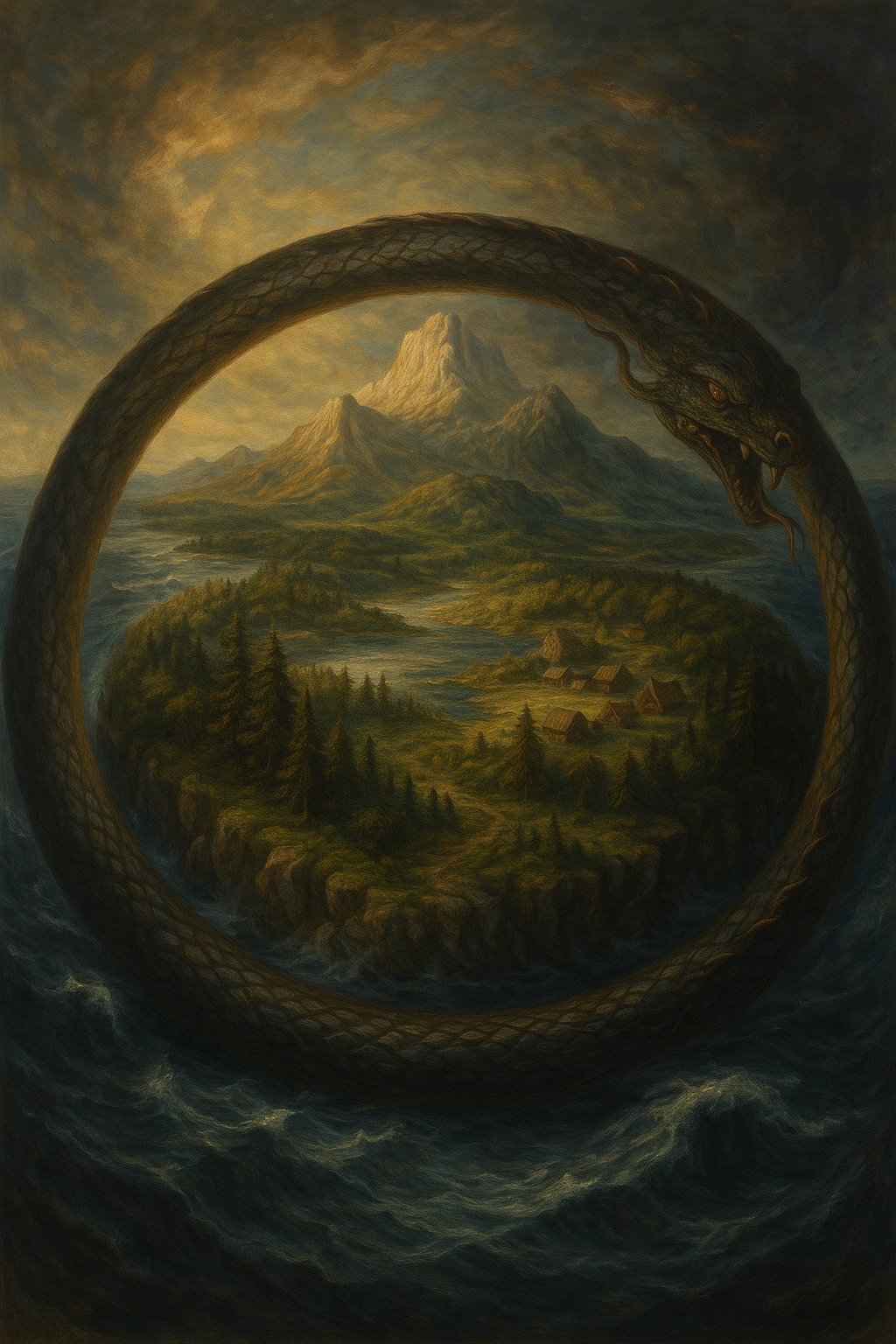
Midgard, the “middle realm” of Norse mythology, is the world of humankind — created from the body of the giant Ymir and encircled by the serpent Jormungandr. Positioned at the heart of Yggdrasil, the great World Tree, Midgard stands as both sanctuary and battlefield where gods, giants, and mortals meet. From the first humans, Ask and Embla, to Midgard’s fiery destruction at Ragnarok, its story reveals the Norse vision of life, death, and renewal.

The Sagas and Historical Texts of Norse Tradition
The sagas and historical texts of medieval Scandinavia preserve a vivid picture of Viking Age and medieval life. From family feuds in Iceland to the reigns of Norwegian kings, from saints’ lives to chronicles like Íslendingabók and Gesta Danorum, these works reveal how Norse people remembered their past. Blending history, legend, and literature, they stand as some of the most important sources for understanding the culture, values, and identity of medieval Iceland and beyond.

Sagas & Historical Texts
The sagas and historical texts of medieval Scandinavia preserve the world of kings, warriors, settlers, and saints. From the dramatic family feuds of Iceland’s settlers to the sweeping narratives of Norwegian rulers, these works capture the lives and values of the Viking Age. Alongside the sagas are chronicles such as Íslendingabók, Landnámabók, and Saxo’s Gesta Danorum, which blend memory, history, and legend into enduring records of the Norse past.


The Mythic Texts of Norse Tradition
Between the timeless myths of the Eddas and the grounded realism of the family sagas lies a body of literature steeped in legend. These mythic texts tell of dragon-slayers, cursed weapons, and heroic kings whose deeds straddle the line between the divine and the mortal. From the tragic fate of Sigurd in the Völsunga saga to the adventures of Hrólfr Kraki and Ragnar Lothbrok, they preserve the memory of an age when myth and history were inseparable.

Poetic Edda in order
The Poetic Edda is one of the most important sources for Norse mythology and heroic legend. Preserved mainly in the Codex Regius, this 13th-century manuscript contains a carefully ordered sequence of mythological and heroic poems. The mythological lays include Vǫluspá, Hávamál, and Þrymskviða, while the heroic lays tell the tragic stories of Helgi, Sigurd, Brynhildr, Guðrún, and Atli. Alongside these core texts, a small group of additional Eddic poems survive in other manuscripts, such as Baldrs draumar, Rígsþula, Hyndluljóð, and Svipdagsmál. Together, these poems preserve the voices of the Viking Age, offering insights into fate, wisdom, heroism, and the myths that shaped the Norse world.

The Additional Eddic Poems (NOT codex regius)
The Poetic Edda is usually associated with the Codex Regius, the 13th-century manuscript that preserves the core of Old Norse mythology. Yet a handful of other Eddic poems survive in different manuscripts, offering a broader view of Viking Age myth and legend. Known as the Additional Eddic Poems or the Eddic Appendix, they include Baldrs draumar, Rígsþula, Hyndluljóð, and Svipdagsmál. These haunting and powerful verses reveal Odin’s search for prophecy, Heimdall’s shaping of society, Freyja’s genealogical quests, and the magical trials of the hero Svipdagr. Together they enrich our understanding of the Norse imagination beyond the Codex.