

Wyrd & Flame Articles
The Wyrd & Flame blog gathers articles exploring Norse tradition, the Elder Futhark runic system, mythology, and the cultural world of the early Germanic peoples. These articles aim to provide clear and thoughtful exploration of northern traditions while maintaining awareness of the historical sources and cultural context behind them.
Across the blog you will find studies of the runes, discussions of Norse cosmology, mythological themes, folklore, and guides designed to help readers explore these subjects in greater depth.
Whether you are beginning your study of the runes or expanding your understanding of Norse tradition, the articles published here aim to provide structured knowledge that goes beyond surface explanations.
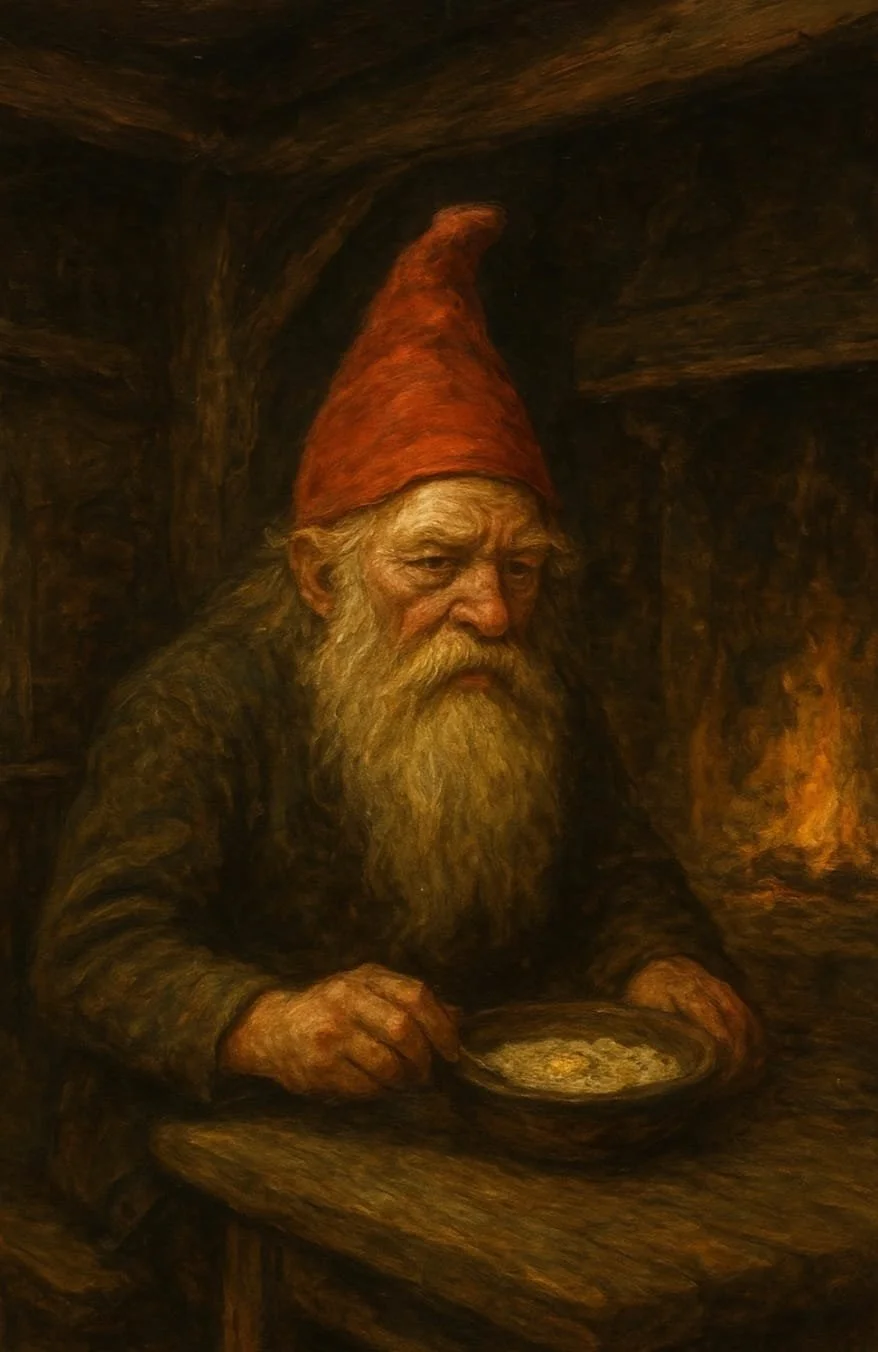
Nisse: The Guardian of Hearth, Hay, and Snow
The Nisse is one of Scandinavia’s most enduring spirits - a small, watchful guardian who oversees barn, hearth, and home. Neither god nor demon, he is the embodiment of responsibility, care, and consequence. Appearing in winter tales, farmstead lore, and the whispered songs of the North, the Nisse protects livestock, maintains order, and rewards those who honor him with diligence. But neglect or disrespect carries a price. From solstice porridge offerings to centuries of traveler’s tales, this blog explores the Nisse’s origins, rituals, mischief, moral lessons, and lasting presence in modern Scandinavian life.
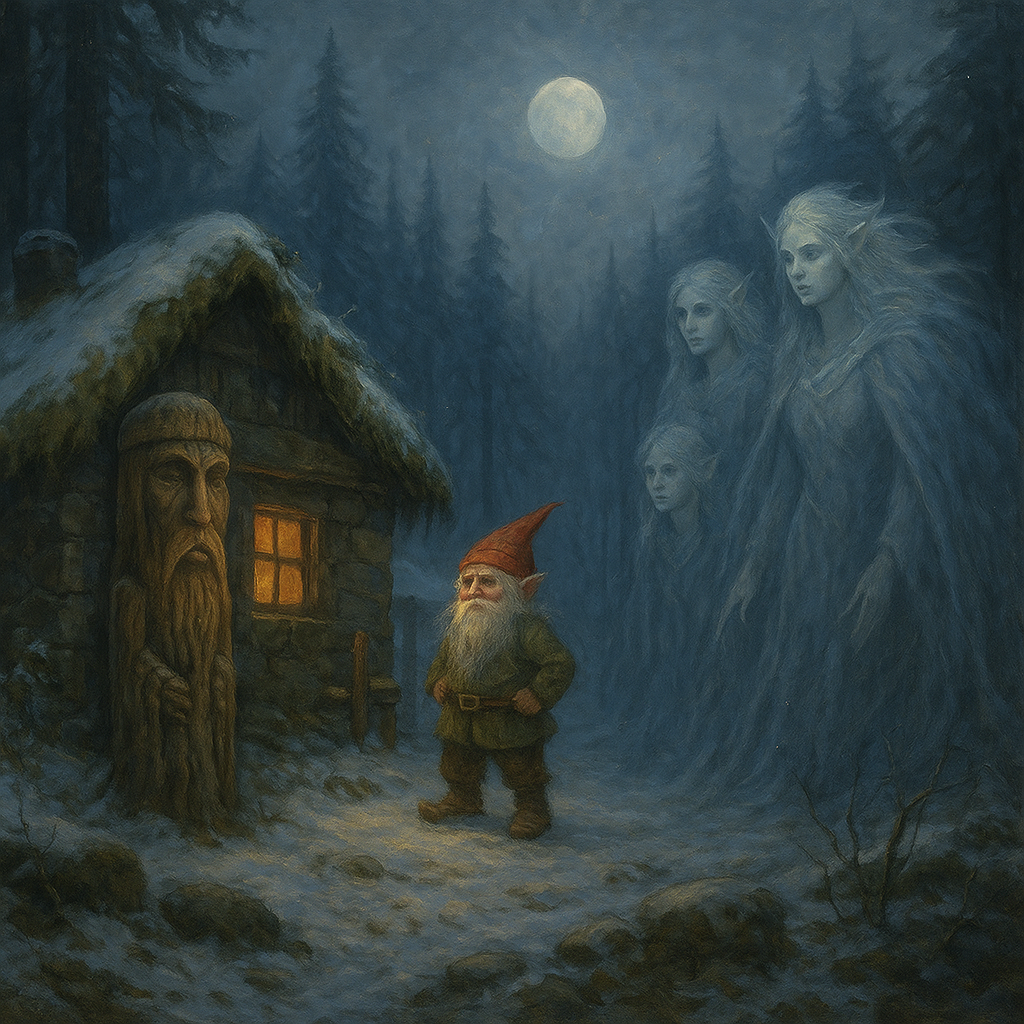
Norse Winter Spirits: Húsvættir, Draugr and more
Winter in the old Norse world was more than snow and silence - it was a season when the boundary between the living and the unseen thinned. Families honoured house spirits, elves wandered near the homestead, and the Wild Hunt roared across storm-heavy skies. This blog explores the húsvættir who guarded farmsteads, the álfar linked to land and ancestry, the restless winter dead, and the echoes of these beliefs in later Scandinavian folklore. Through sagas, folk customs and historical insight, we uncover how the North understood winter as a spirit-haunted time - and why those ideas still resonate today.
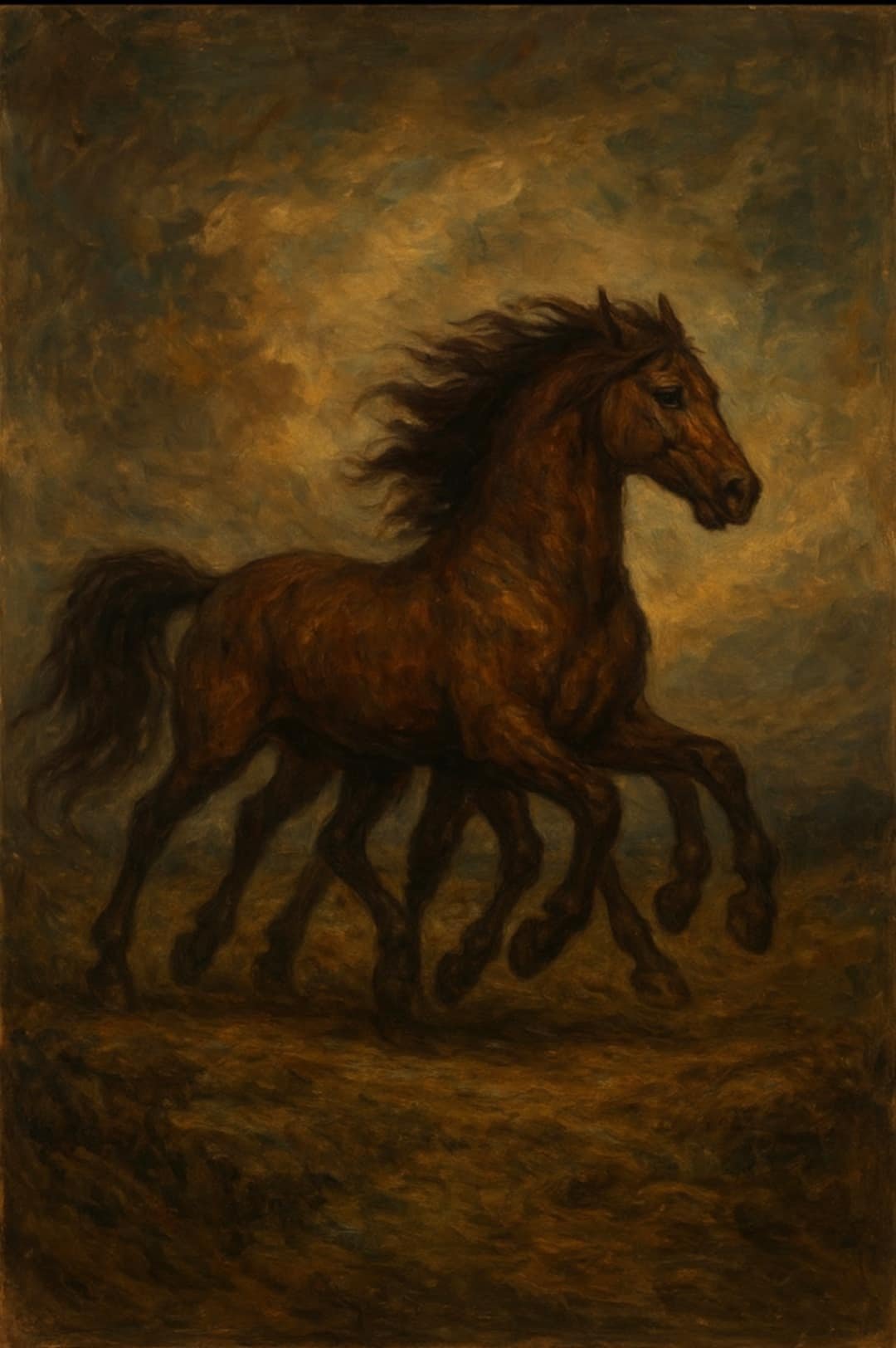
Sleipnir: The Steed Between Worlds
Before the walls of Asgard were raised, before men named their fears or prayed to the gods, the worlds whispered of a being who could cross what no other could. From dream, deception, and divine necessity emerged Sleipnir - Odin’s eight-legged steed, the fastest and most mysterious creature in the Norse cosmos. Born of Loki’s shapeshifting and the giant stallion Svaðilfari, Sleipnir became far more than a mount; he was the living road between realms, the embodiment of motion, trance, and the breath that carries the soul across worlds. This is the tale of the grey horse who bore gods to fate, rode through Hel, outran giants, and became the symbol of transcendence itself.

Fáfnir: The Hoard Beneath the Heart
Fafnir is one of the most iconic figures in Norse mythology - a dwarf prince transformed into a fearsome dragon by greed and the curse of a powerful treasure hoard. His story, preserved in the Völsunga Saga, follows his descent into monstrous form and his dramatic death at the hands of the hero Sigurd. Fafnir’s tale explores themes of greed, fate, and corruption, leaving a lasting influence on modern fantasy and mythic storytelling.

Huginn and Muninn: The ravens of the ninth sky
Every morning, two invisible messengers rise from the human mind, one chasing thought and the other carrying memory. These are the modern echoes of Huginn and Muninn, the twin ravens of Odin whose daily flights shape the god’s understanding of the world. They are not just mythic birds but ancient symbols of consciousness itself, the eternal movement between experience and reflection. In their wings we find the map of how we perceive, remember, and ultimately make sense of our own existence.

Hafgufa: The Ancient Norse Sea Giant of Silence & Depth
Beneath the still skin of the sea, deeper than sun or memory can reach, the Hafgufa waits. In Norse tradition, it is not merely a monster but the ocean’s dreaming heart - vast, wordless, and older than gods. Sailors whispered of islands that breathed, of calm waters that opened like jaws, and of nights when the sea itself seemed to listen. The Hafgufa does not thrash or roar; it consumes in silence, a hunger as old as the tide. To glimpse it is to understand how small the world above truly is, and how infinite the darkness below. This is not a creature of rage but law - the deep recalling what strays too close. In its myth, terror is reverence, and stillness is power. The sea does not forget. The sea remembers everything.

Draugr: The Dead Who Do Not Rest
In the cold soil of the North, death does not always sleep. The draugr (the restless dead of Norse legend) are not ghosts but corpses animated by will, vengeance, or greed. Swollen and blue-black with the rot of the grave, they rise from burial mounds to crush intruders, guard hoarded treasure, or torment the living. These revenants are more than monsters; they are symbols of what refuses to be released - the unburied will, the unresolved past, the shadow that clings beyond death. Through saga and story, the draugr teaches a grim truth: what we refuse to let die within us becomes the thing that haunts us. This is not simply a tale of horror, but a mirror—one that reflects the cost of clinging to what must be surrendered.

Dwarves of Svartálfheim: Shadow-Smiths of the Norse Cosmos
Beneath the mountains of Svartálfheim, the sound of hammers never ceases. The dwarves of Norse mythology — master smiths, hoarders, sages, and curse-bearers — forged the treasures that define the Nine Realms. From Thor’s hammer Mjölnir and Odin’s spear Gungnir to Andvari’s cursed hoard, their creations are both blessings and burdens. These shadow-workers embody transformation, wisdom hidden in darkness, and the peril of greed. To understand the heartbeat of Norse myth, we must step into their forges, where sparks leap like stars and fate is beaten on the anvil.

Fenrir: The Wolf Who Shakes the Nine Worlds
Fenrir, the monstrous wolf of Norse mythology, is one of the most feared beings of the Nine Worlds. Born of Loki and the giantess Angrboda, he grew so vast and powerful that the gods themselves could not control him. Twice they tried to bind him with chains, and twice he broke free. Only with the dwarves’ magical ribbon Gleipnir and the sacrifice of the god Týr’s hand did they finally imprison him. Yet prophecy foretells that Fenrir will break loose at Ragnarök, devour Odin, and bring about the end of the world. His story embodies fate, fear, and the unstoppable power of nature, making him one of the most compelling figures in Norse legend.

Níðhöggr: The Devourer Beneath the Roots
Níðhöggr – The Malice-Striker Beneath the Roots
Gnawing in the shadows beneath Yggdrasil, Níðhöggr is no mere monster he is the devourer of rot, the executioner of divine consequence. Feared and misunderstood, he consumes oath breakers, murderers, and the morally corrupt in the depths of Náströnd, and bites at the roots of the World Tree itself.
Yet his hunger is not evil.. it is necessary. In him lies the truth that all corruption must end, all cycles must turn, and that even the gods are not beyond consequence.
To face Níðhöggr is to face the parts of yourself that must be surrendered to the dark before light can return.