

Wyrd & Flame Articles
The Wyrd & Flame blog gathers articles exploring Norse tradition, the Elder Futhark runic system, mythology, and the cultural world of the early Germanic peoples. These articles aim to provide clear and thoughtful exploration of northern traditions while maintaining awareness of the historical sources and cultural context behind them.
Across the blog you will find studies of the runes, discussions of Norse cosmology, mythological themes, folklore, and guides designed to help readers explore these subjects in greater depth.
Whether you are beginning your study of the runes or expanding your understanding of Norse tradition, the articles published here aim to provide structured knowledge that goes beyond surface explanations.
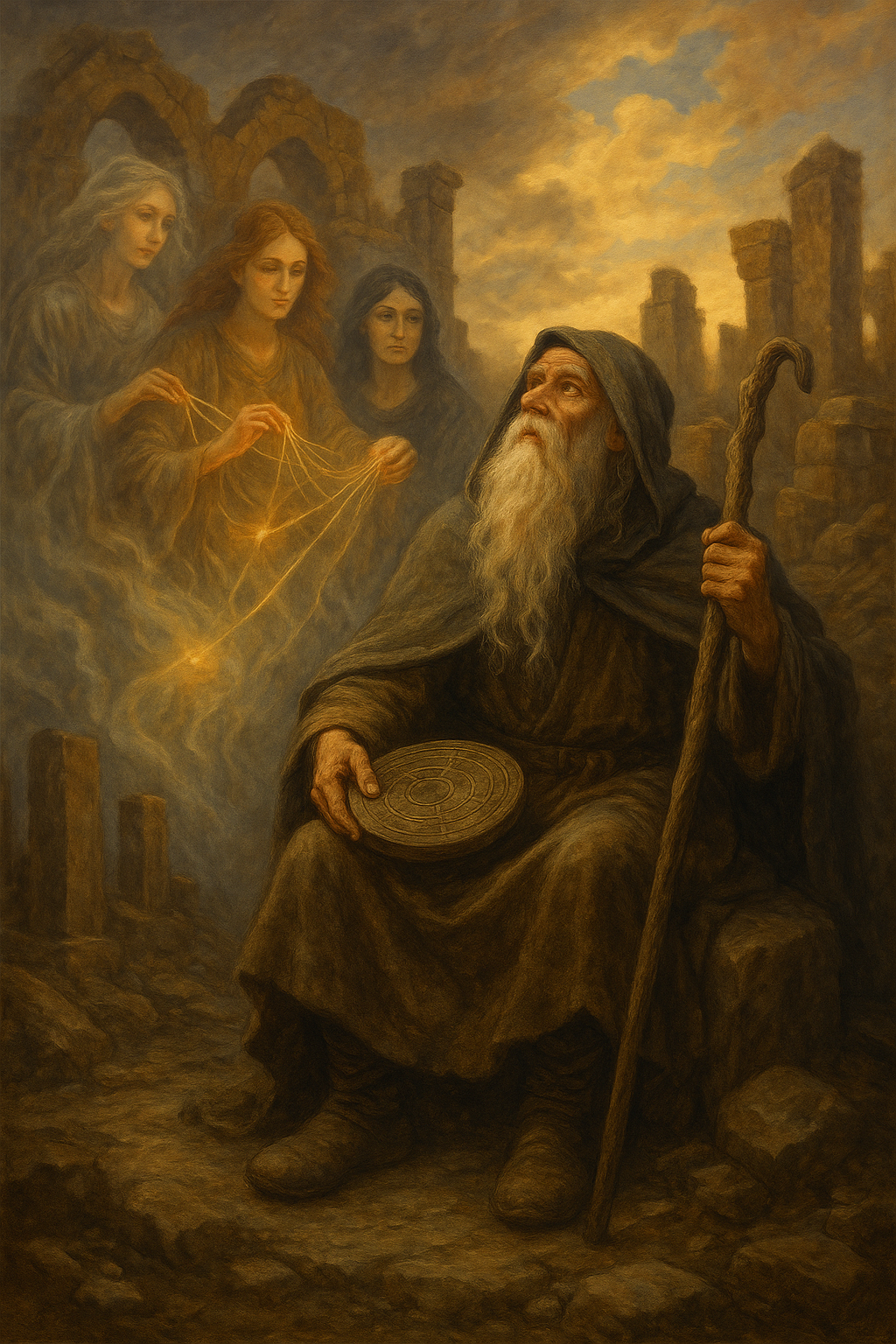
How Fate and Free Will Worked Together in Norse Belief
The Norse did not see fate and free will as enemies. They lived in a world where destiny set the shape of a life, but personal choice coloured every step within it. Through orlog, ancestral luck, the weaving of wyrd and the work of the Norns, the old North created a worldview where inevitability and agency moved together like partners in a dance. This blog explores how the Norse understood the forces that shaped human life - how signs, dreams and deeds influenced one’s path, how Christianity reshaped older beliefs, and why this ancient way of thinking still resonates today.

How to Cultivate Luck : Hamingja and Orlog
In the old Norse and Germanic world, luck and fate were not blind forces - they were living powers shaped by human action. The ancients believed that every deed, every promise, and every act of courage strengthened your hamingja (personal luck) and wove your örlög (fate). This article explores how to build good fortune and a worthy reputation through honour, courage, and integrity - following the wisdom of the sagas and the laws of the Norns. Learn how to shape your own fate through your choices, and leave behind a name worth remembering.

What Is Hamingja? The Spirit of Luck, Honour, and Ancestral Power
In the old Norse and Germanic world, luck was not seen as random. It was a living force called Hamingja — the spirit of luck, honour, and ancestral power. Hamingja flowed through the bloodlines of families, carried by the deeds of the living and the blessings of the dead.
Those who lived with courage, truth, and generosity strengthened their Hamingja, weaving fortune into their lives and the lives of their kin. Those who acted without honour weakened it, breaking the flow of luck and harmony.
To understand Hamingja is to see that luck and fate are not gifts or punishments — they are the reflection of one’s spirit. Through honour, courage, and right action, you do not escape your destiny — you shape it.