

Wyrd & Flame Articles
The Wyrd & Flame blog gathers articles exploring Norse tradition, the Elder Futhark runic system, mythology, and the cultural world of the early Germanic peoples. These articles aim to provide clear and thoughtful exploration of northern traditions while maintaining awareness of the historical sources and cultural context behind them.
Across the blog you will find studies of the runes, discussions of Norse cosmology, mythological themes, folklore, and guides designed to help readers explore these subjects in greater depth.
Whether you are beginning your study of the runes or expanding your understanding of Norse tradition, the articles published here aim to provide structured knowledge that goes beyond surface explanations.

Seiðr craft - Chapter 2: Virðing - Respect
Seiðr Craft – Chapter 2: Virðing (Respect) explores the heart of Norse magic through the ancient principle of virðing — the deep respect that binds all things in the web of being. Before the chants, before the visions, comes honour: to gods, to land, to ancestors, and to oneself.
Through stories from the sagas, lessons of reverence, and modern practices, this chapter reveals how seiðr is more than ritual — it is relationship. It teaches that power without respect becomes chaos, and that every act of magic begins with humility. When we honour what sustains us, our craft grows clear, steady, and alive.
This is a guide to walking the path of the völva with integrity, rooted in frith, woven into wyrd.

The Lay of Hyndla (In Story Form)
In the cold stillness of night, beneath a sky alive with stars, the goddess Freyja rides her golden-bristled boar, Hildisvíni, to the mountain cave of Hyndla, an ancient giantess who guards the secrets of blood and fate.
Freyja’s mortal follower, Óttar the Young, has staked his honour and inheritance on his forgotten lineage. To help him, Freyja seeks Hyndla’s wisdom — but the old seeress demands truth for truth and speaks the names of gods, kings, and heroes with a voice that shakes the stones.
As the cave fills with the echoes of ancient bloodlines — from Sigurðr the Dragon-Slayer to Haraldr Battle-Tooth — the goddess reveals that memory itself is magic, and that to know one’s ancestors is to awaken their power.
A story of ancestry, divine guidance, and the sacred weight of remembrance, The Lay of Hyndla bridges the mortal and the mythic — where every name spoken is a spark of the old world reborn.

Vetrnætr (Winter Nights): Origins, Meaning & How to Observe It Today
Vetrnætr — literally “winter nights” in Old Norse — was a key seasonal festival among medieval Scandinavian peoples, marking the shift into winter. It included feasts, ritual offerings to gods and land-spirits, and honouring ancestors. Some of the surviving saga accounts are strongly shaped by Christian-influenced authorship, so modern practitioners adapt what feels authentic. This blog explains Vetrnætr’s seasonal meaning, its mythic and ritual roots, and suggests respectful, meaningful ways to observe it today.
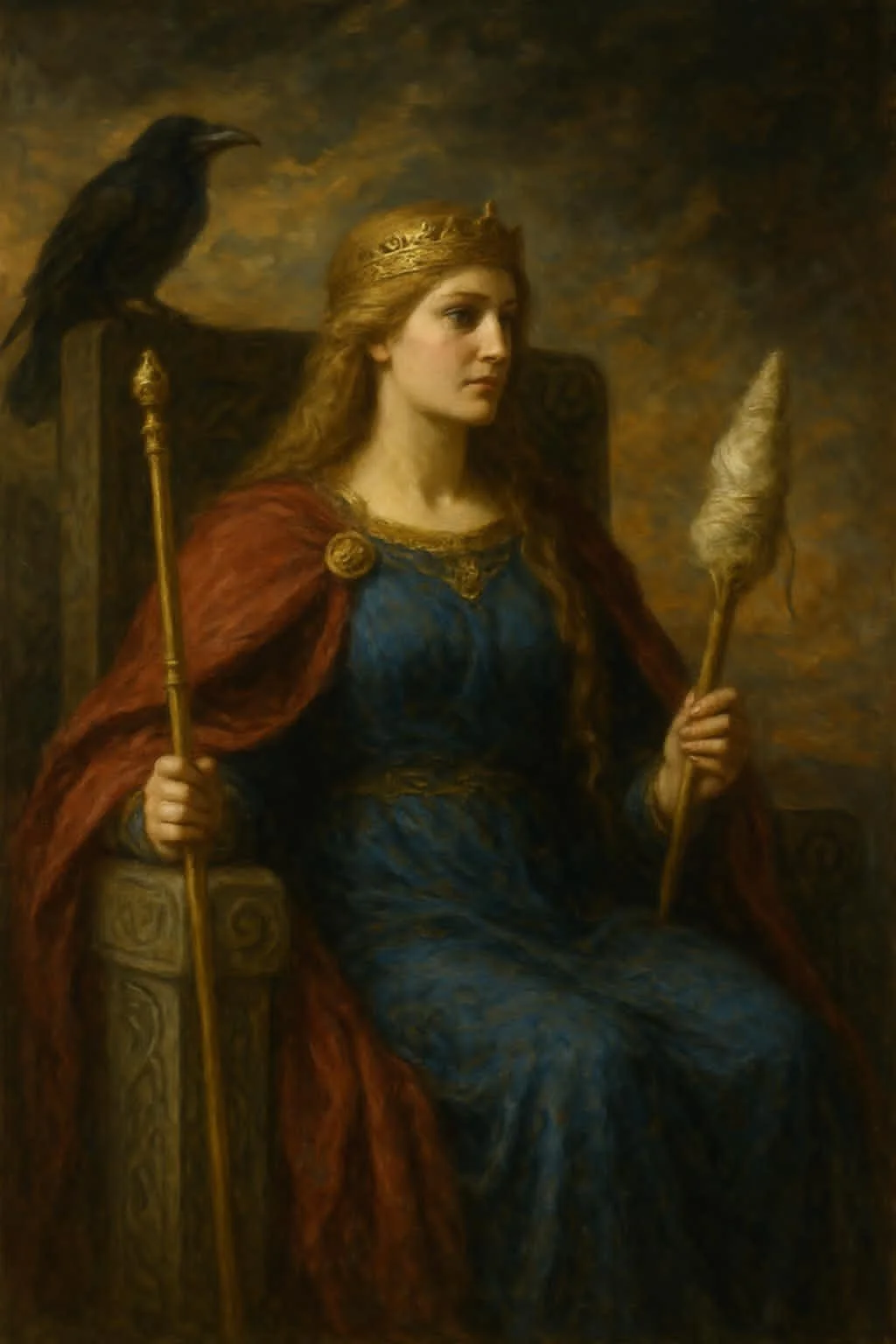
Frigg: The All-Mother, Weaver of Fates
Frigg is the unseen strength of the Norse cosmos — queen, mother, and silent knower of all fates. She weaves the threads that bind gods and mortals, shaping the world through patience, love, and foresight. From her hall of Fensalir, she watches destiny unfold, her silence as powerful as Odin’s wisdom or Thor’s hammer. In her story, we find the truth that endurance is its own kind of power — that to hold the world together, one need not roar, but weave.

Hyndluljóð - The Lay of Hyndla
Hidden among the verses of the Poetic Edda lies one of Norse mythology’s quietest treasures — Hyndluljóð, The Lay of Hyndla. It is not a tale of war or prophecy, but of memory, ancestry, and divine revelation. Here, the goddess Freyja rides beneath the northern stars with her mortal companion Óttar, seeking the wisdom of the giantess Hyndla, keeper of forgotten bloodlines and sacred truths.
Through their dialogue, we glimpse a world where to name one’s ancestors was to awaken their power, where genealogy was magic, and remembrance a sacred act. Hyndluljóð bridges gods and mortals, history and myth, teaching that the past is never gone — only waiting to be spoken back into life.
Forgotten by many, this poem remains one of the Edda’s most profound meditations on identity, belonging, and the divine roots of memory.
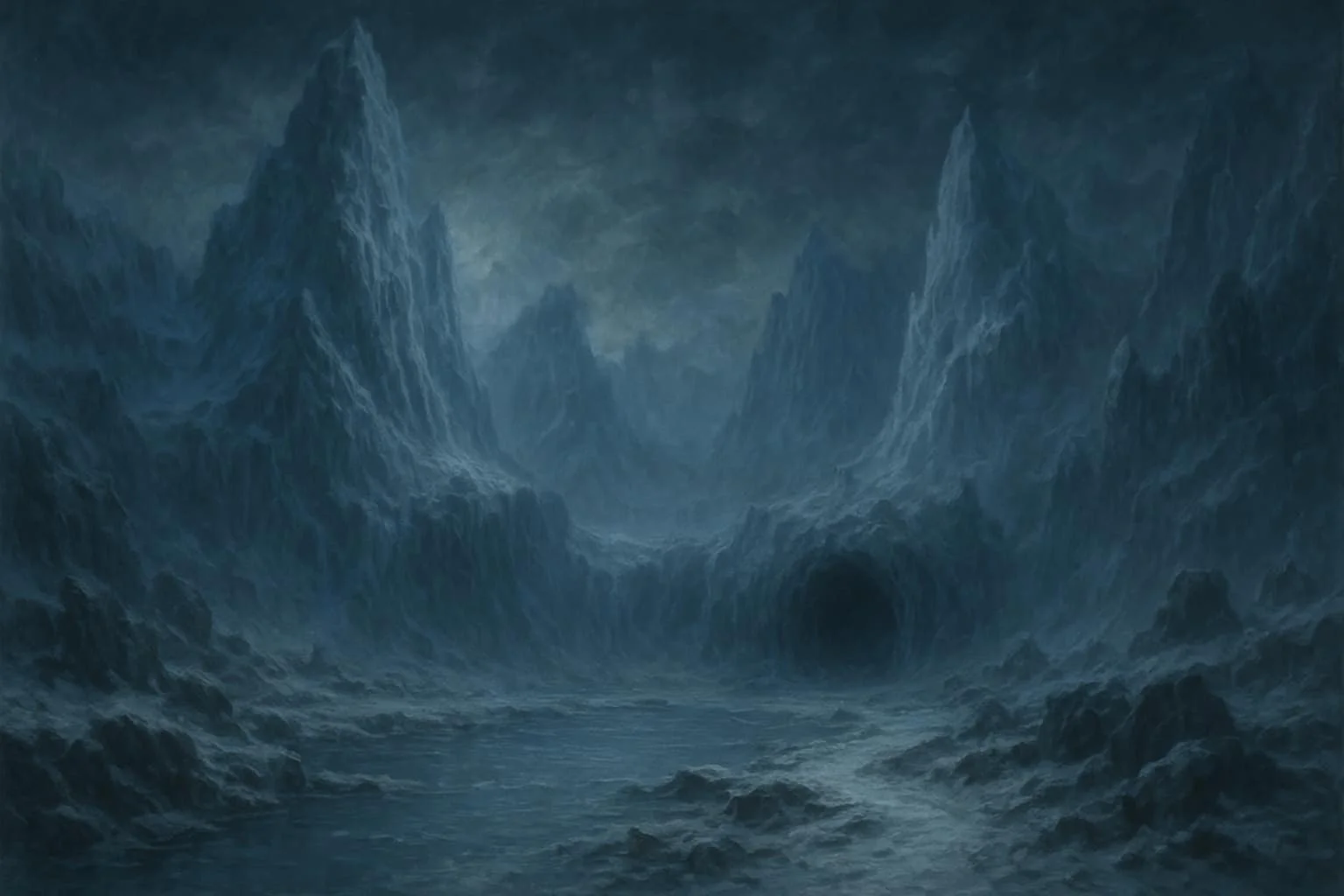
Niflheim: Realm of Mist and Ice
Before there was fire, there was mist. Niflheim, the frozen world of Norse myth, lies at the edge of creation — a realm of silence, frost, and shadow where death and life intertwine. From its rivers came the first giants; beneath its mists dwell the forgotten dead. More than a land of endings, Niflheim is the cold patience that balances fire, the quiet breath between creation and destruction. To understand it is to understand the stillness that holds the cosmos together.

What is Seiðr?
Among the many mysteries of the Norse world, none burns more brightly — or more enigmatically — than seiðr. Ancient, fluid, and powerful, seiðr was the magic of the gods and the wise — a sacred art of weaving fate, calling spirits, and walking between worlds. Practised by goddesses like Freyja and Frigg, and mastered by Óðinn himself, seiðr was both honoured and feared - a craft that crossed the lines between gender, power, and the visible world.
To understand seiðr is to glimpse the spiritual heart of Norse belief: a world alive with spirits, woven with destiny, and bound by respect. It is not a lost art, but a living conversation — between will and wyrd, reverence and power, the seen and the unseen.
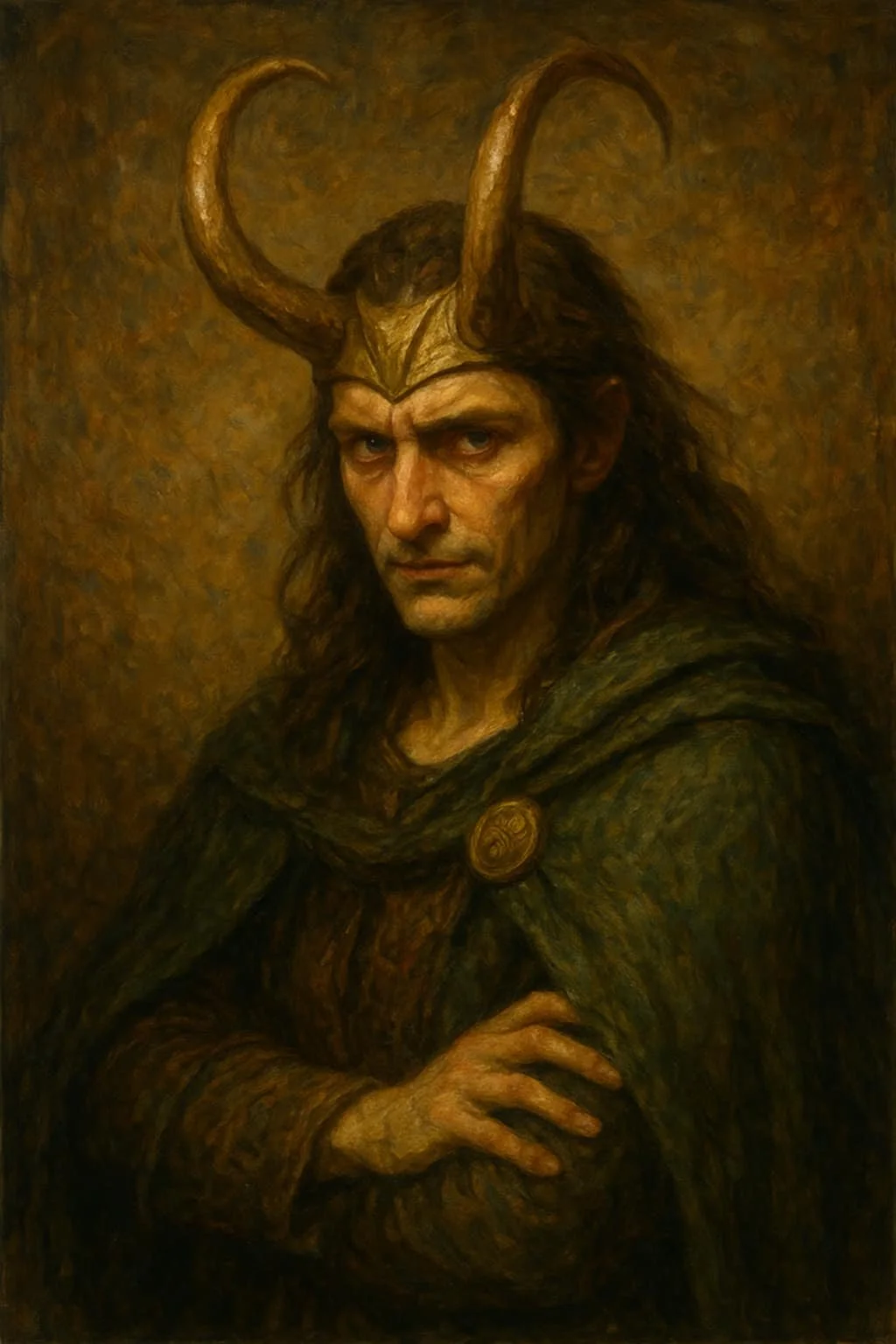
Loki: The Flame Between Worlds
Loki: the flame in the dark, the spark of change, the whisper that shatters silence. Neither good nor evil, this restless god moves between worlds — shapeshifter, trickster, and bringer of both ruin and renewal.
In this in-depth exploration of Norse mythology, we trace Loki from the ancient Eddas to the fires of Ragnarök and beyond. You’ll meet the sly companion of Odin, the maker of miracles and monsters, the bound god beneath the earth, and the unbound flame who brings about the world’s end — and its rebirth.
Through myth, symbolism, and modern reflection, Loki: The Flame Between Worlds explores what the trickster teaches us today: that chaos is not the enemy of order, but its necessary partner.
Fire burns, but it also gives light. Loki reminds us that every ending is a beginning — and that the spark of change lives in all of us.

How to: Sumbel (Ritual Toasting and Oathing)
Sumbel, or sumbl in Old Norse, is one of the most powerful rituals of pre-Christian Scandinavia. More than a drinking feast, it was a sacred act where words carried weight, oaths were sworn, and the bonds of kinship and honour were strengthened before gods and ancestors. From the halls of Icelandic sagas to modern heathen gatherings, sumbel has endured as a living tradition. In this guide, we explore its history, sources, and meaning — and show you how to practise it today with respect and sincerity.

About: Oaths and Oathing in Norse Tradition
In the world of the Norse, words held power — none more so than the oath. Sworn before gods, ancestors, and community, an oath bound a person’s honour to fate itself. To keep one strengthened reputation and divine favour; to break one invited ruin, shame, and the wrath of the gods. This in-depth guide explores the history of Norse oathing, from temple rings and sumbel feasts to the laws of the thing and the lessons preserved in the sagas. Discover how sacred speech once shaped lives — and why it still matters for modern heathens today.

Seiðr craft - chapter 1: Introduction
Seiðr-craft is not a pastime or performance. It is an ancient Northern art that bends the will, pierces the veil, and weaves into wyrd itself. Before trance, vision, or rune-song comes something quieter but far more essential: learning how to stand — to ground, to centre, to take your place within the web of fate.
In this opening chapter, I share the foundations of the craft of seiðr. We look at spiritual gifts and growth paths, the chaos cycles that repeat until their lessons are learned, and the importance of aligning your hugr (spirit-mind) and hamingja (fortune, spiritual strength) before you attempt deeper work.
Most importantly, I introduce the Five Laws of Seiðr: Virðing (Respect), Þolinmæði (Patience), Mörk (Boundaries), Sannindi (Truth), and Ábyrgð (Responsibility). These are not restrictions, but alignments. They are the frame of the high-seat and the grain of the staff — the laws that hold your practice steady and safe.
This is the beginning of the staff-road. Without these roots, no branch can hold.

Types of Spiritual Gifts - A Complete Guide
Not all spiritual gifts arrive in the same form. Some burn quietly like embers, while others strike like storms. In Norse tradition, such gifts were never casual talents—they were rare burdens woven into wyrd itself, sacred responsibilities that shaped a life and demanded respect. This guide explores modern spiritual gifts—energy work, empathy, vision, song—and their echoes in ancient Northern practice, revealing how each must be carried with honour, patience, and discipline.

How to: Selecting a Deity to Honour in Blót
In Norse paganism, the blót is more than just an offering — it’s an exchange of gifts between humans and the divine. One of the most important choices when preparing a blót is deciding which deity to honor. Each god and goddess embodies different powers: Odin brings wisdom, Thor offers protection, Freyja blesses love and magic, Freyr ensures fertility and prosperity, and many others guard the cycles of life. By reflecting on your needs, your life’s circumstances, and the turning of the seasons, you align your ritual with both tradition and personal meaning. A well-chosen blót creates a powerful bond, weaving your intent into the web of wyrd.

The Lay of Svipdag (In story form)
The tale of Svipdag is one of the hidden gems of Norse mythology — a story not of gods at war, but of fate, love, and the enduring bond between mother and son. Sent on an impossible quest by his cruel stepmother, Svipdag calls upon the spirit of his dead mother, Gróa, who rises from her grave to arm him with protective spells. Guided by her magic, he journeys through perils until at last he reaches the blazing fortress of Menglöð, the maiden destined to be his bride. There, through riddles and trials, his fate is revealed, and the long-awaited union of two lovers is fulfilled.

Dwarves of Svartálfheim: Shadow-Smiths of the Norse Cosmos
Beneath the mountains of Svartálfheim, the sound of hammers never ceases. The dwarves of Norse mythology — master smiths, hoarders, sages, and curse-bearers — forged the treasures that define the Nine Realms. From Thor’s hammer Mjölnir and Odin’s spear Gungnir to Andvari’s cursed hoard, their creations are both blessings and burdens. These shadow-workers embody transformation, wisdom hidden in darkness, and the peril of greed. To understand the heartbeat of Norse myth, we must step into their forges, where sparks leap like stars and fate is beaten on the anvil.

Fjölsvinnsmál
Fjölsvinnsmál is the second half of the story of Svipdag and Menglöð, a hidden gem of Norse mythology. After receiving his mother’s protective spells in Grógaldr, Svipdag finally reaches the blazing fortress where Menglöð dwells. At its gates he meets Fjölsviðr, a watchman of immense wisdom, and the two engage in a riddle-contest about the walls, hounds, magical weapons, and sacred tree that guard the hall. In the end, Svipdag’s true identity is revealed, and he is welcomed by Menglöð as her fated bridegroom. More than a tale of riddles, Fjölsvinnsmál is a myth of destiny, love, and the trials one must endure to claim it.

How to: Blot
Blót is one of the most important rituals in Norse and Germanic paganism, a sacred exchange between humans and the divine powers. In ancient times, it involved sacrifices of animals, food, and drink to honour gods, ancestors, and land-spirits. Today, modern Heathens have adapted the practice into a meaningful ritual of offerings, feasting, and toasts that can be done in homes, groves, or at communal gatherings. This guide walks you step by step through preparing your space, making offerings, and closing the ritual, so you can perform a blót with sincerity and confidence in the modern world.
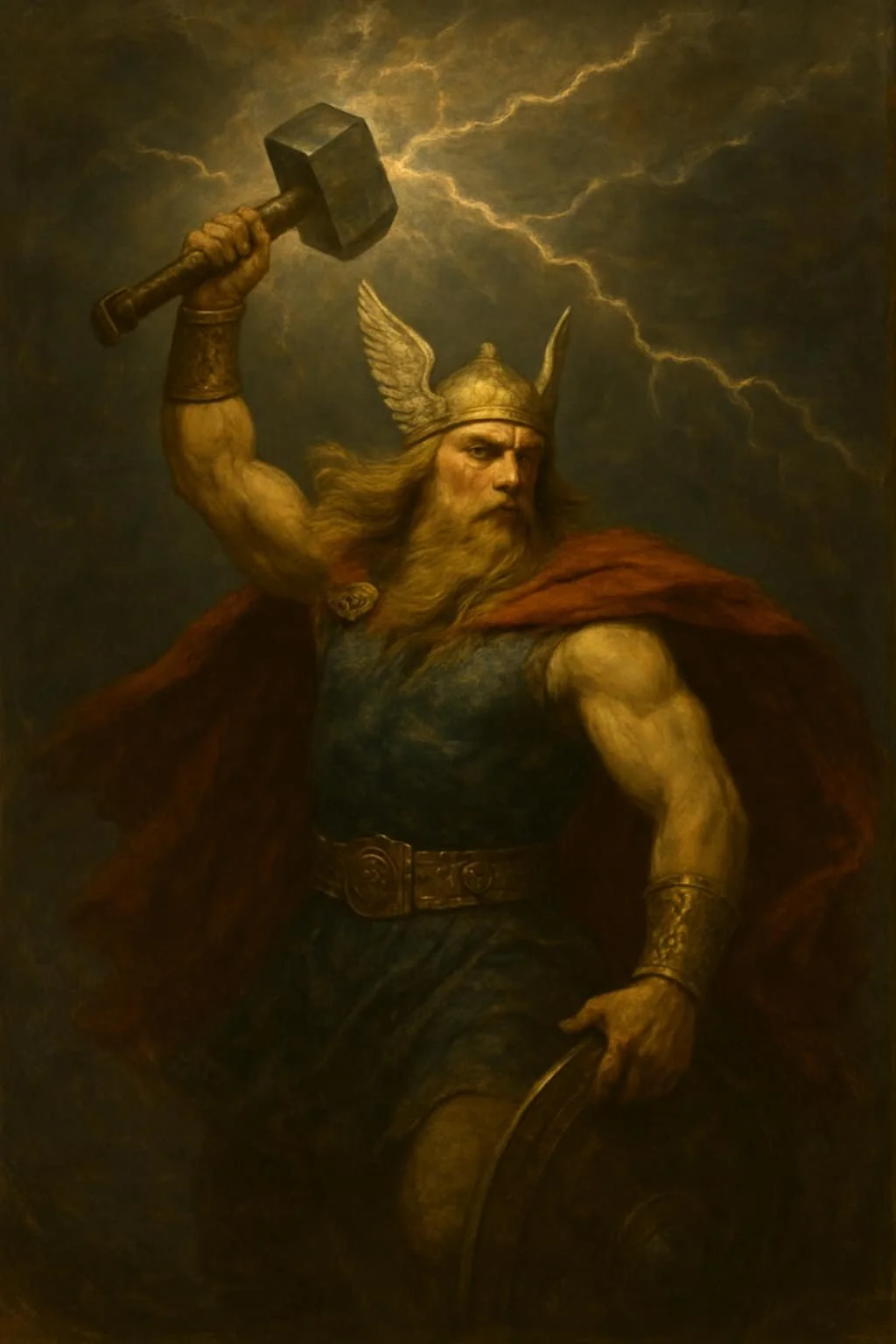
Thor: The Thunderer, Defender of Worlds
Thor, the mighty thunderer, is one of the most iconic gods in Norse mythology. Wielding his hammer Mjölnir and riding across the storm-tossed sky in a chariot drawn by goats, Thor embodies raw strength, protection, and defiance in the face of chaos. Beloved by farmers and feared by giants, he is the defender of both gods and humans, a force of thunder who blesses, hallows, and protects. This post explores Thor’s role as warrior, hall-companion, giant-slayer, and doomed hero, whose story still thunders across time.
Svartálfheim: Realm of Shadow and Craft
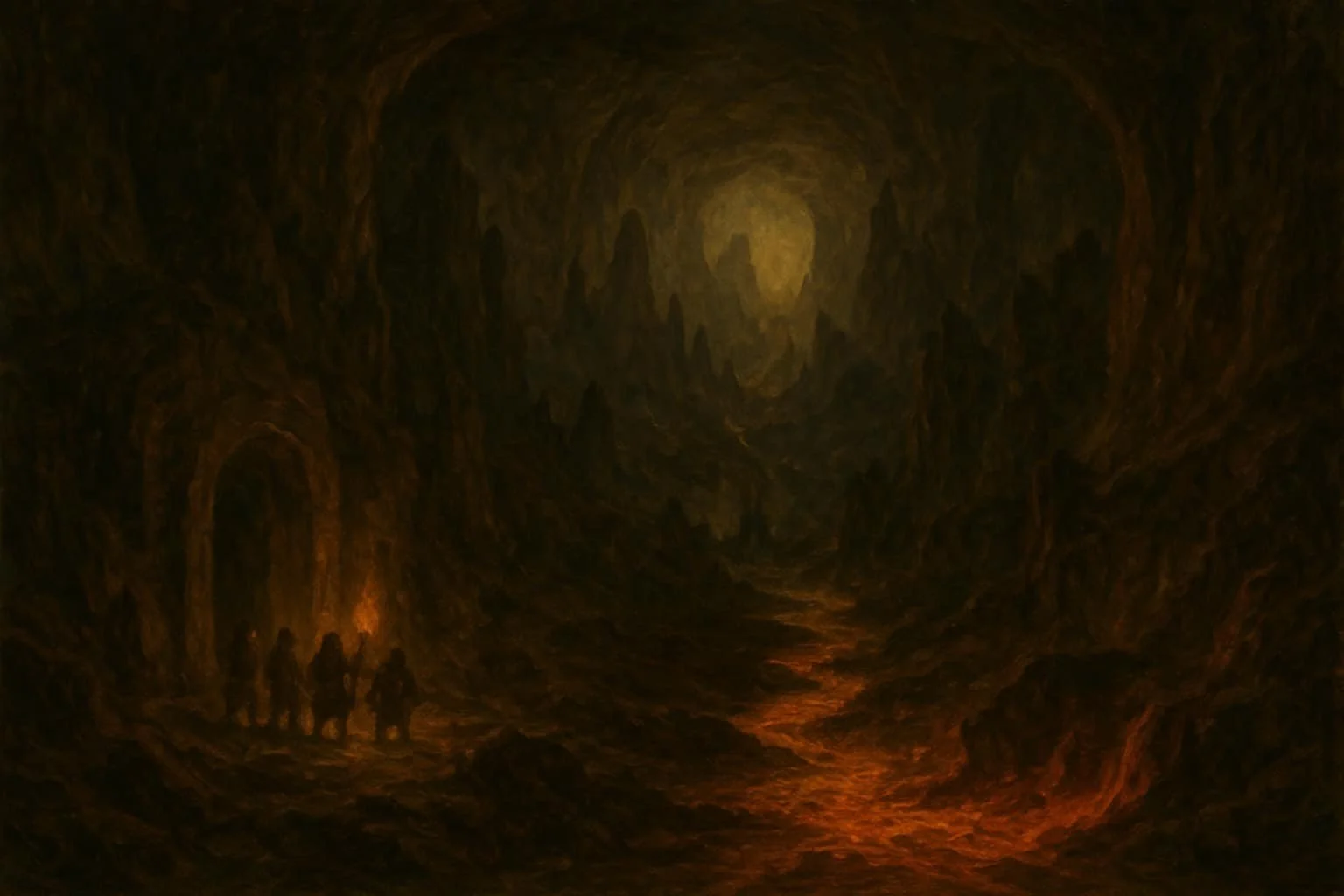
Deep beneath the roots of Yggdrasil lies Svartálfheim — the shadowed realm of the dwarves, the black elves of Norse mythology. It is a place of fire and stone, where hammers strike, forges roar, and treasures of fate are born. From Thor’s mighty hammer Mjölnir to Odin’s spear Gungnir and Freyr’s ship Skíðblaðnir, the greatest gifts of the gods were crafted in these hidden halls. But Svartálfheim is more than a mythic workshop — it is a realm of paradox, where wisdom and greed, blessings and curses, creation and doom are forever entwined. This guide explores the lore, geography, myths, and archetypes of Svartálfheim, revealing the hidden fire that shaped gods and mortals alike.

How to: Build Your Own Altar
Building a Norse altar is not about wealth or decoration — it’s about meaning, respect, and connection. In the old days, an altar could be as simple as a stone in a grove, a hearth fire, or a wooden post carved in honor of the gods. Today, you can create your own sacred stead using what you already have: a table, a candle, a drinking horn, or symbols of the gods, ancestors, and land-spirits. This guide will walk you step by step through the process of choosing a place, gathering materials, consecrating the space, and keeping it alive with offerings and care. Your altar becomes the living heart of your practice — a bridge between worlds where gifts and blessings are exchanged.