

Wyrd & Flame Articles
The Wyrd & Flame blog gathers articles exploring Norse tradition, the Elder Futhark runic system, mythology, and the cultural world of the early Germanic peoples. These articles aim to provide clear and thoughtful exploration of northern traditions while maintaining awareness of the historical sources and cultural context behind them.
Across the blog you will find studies of the runes, discussions of Norse cosmology, mythological themes, folklore, and guides designed to help readers explore these subjects in greater depth.
Whether you are beginning your study of the runes or expanding your understanding of Norse tradition, the articles published here aim to provide structured knowledge that goes beyond surface explanations.
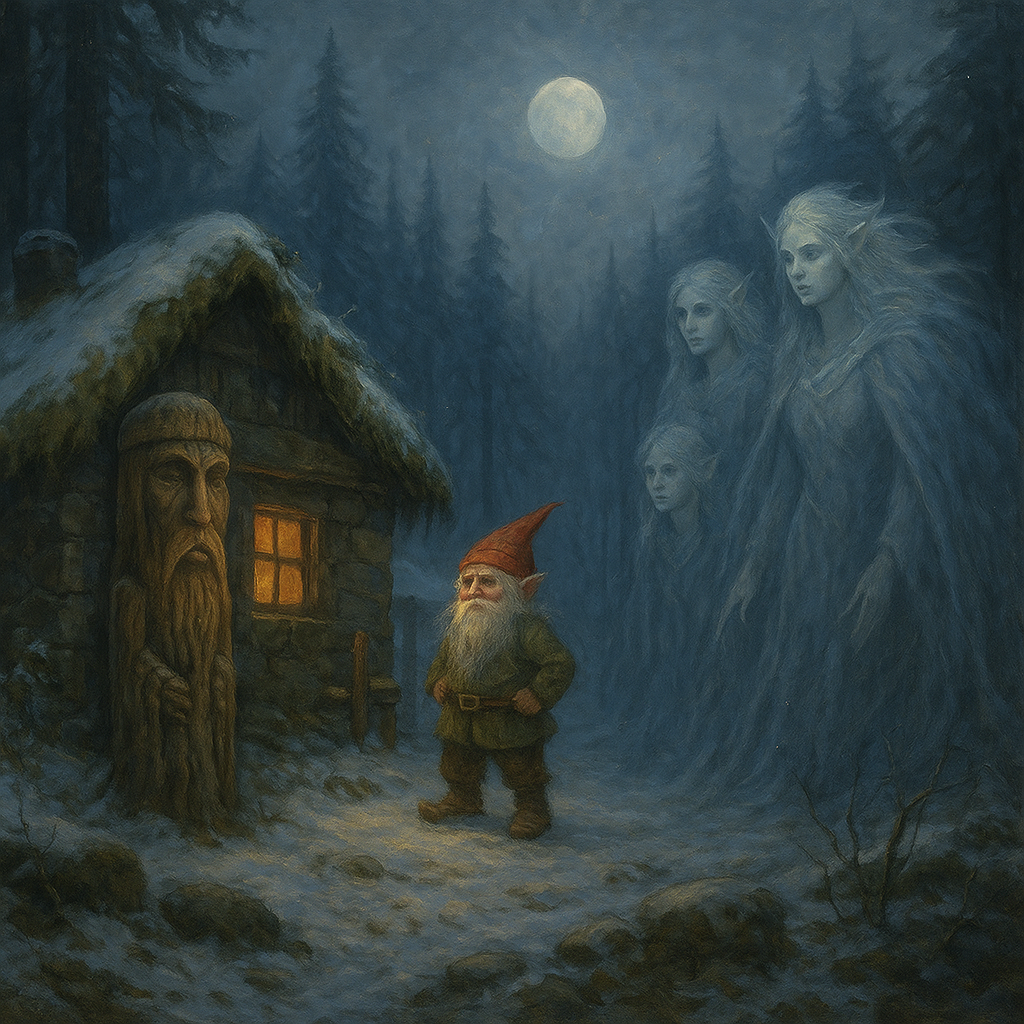
Norse Winter Spirits: Húsvættir, Draugr and more
Winter in the old Norse world was more than snow and silence - it was a season when the boundary between the living and the unseen thinned. Families honoured house spirits, elves wandered near the homestead, and the Wild Hunt roared across storm-heavy skies. This blog explores the húsvættir who guarded farmsteads, the álfar linked to land and ancestry, the restless winter dead, and the echoes of these beliefs in later Scandinavian folklore. Through sagas, folk customs and historical insight, we uncover how the North understood winter as a spirit-haunted time - and why those ideas still resonate today.

Yule - The Norse Midwinter Festival of Fire and Renewal
Yule, the great midwinter festival of the Norse and Germanic peoples, is far more than a holiday of feasting and fire. Rooted in ancient traditions, it marked the rebirth of the sun and the turning of the year, when darkness began to give way to light. Celebrated with sacrifice, merriment, and sacred rituals, Yule honored the gods, ancestors, and the vital cycle of death and renewal. From the burning of the Yule log to the honoring of Odin in his guise as the Yule Father, these customs carried deep spiritual meaning. Today, Yule lives on in modern pagan practice and even in many Christmas traditions, reminding us of humanity’s enduring reverence for light in the heart of winter.